
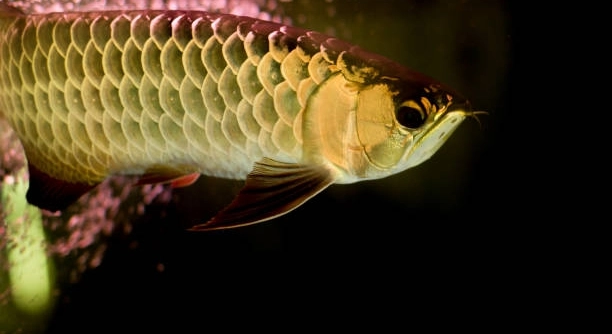
Moving an arowana to a new tank can be stressful for both the fish and the owner. The change in environment, water conditions, and surroundings often makes them uneasy during the first few days.
Arowanas respond best to a stable and quiet environment after relocation. Gradually adjusting water temperature, maintaining consistent lighting, and avoiding sudden movements or loud noises can significantly reduce stress and promote calm behavior in the newly moved fish.
Following these steps can make the transition smoother, helping your arowana settle in and feel more secure in its new home.
Gradual Water Adjustment
When moving an arowana, sudden changes in water can shock it. Start by testing the new tank’s water for temperature, pH, and hardness to ensure it matches the previous tank as closely as possible. Slowly introduce small amounts of the new water into the transport container over several hours. This helps the fish acclimate without causing stress. Keep the tank quiet and avoid tapping on the glass, as arowanas are sensitive to vibrations. Adding a few floating plants can provide a sense of security and reduce visible stress. Consistent lighting also helps the fish maintain its natural rhythm. Avoid feeding immediately after moving, as an upset stomach can increase stress levels. Monitoring your arowana closely during the first 24 to 48 hours is essential to notice any unusual behavior. Gentle observation and patience are key.
Gradual acclimation reduces the likelihood of shock, promoting calmer behavior and better adaptation in a new environment.
Proper acclimation sets the stage for a healthy transition. By slowly adjusting the water conditions and observing the arowana’s responses, you allow it to settle at its own pace. Stress behaviors, like erratic swimming or hiding, can decrease over time. Maintaining stable water parameters, including temperature around 75–82°F, helps the fish regulate its metabolism and reduces the chance of disease. Even small changes in lighting, flow, or tank décor can trigger unease, so consistency is important. Using a drip acclimation method or slowly mixing water ensures the arowana doesn’t face a sudden shock. Adding hiding spots or gentle decorations helps it feel secure while still allowing room to swim. Avoid overcrowding or introducing new tank mates immediately, as additional stress can set back the acclimation process. Watching for subtle changes in coloration or appetite gives clues about how well it’s adjusting.
Maintaining a Calm Environment
Arowanas respond well to a quiet and stable setting.
Reducing loud noises, vibrations, and sudden movements around the tank helps the fish feel safe. Avoid tapping on the glass and limit high-traffic activity near the aquarium.
A calm environment is critical for a newly moved arowana’s recovery and adaptation. Sudden disturbances can trigger defensive or stressed behaviors, slowing acclimation and affecting appetite. Ensuring consistent lighting, gentle water flow, and minimal handling creates a sense of security. Plants, driftwood, or smooth rocks provide visual barriers that help the fish feel less exposed. Avoiding sudden changes in temperature or water chemistry reinforces stability. Feeding a small, controlled diet at regular times supports digestion and reduces stress. Monitoring water quality daily during the first week is important, as fluctuations can go unnoticed and increase anxiety. By creating a peaceful habitat, you encourage normal swimming patterns, proper feeding, and gradual adjustment to the new surroundings, supporting the arowana’s long-term health.
Proper Tank Lighting
Arowanas prefer consistent lighting that mimics natural day and night cycles. Too much or sudden light can stress them, while dim or irregular lighting may affect their appetite and activity. Using a timer ensures stability and supports normal behavior patterns.
Maintaining proper lighting helps regulate an arowana’s biological clock. Bright, harsh lights can make the fish hide or act skittish, while consistent moderate lighting encourages natural swimming and feeding behaviors. Consider placing the tank in a location that avoids direct sunlight, which can cause temperature spikes and algae growth. Using soft, full-spectrum LED lights on a timed schedule ensures the fish receives predictable day and night cues. This stability supports overall health, reducing stress-related behaviors like rapid gill movement or erratic swimming. Plants or floating decorations can help diffuse light and create comfortable shaded areas for the fish.
Proper lighting also helps the owner monitor the arowana’s behavior and coloration. Consistent light levels highlight changes in appetite, stress signs, or potential illness. Observing during active periods allows for accurate feeding and interaction without startling the fish. Adjustments to brightness or duration should be gradual to avoid sudden disruptions. Maintaining this balance promotes a calm environment and encourages natural activity while keeping the fish secure. Light management, combined with stable water conditions, plays a key role in successful acclimation and long-term well-being.
Gentle Feeding Routine
Feeding small portions at regular intervals prevents overeating and reduces stress. Avoid introducing unfamiliar foods immediately after moving to prevent digestive upset.
A consistent feeding routine helps a newly moved arowana feel secure. Overfeeding or sudden dietary changes can cause bloating, slow digestion, and increase stress. Stick to familiar foods initially, such as pellets or small live foods, while monitoring appetite and behavior. Feeding in a calm setting without disturbances ensures the fish associates mealtime with safety. Gradually introducing variety over time promotes nutritional balance without overwhelming the fish. Observation during feeding reveals adjustment progress and helps detect early signs of health issues.
Feeding techniques also impact calm behavior. Using tongs or placing food at one end of the tank prevents frantic chasing and reduces collisions with tank décor. Avoid leaving uneaten food to decompose, as it can harm water quality and stress the fish further. By maintaining a quiet, structured feeding schedule, the arowana can adapt more comfortably to its new environment. Combining proper diet, portion control, and observation supports both physical health and emotional stability, helping the fish settle smoothly.
Minimize Tank Disturbances
Frequent movement around the tank can stress an arowana. Keep activity near the aquarium low and avoid sudden noises or tapping on the glass to help the fish remain calm.
Maintaining a quiet environment supports natural behavior. Limiting disturbances allows the arowana to explore and adjust without feeling threatened.
Use Floating Plants
Floating plants create shaded areas and reduce direct light exposure. They also give the arowana a sense of security and hide from perceived threats.
Monitor Water Quality Closely
Check water parameters daily, including temperature, pH, and ammonia levels. Maintaining optimal conditions prevents stress and supports overall health.
Provide Safe Hiding Spots
Adding driftwood, rocks, or plants gives the arowana areas to retreat. Safe hiding spots help it feel secure and reduce anxiety during acclimation.
FAQ
How long does it take for a newly moved arowana to calm down?
Most arowanas start to adjust within a few days, but complete acclimation can take up to two weeks. Stress levels gradually decrease as they become familiar with the new water, lighting, and surroundings. Observing behavior, appetite, and swimming patterns helps gauge how well they are settling. Avoid rushing the process or introducing new tank mates too soon, as additional changes can prolong stress. Patience is key, and maintaining stable conditions supports a smoother transition.
Can I feed my arowana immediately after moving it?
Feeding right after moving is not recommended. The fish may be too stressed or have a sensitive digestive system following the transfer. Wait at least 24 hours before offering familiar foods, and provide small portions. Feeding too soon can cause bloating, reduce appetite, and increase stress. Observing the fish’s activity and swimming behavior will help determine when it is ready to eat comfortably. Gradually reintroduce regular feeding to promote a stable routine and encourage proper digestion.
What water parameters are best for a newly moved arowana?
Temperature should be kept between 75–82°F, with a stable pH around 6.5–7.5. Hardness and ammonia levels should be monitored closely to prevent fluctuations. Sudden changes in water chemistry can cause stress and increase susceptibility to disease. Using a reliable water test kit and performing regular partial water changes helps maintain consistent conditions. Matching the new tank’s water to the previous environment as closely as possible is essential for minimizing shock during acclimation.
Are floating plants necessary for calming an arowana?
Floating plants are not strictly necessary but are highly beneficial. They provide shaded areas, reduce glare from lights, and give the fish a sense of security. Arowanas often use plants or decorations as hiding spots when they feel stressed. Even a few floating leaves can help the fish feel less exposed and more comfortable in its new environment. Choosing easy-to-maintain plants ensures stability while supporting the fish’s natural behavior.
How important is lighting for a newly moved arowana?
Lighting plays a significant role in calming an arowana. Consistent, moderate lighting mimics natural day and night cycles, supporting normal swimming and feeding behaviors. Bright, sudden lights can startle the fish and increase stress. Using a timer ensures predictability, while floating plants or decorations help diffuse light and create shaded zones. Observing the fish under proper lighting allows you to detect changes in appetite, coloration, and stress levels. Gradual adjustments are safer than sudden shifts.
Should I isolate my arowana after moving it?
Isolation can be helpful if the tank has other aggressive or curious fish. It allows the arowana to acclimate without interference. However, if the tank is properly arranged and calm, complete isolation may not be necessary. Focus on stable water conditions, hiding spots, and gentle feeding routines to support the fish’s adaptation. Observing behavior will indicate whether the fish is coping well with its surroundings or needs temporary separation.
What are signs of stress in a newly moved arowana?
Common signs include erratic swimming, hiding constantly, loss of appetite, rapid gill movement, or rubbing against surfaces. Color fading or clamped fins can also indicate stress. Early detection allows for adjustments in environment, feeding, or water quality to reduce anxiety. Addressing stress quickly prevents potential health issues and supports long-term well-being.
How can I encourage normal behavior during acclimation?
Maintain consistent water parameters, provide hiding spots, control lighting, and feed small portions regularly. Reduce disturbances around the tank and avoid sudden changes. Observing and gently interacting with the fish helps it feel secure. Gradual, predictable routines allow the arowana to regain confidence and display natural swimming, feeding, and resting behaviors.
Can water changes affect a newly moved arowana?
Yes, sudden large water changes can shock a newly moved arowana. Perform small, gradual changes while keeping temperature and chemistry stable. This prevents stress and supports healthy acclimation. Regular monitoring ensures the tank remains safe, clean, and consistent without disrupting the fish’s adjustment process.
Is it normal for a new arowana to hide a lot?
Yes, hiding is a natural coping mechanism during acclimation. Providing driftwood, rocks, or plants gives safe areas for retreat. Over time, as the fish becomes familiar with its environment, hiding frequency typically decreases. Ensuring the tank feels secure accelerates this adjustment and promotes a sense of comfort.
Moving an arowana to a new tank is always a delicate process. These fish are sensitive to changes in their environment, including water parameters, lighting, and even the movement around the aquarium. The first few days in a new tank are the most critical for helping the fish feel secure. Stress can affect appetite, activity, and overall health, so paying close attention to behavior is important. Observing how the arowana swims, whether it hides, or if it avoids food can give clues about its comfort level. Simple steps like keeping the tank quiet, maintaining consistent water conditions, and providing places to hide make a big difference in easing the transition.
Gradual acclimation is essential. Slowly adjusting the water conditions from the transport container to the new tank helps prevent shock. Maintaining a stable temperature, pH, and hardness during this period ensures the fish does not experience sudden stress. Using a drip acclimation or slowly mixing water over time supports a smoother adaptation. In addition, controlling lighting and providing floating plants or shaded areas gives the fish visual comfort and a sense of security. Feeding small amounts of familiar food on a consistent schedule helps stabilize the arowana further. Avoiding abrupt changes or adding new tank mates during the first days allows the fish to feel confident and settle more naturally.
Patience and observation are key to a successful transition. Stress in a newly moved arowana is normal, but it can be minimized by creating a calm, consistent environment. Small adjustments, such as providing hiding spots, managing light levels, and keeping disturbances to a minimum, support the fish’s well-being. Over time, as the arowana becomes familiar with its surroundings, it will begin to swim more confidently, explore the tank, and show normal feeding behavior. Monitoring water quality, behavior, and appetite helps maintain health while reinforcing a secure environment. Following these practices not only reduces stress but also lays the foundation for a long, healthy life in its new home.

Hello,
If you enjoy the content that we create, please consider saying a "Thank You!" by leaving a tip.
Every little bit helps us continue crafting quality advice that supports the health, happiness, and well-being of pets around the world, for pets of all shapes, sizes, and species.
We really appreciate the kindness and support that you show us!