
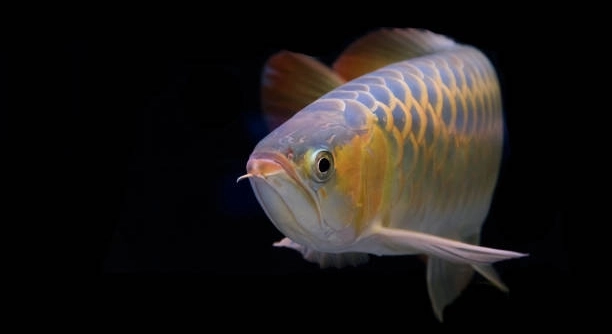
Many aquarium enthusiasts adore watching their arowanas glide gracefully across the tank. Sometimes, though, these majestic fish may remain unusually still, leaving owners concerned about their pet’s health and daily habits in the water.
Arowanas that refuse to move often indicate stress, illness, or unsuitable water conditions. Factors such as poor water quality, improper diet, or lack of adequate space can restrict their natural activity and affect overall health.
Knowing what triggers inactivity can help maintain your arowana’s wellbeing and ensure a lively, thriving aquarium environment.
Common Reasons Your Arowana May Stay Still
Arowanas are sensitive fish that respond quickly to changes in their environment. Temperature fluctuations, poor water quality, or sudden lighting changes can make them stop swimming. Sometimes, a slow-moving fish signals illness or internal discomfort. Overfeeding or feeding the wrong type of food may also affect activity levels. Stress from overcrowding or aggressive tank mates can leave your arowana hiding or hovering in one spot. Even subtle factors, like vibrations or frequent movement near the tank, can unsettle them. Observing your fish carefully helps identify patterns and triggers for inactivity. Checking water parameters like pH, ammonia, and nitrate levels is essential. Adjusting the environment gradually can reduce stress and encourage movement. Regular tank maintenance, such as water changes and cleaning filters, supports overall health. Ensuring a balanced diet and adequate space promotes natural swimming behaviors. Being patient and attentive often reveals underlying issues without drastic measures.
Keeping your arowana’s tank stable can prevent sudden stops in movement and improve its overall comfort.
Monitoring your fish’s behavior daily helps catch problems early. Even small changes in swimming patterns or appetite can signal underlying issues. Observing closely ensures timely adjustments to water conditions or feeding routines, which supports long-term health.
Water Quality and Its Impact
Poor water quality is a leading reason arowanas remain still. Ammonia or nitrite spikes can weaken their immune system, making them lethargic. High nitrate levels may cause long-term stress, affecting growth and activity. Low oxygen levels in the tank restrict swimming and can lead to hiding. Regular water testing and partial water changes are necessary to maintain a healthy environment. Filtration systems must be checked and cleaned to prevent debris buildup that can harm the fish. Even seemingly minor issues, like fluctuating temperature or low circulation, can impact movement. Adding aeration or improving water flow can help restore normal activity. A balanced diet contributes to stronger immunity, enabling the fish to handle minor environmental stress. Consistency is key—sudden changes in water parameters can trigger inactivity or illness. Observing how your arowana responds to adjustments helps identify which factors affect its behavior most. Patience and careful monitoring are essential for recovery and long-term wellbeing.
Diet and Feeding Habits
Feeding your arowana the wrong type or amount of food can lead to inactivity. Overfeeding often causes lethargy, while underfeeding can weaken the fish, limiting its swimming energy.
A balanced diet is essential for active arowanas. They need a mix of protein-rich foods like live or frozen fish, shrimp, and occasional pellets designed for large carnivorous fish. Avoid overfeeding, as excess food can pollute the water and cause digestive issues. Feeding smaller amounts more frequently is often better than a single large feeding. Watching how your arowana eats can reveal early signs of illness or stress, helping you adjust diet and portion sizes. Nutrient-rich food supports muscle strength and overall vitality, encouraging natural movement throughout the tank.
Consistency in feeding times and careful observation of behavior after meals can improve energy levels. Healthy fish are more likely to swim actively and explore their environment.
Tank Size and Environment
A small or crowded tank can restrict your arowana’s movement, leading to prolonged stillness. Large, open space is crucial for their swimming needs.
Providing sufficient swimming space reduces stress and encourages natural behavior. Arowanas are active fish that require length and depth to move freely. Decorations, plants, or rocks should be arranged to avoid sharp edges or tight corners. Proper filtration and water circulation also contribute to a more comfortable environment. Even minor adjustments, such as adding floating plants or adjusting tank layout, can improve mobility. Observing how your fish interacts with the tank helps identify areas that may feel restrictive. Ensuring a spacious, well-maintained environment promotes healthier swimming habits and prevents stagnation.
Regularly evaluating the tank’s setup and making gradual changes can improve your arowana’s activity levels. Consistent care fosters a stable and stimulating home.
Stress and Tank Disturbances
Frequent tapping on the glass or sudden movements near the tank can stress your arowana. Stress often causes them to stay in one spot or hide for long periods.
Aggressive tank mates or overcrowding can also trigger stress. Even small changes in lighting or temperature can affect their behavior.
Illness and Physical Health
Arowanas may become inactive due to illness, parasites, or injuries. Common signs include clamped fins, discoloration, or reduced appetite. Early detection and proper treatment are crucial. Quarantining a sick fish helps prevent disease spread. Consulting a vet or fish specialist can guide effective treatment and recovery measures. Maintaining clean water and a balanced diet supports immunity, reducing the chance of health problems. Monitoring your fish daily helps spot minor health changes before they escalate. Prompt attention ensures arowanas recover faster and regain normal activity levels.
Observation and Patience
Careful observation over time helps identify why an arowana refuses to move. Tracking patterns in behavior and environment is essential.
FAQ
Why is my arowana staying at the bottom of the tank?
Arowanas often stay at the bottom when they are stressed, weak, or unwell. Poor water quality, low oxygen levels, or sudden temperature changes can make them less active. Checking water parameters, adjusting temperature, and improving circulation usually help them regain normal swimming behavior.
Is it normal for arowanas to be still sometimes?
Yes, short periods of stillness are normal. Arowanas may pause to rest, digest food, or observe their surroundings. However, prolonged inactivity lasting several hours or days can indicate a health or environmental issue that needs attention.
Can overfeeding cause my arowana to stop moving?
Overfeeding can lead to lethargy and digestive problems, which reduce energy for swimming. Feeding smaller portions two to three times a day and removing uneaten food promptly can prevent inactivity and maintain water quality.
Could tank size affect my arowana’s movement?
Yes, a tank that is too small restricts swimming and makes the fish less active. Arowanas need a spacious tank, ideally at least 250 gallons for an adult, with enough depth and length to swim freely. Proper layout and open space promote natural behavior.
What role does water quality play in inactivity?
Poor water quality is a major factor in arowana lethargy. High ammonia, nitrite, or nitrate levels weaken immunity and reduce swimming activity. Regular testing, partial water changes, and efficient filtration are necessary to maintain healthy conditions.
Can stress from tank mates make my arowana still?
Yes, aggressive or overly active tank mates can intimidate arowanas, causing them to hide or stay still. Overcrowding also increases stress. Providing adequate space, compatible tank mates, and secure hiding spots can improve activity levels.
How do I know if my arowana is sick?
Signs of illness include clamped fins, faded color, slow or erratic swimming, and loss of appetite. Early detection and treatment are essential. Quarantining sick fish and consulting a vet or fish specialist ensures proper care and recovery.
Does temperature impact my arowana’s activity?
Arowanas are sensitive to temperature changes. Water that is too cold slows metabolism and reduces swimming, while sudden temperature shifts can stress the fish. Maintaining a stable temperature between 75–82°F supports normal activity and overall health.
Can lighting affect my arowana’s movement?
Lighting changes can influence activity. Too bright or inconsistent lighting may make arowanas hide or stay still. Using a natural day-night cycle with moderate lighting encourages swimming and reduces stress. Gradual adjustments are better than sudden changes.
What steps can I take to encourage movement?
Maintaining clean water, proper temperature, and a balanced diet helps. Ensuring sufficient tank space, compatible tank mates, and a stable environment encourages swimming. Observing behavior daily allows timely interventions if inactivity persists, helping your arowana stay healthy and active.
How long should I wait before taking action if my arowana is still?
Short periods of stillness are normal, but if your arowana remains inactive for more than a day or two, investigate possible causes. Checking water quality, diet, tank setup, and health indicators helps identify problems early and prevent long-term stress or illness.
Can minor injuries cause stillness?
Yes, scrapes or fin damage can make arowanas less active. Injured fish may hide or move cautiously. Isolating injured fish and treating wounds promptly supports recovery and encourages a return to normal swimming.
Are there preventive measures to avoid inactivity?
Regular water changes, consistent feeding, and monitoring tank conditions are key. Providing ample space and minimizing sudden disturbances reduce stress. Observing behavior and addressing minor issues early helps maintain arowanas’ natural energy and activity over time.
Does the type of food matter?
Yes, a varied diet supports energy levels and overall health. High-protein foods like live or frozen fish, shrimp, and specialized pellets help maintain strength. Avoid low-quality or inappropriate food that can cause digestive issues and lethargy.
How can I tell if my arowana is stressed?
Signs of stress include hiding, clamped fins, loss of appetite, and erratic swimming. Environmental factors like sudden temperature changes, poor water quality, or aggressive tank mates often trigger stress. Reducing disturbances and stabilizing conditions helps the fish regain normal activity.
What are the most common mistakes owners make?
Common mistakes include overfeeding, using an undersized tank, neglecting water quality, and ignoring early signs of stress or illness. Regular observation, proper tank maintenance, and careful feeding practices prevent inactivity and support long-term health.
When should I seek professional help?
If your arowana shows prolonged inactivity, visible signs of disease, or sudden behavior changes, consulting a veterinarian or fish specialist is important. Early intervention can prevent serious health issues and improve the fish’s chances of full recovery.
How often should I monitor water conditions?
Weekly testing of ammonia, nitrite, nitrate, and pH is recommended. Regular checks help detect problems early. Frequent observation of behavior alongside water testing ensures a safe and stable environment, reducing inactivity caused by environmental stressors.
Can supplements or vitamins help?
High-quality supplements may support immunity, but they cannot replace proper care. A balanced diet, clean water, and a stable tank environment remain the most important factors in keeping arowanas active and healthy. Supplements can help in specific cases under guidance.
Does tank placement in the room matter?
Yes, placing the tank in a quiet, low-traffic area reduces stress. Constant vibrations, loud noises, or frequent handling can make arowanas less active. Ensuring a calm environment encourages natural movement and promotes a stable, healthy tank.
Final Thoughts
Arowanas are remarkable fish, but they can be sensitive to their environment. Inactivity is often a sign that something in their tank or routine needs attention. It does not always mean the fish is seriously ill, but it is a signal that changes may be necessary. Observing your arowana’s behavior closely and noting any unusual patterns is the first step toward understanding what might be causing stillness. Paying attention to details like swimming habits, appetite, and interaction with the tank environment can reveal early signs of stress, health issues, or environmental problems. Small adjustments, such as improving water quality or modifying the tank layout, often lead to noticeable improvements in activity and overall wellbeing. Consistent care and attention make a significant difference in keeping your arowana healthy and active over time.
Maintaining the right water conditions is essential for your arowana’s health. Regular testing of pH, ammonia, nitrite, and nitrate levels helps prevent harmful buildups that can make fish lethargic. Temperature stability is equally important because sudden shifts can cause stress or slow metabolism. Proper filtration and water circulation are key for oxygenation and cleanliness. Even minor neglect in these areas can lead to inactivity or health issues. Combined with a balanced diet and careful feeding practices, these environmental factors create an atmosphere where your arowana feels safe and comfortable. Providing adequate space for swimming and avoiding overcrowding or aggressive tank mates further supports natural behavior. Each step taken to maintain a stable and healthy environment contributes directly to your fish’s willingness to move, explore, and remain active.
It is also important to consider stress and health management as part of daily care. Aggressive or incompatible tank mates, excessive noise, and sudden changes in lighting can all make your arowana hide or stay still. Observing the fish regularly allows you to detect changes in behavior early, which helps prevent long-term problems. In some cases, inactivity may indicate illness, injury, or internal discomfort that requires prompt attention. Quarantining sick fish, seeking professional advice, and treating wounds or diseases quickly can prevent complications and support recovery. Patience and careful observation are essential, as changes in behavior often happen gradually. By combining proper tank maintenance, a balanced diet, and attentive care, you create the ideal conditions for your arowana to thrive, swim actively, and maintain its health over the years. Active and healthy arowanas are a result of consistent effort, awareness, and understanding of their unique needs.

Hello,
If you enjoy the content that we create, please consider saying a "Thank You!" by leaving a tip.
Every little bit helps us continue crafting quality advice that supports the health, happiness, and well-being of pets around the world, for pets of all shapes, sizes, and species.
We really appreciate the kindness and support that you show us!