
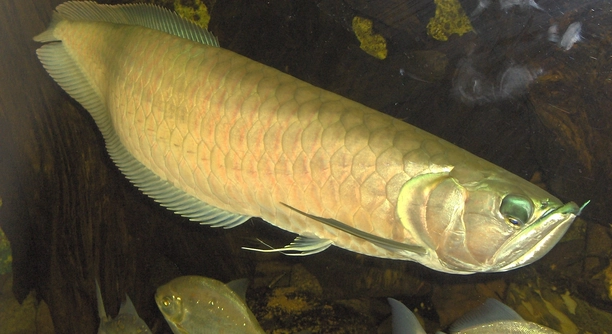
Have you ever wondered how your arowana reacts to the constant rise of bubbles in its tank, creating patterns that catch its attention each day and drawing it closer with a mix of curiosity and comfort.
Arowanas often fixate on tank bubbles due to their instinctive response to movement, oxygen rich currents, and environmental stimulation. Bubble streams mimic natural flow patterns, encouraging exploratory behavior and reinforcing engagement with their surroundings within controlled aquarium conditions at all.
Learning about this habit helps you recognize how changes in the tank environment can shape your arowanas comfort and behavior.
Common Reasons Behind Bubble Fixation
Many arowana owners notice how their fish spend long moments near rising bubbles, and it can feel both amusing and a little puzzling. In most tanks, these bubble streams create steady movement that draws attention, especially for active fish that rely on visual cues. My own arowana often circles the bubbler whenever the lights are soft, almost as if the shifting pattern helps it stay alert. This habit usually forms when the fish connects the flow with comfort, oxygen, and constant stimulation. The sound and motion create a small zone where the water feels cleaner and more lively. Over time, the fish may return to this spot out of routine, using the bubbles as a simple anchor in its space. When you understand this behavior, it becomes easier to adjust the tank so your fish stays calm and responds well to the surroundings provided. This keeps daily activity steady inside.
Bubbles create motion that stimulates an arowanas senses, and this steady flow becomes a simple point of focus in the tank. When the water stays consistent, the fish reacts with calm behavior, forming a pattern that supports comfort and predictable movement every day. This routine feels natural for the fish.
Watching how an arowana interacts with bubbles can help you decide whether the tank needs changes. If the fish spends too much time near the bubbler, it may be responding to flow imbalance or searching for stimulation that the rest of the tank does not provide. I pay attention to how my fish swims around the structure, looking for signs that it prefers certain areas more than usual. When this behavior grows stronger, adjusting decorations, improving flow, or adding gentle visual interest often helps redirect attention. These small steps support a healthy balance that keeps your arowana active each day.
How Tank Conditions Influence Bubble Attraction
Tank conditions shape how strongly an arowana reacts to bubble streams, and small changes can shift its behavior in noticeable ways. When flow, lighting, and oxygen stay steady, the fish responds with smoother patterns that reflect comfort, stability, and regular activity in its space through each simple daily tank shift.
Maintaining the right environment helps guide your arowana toward balanced behavior, especially when bubbles become a major focus. When the fish spends long periods in one area, it may be responding to a mix of oxygen levels, current strength, or visual stimulation that feels more appealing than the rest of the tank. I have noticed how small changes, such as adjusting the angle of the bubbler or shifting a piece of driftwood, can influence where the fish chooses to swim. These adjustments help spread movement evenly so the fish does not rely too heavily on one feature. Water quality also shapes how your arowana responds to bubbles. Clear water with stable parameters encourages calm behavior, while inconsistent conditions push the fish toward any area that feels livelier. By watching how it reacts during feeding, resting, and slow swimming periods, you can understand what parts of the tank need attention. Adding plants, smoothing strong currents, or improving surface movement keeps stimulation consistent without overwhelming the space. When every part of the tank supports natural behavior, your arowana stays active, curious, and comfortable while keeping its attention balanced across the entire environment. These small improvements create steady comfort for your fish daily.
Understanding Behavioral Patterns
Some arowanas are naturally drawn to constant movement, and bubbles offer steady activity that holds their attention. I often notice how arowanas use this motion to stay alert, creating a simple pattern that feels familiar and easy for them to follow during calm periods.
When an arowana returns to the bubbles again and again, it may be forming a routine that helps it feel grounded in its space. This habit usually develops when the tank has uneven flow or limited visual variety. I have watched my own fish circle the bubbler during quiet hours, almost as if it uses the stream as a reference point. Adding gentle movement in other areas of the tank helps break this pattern. Rearranging plants or shifting lights slightly can give the fish new areas to explore. These small adjustments keep behavior balanced and reduce the need to linger near bubbles for comfort.
Some arowanas also associate bubbles with a sense of security. The rising flow makes the water feel lively, and the noise can mask small sounds that might otherwise startle the fish. When this behavior becomes too strong, it may signal that the rest of the environment feels too still or too quiet. Softening harsh lighting, increasing surface ripple, or creating shaded spots encourages the fish to travel throughout the tank. With steady changes, the arowana develops healthier patterns and feels more at ease exploring new sections of its space.
Environmental Adjustments That Help
Simple changes in the tank often shift the way an arowana interacts with bubbles. Adjusting flow strength, balancing lighting, and adding soft movement around the tank can help spread the fishs attention more evenly, reducing its focus on a single area and creating a calmer swimming pattern overall.
A stable environment supports healthier behavior, especially when arowanas show strong interest in bubble streams. I have found that adjusting the bubbler angle or placing a plant near the stream helps soften the movement, encouraging the fish to explore other spots. Water quality also shapes behavior. Clear water with steady parameters leads to smooth, relaxed swimming, while inconsistent oxygen levels or cloudy areas push the fish toward bubbles. Adding gentle flow in corners or placing driftwood in slower sections keeps activity balanced without overwhelming the fish. Over time, these adjustments guide the arowana toward a more natural rhythm, helping it interact with the whole tank instead of relying heavily on one source of stimulation.
Signs Your Arowana Is Overly Focused on Bubbles
When an arowana spends long periods hovering near the bubbler, it may be relying on the movement for comfort. I notice this behavior most when the rest of the tank feels too still or lacks enough steady stimulation to keep the fish moving naturally.
Another sign is when the fish ignores other parts of the tank, choosing the bubble stream even during feeding times. This usually means the environment needs more balanced flow or visual interest. Small adjustments often help redirect its attention and ease this pattern.
How Water Movement Shapes Behavior
Movement in the water plays a big role in how an arowana reacts to its surroundings. A strong bubble stream can become the brightest point of activity, pulling the fish toward it again and again. When the rest of the tank stays too calm or uneven, the arowana chooses the bubbler as its main source of stimulation. I have seen how spreading flow with gentle pumps or creating soft currents in overlooked areas helps the fish explore more. Adjusting decorations, smoothing harsh ripples, and balancing light levels encourages healthier travel patterns and reduces the fixation naturally.
When Bubble Focus Becomes a Habit
A bubble fixation becomes a habit when the fish uses the stream as its main comfort zone instead of exploring the rest of the tank. This pattern shows that the environment needs a little more balance to support natural movement.
FAQ
Why does my arowana follow the bubbles constantly?
Arowanas are naturally drawn to movement and light patterns. Bubbles create consistent motion and small reflections that catch their attention. In my experience, my arowana often uses the bubble stream as a reference point for its activity, circling the area when the rest of the tank feels too calm or still. This is not unusual and usually reflects natural exploratory behavior, not distress.
Can bubble fixation affect my arowana’s health?
Mostly, no. Spending time near bubbles is generally safe, as long as water quality and temperature are stable. Problems arise only if the fish ignores feeding areas, hides excessively, or becomes stressed due to uneven currents or overcrowded decorations. I’ve noticed that small tank adjustments often reduce over-reliance on the bubbles, encouraging more balanced movement.
Should I adjust the bubbler if my arowana is obsessed?
Yes. Slight adjustments to the bubbler’s position, flow strength, or angle can help spread water movement more evenly. I usually move the bubbler to a corner or soften the stream with decorations, which encourages my arowana to explore other parts of the tank instead of staying in one spot all the time.
Do bubbles help oxygen levels for my arowana?
Absolutely. Bubble streams improve surface agitation and oxygen exchange in the tank. I’ve found that a strong but gentle flow keeps oxygen levels steady, supporting both the fish’s energy and activity. It’s also why arowanas are often drawn to these areas—they instinctively sense the livelier, oxygen-rich water.
Is it normal for arowanas to “play” with bubbles?
Yes. Arowanas are intelligent and naturally curious, and interaction with rising bubbles can feel like play. I often watch my fish nudge or chase bubble clusters, which keeps it engaged and active. This behavior is part of its environmental stimulation and is completely natural.
Can I redirect my arowana’s attention away from bubbles?
Yes, through environmental changes. I’ve found that adding decorations, plants, or gentle currents in other areas gives the fish more points of interest. Rearranging driftwood or adjusting lighting can make overlooked areas more appealing, reducing the need for the fish to rely solely on the bubbler for stimulation.
Do all arowanas react the same way to bubbles?
Not exactly. Each fish has a unique personality. Some may ignore the bubbler entirely, while others develop a strong attachment. My own arowana spends hours near bubbles, while a neighbor’s fish barely notices them. Behavior often depends on tank setup, flow patterns, and individual curiosity levels.
Will my arowana stop focusing on bubbles over time?
Often, yes. With consistent environmental adjustments, the fish gradually spreads its activity throughout the tank. I noticed that after adding small currents, repositioning plants, and softening the bubble flow, my arowana began exploring more freely and spending less time fixated on one area. Patience and gradual changes are key.
Does bubble obsession indicate stress or boredom?
Sometimes. If your arowana constantly sticks to the bubbles and avoids other areas, it could be a response to boredom, insufficient stimulation, or uneven currents. I’ve seen improvements by introducing visual variety, stable water parameters, and gentle flow in quieter corners to balance its activity.
Are there long-term effects of ignoring bubble fixation?
If left entirely unaddressed, over-reliance on one area may limit natural exercise or exploration. I’ve learned that small interventions, like adjusting currents or adding hiding spots, prevent any negative impact while keeping the fish active, curious, and comfortable throughout the tank.
How do I know if my arowana is happy with its tank environment?
A content arowana explores freely, interacts with decorations, and feeds reliably. In my tank, when my fish spends time in multiple areas instead of only the bubbles, it shows confidence and comfort. Watching these patterns daily helps gauge overall well-being and lets you make small, helpful adjustments.
Can I safely increase bubble output to entertain my arowana?
Only moderately. Too strong a flow can tire or stress the fish. I prefer gentle increases combined with decorations or plants to break the stream. This keeps stimulation healthy while giving the arowana space to explore without overwhelming currents.
Do other fish in the tank react to bubbles the same way?
Not always. Some species are less interested in bubbles, while others may follow the flow or interact for curiosity. I’ve noticed my arowana often dominates the bubbler area, while smaller tankmates occasionally use it as a playful zone, showing that responses vary by species and temperament.
Can bubbles replace enrichment items for my arowana?
No. While bubbles provide movement and visual stimulation, enrichment should include varied flow, decorations, and hiding spots. In my experience, combining bubbles with structural changes keeps the fish active and mentally engaged, creating a healthier and more balanced environment.
How often should I check my bubbler for optimal behavior?
Regularly. I inspect mine weekly to ensure flow consistency and proper oxygen levels. Small changes in bubble pattern or strength can affect behavior, so routine checks prevent stress and maintain a steady, stimulating environment for the fish.
Will bubble fascination decrease as the fish grows?
It can. Larger or older arowanas often develop more confidence and explore beyond the bubbler. In my tank, as my arowana matured, it still returned to bubbles occasionally but spent more time moving through different areas, showing a gradual reduction in reliance on the stream.
Are there signs that bubble obsession requires professional attention?
Yes. Sudden, extreme fixation accompanied by reduced feeding, lethargy, or unusual behavior may indicate stress or health issues. I recommend consulting an aquatic veterinarian if these signs appear, while maintaining water quality and steady tank conditions in the meantime.
Can lighting affect bubble attraction?
Definitely. Bright lights reflecting off bubbles can make streams more appealing. I adjust tank lighting to balance brightness, softening reflections in the bubble zone, which helps distribute my arowana’s attention across the tank without overwhelming visual stimulation.
Do bubbles help reduce aggression in arowanas?
Indirectly. Bubbles create movement that can distract or occupy a rowdy fish, reducing aggression toward tankmates. I’ve noticed calmer interactions when the bubbler provides a steady, gentle current, giving the fish a positive focal point while preventing territorial behaviors from escalating.
What is the best type of bubbler for arowanas?
A gentle, adjustable bubbler works best. I prefer one that produces steady but not overwhelming streams, allowing me to control flow while keeping the fish engaged. Too strong a current can cause stress, while a weak one may not provide enough stimulation to hold interest.
How do I introduce bubbles safely to a new arowana?
Start slowly with low flow and monitor reactions. I place the bubbler in a quiet corner first, allowing the fish to approach at its own pace. Gradually increasing flow while providing enrichment items ensures comfort, reduces stress, and encourages natural exploration without forcing interaction.
Can I use multiple bubblers to reduce fixation?
Yes, but placement matters. I use one in each corner, creating gentle movement across the tank. This spreads attention and prevents my arowana from focusing too heavily on one stream, encouraging exploration while maintaining consistent oxygenation and stimulation throughout the tank.
Are there behavioral differences between male and female arowanas with bubbles?
Slightly. In my experience, males may patrol or hover more, while females often investigate calmly. Individual personality matters more than gender, but subtle differences in movement patterns and interaction with bubbles can be observed over time, influencing how each fish engages with the tank environment.
Do temperature changes influence bubble fascination?
Yes. Cooler water slows activity, while warmer water encourages more swimming near currents. I’ve noticed my arowana spends more time near bubbles during slightly warmer periods, likely using the stream for gentle exercise and oxygen-rich water to balance metabolism.
How long does it take to reduce bubble obsession?
It varies. Gradual environmental changes over weeks usually help. I’ve found that consistent adjustments in flow, decorations, and lighting slowly redirect my fish’s attention, resulting in more balanced movement patterns without stress or sudden changes in routine.
What is the easiest way to track my arowana’s bubble habits?
Observe daily at the same time for consistent behavior tracking. I keep notes on how long my arowana spends near bubbles, areas explored, and feeding responses. This simple record helps identify trends and shows whether environmental adjustments are effective.
Can bubble interaction improve mental stimulation?
Yes. Watching, chasing, or circling bubbles provides mental engagement. In my tank, this interaction keeps my arowana alert and active, serving as a form of enrichment that complements other structural and environmental features without replacing physical exercise.
Are bubble patterns more interesting than decorations?
They can be. Movement and reflections are highly stimulating. I’ve noticed my arowana often prefers bubbles over static decorations initially, but adding flow around plants or hiding spots eventually balances attention, ensuring exploration throughout the tank instead of fixation on a single feature.
Do arowanas ever become bored with bubbles?
Yes. If the stream remains unchanged for long periods, the novelty fades. I occasionally adjust flow, move decorations, or introduce small currents to maintain interest, which keeps my arowana engaged without relying solely on the original bubble pattern.
How do I safely increase oxygenation without causing obsession?
Use gentle surface agitation or multiple low-flow bubblers. In my experience, spreading movement rather than intensifying one stream prevents fixation while maintaining healthy oxygen levels, supporting natural behavior and balanced exploration throughout the tank.
Can bubble fascination interfere with feeding?
Sometimes. If the fish stays near bubbles during feeding, it may miss food or ignore other areas. I reposition the bubbler slightly or hand-feed to encourage attention on meals while maintaining stimulation, helping my arowana develop a balanced routine.
Do bubbles help reduce stress during water changes?
Yes. The movement can provide a comforting distraction. I’ve observed my arowana staying calmer near the bubbler when water changes occur, using the stream as a familiar anchor while adjusting to temporary disturbances in the tank environment.
Is bubble fascination common in all freshwater fish?
Not all, but many species respond similarly. Arowanas, cichlids, and certain catfish often engage with streams due to movement and oxygenation. I’ve seen how individual personality, tank setup, and species traits shape interest, making it important to tailor stimulation to each fish’s needs.
Can I use bubble interaction to train or condition my arowana?
Yes. Gentle conditioning, such as associating bubble zones with feeding or enrichment, can guide behavior. I’ve used subtle routines to encourage my arowana to explore beyond one area, combining bubbles with positive reinforcement to maintain engagement and balanced activity.
Does the size of the tank affect bubble obsession?
Definitely. Smaller tanks may increase fixation due to limited space. In my experience, larger tanks allow the arowana to explore more freely, reducing reliance on one bubbler while still providing oxygen-rich, stimulating areas for natural behavior.
How often should I adjust tank features to prevent over-fixation?
Regularly but gradually. I make small changes weekly, like moving decorations or softening flow, ensuring the fish adapts without stress. This method maintains balanced exploration while preventing over-dependence on the bubbles as a primary source of stimulation.
Do bubbles help mimic natural habitats?
Yes. In the wild, arowanas experience currents, ripples, and moving water. I’ve noticed that bubbles simulate this natural motion, making the tank feel more familiar and comfortable while encouraging instinctive behaviors like swimming along currents and investigating moving patterns.
Are there signs my arowana enjoys interacting with bubbles?
Yes. Smooth, calm swimming around the stream, gentle nudging, and returning periodically indicate interest without stress. I often watch my fish circle, chase, or hover calmly, showing positive engagement that signals comfort and mental stimulation in a healthy tank.
Do bubbles reduce algae growth?
Indirectly. The movement improves circulation and prevents stagnant areas where algae thrive. I’ve found that steady but gentle bubble streams help keep water moving, making it less hospitable for algae while benefiting oxygenation and encouraging balanced fish activity.
Can I combine bubbles with other enrichment tools?
Yes. I use plants, driftwood, and small currents to complement bubbles. This combination encourages exploration and mental engagement, preventing over-reliance on one feature while keeping my arowana active, curious, and comfortable throughout the tank environment.
Are there risks to using too many bubbles?
Yes. Excessive flow can tire the fish, create stress, or push it into corners. I maintain gentle streams and monitor behavior, ensuring the arowana remains active without feeling forced or overwhelmed by water movement, keeping stimulation safe and balanced.
Do arowanas prefer vertical or horizontal bubbles?
Both can attract attention, but vertical streams mimic natural rising currents. I usually use vertical bubblers in my tank, which encourages gentle hovering and circling, supporting natural behavior while giving the fish a familiar reference point without over-stimulating it.
Can I use bubble fascination to assess tank comfort?
Yes. Where a fish chooses to spend time reflects its perception of safety and environmental balance. I observe my arowana’s bubble interactions to identify areas that feel comfortable, allowing me to adjust currents, lighting, and decorations for a healthier, more balanced tank.
How do I maintain interest in the bubbler without causing obsession?
Rotate flow patterns, adjust angle, and provide alternative areas to explore. I find that changing subtle details keeps the fish engaged while spreading activity across the tank, ensuring stimulation without over-fixation and maintaining natural exploration habits.
Are there seasonal effects on bubble interaction?
Sometimes. Temperature, light duration, and feeding routines may alter how often a fish interacts with bubbles. I’ve observed more hovering during warmer periods, while cooler or darker times encourage calmer movement, showing subtle seasonal shifts in behavior.
Do young arowanas react differently to bubbles than adults?
Yes. Juveniles often explore more actively and show curiosity, while adults may develop routines or habits around bubbles. I noticed my young fish circling vigorously, whereas as it grew, it maintained interest but balanced activity across the tank more evenly.
Is it normal for arowanas to become attached to a single bubble source?
Yes. Attachment forms naturally if it provides comfort, oxygen, or stimulation. I manage this by spreading water movement and introducing environmental variety, helping the fish feel secure without over-relying on one feature.
Can I train my arowana to ignore bubbles temporarily?
Yes, through gradual environmental changes. I slowly reduce flow intensity in one area while enhancing other parts of the tank. Over time, the fish adapts, exploring the tank more evenly while still interacting with the bubbler naturally.
Do bubble streams influence breeding behavior?
Indirectly. Flow and oxygen levels affect activity and stress, which can influence breeding readiness. I maintain gentle, steady currents to support health and natural behavior, creating an environment conducive to comfort and potential breeding.
Can arowanas differentiate between bubble sizes?
Yes. Larger streams often draw more attention, while finer bubbles may feel less stimulating. I adjust bubble size to balance engagement, ensuring my arowana remains active without overstimulation or fixation on a single feature.
Are there safety tips for using air stones with arowanas?
Yes. Ensure stones produce gentle bubbles, avoid sharp edges, and monitor behavior. I’ve seen stress or injury with overly strong streams or poorly placed stones, so careful placement and regular observation are key to safe and stimulating use.
Do arowanas interact with bubbles differently when alone versus in a group?
Yes. Alone, they may focus more on the bubbler for stimulation, while in a group, social dynamics shift attention across the tank. I’ve noticed my fish spends more time exploring when another fish is present, showing that company can influence bubble interaction.
How long should bubble sessions last each day?
Constant flow is generally fine, but moderate adjustment helps prevent fixation. I run my bubbler most of the day with gentle changes, ensuring stimulation while avoiding over-reliance on one area for extended periods.
Can I combine bubbles with feeding enrichment?
Yes. I sometimes release food near gentle bubble streams, encouraging interaction while supporting natural foraging behavior. This method stimulates the fish mentally and physically without letting the bubbler dominate attention entirely.
Do arowanas use bubbles for orientation in the tank?
Yes. They often treat streams as reference points, circling or hovering to stay oriented. In my experience, the bubbler acts as a landmark, especially in larger tanks, helping the fish navigate and maintain a sense of space.
Are there specific tank shapes that influence bubble fixation?
Yes. Narrow or shallow tanks may increase obsession, while larger, varied tanks encourage exploration. I noticed that my arowana engages more evenly in rectangular or spacious tanks, reducing dependence on one bubble stream for stimulation.
Can bubble fascination cause aggression in multi-fish tanks?
Sometimes. Competition over a preferred stream may lead to brief skirmishes. I reduce this by spreading bubbles or adding multiple gentle streams, ensuring all fish have access to movement and oxygen without triggering territorial behavior.
How do I balance bubble use with overall tank design?
Integrate bubbles with flow, plants, and decorations. I position bubblers near corners or plants, softening strong currents, while keeping other areas interesting. This encourages exploration, prevents over-fixation, and maintains a visually and behaviorally balanced tank environment.
Do arowanas enjoy bubbles more during certain times of day?
Yes. I’ve observed my arowana hovering near bubbles in early morning and late afternoon when light is softer. These times seem calmer, making bubble streams more attractive while offering gentle stimulation during quieter hours.
Can I use bubbles to observe natural instincts safely?
Yes. Watching how a fish interacts with streams reveals curiosity, exploration, and orientation habits. I use this observation to adjust the environment and support natural behaviors, creating a safe, stimulating, and balanced tank for my arowana.
Do bubbles affect water temperature significantly?
No. Gentle bubbles don’t change temperature much, but strong aeration can slightly cool water. I monitor temperature alongside bubble flow to maintain stable conditions for comfort and healthy activity.
Is it okay for arowanas to nap near bubbles?
Yes. Some use the flow as a gentle background while resting. I’ve noticed my fish hover or drift near bubbles, appearing calm and relaxed, showing that the stream can serve as a comforting spot without overstimulation.
How can I tell if bubble fixation is playful or stressful?
Watch body language. Calm hovering, smooth swimming, and gentle nudging indicate play. Rapid darting, flared fins, or hiding signals stress. I use these cues daily to adjust flow, light, or tank layout, keeping my arowana engaged without causing tension.
Can bubbles help older arowanas stay active?
Yes. Gentle streams encourage movement, stimulating exercise and curiosity. I’ve found older fish respond well to
Arowanas are fascinating fish with unique behaviors, and their interest in tank bubbles is a natural part of how they interact with their environment. Spending time near bubble streams does not automatically indicate a problem. In fact, bubbles provide movement, oxygen, and gentle stimulation that many arowanas enjoy. Over time, I have observed that my own fish often treats these streams as a place to hover, circle, or explore, using the motion to stay alert and engaged. This behavior is instinctive, as arowanas in the wild are used to moving water and shifting currents, which provide both oxygen and visual cues. Understanding that bubble fascination is a normal part of arowana behavior helps tank owners respond thoughtfully instead of overreacting.
While bubbles are beneficial, it is important to maintain balance in the tank. Over-fixation on a single stream may indicate that other areas of the tank are less stimulating or that the flow is uneven. I have learned that rearranging decorations, adding plants, or softening strong currents can make other parts of the tank appealing, encouraging exploration and more balanced behavior. Observing the fish daily allows me to notice whether it spends excessive time near one feature or interacts with the entire tank. Attention to water quality, temperature, and oxygen levels is also crucial. Stable conditions ensure the fish is not using the bubble stream simply to cope with discomfort or stress. Gentle changes over time often help the fish adjust without causing confusion or anxiety.
Creating a well-balanced environment ultimately supports an arowana’s overall well-being. By spreading stimulation across the tank, I notice that the fish becomes more confident and active, exploring corners and interacting with decorations instead of remaining fixated on the bubbler. Bubble streams remain a source of interest, but they no longer dominate the fish’s behavior. This approach allows me to enjoy watching natural arowana behavior while ensuring its physical and mental health. Consistency, patience, and observation are key. Arowanas respond best to environments that combine steady water flow, visual variety, and comfort, and understanding their fascination with bubbles is just one part of caring for them effectively.

Hello,
If you enjoy the content that we create, please consider saying a "Thank You!" by leaving a tip.
Every little bit helps us continue crafting quality advice that supports the health, happiness, and well-being of pets around the world, for pets of all shapes, sizes, and species.
We really appreciate the kindness and support that you show us!