
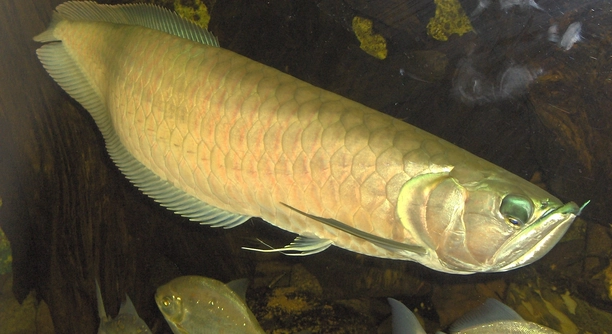
Are your arowana swimming slowly near the heater more often than usual? Many fish owners notice this behavior and wonder if it is a sign of comfort or an underlying problem. Observing your fish closely can reveal important details.
Arowanas linger near heaters primarily due to water temperature preferences. Warmer water supports metabolism, digestion, and overall activity, making the heater a favorable area. Consistently low ambient temperatures may drive the fish to seek heat for physiological balance and comfort.
Understanding this behavior can improve your arowana’s habitat. Adjusting tank conditions and monitoring temperature ensures the fish remains healthy and active in its environment.
Common Reasons Your Arowana Stays Near the Heater
Temperature is the most common factor influencing your arowana’s position in the tank. These fish are tropical and thrive in water that remains consistently warm, usually between 75 and 82°F. If your tank’s ambient temperature drops below this range, your fish may linger near the heater to maintain comfort. Stress from cold water can affect appetite, activity, and immune function, so the behavior is a natural response. Observing your arowana’s movements and general health can provide insight into whether the heater is necessary or if adjustments are needed. Other factors, such as tank placement, sunlight, and nearby equipment, may create uneven temperatures, prompting the fish to seek the warmest area. Maintaining a stable temperature across the tank ensures the fish can swim freely without constantly seeking heat, supporting overall well-being and encouraging more natural behaviors.
Consistent monitoring of tank temperature can prevent your arowana from lingering excessively near one area.
Arowanas also respond to changes in water quality. Poor oxygen levels, high ammonia, or improper pH can make certain areas more appealing, especially if the heater area has slightly better circulation or warmth. Observing these conditions helps identify subtle stress factors. Additionally, seasonal changes or room temperature fluctuations may influence how often your fish seeks the heater. Adjusting the tank’s environment and checking equipment regularly ensures the arowana remains healthy. A balanced diet, proper filtration, and maintaining clean water further support stable behavior, reducing unnecessary clustering near the heater. Over time, a well-maintained tank creates a more evenly comfortable environment, encouraging your arowana to explore freely.
Tips to Encourage Natural Swimming
Offer consistent water temperature and proper filtration for your arowana.
Providing hiding spots, gentle water flow, and even heating distribution encourages your arowana to explore the entire tank. Varying diet and feeding locations also promote movement. Avoid sudden temperature changes or overcrowding, as these can drive your fish to stick close to one warm area. Monitoring tank conditions regularly ensures that small issues do not escalate, helping your arowana stay active and healthy. Adjusting placement of decorations and equipment can prevent cold spots, while checking heater function prevents uneven heating. Over time, these changes support balanced activity and reduce stress.
Behavioral observation is key to maintaining your arowana’s well-being. Notice if your fish consistently chooses the heater or if other stress signs appear, such as clamped fins or loss of appetite. Gradually adjusting water temperature, enhancing circulation, and maintaining optimal tank conditions encourage natural swimming patterns. Rotating decorations and providing varying water flow helps the fish explore different areas. Diet also plays a role; feeding at different spots can stimulate movement while ensuring the fish receives proper nutrition. Regular maintenance, including water changes and equipment checks, supports a stable environment. Creating consistent conditions reduces reliance on the heater and promotes overall health. By observing behavior closely, small interventions can prevent long-term stress and support a balanced, active arowana.
Adjusting Heater Placement
Positioning the heater properly can make a significant difference. Placing it near water flow helps distribute heat evenly, reducing hotspots. Avoid corner placement that creates a narrow warm zone, which can cause your arowana to linger unnecessarily.
Even heat distribution ensures the fish can swim freely without being drawn to one area constantly. A heater placed along the tank’s length or near a filter output promotes circulation, balancing temperature throughout. This prevents stress from cold pockets and encourages natural swimming behavior. Regularly checking the heater’s functionality and measuring water temperature at different points helps maintain uniform warmth, supporting overall health.
Adjusting the heater’s placement also minimizes the risk of overheating one section. By combining optimal positioning with a reliable thermometer and consistent monitoring, you create an environment where your arowana moves naturally. Proper circulation prevents stagnation, reduces algae growth, and supports oxygen levels. Over time, this simple adjustment can improve your fish’s activity, making it more comfortable across the entire tank instead of clustering near a single heat source.
Monitoring Water Temperature
Use a reliable thermometer to track fluctuations throughout the day. Sudden changes can stress your arowana and influence behavior. Maintain consistent readings for optimal comfort.
Monitoring water temperature helps prevent stress-related health issues. Arowanas are sensitive to abrupt changes, which can suppress appetite or weaken immunity. Checking the thermometer multiple times daily ensures stability, and adjusting the heater gradually prevents shocks. Using multiple thermometers in different tank locations provides a more accurate picture, allowing you to spot uneven heating. Consistent temperature supports digestion, activity, and overall physiological balance, reducing the tendency to linger near the heater.
Maintaining stable water temperature is crucial for overall tank health. Sudden drops can create cold spots, while overheating in one area may cause lethargy. Regular checks help identify inconsistencies before they affect your arowana. Combined with proper circulation, stable heat ensures that oxygen levels and water chemistry remain consistent. Additionally, gradual seasonal adjustments can mimic natural conditions without stressing the fish. Keeping accurate records of temperature trends allows for proactive care. By carefully monitoring and managing heat, your arowana remains active, healthy, and comfortable throughout the tank.
Using a Thermometer
Place a thermometer at different points in the tank to monitor temperature variation. This helps identify cold spots and ensures your arowana experiences consistent warmth throughout the tank.
Regular thermometer checks allow you to adjust the heater before fluctuations affect your fish. Consistency supports healthy behavior and prevents lingering in one area.
Understanding Seasonal Changes
Seasonal changes can influence room temperature and tank warmth. During colder months, your arowana may seek the heater more often, while warmer months may reduce this behavior. Adjust heating gradually to maintain stable water conditions.
Preventing Overheating
Avoid placing the heater too close to the tank’s surface or decorations. Overheating can create stress and reduce oxygen levels, making the fish uncomfortable.
FAQ
Why does my arowana stay near the heater all the time?
Arowanas are tropical fish that prefer stable, warm water. If the ambient tank temperature drops below their comfort range, they will stay near the heater to maintain body warmth. Prolonged exposure to cooler water can slow metabolism and reduce activity, so they instinctively seek heat.
Can lingering near the heater harm my arowana?
Spending too much time in one warm spot may indicate uneven heating or stress in other parts of the tank. While occasional time near the heater is normal, constant clustering could lead to poor circulation and localized overheating. Adjusting the heater and improving water flow prevents potential issues.
What is the ideal water temperature for my arowana?
Most arowanas thrive between 75°F and 82°F. Temperatures outside this range can cause stress, poor digestion, and reduced immune response. Maintaining a consistent environment supports overall health and reduces the need for the fish to seek warmth constantly.
How can I make the heater area more comfortable for my fish?
Proper placement along the tank’s length or near a gentle current helps distribute heat evenly. Avoid corner placement that creates a narrow hotspot. Regularly checking temperature at multiple points ensures your arowana has uniform warmth throughout the tank.
Could water quality affect my arowana’s behavior near the heater?
Yes, poor water conditions such as high ammonia, nitrite, or low oxygen can make the fish seek areas with slightly better circulation or warmth. Maintaining clean water, proper filtration, and regular testing reduces stress and prevents prolonged clustering near the heater.
Should I use more than one heater?
Using two smaller heaters instead of one large heater helps maintain even temperature distribution. This reduces cold spots and allows your arowana to explore the tank without staying near a single heat source, supporting natural swimming patterns.
How often should I check the heater and thermometer?
Daily checks are recommended. Inspect both equipment and water temperature readings to catch fluctuations early. Regular monitoring prevents sudden drops or spikes, ensuring arowanas remain active and healthy without relying solely on the heater.
Can seasonal changes impact my arowana’s behavior?
Yes, colder months can make your fish seek the heater more frequently, while warmer months may reduce this behavior. Gradual adjustments to maintain consistent tank temperature help the arowana adapt without stress.
Is it normal for young arowanas to stay near the heater more than adults?
Juvenile arowanas are more sensitive to temperature changes. They may linger near the heater to maintain optimal warmth for growth and energy. Adults are more tolerant but still prefer stable, warm water.
What other steps can I take to reduce heater-seeking behavior?
Improving water circulation, adjusting heater placement, and monitoring water quality help your fish feel comfortable throughout the tank. Providing hiding spots and feeding at various locations also encourages movement, reducing dependency on one warm area.
How long should a heater run each day?
The heater should run continuously to maintain a stable temperature. Turning it off or adjusting too frequently can create fluctuations, causing the arowana to linger in warm zones more often. Consistent operation supports overall health and comfort.
Can stress cause my arowana to stay near the heater?
Yes, stress from overcrowding, sudden movements, or water quality issues can make your fish seek warmth as a coping mechanism. Identifying stressors and maintaining a calm, clean environment minimizes this behavior.
Are there signs that the heater is malfunctioning?
Uneven heat distribution, visible cold spots, or the fish clustering unusually close to one section may indicate heater problems. Regular testing with multiple thermometers helps detect malfunctions before they impact your arowana’s health.
Does diet affect how often my arowana stays near the heater?
A proper diet supports metabolism and energy levels, reducing the need to seek warmth constantly. Feeding balanced meals at different locations in the tank encourages activity and helps distribute the fish’s presence throughout the environment.
Can tank size influence heater-seeking behavior?
Smaller tanks heat up faster, but temperature may fluctuate more. Larger tanks may have uneven warmth if the heater isn’t placed effectively. Adjusting heater position and ensuring proper water circulation reduces clustering and promotes natural swimming.
Is it normal for my arowana to explore away from the heater sometimes?
Yes, when water conditions are stable and temperature is consistent, arowanas swim freely. Occasional exploration indicates comfort and good health, while constant heater-seeking signals a need for environmental adjustments.
How can I encourage my arowana to leave the heater area?
Provide even heating, improve water circulation, and place feeding spots away from the heater. Decorations, hiding spaces, and gentle currents encourage exploration, making the tank comfortable throughout. Regular monitoring ensures the fish adapts without stress.
Should I worry if my arowana only lingers near the heater at night?
Nighttime clustering can happen if room temperatures drop. Ensuring consistent tank warmth overnight prevents stress and keeps your fish active when needed. A stable heater and insulated tank placement can reduce nighttime heater dependence.
Can multiple arowanas affect heater-seeking behavior?
Yes, dominant fish may occupy preferred warm zones, forcing others to seek heat elsewhere. Proper tank size, multiple heaters, and balanced positioning prevent crowding and ensure all fish remain comfortable.
Are there specific heater types better for arowanas?
Submersible heaters with thermostats provide consistent warmth and prevent sudden fluctuations. Reliable brands with accurate temperature control and even heat distribution reduce clustering and support healthy behavior.
Final Thoughts
Maintaining arowanas in a home aquarium requires attention to their natural preferences and environmental needs. One common behavior many owners notice is the fish lingering near the heater. This behavior is often tied directly to temperature regulation. Arowanas are tropical fish that thrive in consistently warm water, usually between 75°F and 82°F. If the tank temperature drops even slightly below this range, your fish may instinctively stay near the heater to maintain comfort. While this is a natural response, consistent clustering near one area can indicate uneven heat distribution, water quality issues, or other environmental stressors. Observing your fish closely helps identify whether this behavior is a normal adjustment to the heater or a sign of an underlying problem. By keeping a steady temperature and monitoring other factors, you can reduce unnecessary reliance on one warm spot and support natural swimming patterns.
Proper heater placement and consistent monitoring are key to creating a comfortable tank environment. Placing the heater along the length of the tank or near water flow ensures that heat spreads evenly rather than creating a single hotspot. Regularly checking water temperature with thermometers at different points prevents unexpected cold spots that might cause your arowana to linger near the heater excessively. In addition to temperature, other factors such as water quality, filtration, and circulation play a significant role in your fish’s behavior. Poor oxygen levels, high ammonia, or stagnant areas may drive the fish to seek warmer, better-circulated zones. Maintaining clean water, a balanced diet, and adequate tank circulation ensures your arowana remains active and comfortable throughout the aquarium. Simple adjustments like proper heater placement and monitoring temperature stability often resolve clustering behavior without the need for major changes.
Understanding your arowana’s behavior and providing consistent care improves long-term health and activity. Seasonal changes or room temperature fluctuations can influence how often your fish seeks the heater, but gradual adjustments help maintain comfort. Providing hiding spots, feeding in different locations, and improving circulation encourages natural movement and reduces dependence on one warm area. Over time, observing your arowana’s patterns allows you to make small, effective changes that promote overall well-being. With attention to temperature, water quality, and tank conditions, your arowana can explore the tank freely, remain active, and enjoy a stable, healthy environment. Consistency and observation are the best tools to support both comfort and natural behavior in your fish, helping it thrive in its home aquarium.

Hello,
If you enjoy the content that we create, please consider saying a "Thank You!" by leaving a tip.
Every little bit helps us continue crafting quality advice that supports the health, happiness, and well-being of pets around the world, for pets of all shapes, sizes, and species.
We really appreciate the kindness and support that you show us!