
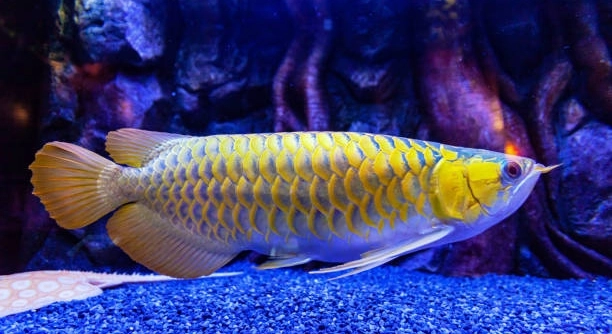
Many fish keepers notice their arowana slipping into constant hiding, leaving them unsure about what is happening. This introduction aims to ease concerns while offering clear insight into why this behavior becomes so frequent today.
Repeated arowana hiding commonly arises from environmental stressors, improper tank conditions, inadequate space, sudden disturbances, health issues, or aggressive tank mates. These factors can disrupt natural behavior, leading the fish to seek concealment as a protective response to perceived threats.
Learning the reasons behind this behavior can guide you toward better care choices that support a healthier and confident arowana.
Stress From Tank Conditions
Many arowanas hide when their tank environment creates steady stress that makes them uneasy each day. Bright lights, unstable water parameters, and sudden changes in their surroundings can quickly affect their comfort. These fish depend on calm conditions to stay relaxed, so even minor shifts can influence their behavior. When the tank is too small, they lose the freedom to move smoothly, which adds to their tension and pushes them to seek quiet corners. Loud sounds around the tank or frequent activity nearby can also unsettle them, especially when they have not adapted well. With steady support, gentle adjustments can gradually restore stability and trust.
When you keep the tank quiet, balanced, and spacious, your arowana starts to feel more secure. Small improvements can ease tension and help it leave hiding. Careful attention makes a real difference in how confidently it moves through its space each day. This steady support encourages calmer behavior over time.
As your arowana grows more comfortable, you may notice simple changes shaping its confidence. A calm environment lets it explore without hesitation. Stable lighting helps prevent sudden startles, and predictable routines ease tension. Over time, these efforts build a safer space that supports healthier behavior. Each improvement makes hiding less appealing, giving your arowana a chance to settle into its home with ease. Consistent upkeep of the tank, along with gentle movements around the area, encourages smoother habits and brings a sense of safety each day.
Health Related Concerns
Health issues can also trigger repeated hiding, especially when the arowana feels weak or uncomfortable. Subtle symptoms may disrupt its normal behavior, leading it to withdraw more often. Early attention can ease stress and support recovery with steady care and create a safer path toward gradual improvement in its comfort.
When an arowana hides because of health concerns, the signs can appear slowly, making the changes easy to overlook. Issues such as parasitic irritation, digestive trouble, or lingering discomfort from minor injuries often push the fish to retreat. These conditions reduce energy, which leads to longer periods of stillness and increased sensitivity to its surroundings. Arowanas rely heavily on their strength and stability, so even small health problems can influence how they choose to move. Careful observation helps you notice patterns that point to trouble, allowing you to react at the right time without causing additional strain. Supportive feeding practices, clean filtration, and low stress handling help it regain strength without creating extra pressure. As its condition improves, hiding gradually decreases, allowing natural behavior to surface and giving the arowana a way to feel at ease again.
Aggressive Tank Mates
Aggressive tank mates often push an arowana to hide more than usual. Constant chasing, nipping, or territorial displays create steady tension. When the arowana feels cornered, it retreats to the safest spot it can find, hoping to avoid further stress.
When different species share limited space, conflicts can rise without much warning. An arowana reacts strongly to intimidation, especially when it cannot move freely or claim peaceful areas of the tank. Smaller but persistent fish may nip at its fins, while larger or territorial fish may block access to food or open swimming zones. These daily pressures build up and shape the way your arowana behaves. Creating a calmer setup with compatible tank mates reduces these issues and helps your arowana spend more time in open areas where it feels safe.
Close observation can help you notice subtle signs of social stress. Fast darting movements, tightened fins, and sudden retreats often reveal tension long before injuries appear. Separating incompatible fish, improving tank layout, or giving each species enough space can ease pressure. With a more peaceful environment, your arowana can settle into steadier patterns and regain confidence in its tank.
Sudden Environmental Changes
Sudden changes in the environment can quickly influence how an arowana behaves. Loud noises, rapid temperature shifts, or unexpected movements around the tank may lead it to hide until it feels safe again. This behavior becomes stronger when disruptions happen repeatedly or without warning.
Frequent activity near the tank often unsettles an arowana, especially if it is already anxious or adapting to a new home. Quick changes in lighting, moving decorations, or inconsistent maintenance can add to the stress. These fish depend on slow and predictable adjustments to stay calm in their surroundings. When things shift too quickly, their natural response is to retreat and wait for stability to return. Keeping routines steady and making changes gently encourages a smoother adjustment. Over time, these thoughtful habits lessen the need for hiding and help your arowana feel more secure in its environment.
Inadequate Hiding Spots
Insufficient hiding spots can make an arowana feel exposed, leading it to seek cover wherever it can. When the tank lacks shaded areas or natural structures, the fish becomes uneasy and may hide more often to feel secure.
Adding simple decorations, tall plants, or gentle overhead cover can ease this tension. Arowanas respond well to spaces that soften bright light and reduce open exposure, helping them relax during moments of uncertainty.
Overhandling or Frequent Disturbances
Too much handling or constant disturbances often causes stress that lingers. Repeated tapping, frequent netting, or unnecessary movement around the tank can overwhelm an arowana, making it withdraw for long periods. Reducing these actions supports a calmer environment and steadier behavior throughout the day.
Poor Water Quality
Poor water quality quickly affects an arowana’s comfort, especially when ammonia, nitrite, or waste levels rise. These changes irritate the fish, reduce its energy, and push it to hide more often until conditions improve. Regular maintenance helps prevent these issues and keeps your arowana more active.
FAQ
Why does my arowana suddenly start hiding even when nothing seems wrong?
Sudden hiding often develops from subtle stress that builds over time. Even if nothing obvious has changed, small shifts in light, noise, or movement around the tank can influence its comfort. Arowanas react strongly to anything that disrupts their sense of stability. Sometimes the cause is minor, like a nearby door closing too often or someone walking close to the tank more than usual. These small disturbances may seem harmless, but they can still push your arowana to retreat until it feels settled again.
Can an arowana hide because of stress from cleaning or tank maintenance?
Yes, frequent or rough maintenance can cause temporary stress that leads to hiding. Arowanas prefer slow, predictable adjustments, so sudden movements during cleaning can startle them. If decorations are moved quickly or equipment is shifted without care, the fish may feel overwhelmed. Keeping maintenance gentle and steady helps prevent this reaction.
Is it normal for a newly bought arowana to hide for several days?
Yes, many new arowanas hide while adjusting to their new surroundings. Moving from one environment to another challenges their sense of safety, so retreating is a natural reaction. Once the water parameters stabilize, activity becomes predictable, and the tank feels familiar, the hiding usually decreases. Patience and calm surroundings support a smoother transition.
Can hiding be linked to poor tank mates even if there is no visible aggression?
Yes, an arowana may feel intimidated by certain tank mates without any direct attacks happening. Some fish create stress simply by being active, territorial, or too persistent in shared spaces. This quiet tension can push an arowana to hide, especially in smaller tanks where there is not enough room to avoid others. Watching interactions closely helps reveal these patterns.
Does feeding stress cause an arowana to hide afterward?
Stress during feeding can lead to hiding, especially if the fish feels rushed or threatened. Competition from other fish or sudden movements near the tank during meal times can make feeding stressful. Arowanas often retreat afterward to calm themselves. A peaceful feeding routine helps them feel more secure and reduces this type of hiding.
Can hiding be connected to water flow that is too strong?
Yes, strong water flow can overwhelm an arowana and limit its comfort while swimming. These fish prefer steady but moderate movement in the tank. When the current becomes too powerful, they may withdraw to a quiet corner where the flow is weaker. Adjusting the filter output often helps relieve this stress.
Should I be concerned if my arowana hides after I add new decorations to the tank?
It is common for an arowana to hide after new decorations are added. Changes in layout can feel unfamiliar or risky at first. Even harmless items can trigger caution. Allowing the fish time to adjust and keeping the area calm usually helps it explore again gradually.
How long is it normal for an arowana to stay hidden when stressed?
The duration varies depending on what caused the stress. Some arowanas recover within hours, while others need several days to settle. If the hiding continues without improvement or the fish shows signs of illness, further attention may be needed. Consistent routines and stable conditions help shorten the recovery time.
Can shifting the tank to a different room cause arowana hiding?
Yes, moving the tank exposes the fish to new sounds, lighting, and movements that feel unfamiliar. Even if the water conditions stay the same, the surrounding environment can feel different enough to trigger hiding. Over time, the arowana becomes more comfortable as the new setting becomes predictable.
Is hiding related to feeding frequency or diet changes?
Changes in diet or feeding frequency can influence behavior. If the fish feels unsatisfied, overfed, or unsure about new foods, it may withdraw after eating. A consistent feeding schedule with suitable food choices supports balanced behavior and reduces the need for hiding.
Can hiding be a sign of aging in arowanas?
Older arowanas sometimes become less active and spend more time resting. While this can be normal, it is important to watch for other signs of discomfort. Aging fish may require gentler care and a calmer environment. Maintaining stable water conditions helps them stay comfortable.
Is it normal for an arowana to hide more during certain times of the day?
Yes, some arowanas hide during busy hours or when household activity increases. They often feel safer when the environment is quieter. Over time, predictable patterns help them adjust. Offering shaded areas or calmer surroundings encourages steadier behavior throughout the day.
Final Thoughts
Caring for an arowana becomes easier when you understand the small details that shape its behavior. Hiding may seem confusing at first, especially when it happens repeatedly or without a clear cause. Once you learn how sensitive these fish are to their surroundings, the behavior feels less mysterious. Many of their reactions come from natural instincts that guide them toward safety whenever something feels uncertain. With steady attention, you start to see patterns that make sense. Each change in lighting, water quality, noise, or tank movement influences how your arowana decides to behave. These shifts may be simple, but they matter. Over time, you become more aware of what helps the fish feel secure and what encourages it to stay hidden. That awareness builds confidence, both for you and for your arowana, as daily care becomes more predictable and gentle.
As your understanding grows, you begin to approach tank management with more clarity. Small adjustments often lead to meaningful improvements, especially when you focus on stability. Arowanas thrive when routines stay consistent and when changes happen slowly. They respond to calm surroundings, balanced parameters, and thoughtful handling. When you keep those needs in mind, the fish begins to settle into its environment with more confidence. You may notice fewer sudden retreats and more relaxed swimming patterns. These shifts often happen gradually, and each improvement adds to a sense of steadiness that supports healthier behavior. Taking the time to watch your arowana, even briefly each day, helps you spot early signs of stress or discomfort. This awareness gives you the chance to respond before the behavior becomes more intense. With gentle care, your arowana learns to trust its environment, making hiding less necessary as it becomes more at ease.
What matters most is maintaining a supportive environment where your arowana can feel safe each day. While hiding is a natural response, it becomes less frequent when the tank remains calm and balanced. Your patience plays a large role in this process, especially when you allow the fish time to adjust after any change. Keeping maintenance steady, feeding routines predictable, and surroundings peaceful helps create a foundation your arowana can rely on. Over time, these simple efforts make the tank feel like a secure space where the fish can move freely without hesitation. By staying observant and making thoughtful choices, you help your arowana grow more confident. This steady support encourages healthier habits and gives your arowana a comfortable place to thrive without fear.

Hello,
If you enjoy the content that we create, please consider saying a "Thank You!" by leaving a tip.
Every little bit helps us continue crafting quality advice that supports the health, happiness, and well-being of pets around the world, for pets of all shapes, sizes, and species.
We really appreciate the kindness and support that you show us!