
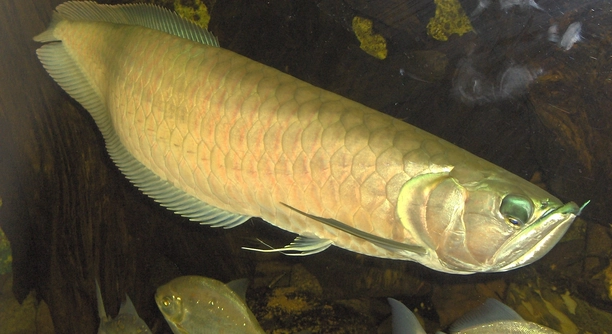
Caring for an arowana involves understanding the best feeding routine that supports steady growth and balanced behavior, and a clear schedule helps maintain an environment that suits this fish’s natural habits in a home aquarium.
The ideal times to feed your arowana center on early morning, late afternoon and evening periods, allowing the fish’s metabolism to function efficiently while promoting consistent digestion and stable activity patterns. Timing supports nutrient absorption and minimizes stress in habitat.
These feeding periods guide your arowana’s rhythm and help you maintain daily routines that support consistent growth and overall wellness.
Understanding Feeding Behavior
Arowanas rely on predictable patterns to feel secure, and understanding these patterns makes feeding them far easier to manage. I like focusing on how their behavior shifts throughout the day, because it helps create a routine that feels natural for the fish and simple for me. Early activity often shows when they are most responsive, while calm periods give hints about when they need time to settle before the next feeding. Observing these details allows you to support steady growth without overwhelming them with too much food at once. Their alert movements near the surface can signal readiness to eat, and their slower motions often mean they have had enough. With gentle attention, you can match their rhythm and create a balanced feeding routine that fits your daily life. This approach keeps your arowana healthy while reducing any stress linked to inconsistent timing. This supports calm behavior overall each day.
Feeding becomes easier when you pay attention to small signals your arowana shows during active and calm periods. These cues help you decide when to offer food and how much to give, making the routine more predictable and reducing stress for both you and your fish in a steady way for you.
Recognizing your arowana’s habits takes a bit of observation, yet it becomes second nature once you understand their rhythm. I find that small details like posture, movement speed and time of day play important roles in shaping a reliable schedule. It helps ensure the fish receives enough nutrition while avoiding unnecessary leftovers that may cloud the water. With steady monitoring, you can respond to subtle changes and adjust feeding times as needed. This approach supports healthy digestion and keeps your arowana more relaxed, creating a routine that works well for both the fish and your daily responsibilities each passing day.
Establishing a Consistent Schedule
Keeping a consistent feeding schedule helps your arowana feel secure and supports steady behavior. When the timing stays predictable, the fish responds better to each meal and digests food more efficiently, making care easier for you and healthier for your aquarium in a way that feels balanced daily for you.
A consistent feeding schedule builds stability in your aquarium and supports your arowana’s physical and behavioral needs. I like focusing on timing because it helps prevent overfeeding and creates an easy rhythm that benefits both the fish and the daily routine around the tank. Early feedings often match their natural alertness, while later feedings help maintain steady energy throughout the evening. Offering food at the same times reduces confusion and keeps their digestive cycle functioning smoothly. It also helps you monitor how much they eat, making it easier to notice any changes that might signal stress or discomfort. Keeping the schedule steady allows your arowana to anticipate meals without anxiety, supporting calm movements and balanced activity. When you maintain this pattern, you create a predictable environment that strengthens the fish’s overall health. The structure also helps you stay organized, ensuring you never miss a feeding or give too much at once. With thoughtful consistency, your arowana settles into a comfortable routine, and caring for them becomes simpler each day. Regular timing also supports cleaner water since you can control portions more accurately, reducing leftover food that might decay and affect filtration, allowing your aquarium to remain clearer and more stable.
Identifying Natural Feeding Peaks
Arowanas tend to show stronger feeding responses during stable lighting periods and calm surroundings, and noticing these moments helps you decide when to offer food. I stay attentive to small shifts in movement because they often reveal when the fish feels ready to eat without hesitation.
Arowanas commonly respond well during early morning and late afternoon, when their energy rises in a steady way. I pay attention to surface activity and slow gliding motions, since these details help determine whether they are prepared for another feeding. Matching your routine to these natural peaks supports efficient digestion and prevents unnecessary stress. It also helps you avoid feeding during low-energy times that may lead to leftover food in the tank. When you time feedings around these active windows, the fish becomes more consistent and calmer, and the aquarium stays cleaner with fewer uneaten pieces drifting around the water.
Watching how your arowana behaves throughout the day gives you a clear sense of when they show real interest in food. I notice that steady patterns emerge once the tank lighting stays consistent and the environment remains quiet. These periods reduce distractions, allowing the fish to focus on eating properly. When your feeding schedule respects these natural rhythms, meals become smoother and easier to manage. It also becomes simpler to adjust portion sizes, since you can judge their appetite more accurately. This approach lowers the chance of overfeeding, improves digestion and helps you maintain better control of the aquarium environment each day.
Adjusting Feeding Times for Growth Stages
Arowanas require different feeding times as they grow, and adjusting the schedule helps meet their changing needs. I pay attention to shifts in appetite and activity because these signs show when the fish may require earlier or later feedings to stay comfortable and healthy.
Young arowanas usually need smaller, more frequent meals spaced through the day, while older fish benefit from fewer yet more focused feedings. I find it helpful to observe how quickly they finish their food and how active they remain afterward. This helps determine whether the schedule needs small adjustments. As your arowana matures, feeding patterns shift toward slower, more deliberate behavior, making it important to avoid offering food too early or too late. Maintaining the right timetable supports proper digestion, prevents stress and helps you monitor any changes in appetite that might indicate discomfort. Consistent adjustments based on growth ensure your arowana stays balanced, making daily care smoother and easier to maintain in a steady rhythm.
Monitoring Appetite Changes
Arowanas show appetite changes when their environment or feeding schedule shifts, and I pay close attention to these signs to keep their routine steady. Slow movements near the surface or delayed reactions to food often signal a need to adjust timing or portion sizes for smoother feeding.
Small fluctuations in appetite can appear when lighting changes or the room becomes noisier than usual. I stay aware of these moments because they help me decide whether to offer food later or keep meals lighter. This keeps digestion comfortable and maintains a calmer atmosphere in the aquarium each day.
Preventing Overfeeding Through Timing
Spacing meals properly helps avoid overfeeding and supports stable digestion. I focus on timing because it reduces leftover food and makes it easier to monitor how much my arowana actually needs. When meals happen at predictable intervals, the fish remains more focused and responds more consistently. This also supports cleaner water by preventing excess waste, which helps protect the tank’s balance. Careful timing lets you maintain clarity in the aquarium, reduces stress for the fish and keeps you aware of any early changes in behavior. With steady observation, preventing overfeeding becomes straightforward and manageable.
Matching Feeding Times to Activity Levels
Aligning feeding times with active periods helps the fish eat comfortably and digest food more efficiently. I watch for increased movement or surface activity because these signals show when the fish is most ready to eat without hesitation or stress.
FAQ
How often should I feed my arowana each day?
Feeding frequency depends on age and size. Young arowanas benefit from two to three small meals per day, which supports rapid growth and energy needs. Adult arowanas usually do well with one or two feedings daily, allowing their digestive system to process food properly and maintain health. I find that observing how quickly they finish food helps determine if the portions are appropriate, reducing waste and preventing overfeeding. Keeping a consistent schedule ensures the fish stays active and avoids periods of excessive hunger or lethargy.
What types of food are best for arowanas?
Arowanas thrive on a varied diet that includes live, frozen, and prepared foods. I rotate options like small fish, shrimp, and pellets to provide balanced nutrition. Live foods stimulate natural hunting behavior, while pellets supply essential vitamins and minerals. Over time, the fish become more adaptable to different types of food, and this reduces dependency on a single source. I also monitor how they respond to each type, adjusting portions based on appetite and digestion. Feeding a balanced mix ensures healthy growth, strong immune function, and more consistent energy levels throughout the day.
Can I feed my arowana at irregular times?
Irregular feeding can disrupt their natural rhythm and increase stress. I stick to predictable times because the fish become familiar with the routine and are more likely to eat efficiently. Irregular schedules can also lead to overfeeding or underfeeding, creating issues with digestion and water quality. By maintaining consistent timing, I ensure that meals are fully consumed, reducing waste and keeping the tank cleaner. Over weeks, a steady schedule also helps the fish remain calm and active, making their overall care easier to manage.
What signs indicate my arowana is hungry?
Hunger signs include active swimming near the surface, alert posture, and focused attention on food. I watch for these behaviors before offering meals because they show readiness to eat. Slow or uninterested movements often suggest the fish is already full or stressed. Observing appetite patterns also helps determine appropriate portion sizes, preventing overfeeding and supporting healthy digestion. Recognizing these cues early allows me to adjust feeding routines to match the fish’s energy needs and maintain a steady, predictable care routine.
Is it okay to feed arowanas at night?
Feeding at night is generally less effective because arowanas are more active during daylight or stable light periods. I prefer feeding during early morning or late afternoon when activity levels are higher. Night feedings may disrupt sleep-like rest periods and lead to leftover food, which can affect water quality. Sticking to active periods improves food consumption, reduces stress, and supports steady digestion.
How do I prevent overfeeding?
Portion control is essential. I feed only what my arowana can consume in a few minutes, observing each meal carefully. Splitting daily food into multiple smaller portions works well, especially for younger fish. Overfeeding leads to uneaten food that decomposes and reduces water quality. Consistent timing also prevents excessive appetite spikes. I adjust portions based on appetite and growth, which ensures the fish remains healthy and the tank stays clean.
Can feeding frequency change as my arowana grows?
Yes, feeding needs shift with growth. Juvenile arowanas require more frequent meals, while adults thrive on fewer, larger portions. I monitor growth and activity, gradually adapting the schedule. This prevents digestive issues and supports consistent development. Adjusting meals over time ensures the fish remains energetic, reduces food waste, and makes daily care easier.
Are frozen or prepared foods enough?
Frozen and prepared foods can meet nutritional needs if they are varied and high quality. I use these alongside occasional live foods to maintain interest and proper nutrition. Sole reliance on one type may limit essential nutrients or reduce natural hunting behaviors. Rotating food types ensures a balanced diet, supports immunity, and encourages healthy activity.
How do environmental factors affect feeding?
Temperature, lighting, and tank conditions influence appetite. I make sure water is within the recommended range and lighting is consistent to support natural feeding patterns. Sudden changes may reduce interest in food or increase stress. Maintaining stable conditions helps the arowana eat efficiently, digest food properly, and stay calm, supporting both health and growth.
What should I do if my arowana refuses food?
Refusal may indicate stress, illness, or environmental changes. I check water parameters, temperature, and lighting, and remove distractions. Offering a variety of food types often encourages eating. Monitoring closely ensures issues are addressed early, preventing health problems. Gradual reintroduction of meals at consistent times supports recovery and restores appetite.
Can feeding times affect behavior?
Yes, predictable feedings reduce stress and encourage active swimming during meals. I notice calmer behavior when meals occur at consistent times. Irregular feeding may cause restlessness or aggression. Maintaining a steady schedule ensures better interaction with the fish, supports digestion, and promotes a balanced and calm aquarium environment overall.
How long should feeding sessions last?
Feeding should be brief, usually a few minutes, to prevent uneaten food. I observe consumption carefully and remove leftovers promptly. Short sessions ensure portions are appropriate, support proper digestion, and reduce water contamination. This approach helps maintain consistent appetite cues and prevents overfeeding over time.
Is it necessary to feed on weekends or holidays?
Consistency is more important than the day itself. I keep the routine even on weekends or holidays, ensuring the fish receive meals at expected times. Skipping meals occasionally is acceptable for adults, but maintaining the schedule supports health, prevents stress, and helps the fish stay accustomed to predictable feeding times.
How do I adjust feeding in colder or warmer months?
Arowanas’ metabolism slows in cooler water and speeds up in warmer water. I reduce portions slightly in cooler months and monitor activity carefully. In warmer months, I may feed slightly more if appetite increases. Adjustments ensure proper digestion, prevent overeating or underfeeding, and maintain consistent health throughout seasonal changes.
Can feeding too early or late cause problems?
Yes, feeding outside natural active periods can stress the fish and lead to poor digestion. I feed during periods of high activity for best results. Early or late feedings may leave uneaten food and disturb tank stability. Timing meals with natural rhythms supports consistent energy, calm behavior, and overall well-being.
How should I monitor food intake?
I watch how much my arowana consumes during each meal. Tracking consumption helps identify changes in appetite, detect illness early, and adjust portions. Observing closely prevents overfeeding, reduces waste, and ensures nutrition is balanced. Consistent monitoring makes care easier and supports long-term health.
What is the best way to rotate foods?
I alternate between pellets, frozen, and occasional live foods across the week. Rotation prevents boredom, provides varied nutrients, and encourages natural hunting behaviors. Planning a schedule for each type ensures balance and prevents over-reliance on one source. This approach supports growth, immunity, and sustained energy throughout the day.
How can I tell if the feeding schedule is working?
Signs include consistent appetite, calm behavior, proper growth, and minimal leftover food. I track these indicators over time to confirm the routine is effective. Steady patterns in activity and digestion show the schedule supports health and reduces stress, making daily care predictable and manageable.
Final Thoughts
Feeding an arowana properly requires attention, patience, and a consistent approach. Over time, I have learned that observing the fish’s behavior is just as important as knowing the right times to offer food. Early morning and late afternoon tend to be the periods when they are most active, alert, and ready to eat. Matching feeding times to these natural rhythms helps the fish digest food more efficiently and reduces leftover waste in the aquarium. It also supports calmer behavior, as the fish can anticipate meals and move through the day without unnecessary stress. Consistency in timing and portion size allows the fish to thrive, making their overall care much easier to manage. By paying attention to these small details, I can maintain a healthy and balanced environment that supports both the arowana’s growth and the clarity of the tank water.
Portion control plays a central role in maintaining an arowana’s health. Feeding too much at once can lead to water contamination, poor digestion, and stress. I find it useful to provide meals in amounts that the fish can consume within a few minutes, adjusting the quantity as they grow. Young arowanas require smaller, more frequent meals, while adults are better suited to one or two larger feedings per day. I also rotate types of food, including pellets, frozen items, and occasional live prey, to ensure they receive all essential nutrients. This approach promotes proper growth, strong immune function, and balanced activity levels. Observing how much the fish eats and how quickly it finishes its meals allows me to make small adjustments over time, keeping the feeding routine effective without overwhelming the aquarium ecosystem. Careful portioning also prevents the fish from becoming lethargic or stressed, supporting their overall energy and engagement throughout the day.
Finally, a predictable feeding schedule creates stability for both the fish and the keeper. Maintaining the same times each day allows the arowana to develop a natural rhythm, improving appetite, digestion, and behavior. I have found that minor adjustments can be made when necessary, such as accounting for seasonal changes or variations in water temperature, but the core routine remains consistent. Keeping an eye on appetite cues, activity patterns, and growth ensures that the feeding schedule meets the fish’s changing needs. With patience and observation, feeding becomes a structured part of the day rather than a challenge. Establishing this steady routine helps maintain tank health, reduces stress, and encourages the arowana to remain active and strong. A well-managed feeding plan not only supports long-term growth but also enhances the overall harmony of the aquarium, making care simpler, more predictable, and rewarding over time.

Hello,
If you enjoy the content that we create, please consider saying a "Thank You!" by leaving a tip.
Every little bit helps us continue crafting quality advice that supports the health, happiness, and well-being of pets around the world, for pets of all shapes, sizes, and species.
We really appreciate the kindness and support that you show us!