
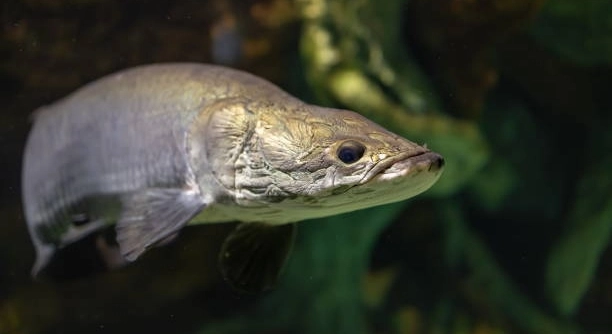
Many aquarium keepers notice their arowana gliding in slow spirals, a movement that feels both graceful and puzzling. This gentle pattern often prompts interest, leading to a closer look at what shapes the fish’s behavior.
Arowana swim in spirals primarily due to environmental factors that influence orientation and balance. These movements can reflect water flow, spatial awareness, or mild stress. Understanding these causes helps identify conditions that support stability and reduce behaviors connected to discomfort.
Understanding these influences offers a view of your arowana’s needs, guiding you to choices that maintain comfort and encourage movement.
Why Arowana Exhibit Spiral Movement
Spiral swimming often appears when something in the arowana’s environment affects its sense of comfort or stability. I have seen this behavior emerge when lighting shifts, when tank layouts change, or when water conditions fall slightly outside the ideal range. These details may seem small, yet sensitive fish respond noticeably. Arowana rely heavily on spatial awareness and steady flow patterns, so any disruption can influence how they move across the tank. Many keepers discover that even subtle changes such as rearranged decorations or inconsistent filtration can affect orientation. By observing these signs early, you can take simple steps that bring the fish back to a calm, steady pattern. This helps reduce stress and guides your arowana toward smoother movement as the tank returns to a stable rhythm. Careful attention to these elements supports healthier behavior and prevents repeated spiraling that might signal ongoing discomfort within the daily routine of care.
Small disruptions can influence arowana movement quickly, so keeping conditions steady helps limit spiraling behavior. Adjusting filtration, lighting, and decoration placement allows your fish to regain balance while easing stress that builds when the tank shifts away from familiar patterns that support a more consistent and comfortable swimming response overall.
Arowana often respond strongly to the structure of their surroundings, so making thoughtful adjustments can help reduce spiraling. Start by reviewing water quality, since shifts in temperature, pH, or clarity may affect balance. Many keepers find that improving water flow patterns helps the fish orient more easily. Light intensity also plays a role, because sudden brightness changes can disrupt movement. When rearranging the tank, aim for clear paths that prevent confusion as the fish navigates the space. Monitoring the response over several days can show whether the changes encourage smoother, more predictable movement that support stable behavior throughout the day.
Common Triggers Behind Spiral Swimming
Certain influences tend to appear more frequently when arowana begin swimming in spirals. Water quality shifts, visual disturbances, and uneven currents often contribute to the pattern. Identifying these factors early allows you to correct issues and support a calmer environment that limits repeated movement linked to disorientation within the tank.
Spiral swimming often reflects how an arowana interacts with subtle changes in its habitat, so understanding these influences helps you create a steadier environment. Water parameters remain one of the most important elements to review. Fluctuations in temperature, pH, or hardness can affect balance, especially in larger, more sensitive specimens. Testing regularly allows you to respond quickly to unwanted changes. Filtration and water movement also play meaningful roles, since an uneven current may push the fish off its natural path. Adjusting flow direction or moderating output can bring noticeable improvement. Lighting sometimes contributes as well, because sudden or excessive brightness can interrupt normal swimming patterns. Gradual transitions help the fish adapt without stress. Visual disturbances matter, too. Reflections on glass panels, movement around the tank, or shifting shadows may confuse orientation. Managing room lighting, reducing glare, and providing dark backgrounds can ease these issues. Tank layout should remain predictable, with open swimming lanes and stable decorations that do not surprise or obstruct the fish. Observing behavior over several days provides insight into whether adjustments create the stability needed for confident movement. Careful, consistent attention ensures a habitat that supports comfortable swimming and reduces unwanted spiraling.
How Tank Conditions Influence Spiral Swimming
Arowana respond quickly to unstable conditions, so even small changes can affect movement. Temperature shifts, uneven flow, or sudden lighting adjustments can interrupt balance. Keeping conditions stable helps the fish maintain smoother patterns that support comfort and reduce spiraling linked to disrupted orientation.
Maintaining consistent water quality is one of the most effective ways to limit spiral swimming. When temperature, pH, or hardness drifts, the arowana adapts by altering movement, which can lead to spiraling. I find that regular testing and slow adjustments help prevent reactions that appear when changes happen too quickly. Stable filtration and predictable lighting also reduce disorientation by offering a steady environment that supports natural swimming. Reviewing these elements weekly creates a balanced space that encourages calmer behavior.
Tank structure also affects how confidently an arowana moves. Decorations that shift or block open space can cause the fish to reposition itself repeatedly, sometimes resulting in spiraling. Clear swimming lanes help guide movement and reduce confusion. Avoid clutter and keep decor sturdy so nothing shifts unexpectedly. When adjusting the layout, give the fish time to adapt. Watching the response over several days helps you see whether the new structure supports smoother movement and less frequent spiraling as the tank becomes familiar again.
Behavioral Factors Connected to Spiral Movement
Behavioral patterns often appear when the arowana tries to adjust to stimuli in its surroundings. Sudden noise, frequent activity near the tank, or reflections can interrupt the fish’s sense of stability. Keeping the space calm and limiting visual disturbances helps the fish remain steady without reacting through spiraling.
Arowana behavior often shifts when stress builds, and spiraling can be part of this response. Reflections on the glass may confuse the fish, especially if it mistakes the image for another presence. Covering one side of the tank or adjusting room lighting can reduce this effect. Activity around the aquarium matters as well, since sudden movement may trigger reactive swimming. Offering a quiet environment helps prevent unnecessary tension. Consistent feeding routines also play a role, because irregular schedules may create anticipation that influences movement patterns. Observing behavior throughout the day helps identify which elements trigger spiraling, allowing you to adjust the surroundings in ways that support calm, stable behavior.
Health Issues That May Encourage Spiral Swimming
Some health concerns can influence movement, especially when they affect balance or coordination. Swim bladder irritation, internal stress, or early signs of infection may cause the arowana to swim in slow spirals. Observing appetite, posture, and overall activity helps reveal whether health factors are involved.
When health problems arise, the arowana often changes behavior before more visible symptoms appear. Slight tilting, reduced energy, or inconsistent movement can point toward discomfort. Addressing water quality, adjusting diet, and monitoring the fish daily helps catch issues early and prevents spiraling connected to underlying health stress.
Environmental Disruptions That Affect Movement
Environmental disruptions can quickly shift how an arowana behaves, especially when they interfere with its ability to navigate the tank. Loud sounds, sudden vibrations, moving furniture, or new objects near the aquarium may interrupt stability. Reducing disturbances helps the fish stay calm and maintain smoother, more predictable swimming patterns.
When Spiraling Becomes a Habit
Long term spiraling sometimes develops when the arowana adapts to ongoing stressors or repeated disturbances. Identifying the specific trigger and correcting it helps break the cycle. Once stability returns, the fish usually settles into a more natural, steady swimming pattern that reflects comfort.
FAQ
Why does my arowana start swimming in spirals after water changes?
This often happens when water parameters shift too quickly. Arowana respond strongly to sudden changes in temperature, pH, or overall stability. Even small differences can affect balance. I find that warming new water to match the tank and adjusting parameters slowly helps prevent spiraling. Pouring water gently instead of creating strong disturbance also makes the transition smoother. When the fish feels stable, movement returns to normal within a short time. Consistency matters, so keeping all changes gradual reduces the chances of spiraling after routine maintenance.
Can lighting changes cause spiral swimming?
Arowana can become disoriented when lighting shifts suddenly, especially if the tank goes from bright to dim or the opposite. Their eyes are sensitive, and rapid changes can interrupt how they navigate the space. Gradual lighting transitions help ease this. Using a timer or dimming feature keeps the environment steady. If the room has windows, adjusting curtains to limit harsh sunlight also helps. Once the lighting becomes predictable, the fish settles back into calm swimming without the erratic spiraling that appears during abrupt changes.
Is spiraling ever a sign of serious illness?
Some illnesses can influence swimming patterns, especially those involving the swim bladder or internal imbalance. If spiraling comes with poor appetite, labored breathing, or floating struggles, it may indicate a health issue. I recommend checking water quality first, since poor conditions often create stress that mimics illness. If water parameters are stable, reviewing diet, monitoring behavior, and observing posture can help determine whether something deeper is affecting the fish. In serious cases, professional guidance may be needed, but many situations improve once the habitat becomes stable and supportive again.
Can reflections on the glass cause the spiraling behavior?
Yes, reflections can confuse an arowana, especially in brightly lit rooms. The fish may see its own shape and interpret it as another presence, which creates reactive swimming. Spiraling sometimes appears when the fish tries to reposition itself to understand what it sees. Darkening the background, adjusting room lighting, or adding a background film helps reduce reflections. Once the environment feels less confusing, the fish usually stops responding with spirals and returns to a calm, steady pattern.
How can tank layout changes trigger spiral movement?
Arowana rely on predictable swimming space. When decorations shift or new objects enter the tank, the fish may attempt to reorient itself by circling or spiraling. This behavior often appears when the layout becomes cluttered or when open lanes narrow. Keeping the tank simple, with stable decorations and wide swimming paths, prevents this. After rearranging anything, giving the fish time to adjust helps it feel secure again. Over a few days, the spiraling usually fades as the fish grows accustomed to the new environment.
Does stress from external activity cause spiraling?
External stress plays a bigger role than many people realize. Loud sounds, sudden movement near the tank, or vibrations from nearby equipment can unsettle the fish. When startled repeatedly, an arowana may spiral as it tries to regain awareness and control. Placing the tank in a quiet, low traffic area helps reduce this response. Softening room noise, avoiding sudden gestures near the glass, and keeping the space calm supports steadier behavior. Once the environment feels peaceful, spiraling linked to stress often lessens noticeably.
Can feeding habits influence this behavior?
Irregular feeding schedules or sudden diet changes can create agitation that affects swimming patterns. Arowana thrive on consistency, so unpredictable feeding may cause restless movement, including spiraling. Offering meals at the same times each day and avoiding drastic diet shifts helps maintain stability. High quality food also supports better health, which in turn improves balance. If the fish expects food but does not receive it, spiraling may increase temporarily. A steady routine prevents this and keeps behavior more predictable.
How long does it take for spiraling to stop after making adjustments?
The timeframe varies depending on the cause. If the behavior comes from environmental disruptions, improvement can appear within hours. If the issue relates to layout changes or stress, it may take several days. Health related spiraling may take longer. I find that steady conditions, minimal disturbances, and consistent care lead to faster results. Watching the fish over the next few days helps you understand whether adjustments are working. With patience and balanced conditions, spiraling usually decreases as the fish regains confidence and stability.
Final Thoughts
Caring for an arowana becomes easier when you understand how sensitive this fish is to small changes in its surroundings. Spiral swimming may look graceful at first, but it often reveals something important about how the fish feels inside its habitat. I have noticed that arowana rely on steady patterns, gentle flow, and predictable routines to stay comfortable. When those pieces shift, even slightly, their behavior shifts with it. Watching these signs closely helps you respond before the fish becomes overly stressed. Every adjustment you make tells your arowana that its space is safe, calm, and familiar. This creates an environment where the fish can move smoothly without reacting to distractions or discomfort. Over time, these habits become part of your regular care, and they help the arowana settle into a rhythm that supports steady, confident swimming.
Understanding spiral swimming is not only about identifying the cause, but also about noticing how each change affects the fish as the days pass. Arowana respond strongly to the balance of their environment, so giving them structure helps prevent repeated spiraling. Stable water quality, gentle lighting, and a quiet room can make a noticeable difference. Each element works together to support orientation and reduce behaviors linked to confusion or stress. When these conditions remain predictable, the fish learns to trust its habitat again. This trust shows in the way it glides across the tank with calm, even movements. I find that patient observation helps reveal what the fish needs most. Some days, it may require improved lighting transitions, while other times, the layout or flow pattern might need a small adjustment. By staying attentive, you build a space where the fish can thrive without struggling to regain balance.
Reflecting on these behaviors also reminds you how much your presence influences the tank. Moving slowly around the aquarium, handling maintenance gently, and keeping noise low all contribute to a more peaceful environment. The arowana reacts to stability, and every steady moment supports its comfort. When spiral swimming fades, it shows that your efforts are working. These small victories remind you that caring for an arowana is not only about maintaining equipment or feeding schedules, but also about creating a space where the fish feels safe enough to move with ease. Over time, this connection grows as you learn to read its signals. By staying consistent and aware, you give your arowana the conditions it needs to show its natural elegance without the interruptions that spiraling brings. This balance means the fish can continue to grow and flourish, and you can feel confident knowing the environment you created supports its long term well being.

Hello,
If you enjoy the content that we create, please consider saying a "Thank You!" by leaving a tip.
Every little bit helps us continue crafting quality advice that supports the health, happiness, and well-being of pets around the world, for pets of all shapes, sizes, and species.
We really appreciate the kindness and support that you show us!