
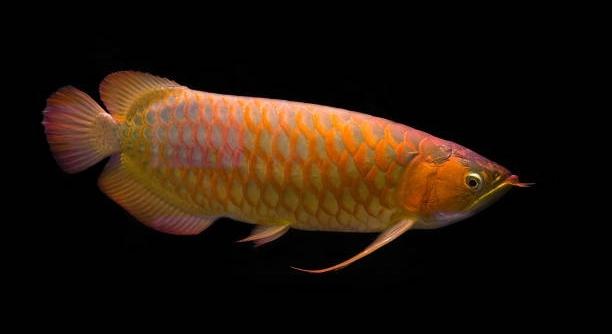
Are you looking to boost the vibrancy and vitality of your arowana through diet? Feeding the right foods can significantly influence their energy, color, and overall health, making them more lively and active in their environment.
Certain food items, such as high-protein fish, shrimp, insects, and nutrient-rich pellets, are scientifically linked to enhanced arowana energy levels. Regularly incorporating these items into their diet supports metabolism, stamina, and optimal physiological performance.
Understanding the impact of these foods can help you maintain a thriving and energetic arowana. These dietary choices ensure your fish displays its full potential naturally.
High-Protein Fish
High-protein fish like tilapia, salmon, and small feeder fish are excellent for boosting arowana energy. These fish provide essential amino acids that support muscle development, immune function, and overall vitality. Feeding high-protein fish two to three times a week can significantly enhance your arowana’s activity level. I personally noticed that my arowana becomes more alert and swims with more purpose after a consistent feeding schedule. Protein-rich diets are particularly important for growing arowanas, as they help in maintaining strong bones and scales while keeping their movements sharp. Frozen or fresh fish can both be used, but make sure the fish is free from chemicals or preservatives. Overfeeding should be avoided to prevent water quality issues, which can impact health and energy. Incorporating variety in protein sources ensures a balanced diet and prevents nutritional deficiencies. Observing your fish’s behavior after feeding helps you adjust portions and types of fish to suit their energy needs.
Providing high-protein fish regularly maintains strength and vitality, supporting natural activity patterns while promoting healthy growth.
Consistency in feeding high-protein fish creates noticeable changes in swimming behavior and stamina. Over time, your arowana will appear more vibrant and responsive.
Shrimp and Insects
Shrimp and insects are natural, high-energy foods that provide essential nutrients like protein and omega-3 fatty acids.
These foods mimic the arowana’s diet in the wild, offering both physical activity and mental stimulation. Frozen shrimp, crickets, and mealworms are ideal for boosting energy. Feeding small portions regularly helps avoid overfeeding while ensuring your fish receives sufficient nutrition. I often rotate between shrimp and insects to keep my arowana engaged during mealtime. The texture and movement of insects encourage natural hunting behavior, which improves muscle tone and alertness. Additionally, these foods contribute to brighter coloration and stronger scales, enhancing overall health. Proper preparation is key; for example, thawing frozen shrimp and gutting larger insects ensures digestibility and safety. Balancing these foods with pellets or other protein sources maintains a varied diet, which is crucial for long-term vitality. Observing your fish’s reaction to each type of shrimp or insect helps determine preferences and optimal feeding amounts.
Regularly offering shrimp and insects increases physical activity, stimulating both body and mind naturally.
A balanced rotation of shrimp and insects, combined with other protein sources, ensures your arowana stays energetic, healthy, and visually vibrant. Feeding these foods with care enhances strength, promotes growth, and encourages natural behaviors while preventing nutritional gaps.
Pellets and Commercial Feeds
High-quality pellets provide a balanced combination of proteins, vitamins, and minerals essential for arowana energy. Regular feeding ensures steady growth and stamina while supporting immune health. Choosing pellet brands with natural ingredients improves overall vitality and activity levels in the fish.
I stick to floating pellets that match my arowana’s size to prevent choking and encourage natural hunting behavior. Pellets enriched with vitamins A, C, and D3 help maintain bright coloration and strong scales. Rotating different pellet types prevents nutritional monotony and ensures all dietary needs are met. Observing the fish’s acceptance of pellets can guide portion size and feeding frequency, which is important for both energy and water quality. Avoid over-reliance on one brand, as variety in ingredients promotes balanced nutrition.
Using pellets alongside fresh or frozen protein sources provides a well-rounded diet. This combination keeps energy levels stable and ensures consistent growth, stamina, and overall health.
Vegetables and Plant Matter
Vegetables like spinach, peas, and zucchini supplement protein sources with fiber and vitamins. They support digestion and add variety to the diet.
I usually blanch vegetables before feeding to soften them and improve digestibility. Chopped or mashed vegetables can be mixed with pellets to create nutrient-rich meals. These plant-based foods supply vitamins A, K, and C, which strengthen immunity and enhance coloration. While arowanas are primarily carnivorous, occasional vegetable supplementation prevents nutrient gaps and supports overall vitality. Including small amounts of plant matter encourages natural foraging behaviors, which increases activity levels and mental stimulation. Careful preparation is important to avoid adding contaminants or pesticides, so I make sure all vegetables are thoroughly washed and lightly cooked. Incorporating vegetables also helps maintain proper digestive function, reducing the risk of constipation or bloating.
Balanced inclusion of vegetables enriches diet quality, supports energy metabolism, and contributes to stronger immunity and healthier growth patterns in arowanas over time.
Live Feeder Fish
Live feeder fish stimulate natural hunting instincts and provide high energy. They encourage exercise, improving muscle tone and overall vitality.
I rotate small feeder fish like guppies and minnows, ensuring they are disease-free. Observing the arowana actively chase its food shows noticeable increases in energy and alertness.
Frozen Krill
Frozen krill is rich in protein and essential fatty acids, supporting stamina and coloration. Regular feeding boosts activity and promotes healthy scales. I thaw and rinse krill before serving to maintain water quality. Incorporating krill a few times a week keeps my arowana lively and strong, while also supplementing other protein sources. The natural texture and movement of thawed krill encourage feeding engagement, mimicking hunting behaviors seen in the wild. Over time, I noticed improved swimming patterns and a brighter, more vibrant appearance, showing that krill plays a key role in maintaining energy and overall health.
Fruits
Small amounts of fruits like melon or apple provide vitamins and natural sugars. These help sustain energy and support immunity.
How often should I feed my arowana to maintain high energy levels?
Feeding frequency depends on age and size. Juvenile arowanas require two to three small meals per day to support rapid growth. Adults usually do well with one to two meals daily. I personally split the portions to prevent overfeeding and maintain water quality. Consistent feeding schedules help stabilize energy levels and promote natural activity patterns.
Can arowanas eat only pellets and still stay energetic?
While pellets provide a balanced diet, relying solely on them can limit variety in nutrients and reduce natural stimulation. I combine pellets with protein sources like shrimp, fish, or krill to maintain optimal energy and overall health. Pellets alone may sustain basic nutrition, but incorporating live or frozen foods encourages natural hunting behavior and improves vitality.
Are vegetables really necessary for a primarily carnivorous fish?
Vegetables are not a primary food source but offer fiber, vitamins, and minerals that support digestion and immunity. I include small amounts of spinach, peas, or zucchini occasionally. This ensures that my arowana receives a more complete nutrient profile, preventing minor deficiencies while stimulating varied feeding behavior.
Is it safe to feed live feeder fish regularly?
Live feeder fish are excellent for exercise and energy, but they can carry parasites or diseases. I make sure any live feeders come from trusted sources and are quarantined when possible. Regular inclusion enhances muscle tone and alertness but should be balanced with frozen or pellet options to reduce health risks.
What types of shrimp or insects work best for energy?
Frozen shrimp, mealworms, and crickets are ideal. They provide protein, omega-3 fatty acids, and promote hunting instincts. I rotate between them to avoid monotony and to stimulate mental and physical activity. Proper preparation, like thawing or gutting, ensures safety and digestibility. Feeding small amounts several times a week maintains consistent energy.
Can fruits boost my arowana’s vitality?
Small amounts of fruits such as melon or apple provide natural sugars and vitamins, which support immunity and occasional energy boosts. I only feed fruit in moderation, as excessive sugar can affect digestion. Used sparingly, fruits complement protein-rich foods and help maintain a balanced, stimulating diet.
How do I know if my arowana is getting enough energy from its diet?
Active swimming, bright coloration, and regular feeding interest are good indicators. I monitor behavior after meals and adjust portions or food types if activity seems low. Healthy arowanas maintain stamina throughout the day and respond to feeding cues consistently. Observing these signs ensures proper nutrition and energy management.
Should I mix frozen and live foods for better results?
Combining frozen and live foods provides nutritional balance and encourages natural behaviors. I alternate between thawed krill, shrimp, and live feeder fish. This approach prevents boredom, supports muscle development, and maintains high energy levels while ensuring a comprehensive intake of essential nutrients.
What is the best way to prepare vegetables and fruits?
Vegetables should be washed, lightly cooked or blanched, and chopped into small pieces. Fruits need to be peeled, deseeded, and offered in tiny portions. I find that proper preparation prevents digestive issues while keeping the food safe and palatable, ensuring my arowana benefits fully from these supplements.
How can I prevent overfeeding while maintaining energy?
Portion control is key. I measure food according to size and age, splitting meals into small servings. Observing leftovers helps adjust amounts. Feeding too much can reduce water quality and energy levels, so balancing quantity with high-quality, nutrient-dense foods ensures optimal vitality without compromising health.
Feeding an arowana the right mix of foods is essential for maintaining its energy, health, and vitality. High-protein sources such as small fish, shrimp, and insects provide the building blocks for strong muscles and active behavior. Supplementing with pellets ensures a balanced intake of vitamins and minerals, while occasional vegetables and fruits add fiber and additional nutrients. Regular feeding schedules, proper portion control, and attention to water quality all contribute to a consistent energy level. Over time, a balanced diet becomes evident through the fish’s swimming patterns, alertness, and coloration. Observing these signs allows for small adjustments in diet to meet the specific needs of the arowana, keeping it both lively and healthy.
It is also important to consider variety in the diet. Relying on one type of food alone may not provide all the nutrients the arowana requires. Combining live, frozen, and commercial feeds ensures that the fish receives protein, essential fatty acids, and vitamins in the right proportions. Live feeder fish and moving prey encourage natural hunting behavior, which helps maintain stamina and mental engagement. Frozen options like krill or shrimp can be used as supplements while keeping feeding safe and controlled. Pellets provide consistency and convenience, making it easier to monitor intake and prevent overfeeding. Incorporating vegetables and fruits occasionally adds subtle benefits to digestion and immunity. A varied approach supports both physical and behavioral health, making arowanas more energetic and visually vibrant over time.
Consistency, observation, and balance are key to maintaining high energy in arowanas. Feeding should match the fish’s age, size, and activity level, with careful attention to portion sizes to avoid overfeeding. Quality of food is as important as quantity, so selecting nutrient-rich options and ensuring proper preparation are essential steps. Observing your arowana’s behavior, appetite, and coloration provides insight into its health and energy levels, allowing for small adjustments to diet when needed. A thoughtful combination of protein, pellets, vegetables, and occasional fruits promotes both vitality and long-term health. Maintaining this balance ensures that the arowana not only thrives physically but also remains active and engaged, demonstrating the full benefits of a well-planned feeding routine. With care and attention, your arowana will display improved energy, strength, and resilience, making its presence in the tank more dynamic and enjoyable.

Hello,
If you enjoy the content that we create, please consider saying a "Thank You!" by leaving a tip.
Every little bit helps us continue crafting quality advice that supports the health, happiness, and well-being of pets around the world, for pets of all shapes, sizes, and species.
We really appreciate the kindness and support that you show us!