
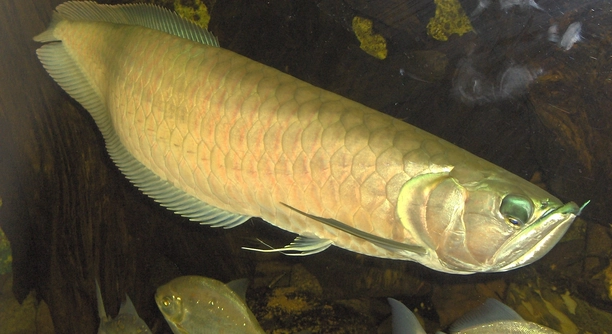
Have you ever noticed your Arowana swimming quietly at certain times and wondered if it follows a daily rhythm like humans do? These fish are fascinating creatures, often admired for their graceful movements and shimmering scales.
Arowanas can develop sleep-like patterns, though not identical to human sleep. They experience periods of rest and reduced activity, often hiding or slowing movement. Environmental cues like light and temperature influence these cycles, helping regulate their overall health and behavior.
Understanding these rest patterns is important for keeping Arowanas healthy. Observing their quiet moments can reveal a lot about their comfort and care needs.
Understanding Arowana Sleep Cycles
Arowanas do not sleep like humans, but they do have periods of rest that are essential for their health. These periods often occur during nighttime when the aquarium lights are off, and the fish slow their movements significantly. Observing these changes can be subtle; they may hover near the bottom, float quietly near decorations, or stay close to a hiding spot. During rest, Arowanas conserve energy, and their metabolism slows, which is important for growth and overall well-being. Tank lighting, water temperature, and feeding schedules can all influence these rest periods. Consistent light and dark cycles help the fish develop a more predictable pattern, reducing stress and improving immune function. Owners who notice irregular activity may need to adjust environmental conditions to better match natural rhythms. Proper observation ensures that any behavioral changes are quickly addressed, maintaining the fish’s health and long-term vitality in a home aquarium.
Monitoring these patterns helps you maintain a healthy environment and keeps your Arowana active during daylight hours.
Rest cycles are an important part of care. Ignoring them can lead to stress, which may manifest as reduced appetite, erratic swimming, or lowered resistance to disease. By keeping a steady schedule and providing areas for hiding, your fish can follow a natural rhythm that supports both mental and physical health. This pattern also allows you to better plan feeding times, ensuring that the fish are alert and ready to eat.
Environmental Factors Affecting Rest
Light and temperature play key roles in Arowana rest.
Aquarium conditions directly impact sleep-like behavior in Arowanas. Sudden changes in light or temperature can disrupt their natural cycles, causing stress or irregular resting periods. Consistent lighting, such as turning lights on and off at the same times daily, signals to the fish when to be active and when to rest. Temperature fluctuations can also interfere with metabolism, leading to restless nights or unusual activity. Tank decorations and plants create shaded areas where fish can feel secure while resting. Observing the fish’s behavior during these periods helps identify if the environment is suitable or needs adjustment. Even feeding schedules can influence rest; feeding late at night may encourage activity when they should be winding down. Keeping a stable, predictable environment allows Arowanas to develop healthy cycles naturally, improving overall well-being and reducing susceptibility to disease or stress-related behavior changes over time.
Signs Your Arowana Is Resting
Arowanas show rest through slower movements, reduced feeding, and occasional hovering near a hiding spot. They may remain motionless for several minutes, appearing calm and less reactive to surroundings.
Observing an Arowana’s resting behavior helps identify healthy patterns. Fish that rest regularly at consistent times show normal activity levels during the day, while irregular rest can indicate stress or environmental issues. During rest, fins are often relaxed, and the body may tilt slightly. Changes in color or unusual swimming behavior during rest periods can be warning signs. Noticing these subtle cues allows owners to adjust lighting, temperature, and feeding routines to support proper cycles. These behaviors are natural and indicate that the fish’s internal rhythms are functioning properly, which is essential for long-term health. Regular observation also helps detect illness early, ensuring timely care and maintaining a stable aquarium environment that encourages natural rest patterns.
Tracking rest signs is straightforward with daily observation. Simple adjustments can improve consistency, helping the fish stay healthy and active.
Maintaining Consistent Sleep Patterns
Stable environmental conditions encourage regular rest.
Consistency in light, temperature, and feeding supports predictable rest cycles in Arowanas. Sudden changes can disturb their natural rhythm, causing irregular behavior and stress. Maintaining a schedule with steady lighting and temperature helps the fish recognize when it’s time to rest, improving overall health.
Feeding routines also influence sleep-like behavior. Providing food at the same times each day aligns their activity with natural cycles. Overfeeding or inconsistent schedules can disrupt rest and lead to lethargy or excessive activity at inappropriate times. Decorations and shaded areas in the tank give Arowanas a sense of security, which supports proper resting behavior. Monitoring the fish during these periods shows whether adjustments are needed. A predictable environment allows the fish to conserve energy efficiently, reduces stress, and strengthens the immune system. By observing and maintaining stable conditions, owners can promote healthy rest, ensuring that Arowanas thrive in a home aquarium.
Common Misconceptions About Arowana Sleep
Arowanas do not enter deep sleep like mammals. Their rest is light and often interrupted by movement or environmental changes.
Some people assume inactivity means illness, but calm periods are often normal. Understanding their natural rest patterns prevents unnecessary worry.
How Light Affects Rest
Lighting is crucial for regulating Arowana rest cycles. Bright, irregular light can disrupt their behavior, causing stress and irregular activity. A steady light schedule mimicking natural day and night cycles helps the fish maintain a regular pattern. Shaded areas and dim lighting during rest periods allow them to feel secure and conserve energy. Observing behavior under these conditions shows healthier, calmer periods of inactivity, indicating that the environment supports proper rest. Adjusting light gradually rather than abruptly prevents disturbances and helps the fish adapt smoothly to the aquarium setting.
Feeding and Rest
Feeding too late in the day can reduce rest, keeping Arowanas active when they should be winding down.
FAQ
How can I tell if my Arowana is resting properly?
Signs of proper rest include slower movements, hovering near hiding spots, and reduced responsiveness to activity in the tank. Fins are usually relaxed, and the body may tilt slightly while the fish remains mostly still. Consistent patterns of this behavior, especially during nighttime, indicate healthy rest.
Do Arowanas sleep at night only?
Mostly, Arowanas rest during dark periods, but they may take short breaks during the day. Their sleep-like behavior is influenced by light, feeding schedules, and water temperature. Observing them over several days helps determine their natural pattern.
Can rest be disturbed by tank conditions?
Yes, sudden changes in light, temperature, or tank setup can disrupt rest. Loud noises or vibrations near the aquarium may also affect their behavior. Providing a stable environment helps maintain predictable rest cycles.
Is it normal for Arowanas to hover while resting?
Yes, many Arowanas float near the bottom or hover in shaded areas during rest. This positioning allows them to conserve energy while staying alert to changes in their environment. It is a natural behavior, not a sign of illness.
Do feeding times affect sleep patterns?
Feeding schedules have a strong influence on Arowana rest. Feeding late in the day can keep them active when they should be winding down. Regular feeding times aligned with light cycles help them develop consistent rest patterns.
Can tank decorations improve rest?
Decorations, plants, or shaded areas give Arowanas places to feel secure while resting. Hiding spots reduce stress, allowing more consistent rest and better overall health. Observing where your fish prefers to rest helps optimize tank setup.
Are restless periods a concern?
Short periods of activity during rest are normal, but prolonged restlessness may indicate stress, illness, or unsuitable tank conditions. Monitor environmental factors and feeding routines to identify causes and adjust as needed.
Do younger Arowanas rest differently than adults?
Yes, younger Arowanas tend to be more active and may have shorter rest periods. Adults develop more consistent cycles as they grow, benefiting from stable light, temperature, and feeding schedules. Tracking behavior over time shows how patterns evolve.
Can I use dim lighting to encourage rest?
Dim lighting helps simulate natural conditions, encouraging Arowanas to rest without being fully exposed. Gradual transitions from light to dark are preferable, as sudden changes can disrupt their rhythm. Providing shaded areas also supports comfort during rest.
How often should I observe rest behavior?
Daily observation is ideal. Noting patterns over weeks helps detect irregularities early. Changes in rest behavior often indicate environmental issues, stress, or illness, allowing timely interventions to maintain fish health.
Do Arowanas need complete darkness to rest?
Complete darkness is not always necessary, but a noticeable difference between day and night light levels helps regulate rest. Consistency is more important than absolute darkness, as abrupt changes can stress the fish.
Can water temperature affect sleep patterns?
Yes, water that is too warm or too cold can disrupt metabolism, leading to irregular activity and rest. Maintaining a stable, appropriate temperature for the species promotes consistent sleep-like behavior and overall well-being.
Is it normal for Arowanas to shift positions during rest?
Yes, shifting positions is normal and often helps them remain comfortable and alert. Minor movement during rest periods is expected and does not indicate a problem if overall patterns remain consistent.
How long do Arowanas rest each day?
Rest periods vary based on age, environment, and light cycles. On average, adult Arowanas rest several hours during nighttime and take shorter breaks during the day. Observing individual patterns helps adjust care routines for optimal health.
Can stress affect sleep-like behavior?
Stress can significantly disrupt rest. Overcrowding, sudden noise, inappropriate tank mates, or inconsistent conditions may lead to irregular rest periods. Minimizing stress factors encourages regular, healthy sleep-like cycles for your Arowana.
How does diet impact rest patterns?
A balanced diet supports overall health and energy levels, indirectly affecting rest. Overfeeding or feeding heavy meals too late can increase activity and reduce rest. Scheduled feeding times aligned with the light cycle support consistent behavior.
Are there any signs of sleep deprivation in Arowanas?
Signs include excessive activity during nighttime, loss of appetite, irritability, or unusual swimming patterns. Persistent disruptions in rest can weaken immunity and overall health, making monitoring and adjustments essential.
Can tank noise disrupt Arowana rest?
Yes, vibrations or loud sounds near the tank can startle Arowanas, causing them to move or hide. Minimizing disturbances, especially during their rest periods, helps maintain predictable cycles and reduces stress.
Do Arowanas develop a routine over time?
Yes, with consistent environmental conditions, feeding schedules, and light cycles, Arowanas establish predictable patterns. Regular observation helps reinforce these routines and ensures the fish remain healthy and well-adjusted.
Is it possible for an Arowana to rest too much?
Excessive inactivity may indicate illness or environmental stress rather than normal rest. If prolonged rest is accompanied by poor appetite or erratic swimming, it should be addressed with water checks and health monitoring.
How can I support proper rest for my Arowana?
Maintain stable light, temperature, and feeding schedules. Provide shaded areas and hiding spots. Observe behavior daily to ensure patterns are consistent, and adjust tank conditions if needed to encourage healthy sleep-like cycles.
Does tank size influence rest?
Arowanas need enough space to swim freely and establish preferred resting spots. Overly small tanks can cause stress, reduce comfort, and disrupt natural rest patterns. Larger tanks with secure areas promote better rest and overall health.
Can water quality affect sleep patterns?
Yes, poor water quality can lead to stress and irregular rest. Regular monitoring and maintenance of pH, ammonia, nitrite, and nitrate levels are essential to support consistent rest cycles and general well-being.
How can I tell if resting behavior is healthy?
Healthy rest includes calm, slow movements, predictable timing, and regular activity during the day. Sudden deviations, such as prolonged inactivity or erratic swimming, may indicate stress, illness, or environmental issues.
Final Thoughts
Arowanas are fascinating fish that display unique resting behavior. Unlike humans, they do not have deep sleep cycles but still need periods of rest to stay healthy. Observing their patterns can tell a lot about their well-being. When they slow down, hover near hiding spots, or remain mostly still, these are signs they are resting properly. Rest is essential for conserving energy, supporting growth, and keeping the immune system strong. Many fish owners may mistake periods of inactivity for illness, but calm, predictable behavior is often a sign of a healthy routine. Keeping track of these patterns over time helps ensure that the fish are comfortable and thriving in their environment.
Environmental conditions play a major role in Arowana rest. Light, temperature, and feeding schedules all influence their cycles. A stable day-night cycle helps signal when to be active and when to rest, while consistent water temperature prevents disruptions in metabolism that could affect their activity. Decorations, shaded areas, and hiding spots also make the tank more secure, allowing fish to rest without feeling exposed. Noise and vibrations near the tank can startle them and disturb rest, so maintaining a calm environment is important. Monitoring the fish daily and adjusting conditions gradually can improve rest patterns over time. With stable care and attention, Arowanas can establish predictable behavior, making them easier to manage and observe.
Feeding routines and diet also affect rest. Fish fed too late in the day may remain active when they should be winding down. Overfeeding can increase energy levels, while underfeeding may reduce activity too much. By aligning feeding with light cycles and providing a balanced diet, you can encourage regular rest. Watching for subtle signs, such as hovering, slow movement, or reduced responsiveness, helps detect healthy rest behavior. On the other hand, prolonged inactivity or erratic swimming may indicate stress, illness, or unsuitable tank conditions. Maintaining water quality, temperature, and a stable environment, along with proper feeding, ensures Arowanas can rest safely and effectively. Paying attention to these details allows fish to remain active during the day, conserve energy during rest, and live a healthier, longer life in the aquarium. Observing and supporting their sleep-like behavior strengthens their overall well-being and creates a more harmonious tank environment.

Hello,
If you enjoy the content that we create, please consider saying a "Thank You!" by leaving a tip.
Every little bit helps us continue crafting quality advice that supports the health, happiness, and well-being of pets around the world, for pets of all shapes, sizes, and species.
We really appreciate the kindness and support that you show us!