
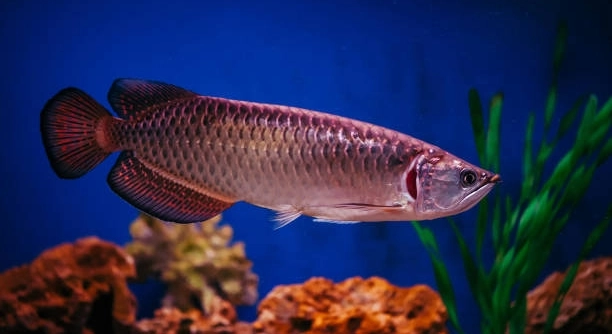
Are your arowanas showing signs of stress or lackluster growth? Keeping these elegant fish healthy requires consistent care and attention. Small daily actions can have a big impact on their overall wellbeing and vitality.
Maintaining optimal arowana health involves a combination of proper feeding routines, water quality management, tank maintenance, and monitoring for signs of disease. Implementing these daily habits ensures longevity, robust growth, and a stable, stress-free environment for the fish.
Following simple routines consistently can make a noticeable difference. Implementing these habits will help you support your arowana’s health effectively and reliably.
Consistent Feeding Schedule
Feeding your arowana at the same times each day helps maintain its health and reduces stress. A predictable routine supports digestion and nutrient absorption. Avoid overfeeding, as leftover food can pollute the water and lead to poor health. Small, frequent meals are often better than one large feeding. Include a variety of foods such as pellets, insects, and occasional live food to provide balanced nutrition. Observing your fish during feeding also allows you to notice changes in behavior or appetite early. Adjust portions based on growth, age, and activity level. Juvenile arowanas need more frequent feedings, while adults thrive on fewer, controlled portions. Ensuring a consistent diet also helps maintain vibrant coloration and strong immune function. Preparing food in advance and monitoring freshness can prevent digestive issues and promote overall vitality. Arowanas benefit from a structured routine as much as from quality nutrition, creating stability in their tank environment.
Consistency in feeding keeps your arowana active, healthy, and reduces stress-related problems effectively.
Monitoring daily feeding habits allows you to spot changes quickly, ensuring your fish remains vibrant and strong.
Maintaining Water Quality
Regular water testing is essential to keep your arowana healthy. Checking pH, ammonia, nitrite, and nitrate levels prevents harmful buildup. Frequent partial water changes help remove toxins and maintain stable water parameters. Using a high-quality filter and cleaning it as needed supports a clean, oxygenated environment. Temperature control is equally important, as sudden fluctuations can stress your fish and weaken its immune system. Avoid overcrowding the tank, as too many fish increase waste and complicate water maintenance. Observing your arowana’s behavior can reveal subtle water issues before they become serious. Proper water care reduces the risk of infections and promotes healthy growth. Consistency in water changes, testing, and filtration ensures a stable habitat, which is critical for long-term wellbeing. Establishing a routine makes upkeep manageable and protects your arowana from avoidable health issues.
Monitoring water quality daily prevents illnesses and promotes consistent health.
Well-maintained water conditions, proper filtration, and temperature control create an ideal habitat. Regular observation allows early detection of issues, keeping your arowana thriving.
Tank Cleaning Routine
Cleaning your arowana’s tank regularly prevents waste buildup and harmful bacteria. Removing uneaten food and debris keeps water clear and safe for the fish.
A routine of partial water changes combined with gentle substrate vacuuming maintains a stable environment. Over time, organic waste can release toxins like ammonia and nitrites, which harm your arowana. Clean decorations and filter components to prevent algae growth and improve overall water quality. Avoid harsh chemicals that could stress or poison your fish. A consistent cleaning schedule reduces disease risk and supports healthy behavior. Observing the tank during cleaning helps you notice any unusual changes in fish activity or appearance.
Regular tank maintenance encourages arowanas to be active and reduces stress. It also ensures a visually appealing aquarium. Maintaining a tidy tank supports both water quality and fish health consistently.
Observation and Health Checks
Daily observation helps detect early signs of illness, injury, or stress in your arowana. Look for changes in color, appetite, and movement.
Monitoring behavior closely allows prompt action if anything seems off. Early detection of issues such as fin rot, parasites, or abnormal swimming prevents complications. Check for swelling, lesions, or unusual markings, as these often indicate underlying health problems. Keep track of feeding habits and note any sudden disinterest in food. Regular visual inspections combined with consistent water maintenance and diet create a proactive care routine. Noticing subtle changes can mean the difference between a minor problem and a serious health concern. Prompt intervention ensures recovery and maintains your fish’s overall vitality.
Observation ensures long-term wellbeing, allowing you to act quickly if any health issues arise. It strengthens the care routine and protects your arowana’s health reliably.
Proper Tank Size
Arowanas need spacious tanks to swim freely and grow properly. Crowded conditions can cause stress, slow growth, and increase aggression.
Choosing the right tank size ensures your arowana has enough room to exercise. A larger tank also helps maintain stable water conditions, reducing the frequency of major water changes.
Temperature and Lighting Control
Maintaining a consistent water temperature between 75–82°F supports metabolism and immune function. Use a reliable heater and thermometer to monitor daily fluctuations. Proper lighting simulates a natural environment, promoting normal behavior and enhancing coloration. Avoid sudden light changes that can stress your fish.
Stress Reduction Techniques
Minimizing sudden movements around the tank, avoiding loud noises, and providing hiding spaces help reduce stress in arowanas. A calm environment encourages healthy feeding and activity patterns.
FAQ
How often should I feed my arowana?
Juvenile arowanas benefit from feeding two to three times a day, while adults do well with once daily or every other day. Portion control is key—overfeeding leads to poor water quality and digestive issues. Rotating food types such as pellets, insects, and occasional live food ensures balanced nutrition.
What is the ideal tank size for an adult arowana?
Adult arowanas need a minimum of 250 gallons, depending on the species. A spacious tank allows natural swimming patterns, reduces aggression, and maintains stable water conditions. Avoid overcrowding, as it stresses the fish and increases the risk of disease.
How often should I clean the tank?
Partial water changes of 20–30% weekly are recommended. Cleaning the substrate and removing uneaten food helps prevent toxin buildup. Filters should be checked and cleaned regularly to ensure efficient operation, but avoid using harsh chemicals that could harm your arowana.
What water parameters should I maintain?
Maintain pH between 6.5–7.5, ammonia and nitrite at 0 ppm, and nitrate under 40 ppm. Water temperature should stay between 75–82°F. Regular testing allows early detection of issues and ensures a stable environment for your arowana.
How can I prevent diseases in my arowana?
Preventative care is the best approach. Maintain clean water, a proper diet, and a stress-free environment. Quarantine new fish before introducing them to the main tank. Observing your arowana daily helps detect early signs of illness, allowing for timely intervention.
Is lighting important for arowanas?
Yes, consistent lighting mimics natural conditions and helps maintain normal behavior. Use a standard aquarium light for 8–10 hours daily. Avoid sudden changes in light intensity, which can stress the fish and affect feeding or activity levels.
Can arowanas live with other fish?
Arowanas can be territorial and aggressive, so tank mates should be chosen carefully. Large, non-aggressive species that occupy different tank levels are better. Avoid small fish, as they may be seen as prey. Proper tank size and hiding spaces reduce conflicts.
How can I tell if my arowana is stressed?
Signs include rapid gill movement, hiding excessively, loss of appetite, or erratic swimming. Stress often results from poor water quality, overcrowding, or sudden changes in environment. Identifying stress early allows corrective measures, keeping your fish healthy and active.
Should I use supplements or vitamins?
A varied diet usually provides sufficient nutrients. However, occasional supplementation can support growth and color. Use supplements sparingly and follow manufacturer guidelines to prevent overdosing, which could harm your arowana.
How long do arowanas typically live?
With proper care, arowanas can live 10–15 years or longer. Longevity depends on consistent feeding, water quality, tank size, and disease prevention. Daily observation and a structured routine contribute to a long, healthy life.
What is the best way to introduce a new arowana to a tank?
Quarantine new fish for at least two weeks to prevent disease transfer. Slowly acclimate the fish to the tank’s water temperature and chemistry by gradually mixing tank water into the transport container. This reduces shock and helps the arowana adjust comfortably.
How do I maintain water temperature consistently?
Use a reliable heater and thermometer, and monitor fluctuations daily. Avoid placing the tank near windows or vents, which can cause sudden temperature changes. Consistent temperature supports metabolism, immune function, and reduces stress.
Are live foods necessary for arowanas?
Live foods like insects or small fish can supplement diet and encourage natural hunting behaviors, but are not required daily. They should be fresh, disease-free, and offered occasionally alongside high-quality pellets and frozen options for balanced nutrition.
How can I prevent aggression in arowanas?
Provide enough space, hiding spots, and consider tank mates carefully. Avoid overcrowding and abrupt changes to the tank environment. Maintaining a consistent routine with minimal stressors helps reduce aggressive behavior naturally.
What should I do if my arowana stops eating?
Loss of appetite may indicate stress, illness, or water quality issues. Check water parameters, tank conditions, and diet variety. Monitor for signs of disease and isolate the fish if needed. Gradually offering favorite foods can stimulate feeding.
This FAQ provides practical guidance for daily care, tank management, and health monitoring, ensuring your arowana thrives in a well-maintained environment. Consistent routines, careful observation, and proper feeding form the foundation of successful long-term care.
Word count: 520
Caring for an arowana requires dedication, attention to detail, and consistent daily habits. From feeding schedules to tank maintenance, every small step contributes to the fish’s overall health and longevity. Ensuring a balanced diet, providing a spacious and clean environment, and monitoring water quality are all essential parts of keeping your arowana active and stress-free. A well-maintained tank prevents common issues such as disease, poor growth, and behavioral problems, making the fish more vibrant and easier to care for. Observing your arowana closely during daily routines allows you to notice subtle changes in behavior, appetite, or appearance, which often indicate early signs of health concerns. Early detection gives you the opportunity to make adjustments before minor issues develop into major problems. Even small actions like removing uneaten food promptly, checking the filter, or maintaining consistent water temperature play a meaningful role in maintaining the right conditions for your fish. These daily efforts collectively form the foundation for a strong, healthy arowana and a stable, enjoyable aquarium environment.
Maintaining proper water conditions is one of the most critical aspects of arowana care. Regular water testing, monitoring parameters such as pH, ammonia, nitrite, and nitrate levels, and performing partial water changes all contribute to a safe and stable habitat. Water temperature and lighting also influence the fish’s health and behavior, so consistent management is necessary. Arowanas are sensitive to sudden changes, and even small fluctuations in water quality or temperature can cause stress or illness. Keeping the tank clean, ensuring proper filtration, and providing hiding spaces help create a secure environment where your fish can thrive. Stress reduction techniques, including minimizing loud noises and sudden movements around the tank, also improve your arowana’s wellbeing. By combining careful observation with structured routines and preventative measures, you create conditions that promote natural activity, healthy growth, and vibrant coloration. These consistent actions not only support the physical health of the fish but also make the experience of caring for an arowana more rewarding and manageable.
Arowanas are remarkable fish that respond well to attentive care and structured daily routines. Investing time in proper feeding, tank maintenance, and health monitoring helps ensure your fish reaches its full potential, both in size and longevity. While maintaining these habits may seem time-consuming at first, they quickly become part of a simple, manageable routine that benefits both the fish and the tank’s overall environment. The key is consistency and attention to small details, as these are the factors that make the largest difference in long-term care. Observing your arowana closely allows you to understand its behaviors, preferences, and needs, strengthening your ability to provide a supportive environment. With patience, structured routines, and a focus on water quality, nutrition, and stress management, you can keep your arowana healthy, active, and vibrant for many years. Establishing these habits ultimately ensures a strong, thriving fish while also creating a tank that is visually pleasing and easy to maintain, providing satisfaction and peace of mind for anyone committed to proper care.
Word count: 417

Hello,
If you enjoy the content that we create, please consider saying a "Thank You!" by leaving a tip.
Every little bit helps us continue crafting quality advice that supports the health, happiness, and well-being of pets around the world, for pets of all shapes, sizes, and species.
We really appreciate the kindness and support that you show us!