
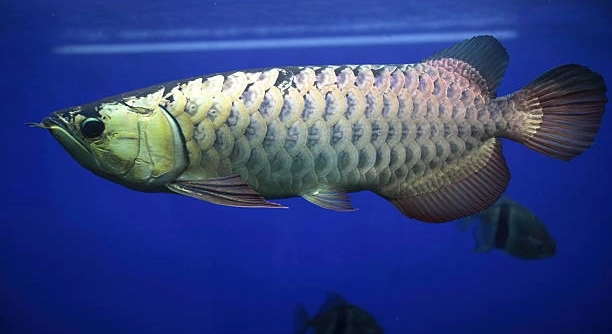
Are your arowanas showing unusual stillness, leaving you concerned about their health? Observing these majestic fish suddenly stop moving can feel alarming, especially when you are committed to providing a safe and comfortable home for them.
Arowanas may stop moving due to water quality issues, temperature fluctuations, or illness. Ensuring proper water parameters, maintaining a stable environment, and monitoring for disease are essential steps to safeguard their health and prevent long-term harm.
Understanding these factors will help you respond effectively and ensure your arowana remains active, healthy, and thriving in its aquatic environment.
Common Reasons Arowanas Stop Moving
Arowanas are sensitive fish that react strongly to their surroundings. One of the main reasons they may become inactive is poor water quality. High ammonia, nitrite, or nitrate levels can stress them and affect their swimming. Sudden changes in temperature can also shock their system, making them sluggish. Illness is another factor; bacterial or parasitic infections often lead to reduced movement. Overfeeding or improper diet may cause digestive problems, resulting in lethargy. Even stress from overcrowding or incompatible tank mates can make an arowana withdraw. Observing your fish closely is crucial. Check water parameters regularly, maintain a stable temperature, and provide a proper diet. Keeping their habitat clean and quiet helps reduce stress. Often, small adjustments in care can restore their normal behavior. Monitoring for early signs of illness allows for timely intervention and prevents more serious health problems. Active observation is key to maintaining a healthy arowana.
Water changes, proper filtration, and consistent feeding routines often restore movement quickly.
By addressing water quality, diet, and stress factors, you can help your arowana regain activity. Regular monitoring ensures health, while observing behavior patterns helps detect problems early. Creating a stable and clean environment supports their natural swimming habits and overall well-being. Adjusting feeding schedules, ensuring enough space, and providing hiding spots can make a big difference. Some arowanas may temporarily stop moving due to minor stress, but consistent care reduces prolonged inactivity. Understanding these details helps maintain a thriving fish without complicated measures. Being attentive to subtle behavioral changes is just as important as monitoring water parameters. Over time, consistent care encourages more active and lively behavior. Even simple adjustments, like checking tank temperature or spacing decorations, can help your arowana feel secure and comfortable.
Immediate Actions When Arowanas Stop Moving
Check water parameters immediately to rule out toxicity or sudden changes in pH, temperature, or ammonia levels.
Start with partial water changes, removing 20–30% of old water while ensuring new water is treated and at the correct temperature. Clean the filter if needed and reduce stress by minimizing disturbances. Remove aggressive tank mates temporarily. Observe the fish for signs of infection such as spots, bloating, or frayed fins. If illness is suspected, isolate the arowana and consult an aquatic veterinarian or use appropriate treatment. Adjust feeding habits, offering easily digestible food in small amounts. Maintain a consistent light and temperature schedule to reduce stress further. Keeping a calm environment, along with proper monitoring, helps the fish recover. Repeat water tests over several days to ensure parameters remain stable. Consistent care in these first critical steps often determines whether the arowana will quickly regain activity. Regular observation, patience, and timely intervention are key in restoring its health and mobility.
Monitoring Behavior and Health
Lethargy often signals underlying issues. Watch for unusual swimming patterns, loss of appetite, or hiding in corners. Early detection allows quicker solutions, preventing more serious problems from developing.
Keeping a log of your arowana’s daily behavior is useful. Note feeding times, activity levels, and any signs of stress or illness. Consistency helps you notice subtle changes. Compare behavior with other healthy arowanas if possible. Regular observation combined with water testing provides a complete picture of the fish’s well-being. Over time, this helps identify triggers that cause inactivity, whether related to diet, environment, or tank mates.
Regular health checks also include inspecting fins, scales, and gills. Look for discoloration, damage, or swelling. If abnormalities appear, immediate action can prevent worsening. Sometimes, minor stressors cause temporary inactivity, but prolonged signs indicate the need for intervention. Maintaining a clean, stable tank environment minimizes health risks. Observing subtle movements, like fin flicks or slow turns, gives clues about comfort and recovery progress. Attention to these details supports long-term activity and reduces sudden health scares in your arowana.
Adjusting Environment and Diet
Small environmental changes can significantly impact activity. Adjust lighting, decorations, and space to reduce stress.
Feeding practices directly affect movement. Provide balanced, high-quality food in moderate portions. Avoid overfeeding, which can cause bloating or sluggishness. Offer live or frozen food occasionally to stimulate natural hunting behavior. Ensure water temperature and pH suit arowana needs, maintaining consistency. Rearrange tank decor carefully, providing enough open swimming space. Minimize sudden noise or vibrations, which can startle the fish. Using gentle filtration and aeration prevents agitation while keeping water clean. Observation after adjustments shows whether activity improves.
Environmental stability and proper diet are essential for active arowanas. Gradually implement changes to avoid further stress. Overcrowded tanks should be rearranged, giving each fish sufficient space. Maintaining stable temperature, pH, and oxygen levels supports metabolism and energy. Introducing variety in food keeps them engaged and encourages normal swimming behavior. Avoid rapid shifts in light cycles or water parameters. Continuous monitoring ensures these adjustments are effective. With patience and consistent care, most inactive arowanas regain vitality. Supporting natural instincts and comfort in the tank encourages consistent movement.
Identifying Water Quality Issues
Regular testing is key. Check ammonia, nitrite, nitrate, and pH levels frequently to ensure they remain within safe limits for arowanas.
Poor water quality can quickly make arowanas inactive. Even small fluctuations in temperature or chemicals can stress them, reducing movement and appetite.
Recognizing Signs of Illness
Pale scales, frayed fins, or unusual swimming patterns often indicate sickness. Early recognition allows for timely treatment and recovery. Paying attention to appetite and respiratory rates also helps detect problems before they worsen. Prompt action can prevent long-term harm to your fish.
When to Seek Professional Help
If your arowana remains inactive despite adjustments in water quality, environment, and diet, consulting an aquatic veterinarian is recommended.
FAQ
Why is my arowana suddenly not moving at all?
Arowanas may stop moving due to stress, illness, or poor water conditions. Sudden temperature changes, high ammonia, or nitrite levels can shock them. Overfeeding or introducing new tank mates can also create stress. Observing behavior carefully and checking water quality usually helps identify the cause quickly.
How do I know if my arowana is sick or just resting?
Look for signs such as pale scales, frayed fins, loss of appetite, or unusual swimming patterns. Resting arowanas still show some fin movement or gentle tail flicks. If inactivity is prolonged and combined with visible symptoms, it is likely illness rather than rest.
Can water temperature affect arowana movement?
Yes, arowanas are sensitive to temperature fluctuations. Water that is too cold can slow metabolism, making them lethargic. Temperatures too high can cause stress and rapid gill movement. Maintaining a stable range of 75–82°F (24–28°C) helps keep them active and healthy.
What water parameters should I monitor for an inactive arowana?
Ammonia, nitrite, nitrate, pH, and temperature are the main parameters. Ammonia and nitrite should be zero, nitrate under 40 ppm, and pH around 6.5–7.5. Sudden shifts in these values can trigger inactivity or stress. Regular testing helps catch issues early.
How often should I perform water changes for my arowana?
Partial water changes of 20–30% weekly are usually sufficient. If water tests show elevated ammonia, nitrite, or nitrate, more frequent changes may be needed. Always treat new water to remove chlorine and match tank temperature to avoid additional stress.
Can diet impact arowana activity?
Absolutely. Overfeeding can cause bloating and lethargy, while underfeeding reduces energy. A balanced diet with high-protein pellets, occasional live or frozen food, and proper portion sizes encourages normal activity and swimming behavior. Variety in diet also stimulates natural hunting instincts.
Are tank size and decoration important for movement?
Yes, arowanas need sufficient swimming space. Overcrowded tanks or excessive decorations can limit movement and increase stress. Providing open areas, along with hiding spots, allows them to swim freely while feeling secure, promoting natural behavior and activity.
When should I consult a veterinarian?
If the arowana remains inactive despite stable water parameters, proper diet, and environmental adjustments, it is time to seek professional advice. Prolonged inactivity, visible illness, or rapid deterioration are signals that expert treatment is necessary. Early intervention increases recovery chances.
Can stress from other fish cause inactivity?
Yes, aggressive or territorial tank mates can intimidate arowanas, causing them to hide or stop moving. Separating them or providing barriers can reduce stress. Observing interactions and adjusting tank mates helps maintain a calm environment for activity and well-being.
Is it normal for arowanas to rest at the bottom of the tank sometimes?
Occasional resting near the bottom can be normal, especially during low activity periods or at night. However, prolonged inactivity without other signs of rest, or combined with poor appetite or abnormal gill movement, may indicate health or environmental problems that need addressing.
How can I encourage my arowana to move more?
Ensure proper water quality, stable temperature, balanced diet, and sufficient space. Adding visual stimulation, like floating objects or slow-moving currents, can encourage swimming. Gentle interaction and observing natural behavior help maintain activity while reducing stress.
Can water flow or filtration affect activity?
Strong currents can tire arowanas or cause stress, while very weak flow may reduce oxygenation. Moderate filtration with consistent water circulation promotes comfort and encourages natural swimming behavior. Adjusting flow to suit your arowana’s size and temperament improves overall activity.
How quickly should I expect my arowana to recover from inactivity?
Recovery depends on the cause. Minor stress or temporary water issues may see improvement within hours to a day. Illness or severe environmental problems may take several days to weeks. Continuous monitoring and corrective measures ensure the fastest, safest recovery.
Are there any long-term effects if my arowana remains inactive for too long?
Prolonged inactivity can weaken muscles, reduce appetite, and compromise immunity. Chronic stress or untreated illness may lead to serious health problems or death. Prompt intervention and proper care are essential to prevent long-term consequences and maintain arowana vitality.
Is quarantine necessary for new arowanas to prevent inactivity in others?
Yes, new fish can introduce disease or stress. Quarantining them for at least two weeks allows observation for illness and prevents potential problems in the main tank. This reduces stress-related inactivity in resident arowanas and protects overall tank health.
How can I prevent inactivity in my arowana long-term?
Maintain stable water parameters, provide a balanced diet, ensure sufficient space, and reduce stress from tank mates or environment changes. Regular observation for subtle behavioral changes helps address problems early. Consistent care and attention promote a healthy, active arowana over time.
Is occasional inactivity normal for aging arowanas?
Older arowanas may naturally slow down but should still maintain regular swimming and feeding. Sudden or prolonged inactivity is not normal and should be investigated, even in older fish. Observing other health indicators helps distinguish normal aging from potential health issues.
Can light cycles affect arowana activity?
Yes, consistent day-night light cycles support natural behavior and energy levels. Sudden changes or constant light can disrupt activity patterns, causing stress or lethargy. Maintaining a predictable schedule encourages normal swimming and rest cycles.
What role does oxygen play in arowana activity?
Low oxygen levels can make arowanas sluggish and cause gasping at the surface. Adequate aeration and proper water circulation ensure sufficient oxygenation, which is essential for normal movement and overall health.
Are supplements helpful for inactive arowanas?
Vitamins and minerals can support overall health, especially if diet is lacking variety. However, supplements cannot replace proper water quality, temperature, or environmental care. They should be used carefully, following recommended dosages, to avoid causing stress or toxicity.
Can seasonal changes affect arowana movement?
Yes, seasonal temperature shifts or light variations can influence activity. Maintaining a stable indoor environment minimizes these effects. Using heaters, consistent lighting, and controlled feeding routines helps prevent inactivity caused by external seasonal changes.
How do I differentiate between temporary rest and serious health issues?
Temporary rest usually includes occasional fin or tail movement and normal gill activity. Serious health issues often show persistent inactivity, loss of appetite, visible physical changes, or rapid breathing. Monitoring over time and comparing behavior with healthy activity helps determine the cause.
What is the most common reason for arowana inactivity?
Water quality issues and stress are the most frequent causes. Maintaining consistent, clean water and reducing environmental stressors usually restores normal activity. Early attention to changes in behavior prevents minor issues from developing into major health problems.
How can I keep my arowana active daily?
Provide consistent care with clean water, proper diet, stable temperature, and enough space. Minor stimulation, such as occasional changes in decor or gentle interaction, encourages movement. Observing behavior regularly ensures ongoing health and activity without over-stressing the fish.
Is inactivity a sign of old age in arowanas?
While older arowanas may slow down slightly, sudden inactivity is rarely normal. Age-related changes should not include prolonged immobility or loss of appetite. Continuous observation is needed to differentiate natural aging from potential health issues.
Can low lighting cause inactivity?
Extremely low or uneven lighting can reduce activity, as arowanas rely on light cues for feeding and swimming. Maintain moderate, consistent lighting to support natural behavior without causing stress or disrupting normal rest cycles.
Are some arowana species more prone to inactivity?
Some species may naturally be calmer or slower-moving. However, prolonged inactivity is usually linked to environment, diet, or health issues rather than species alone. Observing behavior and adjusting care ensures all types remain active.
Does tank cleaning affect activity?
Yes, sudden or excessive cleaning can stress arowanas. Partial, gradual cleaning while maintaining stable water parameters reduces inactivity. Avoid disturbing decorations excessively, and always return the fish to a familiar environment after maintenance.
How long should I monitor an inactive arowana before taking action?
Immediate attention is recommended if inactivity persists beyond a few hours, especially with signs of stress or illness. Early observation, combined with water checks and diet review, prevents minor problems from becoming severe. Waiting too long can compromise recovery.
Can inactivity be seasonal or temporary?
Yes, minor fluctuations in temperature, light, or diet can cause short-term inactivity. Temporary pauses in movement are often harmless, but prolonged inactivity with other signs should be addressed to avoid health risks.
What are early signs of stress in arowanas?
Hiding, reduced swimming, loss of appetite, and color changes are common stress indicators. Recognizing these early allows prompt adjustment to water quality, diet, or tank conditions, preventing further inactivity or health problems.
How often should I check my arowana for inactivity?
Daily observation is ideal. Monitoring feeding behavior, swimming patterns, and interaction with the environment helps catch subtle changes early. Routine checks combined with water parameter testing ensure long-term health and activity.
Is inactivity always a sign of illness?
Not always. Short periods of rest or minor stress may cause temporary inactivity. However, prolonged stillness, especially with visible symptoms, usually signals health issues requiring intervention. Consistent monitoring helps distinguish between normal rest and problems.
Can overfeeding lead to inactivity?
Yes, overfeeding can cause bloating and digestive issues, making arowanas lethargic. Feeding small, controlled portions, and occasionally fasting, supports energy levels and regular swimming behavior.
How important is tank size for preventing inactivity?
Sufficient swimming space is essential. Crowded tanks restrict movement, increase stress, and reduce natural behavior. Providing open areas, along with secure hiding spots, encourages regular activity and overall well-being.
Can water chemistry changes cause sudden inactivity?
Yes, sudden pH swings, high ammonia, or other chemical changes stress arowanas, often causing them to stop moving. Maintaining consistent water chemistry is crucial to prevent inactivity and support health.
How can I safely stimulate movement in a slow arowana?
Introduce gentle currents, floating objects, or occasional live food to encourage swimming. Avoid sudden disturbances or aggressive tank mates. Gradual environmental enrichment promotes natural activity without causing stress.
Are inactive arowanas more prone to disease?
Prolonged inactivity often weakens immunity, making fish more susceptible to bacterial, fungal, or parasitic infections. Maintaining proper care reduces the risk and helps them recover if issues arise.
What should I do if my arowana refuses food and stays still?
Check water quality, temperature, and stress factors immediately. Observe for illness signs. Offering easily digestible food in small amounts may help. If inactivity persists, consult a veterinarian for guidance.
Can seasonal feeding changes impact activity?
Yes, reducing food intake or altering diet can temporarily slow metabolism and movement. Maintaining consistent portion sizes and balanced nutrition supports normal activity year-round.
How does lighting affect daily activity?
Consistent, moderate lighting helps regulate natural swimming and feeding patterns. Sudden changes, too bright or too dim light, can cause stress and reduce activity.
What long-term habits prevent inactivity?
Regular water testing, balanced diet, sufficient swimming space, and low-stress environment are key. Observing behavior daily allows early intervention, ensuring a healthy, active arowana for years.
Can low oxygen levels cause inactivity?
Yes, low dissolved oxygen leads to sluggish movement and gasping at the surface. Aeration, circulation, and maintaining proper stocking levels prevent oxygen-related inactivity.
Are live foods better for activity than pellets?
Live foods can stimulate hunting instincts and encourage movement. However, high-quality pellets, properly sized and nutritionally balanced, also maintain activity. Variety is beneficial.
Can tank mates impact arowana swimming behavior?
Aggressive or territorial species can intimidate arowanas, reducing movement. Observing interactions and separating fish if necessary helps maintain activity and reduces stress.
How do I know if my arowana is stressed versus ill?
Stress usually shows temporary hiding, slight color changes, or reduced swimming. Illness often combines lethargy with physical signs like frayed fins, bloating, or rapid breathing. Early detection and corrective action are essential.
What role does water hardness play in activity?
Extremely hard or soft water can stress arowanas. Maintaining moderate hardness suitable for the species supports comfort, metabolism, and regular swimming behavior.
How do I gradually reintroduce a stressed arowana to activity?
Stabilize water quality, minimize disturbances, provide open swimming space, and offer small, frequent meals. Gentle environmental enrichment encourages natural movement without causing additional stress.
Can seasonal temperature changes cause inactivity even indoors?
Yes, if room temperature fluctuates or heaters are inconsistent, it can affect metabolism and activity. Maintaining stable tank temperature year-round is important for consistent movement.
How do I prevent sudden inactivity in arowanas?
Regular water testing, stable temperature, proper diet, sufficient space, low-stress environment, and consistent observation help prevent sudden inactivity. Early intervention ensures quick recovery when minor issues arise.
Are inactive arowanas more prone to injury?
Yes, inactivity can reduce muscle tone, making them less agile and more likely to injure themselves on decorations, tank walls, or during aggressive interactions with other fish.
Can overhandling cause inactivity?
Yes, frequent tapping, chasing, or netting can stress arowanas, causing them to stop moving temporarily. Minimal, gentle handling is recommended.
Does age affect how quickly arowanas recover from inactivity?
Younger arowanas often recover faster, while older fish may take longer. Recovery depends on underlying causes, overall health, and environmental conditions.
Are there seasonal patterns in arowana activity?
Some arowanas may naturally slow down during cooler months or shorter daylight periods. Stable indoor conditions help minimize seasonal inactivity.
Can adding plants or decorations improve activity?
Yes, providing hiding spots and visual stimulation encourages exploration and movement. Avoid overcrowding, ensuring sufficient open swimming space.
How do I distinguish between fatigue and serious health issues?
Temporary fatigue shows occasional movement and appetite, while serious issues combine prolonged inactivity with physical symptoms, rapid breathing, or abnormal swimming patterns. Early action prevents worsening conditions.
Are certain feeding times better for promoting activity?
Consistent feeding schedules help regulate energy and swimming behavior. Feeding during active periods encourages natural movement and reduces stress-related inactivity.
How long can an arowana remain inactive before it becomes dangerous?
Prolonged inactivity beyond a day or two, especially with visible signs of stress or illness, can be dangerous. Prompt corrective action is essential to prevent severe health problems.
Does tank location affect activity?
Yes, noisy or heavily trafficked areas can stress arowanas, reducing movement. Placing tanks in quiet, stable environments supports regular activity.
Can water pH swings cause inactivity?
Sudden changes in pH stress arowanas, often causing them to stop moving. Maintaining a stable pH within the species’ preferred range supports normal behavior.
How do I maintain consistent activity long-term?
Regular care routines, stable water quality, balanced diet, proper space, low-stress environment, and daily observation support long-term activity and health in arowanas.
Is occasional inactivity ever normal?
Short pauses or slow swimming periods are normal. Prolonged inactivity combined with appetite loss, stress, or physical changes usually signals a problem that needs attention.
Can water hardness fluctuations affect movement?
Yes, sudden shifts in water hardness can stress arowanas, reducing activity. Maintaining stable conditions supports comfort and natural swimming behavior.
How do I prevent inactivity during tank maintenance?
Perform partial water changes, minimize disturbance, and maintain consistent water parameters. Gradual adjustments reduce stress and prevent prolonged inactivity.
Does the type of filtration affect activity?
Filtration that is too strong or weak can affect swimming comfort. Moderate, consistent flow promotes natural movement and reduces stress.
Can inactive arowanas recover fully?
Yes, with proper water quality, diet, stress management, and treatment for illness, most arowanas can regain normal activity. Early intervention improves recovery chances.
How can I encourage an arowana to explore its tank?
Provide safe hiding spots, gentle water movement, occasional live food, and varied decor to stimulate curiosity and movement while keeping stress low.
Are there any supplements that boost activity?
Vitamins and minerals can help if diet lacks variety. They support metabolism and energy but cannot replace proper environment, diet, or water conditions.
How do I monitor recovery from inactivity?
Observe swimming patterns, appetite, and overall behavior daily. Record changes, compare with normal activity, and adjust care as needed to support full recovery.
Does feeding frequency affect activity?
Yes, too frequent or too little feeding can cause lethargy. Balanced, consistent feeding supports metabolism and encourages regular movement.
Can tank size changes affect arowana activity?
Moving to a smaller or overcrowded tank increases stress, reducing movement. Adequate space and careful reintroduction promote healthy swimming behavior.
Is inactivity a sign of boredom in arowanas?
Some inactivity may be due to lack of stimulation, but prolonged stillness usually signals stress, poor water conditions, or health problems. Environmental enrichment encourages activity safely.
Can temperature shocks cause prolonged inactivity?
Yes, sudden drops or rises in temperature can reduce movement and stress arowanas. Gradual, controlled adjustments are safer and help restore normal activity.
How do I keep activity levels consistent daily?
Maintain stable water quality, temperature, diet, and environment. Provide gentle stimulation, observe behavior, and intervene early if inactivity appears. Consistency ensures a healthy, active arowana.
Can long-term inactivity affect reproduction?
Yes, lethargy can reduce energy, affect mating behavior, and lower fertility. Maintaining optimal care supports both activity and reproductive health.
Are there behavioral cues before an arowana becomes inactive?
Reduced swimming, hiding, loss of appetite, color changes, and slower responses are common early signs. Noticing these cues allows timely corrective action.
Does tank depth influence activity?
Arowanas need sufficient depth to swim comfortably. Shallow tanks can restrict movement and increase stress, leading to reduced activity. Proper depth supports natural swimming patterns.
Can water aeration levels influence activity?
Yes, low oxygen can cause sluggishness, while strong aeration may be stressful. Balanced aeration supports comfortable swimming and healthy energy levels.
How often should I adjust environmental factors to maintain activity?
Gradually and only when needed. Sudden changes in water, lighting, or decorations can cause stress and inactivity
Final Thoughts
Keeping an arowana healthy and active requires careful attention to its environment, diet, and overall well-being. These fish are sensitive to changes in water quality, temperature, and lighting, so consistent monitoring is essential. Regularly checking ammonia, nitrite, nitrate, and pH levels ensures the water remains safe. Maintaining a stable temperature and moderate lighting helps the fish stay comfortable and reduces stress. Even small fluctuations in these factors can cause lethargy or other behavioral changes. Observing your arowana daily allows you to notice subtle differences in movement, appetite, or appearance, which often signal early problems. Simple steps, like partial water changes and maintaining a clean filter, go a long way in keeping your fish active.
Diet is another critical factor in arowana health. Providing a balanced, high-quality diet supports energy levels, growth, and natural behavior. Overfeeding can lead to bloating and inactivity, while underfeeding reduces energy and may cause illness over time. Offering variety, such as pellets supplemented with live or frozen food, encourages natural hunting instincts and keeps the fish engaged. Feeding in moderate portions and on a consistent schedule helps regulate metabolism and swimming activity. Monitoring your arowana’s appetite is also important, as a sudden loss of interest in food may indicate stress, water issues, or illness. Small adjustments in feeding habits, combined with proper environmental care, often restore energy and normal movement quickly.
Creating a low-stress and safe environment is essential for long-term activity. Arowanas need enough space to swim freely and should not be housed with aggressive or overly territorial tank mates. Decorations and hiding spots can provide comfort, but overcrowding or frequent changes in the tank can increase stress. Gentle aeration and moderate water flow promote comfort without exhausting the fish. Stress reduction also includes minimizing loud noises, sudden movements, or frequent handling. Regular observation helps identify signs of stress or illness early, allowing you to take corrective action before problems worsen. By maintaining consistent water quality, a balanced diet, and a calm environment, you can support your arowana’s health, encourage natural movement, and reduce the chances of prolonged inactivity. Over time, consistent care and attention will help your arowana thrive, stay active, and live a longer, healthier life.

Hello,
If you enjoy the content that we create, please consider saying a "Thank You!" by leaving a tip.
Every little bit helps us continue crafting quality advice that supports the health, happiness, and well-being of pets around the world, for pets of all shapes, sizes, and species.
We really appreciate the kindness and support that you show us!