
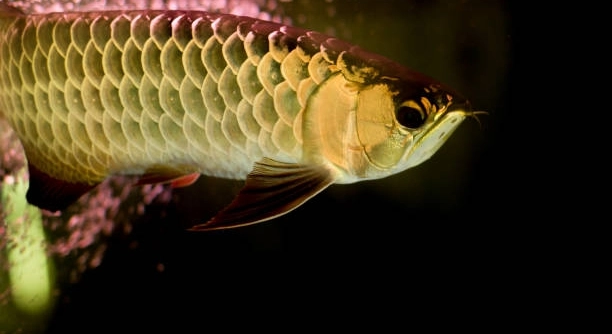
Have you ever noticed your Arowana swimming differently and wondered if something might be wrong? Observing their behavior closely can help you identify early warning signs before serious problems develop in your tank environment.
Early signs of Arowana distress include changes in appetite, unusual swimming patterns, color fading, and frequent surface gasping. Monitoring these indicators regularly allows for timely interventions to maintain the fish’s health and prevent further complications.
Recognizing these subtle cues ensures a healthier life for your Arowana and helps you respond effectively to their needs over time.
Recognizing Changes in Swimming Behavior
Arowanas are graceful swimmers, and any unusual movement can indicate stress. You might notice them swimming near the surface more often, staying in one corner, or floating listlessly. Sudden darting or rubbing against decorations can also signal discomfort. These changes may stem from poor water quality, temperature fluctuations, or internal health issues. Observing your fish daily helps you catch subtle differences early. Even slight changes in speed or pattern can be important. Over time, these behaviors may worsen if not addressed. Keeping a log of swimming patterns alongside tank maintenance can provide helpful insights. Adjusting water parameters and ensuring proper tank size reduces stress. Avoid overcrowding and provide hiding spaces for comfort. Consistent feeding routines also support normal swimming behavior. Stress can weaken their immune system, making them more vulnerable to disease.
Monitoring these movements consistently allows for early intervention and keeps your Arowana healthier.
Documenting patterns and comparing them over days gives clarity on whether behavior is temporary or requires attention.
Appetite and Eating Habits
Loss of appetite is a key sign of stress in Arowanas. Reduced interest in food can indicate illness, poor water conditions, or even subtle environmental changes.
Tracking feeding behavior daily can help pinpoint the problem. If your Arowana refuses meals consistently, it’s time to check water quality, diet, and tank temperature. Sudden changes in appetite are often linked to stressors like overcrowding, inappropriate lighting, or aggressive tank mates. Feeding smaller amounts more frequently can sometimes encourage eating. Ensure food is fresh and nutritionally balanced to maintain strength. If lack of appetite continues, consulting a veterinarian experienced with fish is advisable. Stress can also manifest as selective eating or preference for only certain foods. Observing your fish while eating allows you to spot potential jaw or digestive issues early. By addressing these factors promptly, you can restore normal feeding habits and support overall health. Proper care and attention to appetite can prevent long-term complications and promote a lively, active fish.
Color Changes and Physical Signs
Fading or dulling of color can signal stress or illness in Arowanas. Look for patches, redness, or uneven scales, which may indicate infections, poor water conditions, or nutrient deficiencies.
Regular observation of your fish’s coloration helps catch problems early. Healthy Arowanas display vibrant, consistent colors. Sudden fading often coincides with changes in water temperature, pH levels, or lighting. Nutritional gaps, especially lacking vitamins and minerals, can also affect their scales. Physical signs like frayed fins, cloudy eyes, or small wounds may appear alongside color changes. Maintaining clean water, providing a balanced diet, and monitoring environmental conditions can prevent or correct these issues. Using proper filtration and performing regular partial water changes reduces stress and supports natural coloration.
Even minor discoloration shouldn’t be ignored. Prompt attention prevents deterioration, ensuring your Arowana retains its natural beauty and remains active and healthy.
Surface Gasping and Respiratory Issues
Frequent gasping at the surface signals low oxygen levels or poor water quality. Observing breathing patterns is essential to prevent serious health problems.
Arowanas rely on well-oxygenated water to thrive. Rapid gill movement, open-mouth breathing, or lingering at the surface are clear indicators that oxygen is insufficient. High ammonia or nitrite levels can also irritate gills, causing similar behavior. Ensuring proper aeration, circulation, and filtration improves oxygen distribution in the tank. Avoid overcrowding and monitor temperature, as warmer water holds less oxygen. In some cases, adding aquatic plants or using air stones can enhance oxygen levels. Consistent testing of water parameters helps identify issues before they affect health.
Immediate action is crucial when gasping occurs. Adjusting water quality, enhancing aeration, and reducing stressors can quickly restore normal breathing and overall well-being.
Stress from Tank Environment
Overcrowding, strong currents, or sudden temperature changes can cause significant stress in Arowanas. They need space to swim freely and stable conditions to stay healthy.
Proper tank setup includes adequate filtration, gentle water flow, and consistent temperature. Decorations should provide hiding spots without restricting movement.
Aggression and Social Behavior
Arowanas may become aggressive toward tank mates if stressed or confined. Signs include chasing, nipping, or cornering other fish. Observing interactions helps prevent injuries and reduces stress. Maintaining compatible species and sufficient space minimizes aggression, promoting a calmer environment for all fish in the tank.
Fin and Scale Damage
Frayed fins or lifted scales often indicate stress, poor water quality, or minor injuries. Early attention prevents infections and supports recovery.
Water Quality Monitoring
Regular testing for ammonia, nitrites, nitrates, and pH is essential. Maintaining stable water parameters reduces stress and prevents illness, keeping your Arowana healthy and active.
FAQ
What are the earliest signs that my Arowana is stressed?
Early signs include changes in swimming patterns, such as staying near the surface, floating in one area, or darting suddenly. Reduced appetite, faded coloration, frayed fins, and unusual gill movement are also key indicators. Observing these behaviors daily allows you to act before problems worsen.
How often should I monitor my Arowana’s behavior?
Daily observation is best. Even brief checks during feeding or tank maintenance can reveal subtle changes. Noting patterns in swimming, breathing, and feeding behavior helps detect stress or illness early. Keeping a simple log can track gradual changes that might otherwise go unnoticed.
What water parameters should I keep an eye on?
Regularly test ammonia, nitrites, nitrates, pH, and temperature. Arowanas are sensitive to fluctuations. Ammonia and nitrite should be at zero, nitrates below 40 ppm, pH between 6.5 and 7.5, and temperature around 75–82°F. Stable conditions reduce stress and support overall health.
How can I improve oxygen levels in the tank?
Surface agitation, air stones, and proper filtration help increase oxygen. Avoid overcrowding and ensure water temperature is stable, as warmer water holds less oxygen. Plants can also contribute to oxygenation. Observing breathing patterns helps confirm whether oxygen levels are sufficient.
What should I do if my Arowana stops eating?
Check water quality, temperature, and tank conditions first. Offer smaller, varied meals and ensure food is fresh. If appetite doesn’t improve, consider a veterinary check to rule out illness. Stress reduction, consistent feeding routines, and proper diet often restore normal eating habits.
Are color changes always a sign of illness?
Not always. Minor fading can result from lighting changes, natural growth, or mild stress. However, persistent dullness, patchy coloration, or red marks often indicate health issues, poor water conditions, or nutritional deficiencies. Quick action helps prevent further problems.
How can I reduce aggression in a community tank?
Ensure adequate space and choose compatible species. Remove overly aggressive tank mates if needed. Providing hiding spots, avoiding sudden changes in the environment, and maintaining consistent feeding routines helps minimize stress-related aggression.
What is the best way to prevent fin or scale damage?
Maintain clean water and avoid overcrowding. Provide smooth decorations and ensure tank mates are peaceful. Regular observation of fins and scales allows you to identify minor damage early and treat it before infection occurs.
How do I know if surface gasping is serious?
Occasional surface breathing can be normal, but frequent gasping with rapid gill movement usually signals low oxygen or poor water quality. Check parameters immediately, improve aeration, and monitor closely until normal behavior returns.
Can diet affect Arowana stress levels?
Yes. A balanced diet with protein, vitamins, and minerals supports immune function and reduces stress. Avoid overfeeding, remove uneaten food promptly, and offer variety to maintain health and vitality.
How often should I clean the tank?
Partial water changes of 20–30% weekly help maintain water quality. Clean filters as recommended by the manufacturer. Avoid full tank cleanings unless necessary, as drastic changes can stress the fish.
What steps help Arowanas recover from minor stress?
Stabilize water conditions, reduce tank disturbances, provide hiding spots, and ensure proper feeding. Observing behavior closely and addressing small issues quickly supports faster recovery. Patience and consistency are key to helping your fish regain normal activity and appetite.
How can I tell if my Arowana needs a veterinarian?
Persistent changes in appetite, swimming, breathing, or coloration that do not improve with environmental adjustments may require professional attention. Signs of infection, severe fin damage, or lethargy are also reasons to consult a vet experienced with fish care.
Are there preventive measures to reduce stress long-term?
Maintain stable water quality, a proper diet, adequate tank space, and compatible tank mates. Consistent observation, gentle handling, and a calm environment help prevent stress before it starts. Routine care is the most effective way to ensure long-term health.
What equipment is essential for monitoring Arowana health?
Basic tools include a reliable water test kit, thermometer, aeration system, and appropriate filtration. A notebook or log helps track behavior, feeding, and water parameters. This simple setup allows timely interventions and promotes consistent well-being.
How can I adjust my tank if my Arowana shows repeated signs of stress?
Reassess tank size, water parameters, and environmental enrichment. Remove aggressive companions, add hiding spots, and ensure proper filtration. Small, consistent changes often restore comfort and reduce stress, while major adjustments should be gradual to prevent further issues.
What role does lighting play in stress management?
Consistent, moderate lighting helps regulate natural rhythms. Sudden bright lights or long periods of darkness can stress Arowanas. Use timers for predictable light cycles and avoid harsh or flickering sources. Proper lighting supports natural behavior and coloration.
How can I make monitoring more manageable daily?
Observe during routine feeding, cleaning, or maintenance. Use a checklist or log to record swimming, appetite, and coloration. Consistency in observation ensures early detection of any unusual signs, making daily care efficient and effective.
What are signs of chronic stress in Arowanas?
Chronic stress shows as persistent dull coloration, slow or erratic swimming, frequent gasping, and refusal to eat. Over time, the immune system weakens, increasing vulnerability to disease. Early intervention and environmental adjustments are crucial to prevent long-term health problems.
How important is tank size in preventing stress?
Arowanas need spacious tanks to swim comfortably. Inadequate space causes aggression, lethargy, and abnormal swimming. Providing a tank appropriate for the adult size of the fish is essential for reducing stress and encouraging natural behaviors.
Can I prevent stress by controlling feeding routines?
Yes. Regular, consistent feeding schedules help reduce anxiety and encourage normal behavior. Overfeeding or irregular feeding can contribute to water quality issues and stress. Offering a variety of fresh, balanced food supports long-term health.
What should I prioritize if multiple stress signs appear?
Address water quality first, then evaluate tank conditions, diet, and social environment. Prompt correction of environmental stressors has the most immediate positive impact. Document changes and adjust gradually, ensuring the fish recovers safely.
How long does it take for an Arowana to recover from minor stress?
Recovery varies with severity. Mild stress may resolve in a few days once water parameters stabilize, diet is balanced, and the environment is calm. Consistent observation and care accelerate improvement, helping the fish return to normal behavior quickly.
Is it normal for Arowanas to hide when stressed?
Yes. Hiding reduces exposure and conserves energy. Providing shelters like plants or décor allows the fish to feel safe. Frequent hiding alongside other stress indicators warrants checking water quality and tank conditions.
What steps can prevent recurring stress issues?
Regular water testing, consistent feeding, proper tank size, compatible tank mates, and gentle handling minimize recurring stress. Monitoring behavior daily ensures early detection, allowing prompt corrections and maintaining long-term fish health.
Final Thoughts
Caring for an Arowana requires consistent attention to their environment, diet, and behavior. These fish are sensitive to changes in water quality, temperature, and tank conditions. Even small fluctuations can cause stress, affecting their appetite, swimming patterns, coloration, and overall health. Observing your Arowana daily allows you to detect subtle signs early, which makes a significant difference in preventing illness or long-term complications. Keeping track of behaviors, feeding routines, and water parameters helps create a clear picture of your fish’s well-being. Small adjustments, like improving aeration, stabilizing temperature, or offering a more balanced diet, often resolve minor issues before they become serious.
Providing a stable and well-maintained environment is one of the most effective ways to keep your Arowana healthy. Tank size plays a major role, as these fish need plenty of space to swim freely. Decorations and hiding spots can reduce stress, but they should not obstruct movement or crowd the tank. Filtration and water circulation must be sufficient to maintain clean, oxygen-rich water. Regular partial water changes prevent the buildup of harmful chemicals like ammonia and nitrites. A proper lighting schedule and consistent feeding routine also support overall health. Paying attention to these details ensures your Arowana remains active, vibrant, and less prone to stress or disease.
Understanding the early signs of distress allows for timely interventions, which can make the difference between a minor issue and a serious health problem. Changes in swimming behavior, appetite, coloration, or gill movement should not be ignored. By addressing environmental, dietary, and social factors promptly, you give your Arowana the best chance to thrive. Consistency, patience, and careful observation are key. Over time, this approach not only improves the health of your fish but also strengthens your ability to recognize normal behavior versus warning signs. Prioritizing these practices helps ensure that your Arowana lives a long, healthy, and comfortable life in its tank.

Hello,
If you enjoy the content that we create, please consider saying a "Thank You!" by leaving a tip.
Every little bit helps us continue crafting quality advice that supports the health, happiness, and well-being of pets around the world, for pets of all shapes, sizes, and species.
We really appreciate the kindness and support that you show us!