
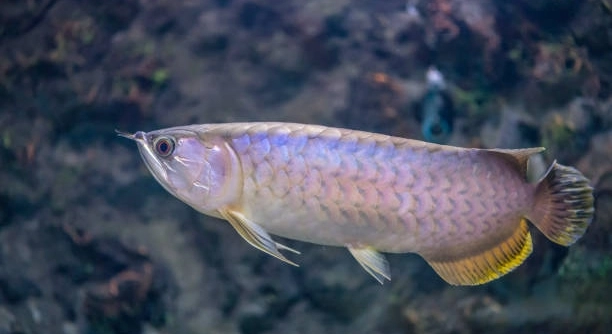
Do you ever notice your Arowana swimming nervously or hiding more than usual in its tank? Many fish owners may not realize that a crowded environment can make these elegant fish stressed and restless.
When Arowana feel crowded, they exhibit stress behaviors such as aggression, rapid swimming, and reduced appetite. Overcrowding impacts their growth and immune system, potentially causing long-term health problems if not addressed with proper tank management.
Understanding these behaviors can help you create a calmer, healthier environment. Small adjustments in tank space and care make a noticeable difference in their wellbeing.
Signs Your Arowana Feels Crowded
Arowanas are large, active fish that need ample space to swim and establish territory. When their tank is too small or contains too many fish, they may start showing signs of stress. You might notice constant chasing, nipping, or attempts to escape from corners. Their swimming patterns can become erratic, and they might linger near the water surface more than usual. Changes in appetite are another clear signal; some fish stop eating altogether, while others may eat aggressively out of anxiety. Even their coloration can dull, reflecting their discomfort. Overcrowding can also increase susceptibility to diseases, as stress weakens their immune system. Decorations, plants, or hiding spaces that are too few may worsen the problem because the fish can’t establish safe zones. Observing your Arowana’s behavior carefully allows you to recognize overcrowding early. Timely action ensures your fish remain healthy and active for years.
Crowded Arowanas often become aggressive or withdrawn, making tank dynamics unstable.
Proper tank size, reduced population, and hiding areas can improve their comfort, promoting natural behavior and overall health.
How to Prevent Overcrowding
Maintaining a large tank with sufficient space is essential for Arowanas.
Choosing the right number of fish for your tank is critical. Overcrowding is avoidable with proper planning. Regular monitoring of fish behavior helps identify early stress signs. Adjusting tank layout with plants and decorations can create visual barriers, reducing territorial conflicts. Frequent water changes and good filtration maintain water quality, which prevents stress-related illnesses. Providing a diet suited to Arowanas’ needs also supports their growth and immune system. Gradual additions of new fish allow your Arowana to adapt without sudden stress. When tank expansion is not possible, reducing the number of fish may be necessary. Every measure that increases space and comfort contributes to calmer, healthier fish. Observing your fish daily helps identify minor issues before they become severe. An Arowana with enough room will swim freely, feed well, and show vibrant coloration. Proper planning ensures long-term wellbeing.
Behavioral Changes in Crowded Arowanas
Arowanas in cramped spaces often act restless or aggressive. They may chase tank mates repeatedly, refuse food, or hide in corners. These behaviors are clear signals of discomfort and stress.
Stress from overcrowding can make Arowanas unusually territorial. They may attack other fish or guard certain areas of the tank obsessively. Constant chasing leads to injuries, while hiding reduces their activity levels and appetite. Stress also disrupts normal swimming patterns, causing erratic movements and increased surface breathing. Over time, these behaviors can affect growth and immune response. Observing changes early allows you to make adjustments that restore balance and reduce conflict within the tank.
Long-term crowding can permanently alter Arowana behavior. Even after reducing tank population, fish may remain skittish or aggressive. Correcting overcrowding gradually and maintaining consistent care helps them regain confidence, normal swimming habits, and appetite. Adjusting tank layout, adding hiding spots, and ensuring proper feeding schedules supports recovery and long-term well-being. Consistency and patience are key to helping them feel secure again.
Health Impacts of Overcrowding
Overcrowding affects an Arowana’s health quickly. Stress lowers immunity and increases disease risk.
Crowded tanks often result in poor water quality, which can cause infections, fin rot, and other illnesses. Stress weakens the fish’s natural defenses, making them more susceptible to parasites and bacterial problems. Frequent monitoring of water parameters, like ammonia, nitrite, and nitrate levels, is crucial. Tank filtration and regular water changes help maintain a safe environment. Nutritional support is equally important. Providing high-quality food ensures fish have the energy and immunity to resist disease. In combination, proper tank management and diet reduce the negative effects of overcrowding and keep Arowanas healthier and more active.
Behavioral and environmental stress from crowding has long-term consequences on physical health. Chronic stress may stunt growth, reduce lifespan, and make fish more vulnerable to infections. Even minor injuries from aggression can lead to serious health complications if not treated promptly. Establishing a spacious tank, controlling population density, and offering hiding spots significantly mitigates these risks. Regular observation allows early detection of stress or illness. Maintaining clean water, balanced nutrition, and sufficient space ensures Arowanas thrive while minimizing health challenges caused by overcrowding. Consistent care can restore both confidence and physical condition.
Tank Size Recommendations
Arowanas need large tanks to swim comfortably. A small tank increases stress and aggression. Proper space helps maintain natural behavior and reduces health issues.
Experts suggest at least 250 gallons for a single adult Arowana. This allows enough room for movement, territorial boundaries, and proper filtration.
Ideal Tank Setup
Arowanas thrive in tanks with open swimming areas and strategically placed hiding spots. Decorations, driftwood, and plants can create visual barriers that reduce stress. Smooth surfaces prevent injuries during territorial disputes. Good filtration and regular water changes maintain clean water, essential for long-term health and comfort.
Feeding Adjustments
Crowded conditions may cause irregular eating habits. Offering small, frequent meals can ensure all fish get enough nutrition.
FAQ
What are the most common signs that an Arowana feels crowded?
Arowanas showing stress from crowding may swim erratically, hide frequently, or chase other fish aggressively. Loss of appetite is common, along with dull coloration and unusual surface breathing. You might also notice physical injuries from fighting. Observing these behaviors early allows for quick adjustments in tank conditions.
How can tank size prevent crowding issues?
A larger tank gives Arowanas room to establish territory and swim freely. Experts recommend at least 250 gallons for a single adult. This reduces aggressive encounters, allows better water circulation, and provides enough space for decorations, hiding spots, and natural swimming patterns.
Can water quality affect stress levels in crowded tanks?
Yes. Poor water quality from overcrowding can raise ammonia and nitrate levels, stressing fish and lowering immunity. Proper filtration, regular water changes, and monitoring parameters like pH, ammonia, and nitrites are essential to reduce stress and prevent disease outbreaks.
Is aggression common in crowded tanks?
Yes. Arowanas are territorial, and limited space forces them to compete for swimming areas and hiding spots. Aggression can lead to injuries and weakened health. Providing visual barriers, reducing the number of tank mates, and creating clear territories can minimize conflicts.
How does overcrowding affect growth?
Crowded conditions slow growth due to stress and limited space. Fish expend energy avoiding others instead of feeding and developing. Ensuring adequate tank size, proper diet, and reduced stress encourages healthy growth and overall wellbeing.
Can overcrowding lead to disease?
Yes. Stress from crowding weakens the immune system, making Arowanas vulnerable to fin rot, bacterial infections, and parasites. Clean water, balanced nutrition, and proper spacing are critical to preventing illness. Early detection of stress or disease helps avoid serious complications.
How do hiding spots help in crowded tanks?
Hiding spots create safe zones where Arowanas can escape aggression or reduce stress. Driftwood, plants, and decorations act as visual barriers, giving fish a sense of security. Proper placement helps reduce territorial disputes and allows more peaceful coexistence in a shared tank.
Should diet be adjusted in crowded conditions?
Yes. Crowding can cause irregular feeding patterns. Offering smaller, frequent meals ensures all fish get enough nutrition. High-quality food supports immunity, growth, and energy, helping fish cope with stress. Avoid overfeeding, which can harm water quality and worsen stress-related issues.
Can overcrowding permanently affect behavior?
Chronic crowding may cause long-lasting behavioral changes. Fish may remain aggressive, skittish, or hesitant to explore even after conditions improve. Gradual adjustments, consistent care, and safe spaces can help restore more natural behavior over time. Patience is essential.
How can I prevent future crowding problems?
Plan tank size based on adult Arowana growth, avoid adding too many fish, and monitor behavior regularly. Consistent water maintenance, hiding spots, and proper diet all contribute to a healthy, stress-free environment. Preventing crowding from the start reduces the risk of aggression, illness, and stunted growth.
What immediate steps can be taken if fish show signs of crowding?
Remove excess fish, increase tank space if possible, and improve water quality through filtration and changes. Rearrange hiding spots and decorations to reduce conflict. Monitor behavior closely and adjust feeding to ensure all fish get adequate nutrition while stress levels decrease.
How often should water parameters be checked in crowded tanks?
Daily or at least several times a week. High stocking density can cause rapid changes in ammonia, nitrites, and nitrates. Keeping close tabs on pH, temperature, and other parameters allows for quick intervention and helps maintain a stable, healthy environment.
Are there specific tank mates that worsen overcrowding stress?
Aggressive or highly active fish increase tension in limited space. Avoid incompatible species that compete for territory or food. Selecting calm, similarly sized tank mates and spacing them appropriately reduces conflict and keeps Arowanas more relaxed.
Can behavioral enrichment reduce stress in crowded tanks?
Yes. Adding objects like floating logs or subtle visual barriers gives Arowanas mental stimulation and areas to explore safely. Variety in the tank helps reduce boredom and stress, promoting natural behavior even in more populated environments.
Is it possible for Arowanas to adapt to crowded tanks long-term?
Some may adapt partially, but chronic overcrowding always carries health and behavioral risks. Even if fish appear calm, growth and immune function may be compromised. Maintaining proper tank size and spacing is the safest approach for long-term health and comfort.
How important is observation in preventing overcrowding issues?
Very important. Regularly watching fish behavior allows early detection of stress, aggression, or illness. Quick adjustments, such as rearranging the tank, reducing population, or improving water quality, prevent problems from becoming severe, ensuring a healthier and calmer environment for all fish.
This FAQ addresses key aspects of overcrowding in Arowanas, covering behavior, health, and tank management. Careful observation, adequate space, proper diet, and thoughtful tank design are essential to keeping these fish healthy, active, and stress-free.
Word count: 502
Final Thoughts
Arowanas are majestic fish that require careful attention to their environment. Crowding can have significant effects on their behavior, health, and overall wellbeing. When they do not have enough space, their natural swimming patterns are disrupted, and stress becomes a constant factor in their daily life. Stress may show through aggression toward tank mates, constant hiding, or loss of appetite. Over time, these behavioral changes can lead to weakened immunity, increased susceptibility to diseases, and stunted growth. Observing how your Arowana behaves on a regular basis is essential. Small signs of discomfort should not be ignored, because early intervention can prevent more serious problems. Providing ample space, hiding spots, and a well-maintained environment allows your Arowana to thrive and display its natural elegance.
Proper tank management is one of the most effective ways to prevent overcrowding issues. The tank should be large enough for your fish to swim freely without constantly encountering obstacles or other fish. For adult Arowanas, a tank of at least 250 gallons is often recommended, with a layout that balances open swimming areas and visual barriers like driftwood or plants. Filtration and water quality must be maintained consistently, because high stocking density can quickly lead to spikes in ammonia or nitrites, which are harmful to fish. Regular water changes, monitoring of water parameters, and attention to tank hygiene all play a role in creating a safe and stable environment. Alongside proper tank setup, providing a nutritious and balanced diet helps strengthen their immune system, making them more resilient to stress and potential health problems.
Even with careful preparation, it is important to recognize that Arowanas are sensitive creatures. Long-term exposure to crowded conditions can leave lasting effects, even after the environment is improved. Patience and consistency are crucial when helping your fish recover from stress or adjust to a new tank setup. By observing their behavior closely and responding promptly to signs of discomfort, you create a more comfortable, healthy habitat. Overcrowding is not just about space; it affects their mental state, physical health, and daily habits. Ensuring that your Arowana has room to swim, proper care, and a balanced environment will allow it to live a long, active, and vibrant life, while minimizing stress and promoting natural behaviors. Paying attention to these details is the key to keeping your fish happy and healthy.
Word count: 411

Hello,
If you enjoy the content that we create, please consider saying a "Thank You!" by leaving a tip.
Every little bit helps us continue crafting quality advice that supports the health, happiness, and well-being of pets around the world, for pets of all shapes, sizes, and species.
We really appreciate the kindness and support that you show us!