
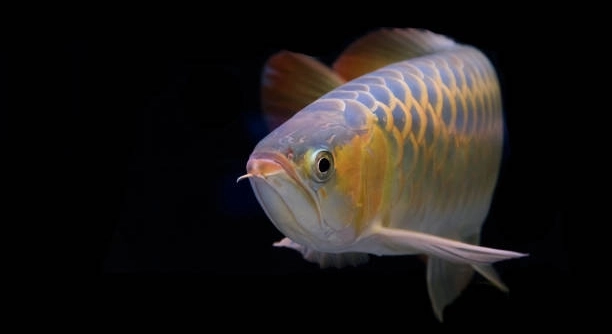
Is your arowana spending most of its time staring at a single spot in the tank? Many fish owners notice this behavior and wonder if it signals stress, illness, or simply a quirk in their pet’s habits.
Arowanas often focus on one spot due to stress, reflections, or environmental factors. Tank setup, water quality, or changes in lighting can influence their behavior, causing them to fixate on areas that feel safe or stimulating.
Understanding why your arowana behaves this way can help you create a healthier environment and encourage more natural, active swimming patterns in your tank.
Common Reasons Arowanas Face One Spot
Many arowana owners notice their fish staring at a particular area, and it can be caused by several factors. Lighting plays a significant role; reflections from glass or tank decorations often catch their attention. Water quality is another important factor. Arowanas are sensitive to ammonia, nitrites, and sudden changes in pH. Stress from nearby disturbances, like loud noises or sudden movements, can also cause this behavior. Sometimes, the fish may simply feel comfortable in a specific corner where it senses safety. Uneven tank heating or strong currents might make other areas less appealing, prompting your arowana to remain in one place. Health issues, including parasites or minor injuries, can make movement uncomfortable, leading to prolonged fixation. Observing patterns in behavior can help determine whether environmental adjustments or medical attention is needed.
Fixing water parameters and adjusting lighting often reduces the fixed staring. Regular checks prevent prolonged stress and improve activity.
Identifying why your arowana fixates on one spot involves close observation. Note the tank setup, including decorations and placement, and monitor water quality carefully. Changes in feeding patterns or daily routine may also impact behavior. Tracking these details over time helps determine whether adjustments are needed or if a veterinary consultation is necessary. By addressing environmental and health factors, you can create a more stimulating and comfortable habitat, encouraging natural swimming and exploration. Consistent care and attention allow your arowana to feel secure and reduce repetitive, fixated behaviors.
Environmental Adjustments to Encourage Movement
Adjusting lighting and decorations can encourage arowanas to explore more of the tank. Bright reflections and shadows often influence where they spend time.
Providing hiding spots, gentle water flow, and stable temperature creates a balanced environment. Introduce gradual changes in decor and feeding locations to stimulate exploration. Avoid overcrowding, which can increase stress. Regular water testing and filtration maintenance ensure clean conditions, preventing behavioral issues. Interactive elements, like floating plants or driftwood, encourage swimming across different areas. Observing your fish’s responses to these changes allows fine-tuning of tank conditions for comfort. Proper lighting cycles, consistent feeding times, and quiet surroundings promote natural activity. Over time, these adjustments reduce fixated staring and improve overall well-being, leading to a more active, healthy arowana that enjoys its full tank space.
Health Concerns to Watch
Arowanas staring at one spot can indicate health issues. Parasites, minor injuries, or infections may make movement uncomfortable. Regular observation helps catch problems early and ensures your fish stays active and healthy.
Stress or illness often shows through repetitive behaviors. Poor water quality, including high ammonia or nitrite levels, can weaken the immune system. Internal parasites may cause discomfort, leading your arowana to avoid certain areas. Minor injuries from tank decorations or aggressive tankmates may also cause the fish to stay in one spot. Monitoring swimming patterns, appetite, and overall appearance provides clues. Immediate action, such as water adjustments or veterinary care, helps prevent long-term health problems and encourages normal activity, reducing the chance of persistent fixation.
Diet also affects overall behavior and health. A balanced, protein-rich diet supports immunity and energy levels. Overfeeding or inconsistent feeding schedules can cause lethargy. Supplementing with live or frozen foods encourages natural hunting behaviors. Nutritional support helps the fish recover from minor stress and promotes curiosity within the tank. By combining dietary care with regular health checks and a clean, stable environment, your arowana will be more active, reduce its fixed staring, and maintain long-term well-being, showing healthier movement patterns and stronger responses to environmental changes.
Tank Setup and Space
Tank size and layout play a major role in arowana behavior. Small or cluttered tanks can limit movement and cause the fish to fixate on one spot. Proper space allows natural swimming patterns and reduces stress.
Arowanas are large, active fish that require ample swimming space. Restrictive environments can lead to repetitive behaviors, such as staring at a single area. Decorations, rocks, or driftwood should be arranged to create open swimming zones. Avoid overcrowding with too many tankmates, which increases tension and restricts movement. Water flow should be gentle but consistent, providing stimulation without causing exhaustion. Maintaining appropriate lighting cycles ensures the fish feels secure. Gradually adjusting decorations or moving feeding spots encourages exploration. A spacious, well-organized tank supports natural activity, reducing fixated staring and promoting overall health, giving your arowana room to thrive physically and mentally.
Lighting and Reflections
Strong reflections on the glass or uneven lighting often catch an arowana’s attention. Bright spots or shadows can make the fish fixate on one area. Adjusting light intensity and positioning can reduce this behavior and create a calmer tank environment.
Indirect or diffused lighting encourages natural swimming. Avoid placing the tank near windows with direct sunlight. Moving light sources or using a soft overhead light helps minimize reflections that may confuse or stress the fish. Consistent day-night cycles also support normal activity and reduce repetitive staring at specific spots.
Water Quality Checks
Maintaining stable water parameters is crucial. Ammonia, nitrite, and pH fluctuations stress arowanas and can lead to fixated behaviors. Regular testing and timely adjustments ensure a healthy environment.
Feeding Patterns
Changing feeding routines can encourage movement. Offering food in different areas of the tank stimulates exploration and reduces staring at one spot.
Behavioral Observation
Tracking your arowana’s behavior helps identify triggers. Noting the time, location, and conditions of fixated staring provides insight for adjustments to the tank or routine.
FAQ
Why is my arowana always staring at one spot?
Arowanas may stare at one spot for several reasons. Common causes include reflections on the glass, stress from a crowded or noisy environment, or discomfort caused by water quality issues. Sometimes the fish simply finds a particular spot comfortable or safe. Observing its behavior alongside water parameters and tank setup helps identify the reason.
Can tank decorations cause this behavior?
Yes. Sharp or large decorations can make certain areas of the tank uncomfortable for your arowana. The fish may avoid areas with strong currents or tight spaces, choosing instead a spot where it feels secure. Rearranging decorations to provide open swimming zones and gentle water flow encourages movement.
Is this behavior a sign of illness?
In some cases, yes. If the arowana shows other symptoms such as loss of appetite, clamped fins, unusual swimming patterns, or visible injuries, fixated staring could indicate health issues. Parasites, minor injuries, or infections may make the fish reluctant to swim. Regular observation and water testing are essential.
How can lighting affect this behavior?
Lighting plays a big role. Bright reflections, shadows, or uneven lighting may attract or stress the arowana, causing it to fixate on one spot. Using indirect or diffused lighting, and maintaining consistent day-night cycles, reduces stress and encourages natural swimming.
Does tank size matter?
Absolutely. Arowanas are active, large fish. A small or overcrowded tank limits movement and can cause repetitive staring. Ensuring a spacious tank with open swimming areas supports normal behavior. Avoid overcrowding with too many tankmates to reduce stress.
Can feeding routines help?
Yes. Offering food in different locations of the tank encourages exploration. Live or frozen foods stimulate natural hunting behaviors, promoting movement and reducing time spent staring at one spot. Consistent feeding schedules also maintain energy levels and overall health.
Should I check water quality regularly?
Always. Ammonia, nitrite, nitrate levels, and pH fluctuations stress arowanas and can cause fixated behaviors. Regular water testing and adjustments prevent health issues and encourage active swimming. Clean, stable water is essential for overall well-being.
Is this behavior normal sometimes?
Occasionally, yes. Arowanas may rest in one spot or observe their surroundings, especially if the area feels safe or comfortable. The problem arises when the behavior is constant or accompanied by signs of stress or illness. Monitoring patterns helps determine if intervention is needed.
What environmental changes can reduce staring?
Adjusting lighting, rearranging tank decorations, providing open swimming space, and maintaining water quality all help. Gradually moving feeding locations and introducing interactive elements like driftwood or floating plants can stimulate exploration and natural movement.
When should I consult a vet?
Consult a vet if staring is persistent and paired with other symptoms such as loss of appetite, visible injuries, lethargy, or unusual swimming. Early intervention prevents long-term health issues and ensures your arowana remains active and healthy.
How long does it take for behavior to improve?
With proper adjustments, changes can be seen in days to weeks. Gradual environmental improvements, consistent feeding, and stable water conditions encourage natural movement. Monitoring progress ensures your arowana adapts comfortably without stress.
Can reflections really confuse arowanas?
Yes. Arowanas may perceive reflections as other fish or threats. This can lead to fixation on a single spot. Reducing reflections with plants, background covers, or indirect lighting helps the fish feel secure and promotes free swimming.
Are there behavioral signs I should track daily?
Track swimming patterns, location preferences, feeding response, and overall activity. Note any changes in energy, appetite, or interaction with tankmates. Keeping a daily log helps identify triggers for fixated staring and guides necessary adjustments.
Do water flow and currents affect this behavior?
Yes. Strong currents may make certain areas uncomfortable. Arowanas tend to stay where water flow feels safe. Adjusting pumps or filters to provide gentle, consistent flow encourages exploration without causing fatigue.
Can multiple factors contribute simultaneously?
Definitely. Lighting, water quality, tank layout, feeding patterns, and minor health issues can combine to influence behavior. Addressing each factor systematically ensures the arowana remains active, comfortable, and exhibits natural swimming habits.
Will this behavior affect long-term health?
Persistent stress, poor water quality, or limited movement can impact health. Over time, lethargy or immune suppression may occur. Creating a stable, stimulating environment helps prevent long-term consequences and encourages natural behavior.
Are certain arowana species more prone to this behavior?
Some species are naturally more cautious or territorial. While behavior varies individually, all arowanas benefit from adequate space, proper lighting, clean water, and careful tank management to reduce fixated staring.
How can I tell if my interventions are working?
Monitor changes in swimming activity, appetite, and engagement with the tank environment. Gradual increase in exploration and reduced time spent in one spot indicates positive results from adjustments. Keep observing for consistent improvement over several weeks.
What is the most effective overall strategy?
A combined approach works best: maintain clean water, adjust lighting, provide open swimming areas, vary feeding locations, and observe for health concerns. Small, consistent changes create a comfortable, stimulating environment, reducing fixated staring and promoting natural, healthy behavior.
Can tankmates influence this behavior?
Yes. Aggressive or overly active tankmates can stress arowanas, causing them to retreat and fixate on one spot. Ensuring compatible species and sufficient space helps reduce stress and encourages normal movement.
Is this behavior reversible?
In most cases, yes. Addressing environmental, health, and dietary factors often restores natural swimming patterns. Patience and careful observation ensure your arowana adapts safely and becomes more active over time.
How often should I make adjustments to see results?
Gradual changes every few days are ideal. Sudden or drastic alterations may cause stress. Monitor responses and continue small adjustments until natural behavior returns, maintaining stable water conditions and proper tank setup throughout.
Are there any signs that staring is temporary?
Temporary staring often coincides with minor changes, like feeding or light reflections. The fish may move naturally afterward. Persistent staring, combined with lethargy or loss of appetite, indicates a need for closer attention.
Does temperature play a role?
Yes. Inconsistent or extreme temperatures can stress arowanas. Maintaining a stable, appropriate temperature range supports activity and prevents behaviors like prolonged staring at one spot.
Final Thoughts
Arowanas are unique and sensitive fish, and their behavior often reflects their environment and well-being. When you notice your arowana spending long periods staring at one spot, it is usually a sign that something in its surroundings or routine needs attention. While it can be easy to assume the behavior is simply a quirk, repeated fixation may indicate stress, discomfort, or even a health issue. Observing your fish carefully and noting patterns in its behavior is the first step toward understanding the reason behind this action. Many factors influence an arowana’s habits, including tank size, water quality, lighting, decorations, feeding patterns, and tankmates. By evaluating each of these areas, you can make gradual improvements that encourage natural activity and create a comfortable space for your fish. Awareness of these details allows you to maintain an environment that supports the physical and mental health of your arowana.
Water quality is one of the most important aspects of arowana care, and it directly impacts behavior. Poor water conditions can stress your fish, making it more likely to fixate on one area of the tank. Checking ammonia, nitrite, nitrate levels, and pH regularly helps maintain stable water parameters. Temperature stability also plays a role in keeping the fish active and comfortable. Small changes, like adjusting water flow or rearranging decorations, can reduce areas that feel stressful or unsafe. Additionally, lighting is a significant factor, as reflections or overly bright areas can confuse the fish and cause prolonged staring. Using gentle, indirect light and establishing a consistent day-night cycle helps your arowana feel secure. By addressing these environmental factors, you can encourage more natural swimming patterns and reduce repetitive behaviors that may indicate stress.
Diet and daily routines also influence behavior. Providing a balanced, protein-rich diet and varying feeding locations can encourage exploration and prevent the fish from staying in one spot for too long. Monitoring your arowana’s health for signs of illness, such as lethargy, loss of appetite, or unusual swimming, is essential, as underlying health problems can amplify fixated behavior. Over time, creating a combination of a stable environment, proper nutrition, and careful observation fosters a healthy and active fish. The goal is to provide a tank where your arowana feels safe, stimulated, and confident to move freely. With consistent care and attention, the repetitive behavior of staring at one spot can be minimized, allowing your fish to thrive in its habitat and exhibit more natural, lively behaviors.

Hello,
If you enjoy the content that we create, please consider saying a "Thank You!" by leaving a tip.
Every little bit helps us continue crafting quality advice that supports the health, happiness, and well-being of pets around the world, for pets of all shapes, sizes, and species.
We really appreciate the kindness and support that you show us!