
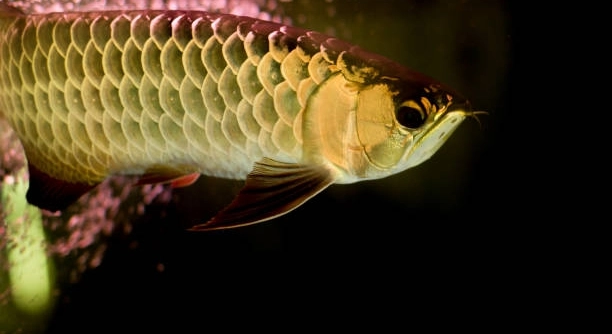
Do you ever notice your Arowana swimming anxiously or hiding for long periods in its tank? Watching them move nervously can feel unsettling, especially when you want your fish to feel comfortable and at ease in its environment.
Certain sounds can have a calming effect on Arowanas, helping to reduce stress and promote steady swimming behavior. Gentle water flow, soft bubbling, and subtle background noises mimic natural habitats, contributing to overall well-being and a stable environment for the fish.
Exploring these calming sounds can help you create a more peaceful tank, improving both your Arowana’s health and your experience as a fish owner.
Gentle Bubbling Sounds
Soft bubbling from an aquarium filter or an air stone can create a soothing environment for Arowanas. The gentle, rhythmic sound resembles natural water movement, which can help the fish feel safe and secure. I noticed that when I added a small bubbler to my tank, my Arowana stopped hiding as much and spent more time exploring. The continuous but soft noise seems to mask sudden disturbances in the room, reducing stress. Bubbling also keeps the water well-oxygenated, which benefits the fish physically while providing calming auditory stimulation. The key is to keep the bubbles steady and avoid excessive noise that could startle the fish. Small adjustments in bubble flow can make a noticeable difference in the tank’s atmosphere. Even a slight change in the speed or placement of the bubbler can affect how comfortable your Arowana feels, making this a simple but effective method for promoting calm behavior.
Gentle bubbling can lower stress in Arowanas and encourage more natural swimming patterns and relaxed activity.
Creating a soft, steady bubbling environment is one of the easiest ways to make an Arowana feel secure. The sound replicates streams or shallow rivers where they might live in the wild. Over time, this familiar noise encourages consistent, calm movement, and less erratic swimming. It also helps reduce signs of anxiety, like darting or rubbing against tank walls. Observing the fish closely after introducing bubbles lets you adjust the setup to match your Arowana’s preferences. This technique is low-effort but highly effective in enhancing their daily comfort and supporting overall health.
Soft Background Music
Soft instrumental music played near the aquarium can help Arowanas stay calm. Music with slow, gentle tempos works best, avoiding sudden changes in volume or intensity that could startle the fish.
Playing music quietly near the tank can reduce tension and encourage peaceful swimming.
Music can create a stable auditory environment for Arowanas, similar to sounds they might hear in slow-moving rivers. Over time, they may associate the soft tones with calm periods, reducing stress-related behaviors. It’s important to monitor the volume carefully, as loud or abrupt sounds can have the opposite effect, increasing anxiety. Choosing consistent, mellow music and playing it regularly can help your fish settle into a routine, making feeding and interaction times smoother. This method complements other calming techniques, like gentle bubbling, to maintain an overall peaceful tank atmosphere. Personal experience shows that even brief periods of soft music help the Arowana explore more confidently and stay in open areas rather than hiding constantly.
Flowing Water Sounds
Flowing water from a small pump or fountain can calm Arowanas. The movement and sound mimic natural habitats, helping them feel secure while swimming steadily.
I added a miniature fountain to my tank and noticed immediate changes in my Arowana’s behavior. The fish began exploring more and seemed less tense. The continuous, soft flow of water masks sudden household noises, creating a more predictable and comfortable environment. Flowing water also encourages natural swimming patterns, keeping the fish active without causing stress. Adjusting the fountain’s speed to a gentle stream ensures the sound is consistent without being overwhelming. Over time, the presence of flowing water has become part of my Arowana’s routine, signaling calm periods and reducing anxious reactions to minor disturbances.
The sound of flowing water supports both mental and physical health by encouraging calm movement and steady breathing, making it an effective addition to any tank setup.
Rainfall Sound Effects
Rainfall sound effects played near the aquarium can provide a natural calming atmosphere. The steady, gentle patter helps reduce abrupt reactions in Arowanas.
Using a small speaker to play soft rainfall near my tank helped my Arowana settle more quickly during noisy days. The consistent rhythm of the raindrops creates a serene environment that mimics the fish’s natural surroundings. Over time, the Arowana seems to anticipate quiet periods during the rainfall playback, reducing erratic movements. This method works well combined with gentle bubbling or flowing water, as it adds another layer of soothing sound without being intrusive. Choosing recordings with soft, steady rain rather than heavy storms ensures the sound is calming rather than startling. I often notice that after playing rainfall sounds, my Arowana swims near the middle of the tank confidently, exploring decorations and resting calmly rather than staying in corners.
Whispering Air Currents
Soft air currents from a gently moving fan or open window can create subtle water movement. Arowanas often respond well, showing calmer swimming and less frantic darting.
I noticed that placing a small fan near the tank, without blowing directly on the water, helped my Arowana feel more at ease. The slight ripple effect in the water seems to mimic natural breezes, creating a soothing and dynamic environment. The fish began swimming more steadily and exploring decorations it previously avoided. Adjusting the fan speed to a low setting ensures the air movement remains gentle. This subtle technique complements other calming sounds, enhancing overall comfort and reducing stress-related behaviors in the tank.
Low-Frequency Hum
A low-frequency hum from appliances or soft white noise can calm Arowanas by providing a steady, non-intrusive background sound.
Low, consistent hums reduce sudden startling noises and help maintain predictable conditions in the aquarium. Over time, the fish associate this steady sound with calm periods, showing more relaxed swimming patterns and less hiding behavior.
Natural Waterfall Sounds
The sound of a small waterfall setup creates a soothing, rhythmic noise that encourages Arowanas to swim calmly and explore more of the tank.
How do I know if my Arowana is stressed?
Stress in Arowanas often shows through unusual swimming patterns, hiding for long periods, or refusing food. I noticed my fish would dart rapidly across the tank when stressed or rub against decorations. Physical signs like faded colors or clamped fins can also indicate discomfort.
Monitoring behavior daily helps spot changes early. A consistent routine, regular feeding times, and a stable tank environment make it easier to detect stress. Some Arowanas respond quickly to subtle changes, while others hide their discomfort. Observing interactions with tank mates and noting any aggressive behavior can also reveal underlying stressors. Calm swimming, bright coloration, and regular appetite generally indicate a comfortable fish.
Understanding these signals allows you to take corrective steps, such as adjusting water conditions, adding calming sounds, or reducing disturbances around the tank. Each Arowana reacts differently, so patience and careful observation are essential for maintaining their health.
What types of sounds are most calming for Arowanas?
Soft, continuous sounds are generally the most calming. Gentle bubbling, flowing water, rainfall effects, low-frequency hums, and soft instrumental music all work well. I found that combining gentle bubbling with soft background music helped my Arowana remain relaxed even during noisy household activity.
Sudden or high-pitched noises should be avoided, as they can startle the fish and increase stress. Subtle water movements paired with consistent sound patterns mimic natural environments, making the tank feel safer. Playing sounds at low volumes and observing the fish’s response helps determine which noises are most effective. Over time, Arowanas can learn to associate certain sounds with calm periods, reducing erratic movements and encouraging exploration.
Providing a variety of gentle sounds allows for flexibility. Some Arowanas prefer flowing water, while others respond better to rainfall or white noise. Mixing these sounds in short intervals can create a balanced auditory environment, keeping the fish comfortable and promoting long-term mental well-being.
Can too much sound be harmful?
Yes, excessive or loud sounds can stress Arowanas rather than soothe them. I experimented with stronger waterfall effects, and my fish would hide or swim frantically. Maintaining moderate, consistent sound levels is crucial.
Continuous loud noise can interfere with natural behavior, feeding, and resting patterns. Subtle, steady noises mimic natural conditions, while abrupt sounds cause anxiety. Balancing sound volume, type, and duration ensures the auditory environment remains supportive rather than overwhelming.
How often should calming sounds be played?
Playing calming sounds for several hours a day works well, especially during periods when household activity is high. I found that morning and evening sessions help maintain a predictable routine.
Consistency matters more than duration. Short bursts of sound can help, but maintaining a stable auditory environment produces the best results. Combining sounds like gentle bubbling with soft music reinforces calm behavior. Monitoring your Arowana’s reaction ensures the timing and frequency remain beneficial.
Do Arowanas react differently to various sounds?
Yes, each Arowana has its preferences. Some respond better to flowing water, while others prefer rainfall or soft hums. I observed that my first Arowana stayed near the bubbler, while my second seemed more relaxed with soft background music.
Reactions can vary due to age, personality, and prior exposure to different environments. Observing individual responses is key to identifying the most effective calming sounds. Adjusting the combination of sounds based on the fish’s behavior promotes a healthier, stress-free tank. Variety, when used thoughtfully, ensures the environment remains engaging without overwhelming the fish.
Are there additional benefits to using calming sounds?
Calming sounds don’t just reduce stress; they encourage natural swimming, improve appetite, and enhance overall health. I noticed my Arowana became more active and exploratory after introducing consistent sound patterns.
A relaxed fish is less likely to develop aggressive tendencies or hide excessively. Calm conditions also help regulate breathing and support immune function, reducing the risk of illness. Integrating auditory stimuli into daily care can complement other health measures, like proper diet and water quality. Over time, the fish becomes more predictable and comfortable, allowing easier observation and interaction.
Using these sounds strategically creates a harmonious environment. The combination of water flow, gentle bubbling, soft rainfall, and occasional music enhances both mental and physical well-being. Consistent application ensures long-term benefits for Arowanas, making sound management an essential part of tank care.
Creating a calm environment for an Arowana is more straightforward than it might seem. By introducing gentle, steady sounds into the tank, you can help the fish feel secure and reduce stress. Sounds like soft bubbling, flowing water, or rainfall effects mimic conditions that Arowanas would naturally experience in the wild. Over time, these sounds become familiar to the fish, encouraging steady swimming and more confident behavior. I noticed that when I added consistent bubbling and occasional soft music, my Arowana spent more time exploring the tank instead of hiding in corners. Even small changes, such as adjusting the speed of a bubbler or the volume of background sounds, can make a meaningful difference in how the fish responds. The key is to be patient and observe the Arowana’s reactions carefully.
The benefits of using calming sounds extend beyond reducing stress. A relaxed fish is more likely to maintain a healthy appetite, swim consistently, and interact naturally with its environment. I found that my Arowana started feeding more reliably and stayed active for longer periods after I added gentle water sounds and soft music. These sounds also help mask sudden noises in the room that could startle the fish, creating a more predictable and safe atmosphere. While every Arowana has its own preferences, introducing a variety of soft auditory stimuli allows you to see which sounds are most effective. Some fish respond better to flowing water, while others enjoy soft white noise or quiet music. Tracking their reactions over time helps fine-tune the setup and provides insight into what makes each individual fish comfortable.
Consistency and observation are essential when using sound to calm an Arowana. Sudden or overly loud noises can have the opposite effect, so it’s important to keep the environment steady. Over time, these calming sounds become part of the Arowana’s routine, helping it stay relaxed even during periods of activity or household noise. I have seen that when the sounds are consistent, my Arowana swims confidently, rests calmly, and explores more areas of the tank. Simple tools like air stones, small fountains, or rainfall sound recordings are easy to use and integrate into daily care. By paying attention to the fish’s behavior and adjusting the setup as needed, you can create a peaceful environment that promotes long-term health and well-being. Arowanas thrive in predictable, soothing conditions, and using sound effectively is a practical, low-effort way to support their comfort and happiness in a home aquarium.

Hello,
If you enjoy the content that we create, please consider saying a "Thank You!" by leaving a tip.
Every little bit helps us continue crafting quality advice that supports the health, happiness, and well-being of pets around the world, for pets of all shapes, sizes, and species.
We really appreciate the kindness and support that you show us!