
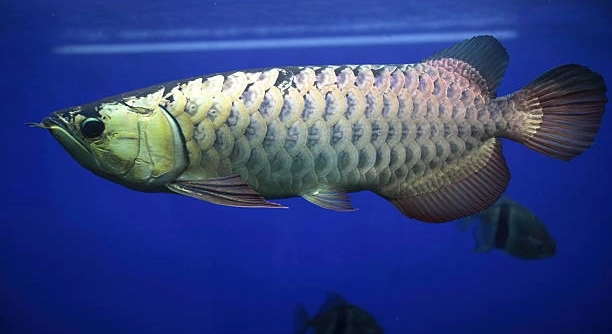
Are your arowana tank decorations starting to feel a bit stale? Rearranging your tank can refresh the environment for both you and your fish. Small changes can make a big difference in creating a lively aquatic space.
Rearranging an arowana tank can be achieved through simple, stress-free adjustments that prioritize fish safety. Gradual shifts in decorations, careful placement of plants and rocks, and minimal disruption to the water parameters ensure a balanced and healthy habitat for the fish.
Understanding how to reposition elements safely will keep your arowana comfortable and maintain a visually appealing tank environment. Proper planning makes the process easier and more enjoyable for both owner and fish.
Start Small with Decorations
When I first decided to rearrange my arowana tank, I realized that starting small made the process much easier. Begin by shifting a single decoration or plant at a time. This prevents startling your fish and reduces stress. Observe how your arowana reacts to each change before moving on to the next adjustment. Gradual rearrangement also allows you to test different layouts without disturbing the tank’s balance. Using small rocks, driftwood, or artificial plants can create new hiding spots and resting areas. Rotating decorations weekly can also keep the environment dynamic, giving your fish a sense of novelty without overwhelming them. It’s important to keep in mind that sudden, drastic changes in the tank can alter water currents and impact your arowana’s comfort. By taking a measured approach, you maintain a stable environment while still improving the tank’s visual appeal. Overall, small steps help keep both your fish and tank healthier.
Making minor changes first helps your arowana adjust comfortably and keeps the water conditions stable.
Rearranging small items gradually encourages natural exploration. I noticed my arowana became more active after moving rocks slightly and adding a few new hiding places. These subtle shifts give the tank a fresh look while keeping stress low. Observing reactions helps identify what layout works best, ensuring a balanced, visually pleasing environment. Small adjustments prevent overcrowding and allow me to experiment without affecting water flow. This approach also makes cleaning simpler, as I can access different areas without disturbing the fish. By moving just a few items, the tank feels renewed, and the arowana stays calm. Overall, starting small creates a safer, more engaging habitat for the fish.
Use Safe Tools for Rearranging
Always use tools like tongs or gloves when moving decorations. They protect both your hands and the fish.
Handling tank items directly can stress your arowana or introduce contaminants. Using long-handled tongs or silicone gloves allows precise placement of rocks, plants, or ornaments. This method minimizes water disruption and prevents accidental injuries to both fish and owner. Tools also make it easier to adjust heavier decorations without tilting the tank or disturbing the substrate. Plastic or rubber grips help maintain a firm hold, reducing the risk of dropping fragile items. Even small adjustments, like nudging a plant or repositioning a log, are safer with the right equipment. This ensures that changes are controlled and the water remains clear. Keeping tools dedicated solely for tank use avoids cross-contamination from cleaning products or other household items. Over time, using these tools makes rearranging more efficient and less stressful. The fish adapt more quickly, and the tank stays organized.
Using proper tools ensures safety and control. With tongs or gloves, every adjustment is precise, and the tank remains calm and clean.
Maintain Water Quality
Keeping the water stable is crucial when rearranging decorations. Changes can stir up debris or disturb beneficial bacteria, so monitoring parameters ensures your arowana stays healthy.
After moving rocks or plants, I always check water temperature, pH, and ammonia levels. Even minor disturbances can cloud the water or release toxins from the substrate. Using a water test kit daily for the first few days helps catch any changes early. Regular partial water changes also reduce the risk of spikes in ammonia or nitrites, keeping the environment safe. I learned that keeping water clean makes the rearrangement less stressful for my arowana.
Proper filtration helps maintain clarity during rearrangement. I often run the filter at a slightly higher rate to manage debris. This keeps the water clear, and the arowana feels comfortable. Using gentle water flow ensures plants and decorations stay in place without overwhelming the fish, preserving a calm and balanced habitat.
Plan Decoration Placement
Organizing decorations before moving them saves time and reduces tank stress. Mapping out positions helps create a balanced layout for the fish.
I usually sketch a rough design or place items outside the tank first. This helps visualize the final setup without disturbing the water repeatedly. By arranging rocks, plants, and driftwood in advance, I can avoid overcrowding certain areas and ensure enough swimming space for my arowana. I also consider hiding spots and open areas, giving the fish a natural feel while keeping the tank visually appealing. Planning ahead makes the rearrangement process smoother and less stressful for both the fish and me.
Proper placement improves tank functionality and aesthetics. I noticed that when plants are strategically positioned, water circulation is more consistent. This prevents stagnant spots and promotes healthier conditions. Rocks and ornaments placed with intention provide resting areas while maintaining open swimming space. Planning also helps with cleaning, as I can access all areas easily. A well-thought-out layout encourages natural behavior, reduces stress, and keeps the tank looking attractive. This method saves time and keeps the environment stable during adjustments.
Introduce Changes Gradually
Moving too many items at once can stress an arowana. Small, incremental adjustments help the fish adapt without panic.
I usually rearrange one or two decorations at a time. This allows the fish to explore and get comfortable with the changes. Observing reactions helps me decide if the next adjustment is needed.
Keep Hiding Spots Accessible
Providing accessible hiding places is important during rearrangement. Arowanas need shelter to feel secure.
When I rearrange, I ensure that rocks, plants, or logs create cozy corners. These spots reduce stress and give the fish areas to retreat. Changing locations gradually keeps the environment familiar and safe.
Avoid Sharp or Unstable Decorations
Sharp or unstable decorations can injure an arowana during rearrangement. Always check items before placement.
I test each rock or ornament to ensure it is stable and smooth. This prevents accidental cuts or scratches and keeps the fish safe while exploring new layouts.
FAQ
How often should I rearrange my arowana tank?
I usually rearrange my tank every few months, but small adjustments can be made more often. Frequent major changes can stress the fish, so spacing out movements and monitoring reactions is key. Minor rotations of plants or ornaments are enough to refresh the environment without disturbing the fish.
Can rearranging decorations harm my arowana?
Yes, sudden or careless changes can injure the fish or disrupt water balance. I always move items gradually and ensure sharp or heavy decorations are handled with care. Observing the fish’s behavior after each adjustment helps prevent stress or injuries.
Should I remove the arowana while rearranging?
It is not usually necessary. I prefer to leave my arowana in the tank while rearranging small items. Only in rare cases, such as heavy cleaning or major decoration changes, do I temporarily move the fish to a safe holding container with clean water.
How do I prevent water cloudiness during rearrangement?
Cloudiness is caused by stirred-up debris or disturbed substrate. I gently lift decorations and move them slowly. Partial water changes after rearranging also help restore clarity. Running the filter at a slightly higher flow during adjustments keeps particles circulating properly and prevents prolonged murkiness.
Can rearranging affect water parameters?
Yes, shifting substrate or decorations can change ammonia, nitrite, or pH levels. I always monitor water parameters before and after rearranging. Regular testing ensures that the environment stays safe, and partial water changes can correct minor fluctuations.
What types of decorations are safe to move?
Smooth rocks, driftwood, and artificial plants are ideal. I avoid sharp or porous items that could harbor bacteria or injure the fish. Decorations that are easy to handle and stable when placed back into the tank make rearrangement less stressful.
How do I keep my arowana calm during changes?
Gradual adjustments and familiar hiding spots are key. I move only a few items at a time, giving the fish time to explore. Gentle water movement, minimal splashing, and predictable placement of decorations help maintain a calm environment throughout the process.
Is it okay to rearrange plants?
Yes, live and artificial plants can be moved carefully. I trim or replant roots gently to avoid disturbing the substrate. Rearranging plants can improve water flow and provide new areas for the arowana to explore while maintaining natural hiding spots.
How do I know if my fish is stressed?
Signs include hiding more than usual, reduced swimming, or loss of appetite. I watch my arowana closely after each rearrangement. If stress continues, I slow the process, return decorations to familiar positions, and ensure water parameters remain stable.
Should I plan the layout in advance?
Absolutely. I often sketch the placement or arrange decorations outside the tank first. Planning prevents overcrowding, maintains swimming space, and ensures the tank remains visually balanced. A preplanned layout also reduces unnecessary adjustments and keeps the fish comfortable.
Can rearranging improve my arowana’s behavior?
Yes, small changes encourage exploration and activity. I noticed my fish becomes more active and curious when new hiding spots or structures are introduced. The environment feels enriched without overwhelming the arowana, promoting natural behavior and overall well-being.
Are there decorations I should avoid moving frequently?
Heavy rocks or delicate ornaments should remain mostly in place. I only move stable items occasionally and avoid shifting them repeatedly to prevent substrate disruption, water cloudiness, or accidental injury. Keeping key structures consistent maintains a familiar and safe environment.
How do I ensure decorations stay in place?
I test stability before final placement. Using sand, gravel, or adhesive-safe aquarium materials, I secure items to prevent tipping. Properly anchored decorations reduce the risk of accidents while allowing the fish to swim safely and explore confidently.
Can rearranging help with algae growth?
Yes, adjusting decorations and plants can improve light distribution and water flow. I noticed that changing positions allows better circulation, reducing stagnant spots where algae tend to accumulate. Strategic placement of decorations also promotes a healthier, cleaner tank overall.
Is it necessary to clean decorations before rearranging?
Light cleaning is helpful but avoid harsh chemicals. I rinse rocks and artificial plants with tank water to remove debris. Cleaning prevents buildup while maintaining beneficial bacteria, ensuring the arowana’s environment stays healthy and stress-free.
What is the best order to move items?
I start with plants or lightweight decorations, then reposition rocks or larger ornaments. This order minimizes disturbance to the substrate and reduces water cloudiness. Moving small items first also gives the fish time to adjust before introducing bigger changes.
How do I manage decorations in a tall tank?
I use long-handled tongs or silicone gloves for placement. This allows me to reach higher areas safely without splashing or stressing the fish. Proper tools also prevent accidental dropping of items and make adjustments more precise.
Can frequent rearrangement affect breeding behavior?
Yes, excessive changes can disrupt territorial or nesting behaviors. I avoid frequent major rearrangements during breeding periods. Gentle modifications and maintaining familiar hiding spots help support natural breeding activity while keeping the tank healthy.
Should I remove substrate while rearranging?
Not usually. I only adjust small areas if necessary for planting or decoration placement. Disturbing large sections of substrate can release harmful toxins, so I handle substrate carefully and minimally to maintain water quality.
How long should I observe the fish after changes?
I monitor my arowana for several hours after each adjustment and continue daily checks for a few days. This ensures the fish adapts well, and any issues with stress or water parameters are caught early for a safe environment.
Can rearranging help with aggression?
Yes, introducing new hiding spots and visual barriers can reduce territorial disputes. I noticed my arowana became calmer with strategic placement of decorations that break up open spaces, allowing for a more harmonious tank environment.
How do I prevent decorations from floating?
I weigh down lightweight items with stones or anchor them securely in the substrate. I also check that artificial plants are properly weighted. Stable decorations prevent floating hazards and keep the tank safe for the fish.
What materials should I avoid?
Avoid metals, untreated wood, or painted items that can leach toxins. I stick to smooth rocks, driftwood, and aquarium-safe decorations to protect water quality and the arowana’s health.
Can rearranging improve tank aesthetics?
Yes, small, thoughtful adjustments refresh the appearance. I enjoy seeing new patterns of plants and ornaments, making the tank more visually appealing while still prioritizing the fish’s comfort and safety.
How do I track which layouts work best?
I take photos before and after rearrangements. Comparing layouts helps me remember successful designs and avoid setups that stressed the fish. This method keeps future adjustments efficient and safe.
Is it okay to move multiple decorations at once?
Only if the fish is calm and water disturbance is minimal. I prefer moving one or two items at a time to prevent stress and maintain clarity. Observing behavior ensures the fish remains comfortable throughout the process.
What is the safest way to test new decoration positions?
I place items outside the tank first or gently hold them in position to visualize the layout. This prevents sudden changes in water currents and ensures decorations remain stable before permanent placement.
How long does it take for an arowana to adjust to changes?
Adjustment usually takes a few hours to a few days, depending on the size and personality of the fish. I give my arowana time and space, monitoring behavior to confirm comfort before making additional changes.
Can rearranging affect feeding habits?
Yes, if hiding spots are blocked or swimming paths restricted. I make sure decorations don’t interfere with feeding areas and maintain familiar spaces to keep the arowana eating normally.
Should I rearrange during water changes?
It’s best to separate the two tasks. I find combining them can stress the fish and cloud the water. Handling rearrangement separately allows for careful adjustments and better monitoring of water quality.
How do I manage live plants during rearrangement?
I trim roots gently, reposition carefully, and anchor plants securely. This prevents uprooting or breaking, maintaining healthy growth and providing safe hiding areas for the arowana.
Can rearranging reduce boredom for my arowana?
Yes, subtle changes encourage exploration and activity. I noticed my fish becomes more engaged when new pathways, plants, or rocks are introduced, improving overall behavior and stimulation.
What is the best time of day to rearrange?
I prefer early morning or late afternoon when the fish is calm. Avoid feeding times or periods of high activity to reduce stress and ensure smoother adjustments.
How do I know if a decoration is unsafe?
Check for sharp edges, unstable placement, or materials that can leach chemicals. I test each item before final placement and observe how the fish interacts with it to ensure safety.
Is it okay to rearrange during breeding?
Major changes should be avoided during breeding. I only make small adjustments that do not disturb nesting or territorial areas to prevent stress and support successful reproduction.
How much space should I leave open?
At least 60-70% of swimming space should remain unobstructed. I focus on creating open areas alongside hiding spots to encourage natural behavior and reduce stress.
How do I prevent decorations from shifting over time?
I anchor heavy items and use substrate to stabilize smaller ones. I also check periodically to ensure nothing has moved, maintaining a consistent environment and safe layout.
Can rearranging affect water flow?
Yes, new placement can change currents. I observe flow patterns and adjust decorations to maintain even circulation, preventing stagnant areas and ensuring the arowana remains comfortable.
Should I document each change?
Yes, I keep notes or photos of successful layouts. This helps replicate safe setups, track fish reactions, and improve future rearrangements efficiently.
Can rearranging improve overall tank health?
Proper adjustments promote better water flow, reduce algae buildup, and encourage fish activity. I found that a thoughtfully arranged tank stays cleaner, healthier, and more visually appealing over time.
How do I avoid overhandling the fish?
I move only decorations, not the fish. Minimal interference reduces stress and ensures the arowana remains comfortable while exploring its environment.
What is the most common mistake when rearranging?
Rushing and moving too many items at once. I learned that gradual, planned adjustments create a safer and more enjoyable tank for both fish and owner.
How long should I wait before making further changes?
I usually wait a few days to a week. This allows the fish to adjust fully and ensures water parameters remain stable before the next modification.
Can rearranging help with aggression between multiple arowanas?
Yes, introducing visual barriers and additional hiding spots can reduce conflicts. I noticed calmer behavior when I strategically placed decorations to break open spaces and create separate territories.
Is it necessary to quarantine new decorations?
For natural items like driftwood or rocks, rinsing and soaking is sufficient. I avoid chemicals and ensure items are clean to prevent introducing harmful substances.
How do I balance aesthetics and functionality?
I place decorations to maintain swimming space, hiding spots, and water flow. A visually appealing layout should never compromise fish safety or comfort.
Can frequent rearranging stress the fish long-term?
Yes, repeated major changes can cause chronic stress. I limit significant adjustments and focus on small, safe rotations to keep the environment enriching without overwhelming the arowana.
What’s the easiest way to test stability before final placement?
I gently press or tilt items in the substrate to ensure they do not tip over. This prevents accidents and creates a safe, secure environment for the fish.
Should I rearrange with the filter running?
Yes, running the filter maintains water quality and circulation. I increase flow slightly to help manage debris stirred up during adjustments.
Can rearranging improve oxygenation?
Yes, creating better water flow around decorations allows more oxygen exchange. I noticed healthier, more active behavior after improving layout circulation.
How do I manage substrate during rearrangement?
I move only small amounts as needed, keeping most intact. Careful handling prevents cloudiness and protects beneficial bacteria essential for a healthy tank.
Is it okay to move decorations daily?
No, frequent major changes increase stress. I focus on gradual rotations or minor adjustments to maintain comfort and stability for the arowana.
How do I avoid injuring myself while rearranging?
I use gloves or tongs for sharp or heavy items. Proper tools prevent cuts or accidents and make the process more efficient and safe.
Can rearranging improve feeding areas?
Yes, moving decorations can create more open space for feeding. I ensure that food reaches all areas while keeping hiding spots intact for a balanced environment.
Should I consider fish behavior when rearranging?
Absolutely. I always watch how my arowana interacts with new layouts. Adjustments are guided by activity levels, hiding habits, and comfort to ensure minimal stress.
How do I introduce new decorations safely?
I rinse thoroughly, test stability, and place them gradually. Observing fish reactions ensures they accept the changes without stress or aggression.
Can rearranging affect water temperature?
Minor adjustments have little effect, but I monitor for changes if moving large items that displace water or block heater circulation. Maintaining stable temperature is essential.
What if my arowana hides too much after changes?
I return familiar items gradually and reduce further movement. Giving the fish time to explore at its own pace helps it regain confidence and comfort.
Can rearranging help with boredom or inactivity?
Yes, subtle changes and new structures stimulate exploration. I noticed more active swimming and curiosity after introducing new paths and hiding spots.
How do I prevent accidental decoration shifts during cleaning?
I anchor items securely and clean gently around them. This prevents tipping and maintains a consistent, safe environment for the fish while keeping the tank tidy.
Is it okay to rearrange during seasonal changes?
Yes, but monitor water parameters closely. Temperature fluctuations and daylight changes may already stress the fish, so gradual rearrangement is safer during these periods.
Can rearranging improve plant growth?
Yes, moving plants to areas with better light or water flow encourages healthier growth. I reposition carefully to avoid uprooting or damaging roots while maintaining stability.
What tools do I recommend for rearranging?
Long-handled tongs, silicone gloves, and a small scoop for substrate make adjustments easier. Proper tools reduce stress for both the fish and me while keeping the tank organized.
How do I know if a layout is successful?
Observation is key. Calm swimming, normal feeding, and exploration indicate a positive response. Photos or notes help remember successful layouts for future adjustments.
Can rearranging improve tank hygiene?
Yes, better placement promotes circulation and reduces stagnant areas. I noticed less debris buildup and easier cleaning when decorations are thoughtfully arranged.
Should I adjust decorations differently for juvenile and adult arowanas?
Yes, adults need more open space for swimming, while juveniles benefit from additional hiding spots. I plan layouts according to size and activity level to ensure safety and comfort.
How do I prevent decorations from damaging the glass?
I avoid sliding heavy items directly on the glass. Lifting and repositioning carefully prevents scratches or cracks, keeping the tank intact.
Can rearranging reduce aggression toward tankmates?
Yes, adding visual barriers and strategic hiding spots helps separate territories. I observed calmer interactions when decorations were placed to break sightlines and provide safe retreats.
What is the best way to introduce multiple changes?
Stagger adjustments over several days. I move a few items each day, allowing the fish to explore and adapt, which prevents stress and maintains water stability.
Can rearranging affect lighting?
Yes, new placements can cast shadows or block light. I monitor plant growth and fish activity to ensure proper illumination throughout the tank.
Should I monitor fish closely after rearrangement?
Yes, I watch for stress signs such as hiding, reduced appetite, or erratic swimming. Prompt observation ensures the fish adapts safely and comfortably.
How do I balance aesthetics with fish comfort?
I prioritize open swimming space, hiding spots, and stable decorations while arranging items visually. Functionality and safety come before appearance to ensure a healthy habitat.
Can rearranging prevent boredom?
Yes, introducing new routes, hiding spots, and decorations encourages exploration and activity. My arowana seems more curious and energetic after thoughtful rearrangement.
How do I safely rearrange heavy decorations?
I lift carefully, use tools, and check stability before placement. Proper handling prevents injury to both the fish and myself while ensuring decorations remain secure.
Can rearranging reduce algae buildup?
Yes, better water flow and light distribution prevent stagnant spots. I noticed slower algae growth after repositioning plants and rocks strategically.
Should I consider the fish’s personality when rearranging?
Absolutely. Some arowanas are more cautious, while others are bold. I adjust the pace and scale of changes to match the temperament of my fish.
How do I maintain consistency while rearranging?
I leave core structures in place, only adjusting minor items. This creates a fresh environment without causing stress or confusion for the fish.
Can rearranging affect territorial behavior?
Yes, additional hiding spots and barriers can reduce aggression. I observed more balanced behavior when decorations were placed to create separate areas and break up open space.
Is it okay to rearrange frequently?
Minor rotations are fine, but major changes should be infrequent. I avoid repeated disruptions to maintain stability, water quality, and fish comfort.
How do I ensure water safety after rearranging?
I test parameters, perform partial water changes if needed, and monitor debris levels. Maintaining a stable environment protects the arowana from stress and health issues.
Can rearranging improve plant and fish interaction?
Yes, repositioned plants can create natural pathways, encourage exploration, and provide hiding spots. My arowana often investigates new areas after plants are moved carefully.
How do I prevent decorations from tipping?
I anchor items in substrate and check stability before final placement. Secure decorations reduce accidents and maintain a safe, calm environment for the fish.
Should I adjust decorations seasonally?
Only minor adjustments are necessary. Seasonal changes in light or temperature may affect plant growth, so small repositioning can help maintain balance and comfort for the fish.
How do I handle fragile decorations?
I lift and place carefully, using gloves or tongs when needed. Fragile items are stabilized to prevent breakage, protecting both the fish and the tank environment.
Can rearranging help with fish enrichment?
Yes, new hiding spots and altered layouts stimulate natural curiosity. I noticed increased activity and exploration after subtle, thoughtful changes to the tank.
What is the safest way to test a new layout?
I place items outside the tank or hold them temporarily in position. This ensures stability and prevents water disruption before permanent placement.
How do I avoid accidental water contamination?
I rinse all decorations in tank water and
Rearranging an arowana tank can seem like a big task, but it becomes manageable when approached carefully and thoughtfully. Taking small steps, such as moving a few decorations at a time, allows the fish to adjust without stress. I have found that starting with minor adjustments, like rotating plants or repositioning a single rock, makes the process less disruptive and helps maintain water clarity. Observing how the fish reacts after each change gives valuable insight into what layout works best. This method also prevents sudden shifts in water parameters, which could affect the health of the fish. Gradual changes not only make the rearrangement safer but also make the tank feel fresh and dynamic for both the fish and myself. Over time, these small adjustments create a healthier and more visually appealing environment without overwhelming the fish.
Planning is another key aspect that ensures successful rearrangement. I always sketch or visualize the layout before making any changes. This step helps maintain open swimming space and ensures there are enough hiding spots for the arowana to feel secure. Stable placement of rocks, driftwood, and plants is essential, as unstable items can injure the fish or damage the tank. Using safe tools like tongs or gloves allows precise handling of decorations while keeping both the fish and myself safe. Additionally, monitoring water parameters during and after adjustments ensures that the environment remains balanced. Maintaining a stable, healthy habitat is just as important as creating an attractive layout. By combining careful planning, safe handling, and observation, the process becomes straightforward, and the fish remain comfortable throughout.
Finally, rearranging the tank provides benefits beyond aesthetics. Thoughtful changes encourage the arowana to explore and interact with its environment, promoting natural behavior and activity. Fresh hiding spots, altered swimming paths, and improved circulation make the habitat more engaging and comfortable. Regular monitoring and gradual adjustments keep stress low, while stable water conditions support overall health. I have noticed that after careful rearrangement, my arowana becomes more active and curious, demonstrating that even small changes can have a positive effect. Rearranging a tank is not about frequent or drastic changes, but about maintaining balance, safety, and enrichment. By taking a patient and measured approach, it is possible to create a visually appealing tank that supports the well-being of the arowana, making both the fish and the keeper satisfied with the aquatic environment.

Hello,
If you enjoy the content that we create, please consider saying a "Thank You!" by leaving a tip.
Every little bit helps us continue crafting quality advice that supports the health, happiness, and well-being of pets around the world, for pets of all shapes, sizes, and species.
We really appreciate the kindness and support that you show us!