
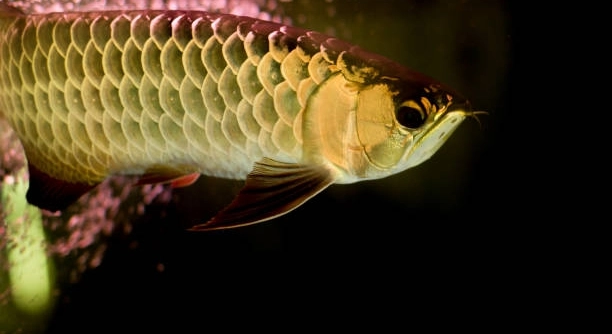
Arowanas are fascinating fish, admired for their elegance and strong presence in home aquariums. Many owners enjoy building a connection with them through feeding routines, creating an engaging experience that strengthens trust and interaction.
Training an arowana to eat from your hand requires patience, consistency, and a calm environment. Gradually offering food close to your hand, allowing the fish to observe and approach, helps establish trust and encourages this behavior effectively.
Learning the proper steps ensures a safe, enjoyable interaction, making feeding time more engaging while fostering a bond between you and your fish.
Preparing Your Arowana for Hand Feeding
Before introducing hand feeding, it is important to create a calm and safe environment. Arowanas can be nervous around sudden movements, so reduce activity near the tank. Ensure the water quality is optimal, as stressed or unhealthy fish are less likely to feed confidently. Feeding should occur at a consistent time daily to build a routine. Choose the right type of food that the arowana prefers and cut it into small, manageable pieces. Begin by holding the food with feeding tongs near the surface, allowing the fish to observe without feeling threatened. Gradually, reduce the distance between your hand and the food while maintaining slow, gentle movements. Avoid sudden gestures, as these can scare the fish and undo progress. Patience is key; even small steps each day contribute to building trust and comfort.
Hand feeding should always start slowly, with short sessions to prevent overwhelming the fish.
Consistency and a quiet environment significantly improve the likelihood of success when training an arowana to take food from your hand. Small daily efforts gradually strengthen the fish’s comfort and trust, making interactions smoother over time.
Techniques for Encouraging Hand Feeding
Start by offering food directly at the edge of the tank.
Slowly bringing your hand closer while letting the fish observe your movements helps reduce fear. Initially, allow the arowana to take food from tongs held near your hand. Over several days, shorten the distance between the food and your hand until the fish starts associating your hand with feeding. Avoid forcing the fish or making sudden attempts, as this can cause stress or refusal. Use gentle, steady movements and maintain eye contact if comfortable, as it can encourage recognition. Patience and repetition are essential; even if the fish does not immediately respond, repeated exposure helps it adapt. Recording feeding times and progress can highlight patterns and help adjust techniques. If the fish hesitates, retreat slightly and try again later. Reinforcing positive experiences with calm behavior ensures the arowana gradually feels safe enough to feed directly from your hand. Consistency and observation are critical for this process to succeed effectively.
Common Mistakes to Avoid
Overhandling can frighten an arowana and cause it to retreat from hand feeding. Sudden movements or loud noises near the tank may make the fish hesitant to approach.
Forcing the fish to take food or trying to rush progress often results in stress. Arowanas need gradual exposure to hand feeding. Avoid changing the feeding schedule frequently, as consistency helps them anticipate meals. Using inappropriate food sizes can make the fish reluctant or cause choking. Patience and careful observation are necessary to prevent setbacks. Small steps build comfort, while rushed attempts create resistance.
Ignoring water quality and tank conditions can undermine training efforts. Fish that are stressed, sick, or uncomfortable are less likely to engage with hand feeding. Maintaining clean water, stable temperature, and a safe environment ensures the arowana focuses on the food rather than stressors. Monitor the fish’s behavior closely to notice signs of discomfort or hesitation. Adjusting techniques and the environment in response to the fish’s needs supports a smooth, effective hand feeding experience, making progress more consistent and reliable.
Tips for Successful Hand Feeding
Start sessions at the same time daily to create a predictable routine.
Approach the tank calmly and maintain minimal movement to avoid startling the arowana. Begin with small, manageable food pieces to make taking the food from your hand easier. Using slow, consistent movements encourages the fish to associate your hand with positive experiences. Reward small successes without forcing the fish. Gradually increase hand proximity as the arowana grows more comfortable. Patience and repetition reinforce trust. Avoid distractions and loud noises near the tank during sessions to maintain a calm feeding environment.
Observation and adaptation are crucial throughout training. Watch how the arowana responds to your hand and adjust your technique accordingly. Some fish may take longer to accept hand feeding, requiring several weeks of consistent effort. Maintaining optimal tank conditions, including water temperature, filtration, and lighting, helps reduce stress and increases willingness to interact. If the fish shows signs of stress, pause sessions and resume later. Tracking progress can reveal patterns and help refine methods. A calm, patient approach ensures a smooth transition from feeding with tongs to hand feeding, strengthening the bond between you and your fish over time.
Building Trust Gradually
Keep your hand in the tank for short periods without offering food at first. This allows the arowana to become familiar with your presence.
Avoid sudden movements or tapping on the glass. Let the fish observe and adjust at its own pace to feel safe and confident.
Rewarding Positive Behavior
Each time the arowana takes food from your hand, follow up with a short break. This reinforces calm behavior and reduces stress. Consistent, small rewards teach the fish to associate your hand with safe, positive experiences. Avoid forcing multiple attempts at once, as this can create anxiety. Repetition over time strengthens the connection between hand presence and feeding, making the fish more likely to engage willingly. Tracking these interactions helps recognize progress and identify adjustments needed in technique or timing. Gradual reinforcement encourages long-term trust and comfort.
Avoiding Stress During Feeding
Limit external disturbances near the tank, including loud noises or sudden movements, to maintain a calm environment for feeding.
FAQ
How long does it take for an arowana to eat from your hand?
The time varies depending on the individual fish and its temperament. Some arowanas may begin taking food from your hand within a week of consistent practice, while others may require several weeks or even a couple of months. Patience and consistent daily sessions are essential to build trust. Short, calm sessions every day usually work better than longer, irregular attempts. Gradual exposure, careful observation, and responding to the fish’s comfort level all contribute to the timeline. Forcing the fish or rushing the process often leads to setbacks, making patience the most important factor in successful hand feeding.
Can arowanas bite during hand feeding?
Arowanas have strong jaws, and while they rarely intend to hurt, they can bite if startled or overly excited. Using small, manageable food pieces reduces the chance of accidental bites. Keep your movements slow and predictable, and let the fish approach at its own pace. Wearing a thin glove can help initially if there is concern about minor nips, though most arowanas learn to take food gently once trust is established. Avoid sudden hand movements, tapping on the tank, or forcing the fish, as these can provoke defensive behavior and increase the likelihood of biting.
What type of food is best for hand feeding?
Arowanas prefer food they can easily grasp and swallow. Small live foods like feeder fish, shrimp, or insects work well, as do pieces of frozen or prepared foods cut into manageable sizes. Avoid oversized food that could stress the fish or cause choking. Mixing types of food helps maintain nutrition while keeping the fish interested. Consistency is important during training, so use the same type initially to help the arowana recognize the hand as a reliable food source. Gradually, you can introduce variety once the fish confidently feeds from your hand.
How often should I practice hand feeding?
Daily short sessions of 5–10 minutes are more effective than infrequent long sessions. Consistency builds trust and helps the arowana associate your hand with safe feeding. Avoid overfeeding during practice, as this can reduce the fish’s appetite and slow progress. Track sessions to notice patterns in behavior and comfort level. Pausing for a day or two if the fish shows stress is better than forcing continued attempts. Regular, calm exposure reinforces positive associations, increasing the likelihood the arowana will feed readily from your hand over time.
What if my arowana refuses to eat from my hand?
Some arowanas are naturally cautious and may take longer to accept hand feeding. Reduce stress factors in the tank, like sudden noises, poor water quality, or aggressive tank mates. Return to slower steps, offering food closer to your hand gradually, or using tongs at first. Avoid forcing the fish or rushing the process. Patience and consistent practice are key. Observing the fish’s reactions and adjusting your approach accordingly often helps overcome initial refusal. Gradual progress, even small steps, leads to eventual success as the fish becomes comfortable with your presence.
Can hand feeding affect the arowana’s health?
Hand feeding does not harm a healthy arowana when done properly. Maintaining proper diet, portion control, and water quality ensures the fish stays healthy. Overfeeding or offering inappropriate foods can lead to health issues, so it is important to follow nutritional guidelines and use suitable food sizes. Ensuring calm, stress-free sessions also protects the fish’s well-being. Regular observation allows you to notice any changes in appetite or behavior, helping prevent potential health problems. When done carefully, hand feeding can be a safe and enriching experience for the fish.
Is it safe to feed multiple arowanas by hand?
Feeding multiple arowanas by hand requires careful attention, as competition may make some fish aggressive. Feed one at a time if possible, or space them out to reduce stress and prevent accidental bites. Observe how each fish reacts and adjust feeding techniques accordingly. Providing sufficient food for all fish and maintaining a calm environment reduces conflicts. Gradual exposure and patience are even more important when multiple fish are involved, as each arowana may adapt at a different pace. Ensuring safety and minimizing stress helps maintain trust during hand feeding.
How do I know if my arowana is comfortable with hand feeding?
Comfort is shown when the fish approaches your hand without hesitation, takes food gently, and returns for more without signs of stress. Hesitation, sudden retreats, or aggressive lunging indicate the fish is not yet comfortable. Small, consistent progress over time signals growing trust. Observing the fish’s body language, speed of approach, and willingness to stay near your hand provides clear indicators. Comfort improves gradually with repeated calm, patient exposure. Adjusting techniques in response to these cues ensures a smooth, positive hand feeding experience.
Can hand feeding strengthen my bond with the arowana?
Yes, consistent, stress-free hand feeding encourages trust between you and your fish. The arowana learns to associate your presence with safety and food, which builds confidence in interactions. Gradual, positive experiences enhance engagement, making the fish more responsive to your presence during feeding. Over time, this trust can extend to other forms of interaction, creating a calmer, more confident fish. Maintaining consistency, patience, and a calm environment ensures the bond grows naturally, improving both feeding behavior and your overall experience caring for the arowana.
How do I prevent stress during hand feeding?
Minimize distractions, maintain stable water conditions, and avoid sudden movements. Introduce hand feeding slowly and consistently. Break sessions into short intervals to keep the fish relaxed. Watch for signs of discomfort and adjust accordingly. Stress-free feeding helps the arowana remain confident and willing to engage.
Final Thoughts
Training an arowana to eat from your hand is a process that requires patience, consistency, and careful observation. Each fish has its own personality and comfort level, which means progress can vary widely. Some arowanas may begin taking food from your hand within a few days, while others need weeks or even months to feel secure enough. The key to success lies in creating a calm, predictable environment and introducing hand feeding gradually. Avoid rushing the process, as forcing the fish or using sudden movements can create fear and delay progress. Short, regular sessions are far more effective than infrequent, long attempts, and consistency helps the fish associate your hand with safe, positive experiences. Small pieces of food that the fish can easily grasp are ideal, and maintaining water quality and a stress-free tank environment supports both training and overall health.
Observing the fish closely is essential throughout training. Watch how the arowana responds to your hand, food, and movements, and adjust your technique based on its behavior. Hesitation, retreating, or aggressive lunging indicate that the fish is not yet comfortable, and you may need to slow down or step back a little. Gradual exposure is far more effective than forcing interaction, and patience is the most important factor in building trust. Over time, repeated calm interactions allow the fish to approach confidently and take food gently from your hand. Tracking progress and noticing patterns can also help refine your approach. For example, some fish may respond better at certain times of the day or to specific types of food. Adapting your technique based on these observations ensures that hand feeding is both safe and enjoyable for the arowana.
Hand feeding is not only a way to provide nourishment but also a method to strengthen the connection between you and your fish. Arowanas that are comfortable with hand feeding tend to be calmer, more confident, and more engaged with their environment. The process builds trust, making daily care easier and more rewarding. It also encourages mindfulness and attentiveness, as you must carefully observe and respond to the fish’s behavior. While results may take time, the effort is worthwhile, as a confident, trusting arowana enhances the overall aquarium experience. Maintaining a calm, consistent, and patient approach ensures that the fish remains healthy and willing to interact, turning feeding time into a positive, enriching part of your routine. Hand feeding is a slow, steady process, but with patience and careful attention, it can become a reliable and enjoyable interaction that benefits both you and your arowana.

Hello,
If you enjoy the content that we create, please consider saying a "Thank You!" by leaving a tip.
Every little bit helps us continue crafting quality advice that supports the health, happiness, and well-being of pets around the world, for pets of all shapes, sizes, and species.
We really appreciate the kindness and support that you show us!