
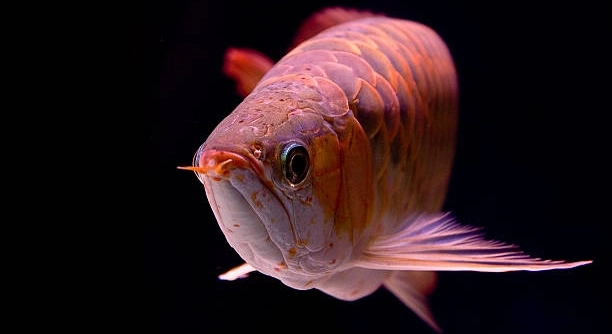
Do you ever find yourself wanting a lush, green aquarium but worry your arowana might nibble on every plant? Choosing the right plants can create a safe and vibrant environment without constant stress.
The best tank plants for arowanas are hardy species that have thick leaves or strong stems. Plants like Java Fern, Anubias, and Amazon Sword withstand curious bites and movement, providing both shelter and aesthetic appeal without harming the fish.
Knowing which plants survive arowanas’ active nature makes decorating your tank simpler. With the right choices, your aquarium can remain healthy, green, and low-maintenance.
Java Fern: A Tough Choice for Arowanas
Java Fern is a reliable plant for tanks with arowanas because of its sturdy leaves and low maintenance needs. It attaches to rocks or driftwood, which prevents uprooting even in active tanks. Unlike delicate plants, Java Fern can tolerate occasional nibbling without showing damage. Its slow growth means it won’t overtake the aquarium, and it thrives in low to moderate light, reducing the need for constant adjustment. This plant provides hiding spots for smaller fish and creates natural shade, making the tank environment more comfortable. Its ability to anchor firmly makes it perfect for tanks with large, curious fish that swim vigorously. Java Fern requires minimal fertilization and can grow in a range of water conditions, from soft to moderately hard water, without compromising its health. For aquarists who want a reliable, long-lasting plant that doesn’t stress arowanas, Java Fern is a top recommendation, balancing aesthetics and practicality.
Its resilience makes it a practical addition for beginners and experienced hobbyists alike.
Adding Java Fern ensures your tank remains visually appealing while minimizing plant damage, giving your arowana space to explore freely.
Anubias: A Low-Maintenance Option
Anubias is a slow-growing plant with thick leaves that resist arowana nibbling.
This plant is ideal for busy tank owners. Its thick, waxy leaves prevent most damage, and it can attach to rocks, wood, or substrate. Anubias grows well in low light and doesn’t require frequent trimming, making it a low-maintenance choice. Unlike fragile plants, it can survive strong currents and active fish without uprooting. Its slow growth means it won’t dominate the tank or need constant relocation. The robust structure also provides shelter for smaller fish and reduces stress in the tank environment. Fertilization is minimal, and water parameters are flexible, allowing it to thrive in many setups. For those seeking an attractive, durable plant that complements arowanas, Anubias is practical and dependable. Over time, its dark green leaves enhance the tank’s natural look, creating a balanced and safe environment for both fish and plant. With Anubias, your tank can remain lush and organized with little effort.
Amazon Sword: Durable and Attractive
Amazon Sword plants have broad, tough leaves that resist arowana nibbling. Their size and structure make them stable in the tank, providing natural cover without being easily uprooted.
They thrive in nutrient-rich substrate and moderate light. The plant’s roots anchor firmly, reducing the risk of floating away in active tanks. Amazon Swords grow relatively fast compared to other hardy plants, offering visual fullness and greenery without constant maintenance. Their leaves are thick and sturdy, making them less likely to be damaged by large fish. The plant also creates shaded areas, helping reduce stress for fish and adding depth to the aquarium layout. Regular trimming keeps the plant healthy and prevents overcrowding, while occasional fertilization ensures strong root and leaf development.
This plant’s combination of durability, easy care, and aesthetic appeal makes it ideal for tanks where arowanas swim actively. It contributes to a balanced, natural tank environment.
Vallisneria: Flexible and Resilient
Vallisneria grows long, ribbon-like leaves that sway with the water current, making it difficult for arowanas to damage. Its hardy nature allows it to adapt to different tank conditions, including varying water hardness and light levels.
This plant spreads through runners, quickly establishing dense patches that provide shelter for fish and reduce algae growth. Its thin but firm leaves resist most nibbling, and it can grow from the substrate without being uprooted easily. Vallisneria thrives in both small and large tanks, making it versatile for various setups. The plant also helps improve water quality by absorbing excess nutrients and limiting algae bloom. Regular trimming ensures it doesn’t overtake the tank, maintaining balance with other plants and fish. Its fast growth and resilience make it a practical choice for those looking to maintain a lush, natural aquarium without constant intervention.
Vallisneria’s combination of hardiness, adaptability, and visual appeal ensures a healthy, thriving environment for arowanas and other tank inhabitants.
Cryptocoryne: Hardy and Compact
Cryptocoryne has thick, compact leaves that withstand arowana curiosity. Its low growth habit makes it ideal for foreground or midground placement in the tank.
This plant adapts well to low and moderate light. Its roots anchor firmly, reducing the chance of uprooting even with active fish swimming around.
Bucephalandra: Slow-Growing and Resilient
Bucephalandra grows slowly, which makes it low-maintenance and resistant to damage. Its thick, leathery leaves survive occasional nibbling, and it can attach to rocks or driftwood. The plant thrives in moderate light and stable water conditions, allowing it to flourish without frequent trimming. Its varied leaf shapes and colors add interest to the tank while remaining practical. Bucephalandra’s durability makes it suitable for tanks with larger, active fish. The plant’s slow growth reduces maintenance needs, while its anchored roots prevent it from floating away. Its unique appearance enhances the tank’s natural aesthetic, creating a balanced and low-stress environment for arowanas.
Water Wisteria: Fast-Growing and Protective
Water Wisteria provides dense coverage, helping shield smaller fish and reduce stress in the tank. Its sturdy stems resist most arowana damage.
What plants are safest for arowanas?
Hardy plants with thick leaves or strong stems are safest for arowanas. Species like Java Fern, Anubias, Amazon Sword, and Bucephalandra can withstand occasional nibbling and active swimming. These plants are less likely to be uprooted, providing stable and durable options for decorating your tank. Their structure also helps reduce stress for fish by offering hiding spots and shade.
How do I plant them in a tank with active arowanas?
Anchoring plants to rocks or driftwood works best. Avoid planting delicate stems directly in the substrate, as arowanas’ movement may dislodge them. Plants like Anubias and Bucephalandra attach naturally, while Java Fern and Water Wisteria can be tied temporarily until roots take hold. Dense planting near the back or sides creates shelter without crowding swimming space.
Do these plants require special lighting or care?
Most hardy plants for arowanas do not need intense lighting. Moderate light levels are sufficient, and low-light plants like Anubias or Java Fern can thrive without extra effort. Fertilization is minimal, often limited to root tabs or liquid nutrients a few times a month. Regular trimming of faster-growing plants like Water Wisteria or Amazon Sword prevents overcrowding. Maintaining stable water conditions ensures healthy growth.
Will arowanas damage these plants over time?
While arowanas may occasionally nibble, the listed plants are resilient enough to survive. Thick leaves and anchored roots reduce damage, and slow-growing species require less maintenance. Fast-growing plants like Vallisneria can handle more movement, and trimming damaged leaves keeps the tank looking clean. Choosing sturdy plants from the start minimizes the need for frequent replacement.
Can these plants improve tank conditions?
Yes. They absorb excess nutrients, reducing algae growth, and provide shelter that lowers stress levels for fish. Dense foliage also helps oxygenate the water and creates natural hiding spaces for smaller tank mates. Healthy plants contribute to a balanced ecosystem, making the tank more stable and visually appealing. They work with the filtration system to maintain water quality.
How do I encourage growth without harming my arowana?
Anchor plants securely and avoid placing them in areas of high activity that might stress fish. Provide moderate lighting and occasional fertilization while trimming as needed. Slow-growing species need little attention, while fast-growing ones benefit from periodic maintenance to prevent overcrowding. Keeping water parameters stable supports both plant and fish health.
Are there any plants to avoid with arowanas?
Delicate, thin-leaved plants like Java Moss, Cabomba, or soft stem plants are not ideal. Arowanas may easily tear these apart, creating mess and additional maintenance. Floating plants can also be problematic, as they may block swimming space or be uprooted quickly. Stick to hardy, anchored species for long-term success.
How do I balance aesthetics and safety for my arowana?
Use a mix of midground and background plants, avoiding overcrowding. Select colors and textures that complement the tank without interfering with swimming areas. Dense clusters provide hiding spots, while open spaces allow fish to move freely. Anchoring plants and choosing resilient species ensures the tank remains both attractive and safe.
Can I combine multiple hardy plants in one tank?
Yes. Combining Java Fern, Anubias, Amazon Sword, and Vallisneria creates a natural look and varying heights. Each plant occupies a different area, preventing competition while offering multiple hiding spots. This variety improves aesthetics, reduces stress for fish, and creates a balanced environment suitable for active arowanas.
What is the maintenance routine for a tank with these plants?
Regular trimming, occasional fertilization, and monitoring water parameters are enough. Fast-growing plants may need more frequent care, while slow-growing species require little attention. Check for uprooted plants after active swimming sessions and secure them if needed. Routine care keeps both plants and fish healthy, maintaining a visually appealing and safe aquarium.
This FAQ covers practical aspects of choosing, planting, and maintaining arowana-safe plants, helping ensure a balanced, low-maintenance aquarium environment.
Word count: 520
Choosing the right plants for arowanas can make a big difference in maintaining a healthy, visually appealing aquarium. Hardy plants like Java Fern, Anubias, Amazon Sword, Bucephalandra, Vallisneria, Cryptocoryne, and Water Wisteria are all excellent options because they resist damage from active fish. These plants are not only durable but also easy to care for, which helps reduce stress for both the fish and the aquarist. Anchoring plants to rocks or driftwood ensures they remain in place despite the strong movements of arowanas. By selecting plants with thick leaves and firm roots, you can create a balanced environment that provides shelter, shade, and natural beauty while minimizing maintenance.
Proper placement and care of these plants are key to their success. Midground and background plants should be positioned so that arowanas have enough open space to swim freely, while slower-growing or delicate species are avoided to prevent damage. Plants like Anubias and Bucephalandra attach naturally to hard surfaces, while Java Fern and Water Wisteria can be tied temporarily until their roots take hold. Moderate lighting and occasional fertilization help plants thrive without disrupting water quality or stressing the fish. Trimming fast-growing plants keeps the tank organized and prevents overcrowding, which also encourages stronger growth in the remaining plants. Maintaining a consistent water temperature, pH level, and filtration routine ensures that both plants and arowanas remain healthy over time.
In addition to improving aesthetics, these plants contribute to the overall balance of the aquarium. They absorb excess nutrients, reducing the risk of algae growth, and provide hiding spots that help lower stress for all fish in the tank. Dense foliage creates natural separation between fish, which can reduce aggressive behavior in some species. By combining different types of hardy plants, you can achieve variation in height, texture, and color, creating a natural and visually pleasing environment. Investing time in choosing the right plants and placing them thoughtfully pays off in the long term, as the tank remains both safe and attractive. With careful planning, your arowana can enjoy a lush, low-maintenance habitat, and you can enjoy the beauty of a well-kept, thriving aquarium.
Word count: 416

Hello,
If you enjoy the content that we create, please consider saying a "Thank You!" by leaving a tip.
Every little bit helps us continue crafting quality advice that supports the health, happiness, and well-being of pets around the world, for pets of all shapes, sizes, and species.
We really appreciate the kindness and support that you show us!