
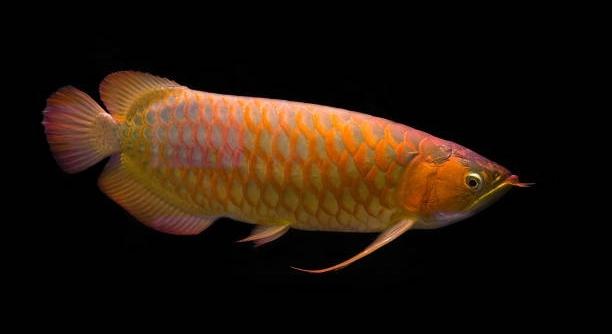
Do you ever notice your arowana shifting its fins or flicking its tail and wonder what it might be signaling? These fish communicate subtly, and understanding their movements can help you care for them better.
Arowanas express their moods and health through body posture, fin movements, and swimming patterns. Observing these behaviors systematically allows owners to detect stress, aggression, or contentment. Accurate interpretation is essential for maintaining proper care and promoting well-being.
Recognizing these signals can improve your bond with your fish and ensure a healthier, more comfortable environment in your tank.
Common Arowana Body Signals
Arowanas use subtle movements to communicate. A tail flick often shows alertness or agitation, while slow, steady swimming usually indicates calmness. Fin positions are also telling; raised fins can signal excitement or readiness to interact, whereas clamped fins often point to stress or discomfort. Eye movements are another clue—rapid darting may indicate curiosity or agitation, while a steady gaze shows relaxation. Body posture matters too. An arowana that arches its back slightly while swimming may be asserting dominance, whereas a straight, relaxed body typically reflects contentment. Observing these signals over time helps you understand your fish’s personality and health. Environmental factors, such as water temperature, pH, and tank layout, can influence these behaviors. Changes in lighting or sudden noises may provoke sudden movements, and consistent patterns often reveal long-term well-being. Recording your observations can make it easier to notice subtle changes that require attention.
Understanding these signs allows you to respond promptly to stress or discomfort.
Tracking fin and tail movements over weeks can reveal patterns tied to feeding habits, tank conditions, or social interactions with other fish. This awareness ensures arowanas stay healthy and active.
Recognizing Stress and Illness
Stress in arowanas can show as rapid gill movement or lethargic swimming. Clamped fins, hiding, or sudden loss of appetite are common indicators.
When an arowana is stressed, it may exhibit repetitive behaviors, like pacing along the tank sides or swimming erratically. Water quality is a frequent factor, as poor oxygen levels, high ammonia, or temperature fluctuations can create discomfort. Sudden changes in the tank, such as new decorations, aggressive tankmates, or abrupt feeding schedule shifts, also contribute to stress. Illness often accompanies stress, manifesting as discoloration, frayed fins, or unusual spots. Identifying these signs early allows for quick intervention, such as adjusting water parameters, improving filtration, or isolating the fish if needed. Consistent observation is key; stress indicators may appear subtly before progressing to more severe symptoms. A proactive approach ensures your arowana’s long-term health, helping maintain their vitality and preventing complications that could become harder to treat over time. Proper care, along with an understanding of body language, significantly improves the chances of a happy, healthy fish.
Understanding Feeding Behavior
Arowanas often display excitement before feeding, such as quick tail flicks and alert movements. Hesitation or refusal to eat may indicate stress, illness, or water quality issues that need attention.
Observing feeding behavior helps monitor health. A healthy arowana approaches food confidently, striking quickly and swallowing efficiently. Slow or hesitant eating can point to digestive problems or low energy levels. Overfeeding, on the other hand, can lead to bloating and poor water quality, which further stresses the fish. Tracking how your arowana reacts during feeding times helps identify subtle changes in behavior that may signal potential health concerns, allowing timely intervention. Consistent observation can prevent minor issues from becoming serious problems and ensures the fish maintains proper nutrition and activity levels.
Feeding behavior also reflects temperament and hierarchy in the tank. Dominant arowanas may take food quickly, while submissive ones hang back. Watching these interactions can reveal personality traits and compatibility with other tankmates. Understanding this dynamic is useful for maintaining a peaceful environment.
Social Interactions and Tank Dynamics
Arowanas communicate with tankmates through body language, including head movements, fin displays, and swimming patterns.
Observing interactions between arowanas helps identify dominance and aggression. Aggressive fish may chase, nip fins, or block access to favored areas, while submissive fish often retreat or stay near the bottom. Proper tank size and hiding spaces reduce conflicts and stress. Introducing new fish gradually and monitoring behavior is essential to prevent injuries. Watching these dynamics over time allows you to anticipate potential disputes and maintain a harmonious environment. Recognizing early signs of tension ensures that interventions, such as separation or adjustments in feeding and tank layout, can be made promptly, safeguarding both fish health and well-being.
Swimming Patterns and Territory
Arowanas often establish territories, showing defined swimming routes and preferred areas in the tank. Rapid darting or repeated circling can indicate guarding behavior or restlessness.
Territorial behavior may increase with tankmates present. Recognizing these patterns helps prevent conflicts and ensures each fish has enough space to thrive.
Interpreting Fin Movements
Raised fins generally signal alertness or dominance, while clamped fins often indicate stress or discomfort. Watching these movements consistently reveals mood changes.
Fin movements also reflect overall health. Torn or frayed fins may suggest injury or illness, requiring attention. Monitoring daily ensures early detection of problems and supports proper care.
Eye and Head Signals
Arowanas shift their gaze and tilt their heads to inspect surroundings or respond to stimuli. These movements indicate curiosity, awareness, or alertness within the tank environment.
FAQ
How can I tell if my arowana is stressed?
Stress in arowanas is usually shown through changes in behavior and appearance. Clamped fins, rapid gill movements, or hiding for extended periods are common signs. Lethargy, loss of appetite, and erratic swimming also indicate discomfort. Consistent observation of these behaviors helps catch stress early, allowing adjustments in tank conditions.
Why does my arowana swim in circles constantly?
Constant circling often points to territorial behavior or restlessness. It may also indicate stress due to inadequate tank size, water quality issues, or the presence of aggressive tankmates. Monitoring tank parameters, providing hiding spots, and ensuring sufficient swimming space can reduce this behavior over time.
What do raised fins mean on an arowana?
Raised fins are a signal of alertness, excitement, or dominance. They often appear when the fish is exploring its surroundings or asserting itself among other tankmates. Observing raised fins alongside body posture and swimming patterns gives a clearer picture of the arowana’s mood and intentions.
Why does my arowana refuse to eat sometimes?
Appetite changes can stem from stress, illness, or poor water conditions. Environmental shifts, such as temperature changes or new tankmates, may also affect feeding. Ensuring clean water, proper diet, and a calm environment usually helps restore normal eating habits over a few days.
How can I distinguish aggression from play in my arowana?
Aggressive behavior typically includes chasing, nipping, or blocking other fish. Playful behavior is usually gentle, with exploratory movements and brief interactions. Understanding these differences helps maintain peace in the tank and prevents injuries while encouraging natural social behavior.
What does tail flicking indicate?
Tail flicks are often a response to stimuli, such as approaching food, new objects, or disturbances. Quick, frequent flicking may indicate agitation, while slow or occasional flicks usually reflect alertness or curiosity. Watching the context of the tail movement provides insight into the fish’s emotional state.
How do I know if my arowana is sick?
Signs of illness include discoloration, frayed fins, swelling, or unusual spots. Behavioral changes such as lethargy, erratic swimming, or loss of appetite are also key indicators. Early detection is crucial, and maintaining proper water conditions and diet helps prevent most health issues.
Why does my arowana hover near the surface?
Hovering near the surface can indicate curiosity, anticipation of feeding, or low oxygen levels in the tank. Ensuring proper aeration and observing other behaviors alongside surface hovering helps determine if it’s normal activity or a health concern.
Can arowanas communicate with each other?
Yes, arowanas use body language, fin displays, and swimming patterns to communicate. Dominance, submission, or alertness is often expressed through subtle gestures. Monitoring interactions regularly allows you to understand their social dynamics and maintain harmony in the tank.
What should I do if my arowana shows sudden behavioral changes?
Sudden changes can be caused by stress, illness, or environmental factors. Check water parameters, tankmates, and feeding routines. Isolating the fish temporarily or consulting a specialist may be necessary if symptoms persist. Early intervention increases the chances of quick recovery and prevents long-term issues.
How can I track my arowana’s body language effectively?
Observe daily and take notes on fin position, swimming patterns, and reactions to stimuli. Recording changes over time helps spot stress, aggression, or health concerns early. Consistency in observation is key to understanding your fish’s personality and maintaining its well-being.
Why is my arowana constantly rubbing against objects?
Rubbing against surfaces may indicate irritation from parasites, rough water conditions, or discomfort. Checking water quality, performing regular cleaning, and monitoring for external parasites helps address this issue promptly and ensures the fish remains healthy.
How do environmental changes affect body language?
Changes like lighting shifts, new decorations, or added tankmates influence swimming patterns, fin position, and alertness. Gradual adjustments minimize stress, and careful observation ensures your arowana adapts without long-term behavioral problems.
What are subtle signs of happiness in arowanas?
A calm, steady swimming pattern, relaxed fins, and responsive behavior toward feeding are indicators of contentment. Observing these small gestures over time allows you to maintain an environment that supports comfort and well-being.
How important is tank size for interpreting body language?
Tank size affects stress levels, swimming patterns, and social interactions. A cramped tank can lead to aggression or lethargy, while a properly sized environment allows natural behaviors, making it easier to read the fish accurately.
How do I prevent misreading arowana signals?
Consistent observation and context are essential. Note environmental conditions, interactions with other fish, and changes over time. Combining multiple behavioral cues rather than relying on a single signal reduces misinterpretation and ensures proper care.
Can body language indicate breeding readiness?
Yes, behaviors like increased activity, chasing, or specific fin displays can signal breeding readiness. Observing these behaviors alongside age, health, and tank conditions helps determine appropriate breeding timing.
Why is patience important when reading arowana behavior?
Arowanas are subtle communicators, and signals may be easy to miss. Patience and consistent observation allow for accurate interpretation of moods, stress, and health, ensuring proper care and a safe tank environment.
What role does water quality play in body language?
Poor water quality often triggers stress behaviors, such as clamped fins, erratic swimming, or hiding. Maintaining proper parameters ensures normal behavior, allowing more accurate reading of natural body language and promoting overall health.
How can I tell if multiple arowanas are compatible?
Compatibility is seen through minimal aggression, balanced feeding, and calm interactions. Observing swimming patterns, fin displays, and territorial behavior helps assess whether the fish can coexist peacefully, preventing stress and injuries in the tank.
This FAQ section covers common concerns about interpreting arowana behavior, providing practical guidance for daily observation, stress management, and maintaining a healthy environment. Consistent attention ensures your arowana remains active, alert, and content in its tank.
Understanding the body language of arowanas is a crucial part of providing proper care and maintaining a healthy tank environment. These fish communicate largely through subtle movements, fin positions, and swimming patterns, which reflect their moods, stress levels, and overall well-being. Observing these behaviors closely allows you to notice even minor changes that might indicate health problems or environmental stressors. Arowanas display calmness through smooth, steady swimming and relaxed fins, while stress or discomfort is often shown through clamped fins, erratic movements, or hiding. Recognizing these signals early helps prevent serious issues and ensures the fish stays healthy and comfortable in its habitat. Paying attention to their interactions with tankmates and how they respond to stimuli also provides insight into their social behaviors, dominance, and territorial tendencies, which are essential for maintaining a peaceful tank.
Feeding behavior is another strong indicator of arowana health and mood. Healthy arowanas approach food confidently and eat efficiently, while hesitation or refusal to eat can indicate stress, illness, or suboptimal water conditions. Overfeeding or sudden changes in diet can also cause digestive problems and affect their behavior. Monitoring feeding patterns consistently allows you to identify subtle shifts in appetite, which often reflect changes in health or environmental conditions. Similarly, observing tail flicks, head movements, and fin displays gives valuable insight into arowanas’ emotional state. These small cues help determine whether the fish is alert, curious, stressed, or comfortable, making it easier to respond appropriately and maintain the right conditions in the tank. Regular observation and record-keeping improve your ability to interpret behaviors accurately and provide timely care when necessary.
Environmental factors and tank management play a significant role in shaping arowana behavior. Water quality, tank size, lighting, and the presence of other fish all influence how these fish express themselves. Poor water quality or overcrowding can trigger stress responses such as erratic swimming, aggression, or lethargy. Providing a spacious, well-maintained environment with consistent parameters allows natural behaviors to emerge, making it easier to read their signals. Understanding body language also strengthens the connection between owner and fish, helping you create a tank environment that encourages comfort, activity, and overall well-being. Being patient, attentive, and consistent in observation ensures you can meet their needs effectively, prevent health issues, and enjoy the unique behaviors that make arowanas fascinating to keep.

Hello,
If you enjoy the content that we create, please consider saying a "Thank You!" by leaving a tip.
Every little bit helps us continue crafting quality advice that supports the health, happiness, and well-being of pets around the world, for pets of all shapes, sizes, and species.
We really appreciate the kindness and support that you show us!