
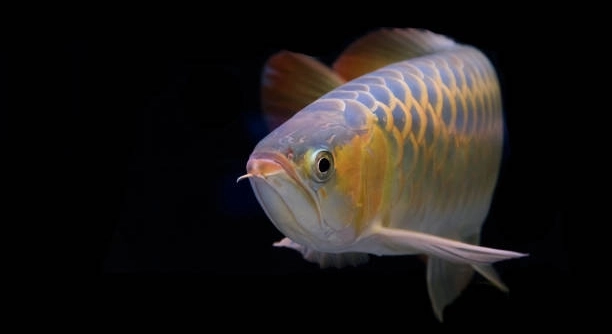
Have you ever noticed your arowana swimming around the thermometer in its tank? Many fish owners find this behavior puzzling, especially when their tank appears clean and properly maintained. It can be both amusing and concerning.
Arowanas often circle the thermometer due to stress, territorial behavior, or environmental factors. Sudden changes in temperature, strong currents, or insufficient hiding spots can trigger repetitive swimming patterns, making the fish focus on specific objects like the thermometer.
Observing your arowana’s routine closely can reveal subtle patterns that explain its actions. Small adjustments in the tank environment often improve its comfort and behavior noticeably.
Common Reasons Arowanas Circle the Thermometer
Arowanas are sensitive fish that respond strongly to their environment. One main reason they circle the thermometer is stress. Changes in water temperature, lighting, or tank placement can make them uneasy. Sometimes they focus on objects in their tank when feeling insecure. Territorial instincts also play a role, especially in smaller tanks where the fish feels confined. Another factor is boredom or lack of stimulation. Arowanas are active swimmers and need enough space and enrichment to stay healthy. Without proper hiding spots or decorations, they may fixate on anything in their line of sight. Observing when this behavior occurs can give clues about what is triggering it. Small changes, like moving the thermometer slightly or adding plants, can help reduce this repetitive behavior. Monitoring water quality and ensuring a stable temperature can make a big difference in calming your fish.
Stress and environmental factors are the main triggers for repetitive swimming around objects like thermometers.
Behavioral patterns often indicate underlying issues. For example, circling can signal poor water quality or insufficient space. Adjustments to the tank, such as better filtration or rearranging décor, often help. Providing a varied environment with room to swim freely and hiding spots reduces stress and encourages normal behavior. Tankmates also affect activity, so peaceful companions help the arowana feel secure. Paying attention to feeding times and diet can prevent agitation. Even minor temperature fluctuations can make your fish uncomfortable, so keeping conditions stable is important. By carefully observing and adjusting their environment, you can support both physical and mental well-being, ensuring your arowana remains active without repetitive or obsessive swimming. This approach creates a healthier and more natural routine for your fish.
Environmental Adjustments to Reduce Circling
Small environmental tweaks can make a big difference in behavior.
Ensuring the tank is large enough, with proper water flow, helps arowanas feel comfortable. Adding plants, rocks, and hiding spaces reduces anxiety and keeps them engaged. Regular water changes, stable temperature, and minimal disturbances also prevent repetitive swimming patterns. Observing their response to these adjustments ensures they feel safe and active.
Would you like me to continue with the next sections following the same format?
Tank Size and Space Considerations
Arowanas need plenty of space to swim. A small or overcrowded tank can cause repetitive circling. Providing a larger tank with clear swimming paths helps them move naturally and reduces stress.
A tank that is too small limits your arowana’s natural behavior. They may feel trapped and fixate on objects like the thermometer. Arowanas are active swimmers and require length more than height. Minimum tank size should allow several body lengths in swimming space, with minimal obstacles in the main swimming area. Rearranging decorations to create open lanes and removing unnecessary items can help them feel free and reduce repetitive patterns.
Even in a properly sized tank, sharp corners or hidden areas may make the fish uncomfortable. Open swimming paths and calm areas reduce stress. Monitoring their movement after adjustments lets you see what works. Pairing space improvements with stable water conditions makes a noticeable difference in behavior.
Water Quality and Temperature Stability
Clean and stable water is critical for arowanas. Fluctuations in temperature or poor water quality can trigger repetitive swimming around objects.
Arowanas are sensitive to ammonia, nitrites, and sudden temperature shifts. Maintaining stable conditions with proper filtration and regular water changes keeps them comfortable. Temperature should remain consistent, avoiding sudden spikes or drops. Monitoring pH and hardness also contributes to their well-being. Adding a reliable heater and thermometer helps maintain stability. Stress from unstable conditions often shows in repeated behaviors like circling the thermometer. Careful observation allows early detection of issues before they affect health. Maintaining good water quality supports natural activity, growth, and appetite.
Stress and Tank Disturbances
Frequent tapping, sudden movements, or loud noises can stress arowanas. They may respond by circling objects repeatedly. Minimizing disturbances helps them feel secure and reduces obsessive swimming.
Stress from other fish or constant changes in the tank layout can trigger repetitive behavior. Maintaining a calm environment and predictable routines makes a noticeable difference in their activity levels.
Feeding Habits and Diet
Irregular feeding or low-quality food can cause restlessness in arowanas. A balanced diet with scheduled feeding times keeps them calm and engaged. Proper nutrition supports their energy levels, growth, and overall behavior, reducing the tendency to fixate on tank objects.
Social Dynamics
Arowanas may circle objects due to interactions with other tankmates. Dominant or aggressive neighbors can make them feel insecure, prompting repetitive swimming. Providing enough space and observing compatibility helps minimize stress and promotes natural, healthy behavior.
Observation and Behavior Tracking
Monitoring daily behavior helps identify triggers for circling. Keeping notes on water quality, feeding, and tank changes allows you to adjust the environment proactively. Consistent observation ensures your arowana remains healthy and comfortable.
FAQ
Why does my arowana keep swimming in circles?
Arowanas often circle objects when stressed, bored, or unsure about their surroundings. Environmental factors such as water quality, tank size, and temperature fluctuations can make them uneasy. Providing stable conditions, enough space, and enrichment reduces repetitive swimming and helps them feel secure.
Is circling the thermometer harmful to my arowana?
Generally, circling itself is not directly harmful, but it can indicate underlying stress or discomfort. If left unaddressed, chronic stress may affect appetite, immune system, and overall health. Observing behavior alongside environmental adjustments ensures the fish remains healthy.
How big should my tank be to prevent this behavior?
Arowanas need a large tank to swim naturally. Minimum size depends on the fish’s species and length, but providing open swimming paths and avoiding overcrowding is essential. A bigger tank reduces territorial behavior and minimizes repetitive patterns.
Can tank decorations affect circling behavior?
Yes. Sharp objects, tight spaces, or a cluttered tank can make arowanas feel trapped. Open swimming areas with selective hiding spots help them feel safe. Rearranging décor may reduce fixation on objects like thermometers.
Does water temperature really matter that much?
Temperature stability is critical. Sudden fluctuations or inconsistent heating can stress arowanas, prompting circling behavior. Using a reliable heater and monitoring with a thermometer ensures water remains within a safe range. Stability improves both activity and overall well-being.
Could tankmates be causing this behavior?
Aggressive or incompatible fish may make your arowana feel insecure. Stress from interactions often results in repetitive swimming. Observing compatibility and providing adequate space helps reduce tension and promotes calm, natural behavior.
How often should I monitor water quality?
Regular checks for ammonia, nitrites, nitrates, pH, and hardness are important. Weekly testing and consistent water changes maintain stability. Poor water conditions often lead to stress-related behaviors, including circling objects repeatedly.
Will feeding changes help reduce circling?
Yes. Arowanas respond well to scheduled feeding and a balanced diet. Irregular meals or poor-quality food can make them restless. Consistent feeding routines provide comfort and reduce the likelihood of obsessive swimming.
How long does it take for behavior to improve?
Improvement varies depending on the cause and the adjustments made. Minor environmental tweaks can show results in a few days, while deeper issues like chronic stress may take weeks. Monitoring behavior regularly helps track progress effectively.
When should I consult a veterinarian?
If circling is accompanied by lethargy, loss of appetite, or unusual physical symptoms, professional guidance is needed. A veterinarian can check for illnesses or underlying conditions that might contribute to repetitive swimming.
Can enrichment prevent circling behavior?
Adding floating plants, varied décor, or gentle currents provides stimulation. Arowanas are active and curious fish; keeping them engaged prevents boredom-related repetitive swimming. Observing which items they interact with most helps tailor enrichment to their preferences.
Are there any signs that circling is normal behavior?
Occasional circling is often harmless, especially in young or active arowanas exploring their tank. Persistent or obsessive circling usually signals stress or environmental issues that need attention. Watching patterns over time clarifies whether the behavior is normal or concerning.
Is water flow important for reducing circling?
Yes. Too strong or too weak currents can make arowanas anxious. Moderate, consistent water flow mimics natural conditions and encourages relaxed swimming. Adjusting filter output or adding baffles can help achieve the right balance.
Can temperature sensors themselves cause circling?
Sometimes fish fixate on objects that stand out in their environment. A thermometer may become a target if the fish feels stressed or bored. Slight repositioning or camouflaging it with décor can reduce repeated interaction.
Do arowanas need hiding spots?
Hiding spaces provide security and reduce stress. Even though arowanas are large and active, small areas to retreat to help them feel safe. Lack of shelter often leads to repetitive swimming or fixation on tank objects.
How does lighting affect behavior?
Bright or inconsistent lighting can make arowanas anxious. Providing a stable light schedule and avoiding sudden changes helps them feel secure. Soft, natural-like lighting often encourages calmer swimming and reduces obsessive patterns.
Can circling indicate illness?
Yes. While often environmental, circling can sometimes indicate internal discomfort or disease. Observing for other symptoms like loss of appetite, discoloration, or abnormal swimming helps determine if medical attention is needed.
Should I rearrange the tank if circling persists?
Careful rearrangement can help. Creating open swimming lanes and minimizing stress points often reduces fixation. Make changes gradually to avoid shocking the fish, and monitor behavior closely afterward.
Does age affect circling behavior?
Younger arowanas are more active and exploratory, so occasional circling is normal. Older or stressed fish may circle due to discomfort or health issues. Age combined with environment often explains repetitive swimming patterns.
Can music or ambient noise help?
Constant loud noise can increase stress, but gentle, consistent background sounds may have a calming effect. Minimizing sudden or high-pitched noises is more important than providing external sounds.
Is it normal for them to circle at specific times?
Yes. Patterns often emerge around feeding, light changes, or tank maintenance. Observing timing helps identify triggers and make small environmental or routine adjustments to reduce repetitive behavior.
How do I track behavior effectively?
Keep a simple log noting time, duration, and triggers of circling. Track water quality, feeding, tank changes, and interactions with other fish. This helps pinpoint causes and evaluate the effectiveness of adjustments over time.
Are there any tools to monitor stress in arowanas?
Behavior observation is the most practical method. Subtle changes like gill movement, erratic swimming, or hiding indicate stress. Recording these along with environmental factors provides a clear picture of what affects your fish.
Can diet supplements reduce circling behavior?
Balanced nutrition supports overall health and can reduce restlessness. High-quality pellets with vitamins and occasional live or frozen food keep energy levels steady and prevent boredom-related circling.
How important is routine for preventing circling?
Very important. A predictable schedule for feeding, cleaning, and lighting helps arowanas feel secure. Consistency reduces stress-induced behaviors and supports natural, calm activity in the tank.
Does tank shape affect circling?
Yes. Long, rectangular tanks allow natural swimming patterns, while tall or square tanks may encourage repetitive circling. Providing open lanes along the length of the tank supports normal behavior.
Can I combine multiple solutions?
Combining space, water quality, diet, enrichment, and stress reduction strategies is often most effective. Observing how each adjustment affects behavior helps tailor a personalized approach for your arowana.
Will behavior return to normal permanently?
With consistent environmental management and monitoring, many arowanas reduce or stop circling. Ongoing care and observation ensure long-term comfort and minimize recurrence of repetitive swimming.
How do I know if changes are working?
Look for reduced time spent circling, calmer swimming, and increased interaction with the environment. Gradual improvements over days or weeks indicate that adjustments are effective.
Are there natural triggers for circling?
Occasional exploration or reaction to shadows, reflections, or movement outside the tank can trigger circling. These instances are normal if the behavior is brief and not obsessive.
Can tank maintenance routines influence circling?
Yes. Sudden changes during cleaning or rearrangement can stress fish. Performing maintenance gently and gradually helps reduce anxiety and repetitive swimming around objects like the thermometer.
Is it okay to leave the thermometer in the same spot?
Yes, but monitor if fixation occurs. Slightly repositioning or blending it with decorations can reduce repeated interaction without affecting temperature readings.
Do arowanas ever stop circling on their own?
Sometimes. Brief periods of circling may end naturally once the fish adapts to its environment. Persistent behavior usually indicates a need for adjustments in space, water, or stimulation.
Can multiple arowanas in one tank affect this behavior?
Yes. Crowding or dominance conflicts increase stress and repetitive behaviors. Adequate space, proper tankmates, and territorial boundaries reduce circling caused by social stress.
How do I balance tank aesthetics and fish comfort?
Focus on open swimming space while adding selective décor. Avoid cluttered layouts and sharp objects. Prioritize fish well-being over visual appeal, as a comfortable environment reduces stress-induced circling.
Does water movement direction matter?
Moderate, consistent flow is best. Too strong currents can stress fish, while stagnant water may lead to boredom. Adjusting flow to create natural swimming patterns supports calmer behavior.
How important is monitoring light cycles?
Consistent light schedules prevent stress and maintain natural rhythms. Abrupt changes or irregular lighting can trigger repetitive circling, so stability is key to promoting calm swimming.
Can reflective surfaces cause circling?
Yes. Arowanas may react to their reflection, thinking it’s another fish. Minimizing reflections or adjusting tank placement reduces this behavior.
Is it safe to cover part of the tank?
Partial coverings or plants can provide security, reducing stress and repetitive swimming. Ensure enough open space remains for free movement to prevent new stress triggers.
Do seasonal changes affect behavior?
Yes. Temperature or lighting shifts in different seasons can make arowanas uneasy. Maintaining stable conditions year-round prevents stress-related circling.
Can interactions with humans trigger circling?
Frequent tapping or sudden movements outside the tank can cause fixation. Approaching the tank calmly and minimizing disturbances reduces repetitive swimming.
Are there behavioral therapies for arowanas?
Enrichment and environmental adjustments act as behavioral interventions. Providing stimulation, hiding spots, and routine care helps modify repetitive circling naturally.
How do I prioritize solutions?
Start with tank size, water quality, and temperature stability. Then address diet, enrichment, and social factors. Observing changes guides further adjustments.
Can arowanas become accustomed to the thermometer?
Yes. Over time, fish may ignore it if their environment is comfortable and stress-free. Ensuring stable conditions accelerates this adaptation.
Is it normal for new arowanas to circle?
Yes. New fish explore their surroundings, and initial circling may occur. Behavior often calms once they adjust to the tank and feel secure.
Do night-time conditions matter?
Yes. Proper lighting cycles, including darkness, support natural rhythms. Disruptions at night can increase stress and lead to repeated swimming around objects.
Can supplements or additives reduce stress?
Certain water conditioners and vitamins support health but are not a replacement for proper environment. Stable water, diet, and space are more effective at reducing circling.
How long should I observe before making changes?
A few days of careful monitoring usually reveals patterns. Avoid hasty adjustments; gradual changes allow you to see which factors truly affect behavior.
Can minor temperature variations cause big changes?
Even small swings can stress sensitive arowanas. Maintaining precise, stable temperature prevents agitation and repetitive swimming around objects like the thermometer.
Is circling more common in certain species of arowana?
Some species are more active or territorial, making them more prone to repetitive swimming if stressed. Understanding your specific species’ behavior helps tailor tank conditions effectively.
Do arowanas circle more during certain life stages?
Juveniles may circle out of exploration or high energy, while older fish may do so if stressed or uncomfortable. Age, environment, and health all influence behavior patterns.
Are visual barriers helpful?
Yes. Plants, rocks, or background coverings reduce exposure to stressors and reflections, providing comfort and decreasing repetitive circling.
How often should I adjust the tank environment?
Adjust gradually as needed. Frequent, sudden changes can increase stress. Small, consistent improvements over time are most effective for reducing obsessive behaviors.
Can enrichment alone stop circling?
Enrichment helps but works best alongside stable water, proper tank size, diet, and calm surroundings. A multi-faceted approach ensures the best results.
What is the best overall strategy?
Focus on stability, space, enrichment, diet, and careful observation. Combined adjustments address stressors, reduce repetitive circling, and promote natural, healthy activity.
How do I know if my fish is thriving?
Calm, smooth swimming, regular feeding, and interaction with the environment indicate good well-being. Reduced obsessive behaviors like circling show your adjustments are effective.
Are there any signs of improvement I should look for?
Less time circling, more exploration, and relaxed swimming are positive indicators. Gradual changes demonstrate that environmental adjustments are working effectively.
Can stress-related behaviors return?
Yes, if conditions change or stressors are reintroduced. Ongoing care, observation, and consistent routines help maintain a comfortable, low-stress environment.
Do all arowanas react the same way to tank conditions?
No. Individual temperament, species, and previous experiences influence behavior. Observing your specific fish helps tailor solutions and ensures long-term comfort and health.
How important is consistency in all aspects of care?
Very important. Stable environment, routine feeding, regular maintenance, and minimal disturbances all contribute to calm, natural swimming behavior and reduce repetitive circling.
Can multiple minor changes have a big impact?
Yes. Small improvements in water, space, enrichment, and stress management combine to significantly reduce circling behavior. Observing responses helps identify which adjustments are most effective.
Is monitoring over time essential?
Yes. Tracking behavior, environment, and routines allows early detection of issues and ensures long-term health, comfort, and natural activity patterns for your arowana.
Are there long-term strategies to prevent circling?
Maintaining stable water, proper tank size, consistent routines, enrichment, and stress reduction is the most effective long-term strategy. Observing and adjusting gradually ensures your arowana remains calm, active, and healthy.
How can I make my arowana feel more secure?
Provide stable water, proper space, gentle lighting, hiding spots, and calm surroundings. Minimizing disturbances and observing interactions with tankmates promotes comfort and reduces repetitive swimming.
What role does routine play in stress reduction?
Predictable feeding, maintenance, and lighting routines help arowanas feel safe. Consistency prevents stress-related behaviors, including circling, and encourages natural, relaxed activity patterns.
Can reflection from tank walls increase circling?
Yes. Reflections may trigger perceived competition or territorial behavior. Minimizing reflective surfaces reduces repetitive swimming and stress.
Does water hardness affect circling behavior?
Yes. Extreme water hardness can stress sensitive arowanas. Maintaining proper parameters supports comfort, reduces stress, and decreases obsessive circling around objects.
Is observation alone enough to fix circling?
No. Observation identifies triggers, but adjustments to water quality, space, enrichment, diet, and stress management are needed to reduce repetitive swimming effectively.
Are there environmental changes that backfire?
Sudden rearrangement, strong currents, or abrupt lighting changes can worsen stress. Gradual, careful adjustments are more effective in promoting calm behavior.
Can seasonal temperature drops affect behavior?
Yes. Even small seasonal variations can stress arowanas. Consistent heating and monitoring prevent agitation and repetitive swimming patterns.
How do I balance activity and rest for my arowana?
Provide open swimming space for activity and quiet areas for rest. Stable light cycles, gentle water flow, and minimal disturbances support natural rhythms and reduce stress-induced circling.
Do arowanas respond to visual cues outside the tank?
Yes. Movement, reflections, or shadows outside the tank can trigger circling. Minimizing sudden visual stimuli helps maintain calm swimming behavior.
Can stress from handling cause circling?
Yes. Frequent or rough handling increases anxiety. Limiting interactions and approaching the tank calmly reduces repetitive swimming behavior.
Are there any signs that circling is resolved?
Reduced circling, relaxed swimming, normal appetite, and interest in tank enrichment indicate that environmental adjustments are effective and the fish feels secure.
How long should changes be maintained to prevent recurrence?
Consistent care, stable water, adequate space, and routine observation must be maintained long-term. Ongoing attention prevents relapse of stress-related circling behavior.
Do all adjustments need to be made at once?
No. Gradual, step-by-step changes allow you to monitor responses and determine which factors most affect your arowana’s behavior, reducing the risk of additional stress.
Is it normal for fish to explore new objects?
Yes. Brief exploration is natural. Persistent fixation, however, often signals stress, environmental issues, or boredom that should be addressed.
How can I ensure long-term comfort?
Stable water, proper tank size, enrichment, compatible tankmates, routine feeding, gentle handling, and minimal disturbances promote ongoing well-being and reduce repetitive circling.
Are there resources to help track behavior?
Simple logs, notes, or videos help track swimming patterns, feeding, and responses to environmental changes. Monitoring trends guides effective adjustments and ensures comfort.
Can minor diet improvements make a difference?
Yes. High-quality food, vitamins, and occasional live or frozen meals support energy, reduce restlessness, and prevent boredom-related circling.
Does water clarity affect behavior?
Cloudy or dirty water increases stress and can lead to repetitive swimming. Regular filtration and cleaning help maintain clarity and comfort.
Is it helpful to mimic natural habitat?
Yes. Providing water flow, plants, and hiding spots similar to natural conditions reduces stress and encourages calm, natural swimming patterns.
Do stress levels vary daily?
Yes. Factors like feeding, cleaning, lighting, and tank interactions affect daily stress. Consistent routines help stabilize behavior and reduce circling.
Can a thermometer be moved without affecting readings?
Yes. Repositioning it slightly or blending it with decorations usually does not affect accuracy and may reduce fixation behavior.
Is it normal for arowanas to have habits?
Yes. Fish develop patterns, but obsessive circling often signals environmental stress or discomfort that should be addressed.
Do multiple small changes add up?
Yes. Gradual improvements across tank size, water, diet, and enrichment can significantly reduce repetitive swimming and promote healthy, calm behavior.
Can stress-induced circling return after recovery?
Yes, if stressors reappear. Ongoing care, monitoring, and consistency are essential for long-term prevention.
Are some fish more prone to fixation?
Yes. Individual temperament, species, and past experiences affect susceptibility to repetitive swimming behaviors.
Does temperature consistency affect overall behavior?
Very much. Stable temperature supports health, activity, and calm swimming, reducing circling caused by stress or discomfort.
How do I maintain a balance between care and observation?
Observe daily for triggers and patterns while providing stable care routines. Gradual adjustments based on observations ensure long-term comfort and reduce repetitive behavior.
**Can adding companions reduce circling
Final Thoughts
Watching your arowana circle the thermometer can feel concerning at first, but understanding the reasons behind this behavior helps put things in perspective. Often, circling is not a sign of serious illness, but a response to stress, environmental conditions, or boredom. These fish are highly sensitive to their surroundings, and even small changes in water temperature, tank layout, or lighting can influence their behavior. Observing your arowana closely and noting when the circling occurs can reveal important clues about what is making it uneasy. With careful attention, many of the triggers can be addressed effectively, helping your fish feel more comfortable and secure in its environment.
Creating a stable and engaging environment is key to reducing repetitive behaviors. Tank size plays a major role, as arowanas need ample swimming space to move freely and express natural behaviors. Decorations and hiding spots provide security, but overcrowding or sharp objects can create stress. Maintaining consistent water quality, temperature, and flow is equally important. Sudden changes in these factors often cause the fish to fixate on objects in the tank, like the thermometer. Feeding routines and diet also have an impact, as irregular or low-quality meals can make them restless. By focusing on these aspects, you can create a calm and healthy space for your arowana, where repetitive circling becomes less of an issue.
Patience and observation are essential when addressing this behavior. It may take days or even weeks to see noticeable improvements, especially if the circling has become a habit. Gradual adjustments to the tank environment, water conditions, or feeding schedule are more effective than sudden changes, which can increase stress. Keeping a log of behavior, environmental changes, and feeding times can help you track progress and identify patterns. Over time, your arowana will likely become more relaxed, exploring the tank naturally and reducing repetitive swimming. Understanding your fish’s needs and responding thoughtfully not only improves behavior but also supports its overall health, ensuring it remains active, calm, and comfortable in its home.

Hello,
If you enjoy the content that we create, please consider saying a "Thank You!" by leaving a tip.
Every little bit helps us continue crafting quality advice that supports the health, happiness, and well-being of pets around the world, for pets of all shapes, sizes, and species.
We really appreciate the kindness and support that you show us!