
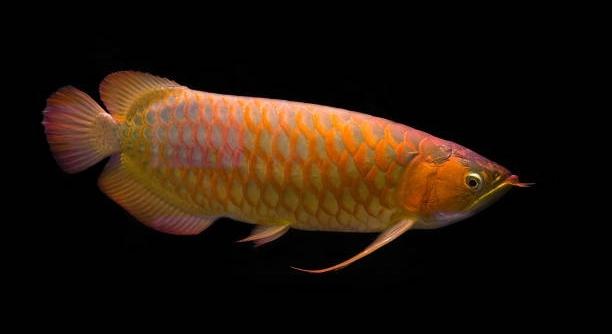
Arowanas are fascinating fish that respond to many things around them, even if we cannot see those triggers. Their movements and behavior often reflect reactions to subtle changes in their environment. Observing them can be surprisingly revealing.
Arowanas respond to vibrations, changes in light, water currents, temperature shifts, shadows, chemical signals, and magnetic fields. These stimuli can cause variations in swimming patterns, feeding behavior, and stress responses, indicating a high sensitivity to factors invisible to humans.
Learning about these unseen reactions helps you understand your arowana better and creates a healthier environment for your fish to thrive.
Vibrations in the Water
Arowanas are extremely sensitive to vibrations around them. Even subtle movements near their tank can trigger noticeable changes in their behavior. This includes people walking nearby, closing doors, or even tapping on the glass. These vibrations travel through the water and can startle or alert your fish. Many owners notice that when heavy footsteps occur near the tank, the arowana may swim faster or hide near the bottom. This sensitivity is part of their survival instincts in the wild, where detecting predators or prey through water movement is essential. Understanding how vibrations affect them can help you reduce stress. Positioning the tank in a stable, low-traffic area minimizes sudden water movement. Additionally, equipment like filters and air pumps can create constant vibrations, which arowanas eventually get used to. Recognizing how external motion affects their mood helps maintain a calmer and healthier environment for your fish overall.
Vibrations trigger alertness, stress, or defensive behaviors in arowanas. Managing movement around the tank can help reduce unnecessary reactions and maintain their well-being.
Reducing vibrations not only lowers stress but also encourages normal feeding and swimming patterns. Careful placement of equipment and the tank ensures that your arowana feels secure, leading to a healthier and more responsive fish.
Changes in Light
Arowanas react quickly to changes in lighting. Sudden bright lights or shadows can make them dart across the tank or hide. Proper lighting consistency is important to prevent stress and maintain normal activity.
Arowanas rely on consistent light patterns to regulate their daily activity cycles. Abrupt changes can disrupt their behavior, sometimes causing aggression or lethargy. Many fish respond best to natural-like cycles, including gradual dimming at night and steady, moderate lighting during the day. Avoid harsh overhead lighting or frequent switching of room lights, as these can create constant startle responses. Using a timer for aquarium lights ensures stability, helping the fish adapt to predictable light and dark periods. Observing your arowana under proper lighting conditions also makes it easier to monitor health and behavior. Understanding light sensitivity helps maintain both their comfort and natural rhythm, supporting overall growth and reducing stress-related problems in captivity. Proper attention to lighting fosters a peaceful environment, which encourages regular swimming, feeding, and interaction with the tank setup.
Water Currents
Arowanas are highly aware of water movement. Strong currents can make them swim harder, while gentle flow encourages smooth, relaxed swimming. Tank placement and filter settings play a key role in controlling water flow to suit their natural behavior.
Proper water flow helps maintain oxygen levels and distributes nutrients evenly in the tank. Arowanas tend to prefer moderate currents that allow them to glide effortlessly without constant effort. Too strong a current can stress them, tire them out, or even cause injury. Adjusting filters, pumps, or decorations can help manage water movement, ensuring the fish can swim comfortably. Observing how your arowana reacts to different currents allows you to fine-tune the environment, promoting healthier activity and reducing stress levels. A well-balanced flow mimics natural conditions and supports their natural instincts.
Gradual changes in water currents help arowanas adapt without sudden stress. Introducing adjustments slowly allows them to explore new flow patterns while maintaining a sense of security. Combining proper water flow with regular tank maintenance keeps your arowana active and reduces the likelihood of behavioral issues.
Temperature Shifts
Arowanas are sensitive to temperature changes. Sudden fluctuations can trigger stress, making them hide, become less active, or refuse food. Stable water temperature is critical for their health.
Maintaining a consistent temperature supports digestion, immunity, and overall activity. Rapid heating or cooling can shock the fish, sometimes leading to long-term health issues. Using a reliable heater and thermometer ensures the tank stays within the ideal range. It’s also important to avoid placing the tank near windows, vents, or areas where room temperature changes often. Gradual adjustments are safer when increasing or decreasing water temperature. Monitoring the arowana’s behavior during shifts can indicate whether the environment is suitable. Awareness of temperature sensitivity allows you to prevent unnecessary stress and maintain optimal health.
Even minor temperature swings can affect metabolism and behavior. Observing your arowana’s reactions and keeping conditions stable ensures feeding patterns, swimming activity, and social behavior remain consistent. Consistent temperature management is essential for a long, healthy life in captivity.
Shadows and Reflections
Arowanas notice shadows and reflections immediately. Moving objects near the tank or reflective surfaces can make them react defensively or curiously. Avoid placing shiny items close to the aquarium to prevent unnecessary stress.
They may swim aggressively toward reflections or hide when shadows shift suddenly. Even their own reflection can trigger erratic movements. Maintaining a consistent visual environment reduces startle responses and helps them feel secure.
Chemical Changes
Water chemistry impacts arowana behavior strongly. Sudden changes in pH, ammonia, or nitrate levels can make them restless, sluggish, or prone to hiding. Regular testing and careful adjustments maintain a stable environment.
Magnetic Fields
Arowanas are believed to sense magnetic fields in the environment. Strong electronic devices or magnetic sources near the tank may influence their orientation and movement.
FAQ
Why does my arowana swim erratically without any visible reason?
Erratic swimming is often caused by stimuli you cannot see, like vibrations, subtle water currents, or changes in magnetic fields. Arowanas are highly sensitive creatures, and even small disturbances in their environment can affect their behavior. Observing patterns can help pinpoint the cause.
Can reflections in the tank stress my arowana?
Yes, arowanas may react strongly to their own reflection or reflective surfaces nearby. They can perceive it as another fish entering their territory, which may trigger defensive or aggressive behavior. Positioning the tank away from mirrors or bright surfaces reduces this stress.
How do temperature fluctuations affect my arowana?
Sudden shifts in temperature can cause stress, reduce appetite, and weaken immunity. Arowanas thrive in stable water temperatures, ideally maintained with a reliable heater and thermometer. Gradual adjustments are necessary when changing conditions to prevent shock.
Why does my arowana seem nervous when I walk by the tank?
Arowanas sense vibrations in the water from footsteps or nearby movement. Even minor disturbances can startle them. Placing the tank in a low-traffic area and minimizing sudden movement nearby helps keep the fish calm.
Are chemical changes in the water harmful to arowanas?
Yes, sudden changes in pH, ammonia, nitrite, or nitrate levels can affect their behavior and health. Regular water testing, partial water changes, and careful treatment maintain stable conditions, keeping your arowana comfortable.
Can arowanas sense magnetic fields?
Arowanas are thought to have a sensitivity to magnetic fields, which may influence their orientation and movement. Keeping electronic devices or strong magnets away from the tank prevents unnecessary disturbances.
How do light changes influence my arowana’s behavior?
Abrupt light changes or flickering can stress arowanas. Consistent lighting schedules and gradual transitions between light and dark periods help regulate their activity and feeding patterns. Timers on aquarium lights are useful for maintaining stability.
Do water currents matter for my arowana?
Yes, water currents influence swimming behavior. Moderate flow encourages natural swimming, while strong currents can exhaust or stress them. Adjusting filter strength and using decorations to break strong flows creates a more comfortable environment.
Why does my arowana sometimes hide for long periods?
Hiding can be a response to stressors like sudden vibrations, temperature shifts, or shadows. It’s a natural defensive behavior. Identifying and reducing these triggers helps your arowana feel secure and promotes regular activity.
How can I create a calmer environment for my arowana?
Maintain stable temperature, water chemistry, and lighting, minimize vibrations and reflections, and provide moderate water flow. A quiet, predictable environment allows your arowana to swim, feed, and interact naturally, reducing stress and improving overall health.
Is my arowana’s sensitivity normal?
Yes, arowanas are naturally alert and reactive to subtle environmental changes. Their heightened awareness is part of their instinctual behavior for survival. Understanding and accommodating their needs ensures they remain healthy and display normal, comfortable behavior.
What should I do if my arowana seems stressed?
Check for sudden environmental changes like light, temperature, vibrations, or chemical shifts. Correct any inconsistencies gradually, maintain routine feeding, and observe behavior closely. Providing hiding spots and reducing disturbances can help the fish recover quickly.
Can external noise affect my arowana?
Yes, low-frequency noises can transmit vibrations through the water, causing stress. Positioning the tank away from loud appliances or heavy foot traffic minimizes disturbances and supports calm behavior.
How often should I test my water for chemical changes?
Regular testing, at least once a week, is recommended. Keeping pH, ammonia, nitrite, and nitrate levels stable ensures a healthy environment and prevents stress-induced behaviors. Prompt corrections maintain water quality and your arowana’s comfort.
Are arowanas affected by reflections from windows or sunlight?
Yes, direct sunlight or reflective surfaces can create moving patterns or bright spots, which may startle or stress your arowana. Use curtains or reposition the tank to reduce light reflections and maintain a stable visual environment.
Can my arowana sense changes I cannot detect?
Absolutely. Arowanas react to vibrations, water chemistry shifts, light changes, magnetic fields, and reflections that are invisible to humans. Understanding these triggers helps you create a stable, stress-free tank environment.
Do hiding spots help reduce stress?
Providing caves, plants, or decorations gives arowanas places to retreat when stressed. Hiding spots support natural instincts, improve comfort, and allow the fish to feel secure while still having room to swim freely.
How does stress show in arowana behavior?
Stress can appear as erratic swimming, hiding, reduced feeding, aggression, or rapid gill movement. Identifying stress signals early allows corrective measures to restore stability and maintain healthy behavior patterns.
Are all arowanas equally sensitive?
Sensitivity varies slightly by species and individual temperament, but generally all arowanas respond to subtle environmental changes. Careful observation and a stable tank setup ensure that all types remain comfortable and stress-free.
What is the best way to monitor my arowana’s environment?
Consistent observation of behavior, regular water testing, proper lighting schedules, and controlled water flow provide the best monitoring approach. Keeping a routine and noting changes helps identify unseen factors affecting your arowana.
This FAQ covers the most common questions about arowanas reacting to invisible triggers, helping owners maintain a stable and healthy environment for their fish.
Final Thoughts
Arowanas are remarkable fish that respond to more than what we can see. Their sensitivity to vibrations, light, water currents, temperature, chemical changes, shadows, and even magnetic fields shows how tuned in they are to their environment. Understanding these reactions is key to keeping them healthy and comfortable. Even small changes in their surroundings can influence their behavior. Observing your arowana closely allows you to notice patterns in swimming, feeding, and resting habits. This awareness can help prevent unnecessary stress and ensure the fish maintains a natural rhythm. By paying attention to these subtle signals, you create a calmer and more stable environment, which improves both their physical health and overall well-being.
Maintaining a stable environment for an arowana requires some attention to detail. Temperature consistency is critical, as sudden drops or rises can affect metabolism and immune response. Light schedules should remain predictable, avoiding abrupt changes that may startle the fish. Proper water flow and regular monitoring of chemical levels like pH, ammonia, and nitrates support both comfort and health. Even factors we may overlook, such as reflections or vibrations from nearby movement, can influence behavior. Providing hiding spots and ensuring minimal disturbances encourages natural activity while reducing stress. Over time, creating these conditions allows arowanas to swim confidently, feed regularly, and exhibit normal social behavior. It also makes it easier to notice when something is wrong, allowing early interventions.
Taking the time to understand how arowanas react to unseen stimuli makes caring for them more rewarding. Each fish may have its own temperament, so observing individual reactions helps tailor the environment to their needs. Gradual adjustments and careful attention to changes in behavior create a supportive tank setup. Arowanas thrive in spaces that mirror natural conditions, where they can explore, swim, and rest without unexpected stressors. By being mindful of the invisible factors affecting them, you ensure long-term health and encourage natural behaviors. These practices not only improve the quality of life for your arowana but also deepen your understanding of these extraordinary fish, making the experience of keeping them both engaging and fulfilling.

Hello,
If you enjoy the content that we create, please consider saying a "Thank You!" by leaving a tip.
Every little bit helps us continue crafting quality advice that supports the health, happiness, and well-being of pets around the world, for pets of all shapes, sizes, and species.
We really appreciate the kindness and support that you show us!