
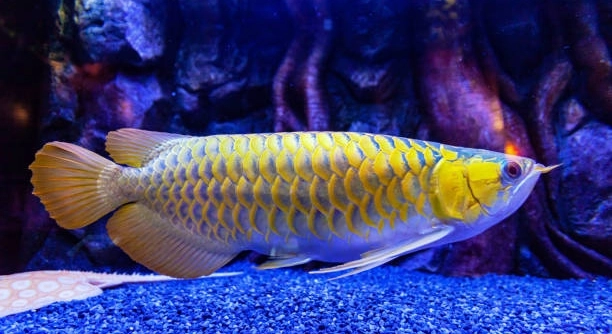
Do your Arowana seem unusually tense or jittery in their tank lately? Many owners notice subtle changes in behavior when their fish are exposed to sounds in their home environment. Understanding these noises can help.
Arowanas are sensitive to sudden or continuous loud noises, vibrations, and unexpected household sounds. These stimuli can trigger stress responses, disrupt feeding behavior, and alter swimming patterns, potentially impacting overall health if the exposure is frequent or intense.
Learning which sounds may cause anxiety can improve your fish’s well-being and create a calmer, more stable environment for them.
Loud Footsteps and Household Vibrations
Heavy footsteps or vibrations from walking near the tank can unsettle your Arowana. These fish have a strong lateral line system that detects motion in the water. Even seemingly small tremors from people moving around, furniture shifting, or doors slamming can make your fish anxious. Over time, repeated exposure may lead to unusual swimming patterns, hiding, or refusal to eat. Tank placement on unstable surfaces can amplify these effects, so consider securing the stand and keeping high-traffic areas minimal. Observing when your fish reacts most strongly helps identify patterns and manage stress. Adjusting daily routines, like walking softly or cushioning the floor, can make a noticeable difference in your fish’s comfort. Providing hiding spots or plants can also give them a sense of safety. Consistency in their environment is key to reducing the negative impact of household vibrations. Your Arowana may become calmer and more confident with these small changes over weeks.
Loud footsteps create water vibrations that trigger stress responses in Arowanas. They can lead to irregular swimming and reduced feeding, affecting overall health.
Recognizing these signals early prevents long-term behavioral issues and maintains a stable, secure habitat for your fish. Small adjustments can greatly improve daily life.
Sudden Noises from Electronics
Electronics like televisions, speakers, or vacuum cleaners produce sudden bursts of sound that can startle Arowanas. These sharp noises travel through both air and water, easily reaching your fish. Even moderate volume levels from a nearby television or a ringing phone can make your fish tense.
Continuous exposure to these electronic sounds may elevate stress hormones and reduce appetite. Some fish may retreat to corners or hover near decorations to escape the vibrations. High-frequency sounds from blenders, alarms, or vacuum motors are especially disturbing, as Arowanas perceive them differently from humans. Adjusting the placement of your aquarium away from direct contact with walls or floors transmitting sound can help. Using sound-dampening materials or rugs under tank stands reduces vibrations. Regularly monitoring your fish’s behavior after exposure ensures you catch stress signs early. Creating a quieter area around the tank supports natural swimming patterns and feeding. These precautions not only keep your Arowana calm but also contribute to their long-term health, making care routines smoother and more predictable.
Barking Dogs and Other Pets
Dogs barking or cats knocking things near the tank can unsettle your Arowana. Sudden, unpredictable noises make them tense, often causing erratic swimming or retreating to the tank’s corners.
Persistent pet noises increase stress levels and can affect appetite. Arowanas are sensitive to abrupt sounds, and repeated exposure may lead to long-term anxiety. Pets moving near the tank, especially large dogs, transmit vibrations through the floor and water, which can be just as disturbing as the noise itself. Providing a buffer, like a thick mat under the tank stand or moving the aquarium away from common pet paths, reduces these disturbances. Observing your fish’s reactions helps you understand which pets or behaviors are most stressful. Over time, managing these interactions allows your Arowana to feel safer, encouraging regular swimming patterns and more consistent feeding habits.
Creating barriers and reducing direct contact with noisy pets helps your fish feel secure. Small changes can make a significant difference in their daily behavior.
Loud Household Appliances
Appliances such as washing machines, blenders, or hairdryers produce vibrations and noise that can startle Arowanas. The sudden sounds transmit through both air and surfaces, triggering stress reactions in your fish. Consistent exposure can lead to reduced feeding and hiding behavior.
These noises are particularly impactful when the tank is placed on surfaces that easily transmit vibrations, like wooden floors or thin stands. Even short bursts from a washing machine or vacuum cleaner can disturb an Arowana, causing it to swim erratically or hover near tank edges. Over time, frequent exposure may alter natural behavior patterns and increase susceptibility to illness. Minimizing the tank’s contact with direct vibration sources, using anti-vibration pads, or relocating appliances further from the tank can mitigate these effects. Monitoring your fish’s behavior after exposure ensures stress is detected early, and adjustments can be made quickly. Keeping a predictable environment is essential for maintaining their health and comfort.
Consistent noise reduction and careful placement of appliances can prevent long-term stress in your Arowana, supporting a stable and healthy aquatic environment.
Door Slams and Sudden Shuts
A slamming door can make your Arowana dart around the tank quickly. Sudden loud noises startle them, causing stress and brief changes in swimming behavior.
Repeated exposure to slammed doors can increase anxiety over time. Even household doors closing normally can trigger these reactions if the tank is nearby.
Children Playing Near the Tank
Kids running, shouting, or playing near the aquarium create vibrations and unexpected sounds that unsettle Arowanas. Their sensitive lateral line detects these movements in water, making them jump or hide. Consistent exposure may reduce appetite and increase stress levels. Creating a safe zone around the tank helps maintain calm behavior.
Thunderstorms and Outdoor Noise
Thunderstorms or loud outdoor construction noises travel through windows and walls. These sounds make Arowanas tense, causing erratic swimming or hiding in corners.
How can I tell if my Arowana is stressed by noise?
Arowanas show stress in ways that are easy to notice once you pay attention. They may hide in corners, stop swimming actively, or avoid food. Erratic or jerky swimming, clamped fins, and sudden darting movements are signs that a loud or sudden sound has unsettled them. Observing your fish at different times of the day and after common household noises can help you identify patterns. Even minor environmental changes, like footsteps or nearby conversations, can cause subtle signs of tension. Stress often builds gradually, so regular monitoring is key.
What types of household noises should I be most concerned about?
Sudden, loud sounds are the main triggers for Arowanas. This includes door slams, footsteps on hard floors, televisions, blenders, or alarms. Dogs barking and other pets moving near the tank can also produce vibrations that the fish detect. Consistent noises, even if not extremely loud, such as washing machines or vacuum cleaners, may cause prolonged stress. Electronics that emit high-frequency sounds, like some speakers or phone notifications, can startle them too. Arowanas are sensitive because they rely on detecting subtle water movements in their natural habitats. Minimizing exposure to these sounds is essential for maintaining calm behavior and feeding habits.
Can I reduce stress from unavoidable household sounds?
Yes, several steps help protect your Arowana from unavoidable noise. Place the tank on a stable, vibration-absorbing stand or mat. Keep the aquarium away from high-traffic areas and heavy appliances. Adding decorations or plants can provide hiding spots, giving your fish a sense of security. Reducing noise volume when near the tank and limiting sudden movements around it helps too. Regular routines make the fish feel more secure. You can also cover the sides or back of the tank with a sound-dampening material to reduce vibration transfer. Consistent care and monitoring ensure that unavoidable household sounds have less impact on your Arowana’s daily behavior.
Will Arowanas get used to household noises over time?
Some Arowanas may become accustomed to regular, predictable sounds, such as a soft hum from an air conditioner or refrigerator. However, sudden or irregular noises are always more likely to startle them. Repeated exposure to loud, unexpected sounds can increase stress rather than build tolerance. Observing how your fish reacts over time helps you understand which sounds are manageable and which require intervention. Providing a stable, quiet environment whenever possible allows your Arowana to recover from occasional disturbances.
Do vibrations affect my Arowana as much as loud noises?
Yes, vibrations can be just as stressful as audible sounds. Arowanas detect movement in water through their lateral line system. Heavy footsteps, moving furniture, or appliances can create vibrations that travel through the floor and tank structure. Even if the sound is minimal, these vibrations can cause sudden darting or hiding behaviors. Reducing vibration transmission with mats or stable stands can improve overall comfort. Observing how your fish behaves when specific vibrations occur will help you make the necessary adjustments to the tank placement and surroundings.
Are there signs that noise stress is affecting my Arowana’s health?
Chronic noise stress can impact appetite, growth, and overall immunity. Fish may eat less or ignore food completely. Prolonged hiding, lethargy, or frayed fins can indicate ongoing stress. Some Arowanas may develop abnormal swimming patterns or even injuries from frantic movements. Regularly checking water quality and maintaining a calm environment supports recovery. Early identification of stress signs helps prevent long-term health issues and ensures your Arowana remains active and healthy.
Can background noise ever be beneficial for Arowanas?
Mild, consistent background noise, like soft air filtration or gentle bubbling, is generally not harmful. In fact, it can mask sudden, startling sounds, reducing the fish’s sensitivity to minor disturbances. The key is consistency. Abrupt, loud, or unpredictable noises remain stressful, so maintaining a predictable, gentle environment allows your Arowana to feel secure while still enjoying normal tank circulation and aeration sounds.
Understanding how noise affects your Arowana is essential for keeping them healthy and calm. These fish are naturally sensitive to vibrations and sudden sounds, which can make them jump, hide, or swim erratically. Even noises that seem minor to us, like footsteps or a closing door, can create stress in their environment. Stress can build gradually, affecting feeding habits, growth, and overall behavior. Observing your fish closely helps you notice subtle changes that indicate tension. Small adjustments in how you manage household sounds can make a noticeable difference in your fish’s daily life. Ensuring the tank is placed on a stable surface away from heavy foot traffic or loud appliances reduces constant disturbances. Simple changes, such as adding plants or decorations for hiding spots, can give your Arowana a sense of security when sudden noises occur. Over time, these measures help create a calmer environment that allows your fish to swim confidently and maintain a regular feeding schedule.
Reducing noise-related stress also means paying attention to predictable and unpredictable sounds. Regular appliances like washing machines, air conditioners, or refrigerators can be managed with thoughtful tank placement, while sudden noises such as slamming doors, vacuum cleaners, or pets moving near the tank require extra care. Even familiar sounds, if too loud or abrupt, can trigger anxiety. Providing a buffer, such as anti-vibration mats or relocating the aquarium to a quieter part of your home, helps protect your fish from unnecessary disturbances. Observing your Arowana after household activities allows you to identify which sounds are most disruptive. With consistent monitoring, you can make informed decisions to adjust routines or rearrange the tank environment. Over time, your fish may become more relaxed, but ongoing vigilance is important, as new stressors can appear unexpectedly. Maintaining a calm and predictable environment encourages natural behavior patterns, which is crucial for their health and long-term well-being.
Finally, creating a peaceful habitat for your Arowana is a combination of observation, adjustment, and prevention. By understanding the types of noises that provoke stress and implementing simple solutions, you can minimize disturbances effectively. Ensuring the tank is well-placed, incorporating hiding spots, and reducing vibrations are small steps that lead to a significant improvement in your fish’s comfort. Regularly checking for signs of stress, such as hiding, loss of appetite, or erratic swimming, allows you to address problems before they impact health. Noise management is not just about reducing sound but also about creating stability, allowing your Arowana to thrive in a secure, consistent environment. By taking these measures seriously, you support their natural behavior, reduce anxiety, and foster a healthy, active fish that can enjoy a safe home for years to come.

Hello,
If you enjoy the content that we create, please consider saying a "Thank You!" by leaving a tip.
Every little bit helps us continue crafting quality advice that supports the health, happiness, and well-being of pets around the world, for pets of all shapes, sizes, and species.
We really appreciate the kindness and support that you show us!