
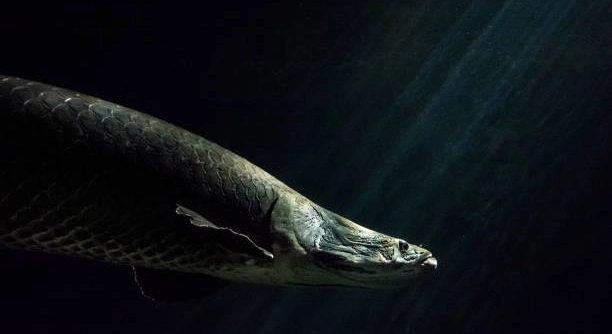
Are your arowanas showing signs of activity that seem different from usual? Observing their behavior closely can help you understand when they are preparing for breeding. Timing and care are essential for a healthy fish environment.
Arowanas ready to breed often display increased activity, paired swimming, and distinct coloration changes. Physical readiness is accompanied by changes in appetite and territory behavior, signaling sexual maturity. Monitoring these traits ensures appropriate breeding conditions and reduces stress.
Recognizing these clues will help you support your arowanas effectively. Proper observation and attention to subtle behaviors make a significant difference in successful breeding.
Increased Activity and Pairing Behavior
Arowanas preparing to breed often show noticeable changes in movement. They swim more actively and may follow each other around the tank. You might notice one fish guarding a specific corner while the other circles nearby. This behavior shows their awareness of potential nesting areas. Increased swimming is usually paired with more frequent surface visits. The fish may also bump or nudge each other, which is a form of communication and bonding before spawning. Watching these interactions closely helps you determine readiness and adjust tank conditions if necessary. Proper monitoring reduces stress and keeps the fish healthy. Lighting and water temperature should remain stable to avoid disrupting these behaviors. It is common to see males become slightly more territorial during this time. Maintaining a calm environment allows both fish to focus on pairing, ultimately leading to better breeding results and stronger fry survival rates.
Observing these movement patterns is a clear indicator of breeding readiness.
Tracking activity changes and pairing behavior gives insights into the fish’s reproductive stage, helping prepare the tank appropriately for spawning.
Color Changes and Physical Readiness
Color intensifies in arowanas as they approach breeding.
Arowanas exhibit richer, more vibrant colors, especially along their fins and scales, which indicates sexual maturity. Males and females may display slightly different shades, and spotting these variations helps distinguish readiness. Physical changes also include slight body thickening and more pronounced muscle definition. Breeders often note that males develop a firmer head shape, which is essential for egg fertilization and nest protection. These visual cues work alongside behavioral signals, such as swimming patterns and territory guarding, to indicate reproductive readiness. Ensuring excellent water quality supports these changes and reduces stress during this sensitive period. Feeding high-protein diets can enhance coloration and overall health, encouraging successful breeding. Maintaining consistency in the tank environment is crucial; sudden changes in water parameters or lighting can delay these physical developments. Understanding these subtle yet important signs allows caretakers to provide the optimal environment for natural spawning and healthy fry growth.
Proper attention to coloration and body condition confirms that your arowanas are nearing the breeding phase and need supportive care.
Appetite Changes
Arowanas often eat more or show selective feeding before breeding. They may focus on high-protein foods while ignoring usual flakes or pellets.
Increased appetite is a key sign of readiness. Fish preparing to breed require extra energy for reproductive processes. You may notice them being more aggressive at feeding times, competing for food, or taking longer to finish meals. Providing live or frozen foods such as shrimp or small fish can support their energy needs. Tracking how much and how often they eat helps gauge their overall health and readiness. Sudden drops in appetite, however, may indicate stress or illness, so it’s important to observe carefully. Adjusting feeding portions and monitoring water quality ensures the fish remain strong during this crucial stage. Feeding consistency paired with appropriate nutrition encourages successful spawning and reduces the risk of nutrient deficiencies that can impact egg and fry development.
Consistent observation of appetite provides a reliable measure of breeding readiness.
Monitoring feeding patterns allows you to meet the fish’s nutritional needs and prevent stress-related issues that could affect spawning success.
Nesting and Territory Behavior
Arowanas begin claiming areas in the tank and defending them from others.
Territorial behavior becomes more noticeable as breeding approaches. Males may patrol specific areas, chasing away other fish and setting boundaries near surfaces or corners. This ensures they have a safe space for spawning. Females may observe or follow, showing signs of coordination with the male. Nesting behavior also includes arranging pebbles or debris in certain setups, although in tanks this is often limited. Providing enough space and minimal disturbances supports natural behavior. Observing interactions helps identify compatible pairs and prevents aggression from escalating.
Territory and nesting behaviors reflect readiness and ensure that spawning occurs in a protected environment.
Allowing space and monitoring interactions reduce stress while enabling natural breeding habits, which increases the likelihood of successful egg fertilization and fry survival.
Fin Flaring and Display
Arowanas often flare their fins to show dominance or attract a mate. This behavior signals readiness and confidence.
Flaring is more frequent during interactions between potential breeding pairs. It helps establish hierarchy and demonstrates physical health.
Breeding Calls and Sounds
Some arowanas produce subtle sounds during courtship. These noises, often low grunts or clicks, indicate communication between mates. Courtship sounds accompany swimming patterns and displays. Monitoring these noises helps confirm pairing and readiness. Breeders often note increased vocalizations during peak mating periods. Proper tank conditions, including minimal external disturbances, allow these natural behaviors to occur. Sound production may be more noticeable in larger tanks or quieter rooms. Paying attention to these subtle cues adds another layer of understanding to reproductive behavior. Documenting frequency and timing of sounds can also help track breeding cycles.
Bubbling or Surface Activity
Increased surface activity, including bubble blowing or hovering near the water top, often signals readiness. It reflects reproductive energy and courtship behavior.
FAQ
How can I tell the difference between a male and female arowana?
Male arowanas are usually slimmer with a more pronounced head shape, while females tend to have a rounder belly, especially when carrying eggs. Observing their behavior helps too; males often guard territory and display more aggressive patterns during breeding.
How long does it take for arowanas to breed?
Breeding readiness depends on age, health, and tank conditions. Typically, mature arowanas may pair and spawn within a few weeks once they show all readiness signs. Consistent water quality, proper diet, and minimal stress speed up the process.
Do arowanas need special tank setups for breeding?
Yes, they need a spacious tank with stable water parameters. Hiding spots and clear areas for swimming help reduce stress. Gentle filtration and calm lighting encourage natural behavior, while maintaining proper temperature supports reproductive health.
What should I feed arowanas before and during breeding?
High-protein foods like shrimp, small fish, and insects enhance energy levels and condition for spawning. Supplementing with occasional vitamins or pellets helps maintain overall health. Feeding multiple small portions a day supports their increased activity without overloading the tank.
How do I reduce aggression between breeding pairs?
Providing enough space and observing interactions is key. Remove overly aggressive individuals if needed. Adding visual barriers or rearranging decorations can help manage conflicts. Pair compatibility is important, so monitor them closely during early courtship.
Can environmental changes trigger breeding behavior?
Yes, stable temperature, light cycles, and clean water mimic natural conditions and encourage reproductive behavior. Avoid sudden changes in pH, hardness, or lighting, as stress can delay or prevent spawning. Minor adjustments should be gradual to support natural readiness.
What signs indicate successful spawning?
After mating, you may notice eggs in the male’s mouth if he is a mouthbrooder, or eggs attached to surfaces in the tank. Continued guarding behavior and reduced swimming around the tank are additional indicators. Monitoring closely ensures both parents remain healthy.
How long does it take for arowana eggs to hatch?
Depending on species and conditions, hatching usually occurs within 7–14 days. Temperature and water quality affect incubation time. Maintaining calm tank conditions helps prevent disturbances that could harm the eggs or fry.
Should I separate the fry from the parents?
Yes, once the fry are free-swimming, separating them prevents accidental predation. Use a nursery tank with gentle filtration and fine feeding options. Regular monitoring ensures fry growth and survival while minimizing stress.
How often can arowanas breed?
Breeding frequency varies by species, age, and health. Many pairs breed once or twice a year under optimal conditions. Overbreeding can strain their health, so it’s important to allow recovery periods between cycles.
Can stress prevent breeding?
Stress from poor water quality, overcrowding, or aggressive tankmates can delay or stop breeding behavior. Monitoring tank conditions, minimizing disturbances, and maintaining consistent feeding routines support natural reproductive patterns.
Are all arowanas compatible for breeding?
Not all pairs are compatible. Behavioral signs like aggression, avoidance, or refusal to swim together indicate incompatibility. Observing interactions and allowing natural pairing choices improves the chance of successful spawning.
What should I do if breeding fails repeatedly?
Review water quality, diet, tank size, and environmental stability. Sometimes introducing a new compatible mate or adjusting feeding routines helps. Patience is essential, as forcing breeding can increase stress and reduce success rates.
Can breeding arowanas impact their health?
Breeding requires extra energy and may temporarily weaken immunity. Providing high-quality nutrition, clean water, and minimal stress ensures both parents remain healthy throughout the process. Recovery periods after spawning are essential before attempting another cycle.
How do I monitor fry growth after hatching?
Track size, swimming behavior, and feeding response. Offer small, frequent meals like baby brine shrimp or finely crushed pellets. Gradually increase portion size as they grow. Regular water changes maintain a healthy environment, supporting development and preventing disease.
Are there risks in breeding arowanas in captivity?
Yes, risks include stress, disease, aggression, and poor survival of fry. Proper preparation, observation, and tank management reduce these risks. Understanding natural behavior and providing suitable conditions improves both breeding success and long-term health.
How can I improve the chance of successful breeding?
Maintain excellent water quality, stable lighting, high-protein nutrition, and ample space. Observe pairing behavior, reduce stressors, and provide a calm environment. Patience, careful monitoring, and supporting natural behaviors significantly increase the likelihood of healthy offspring.
What is the best age for breeding arowanas?
Most arowanas reach sexual maturity between 3–5 years, depending on species. Breeding too early can affect health and fry survival. Waiting until physical and behavioral signs indicate readiness ensures stronger offspring and safer reproduction.
Can tank size affect breeding success?
Yes, small or overcrowded tanks increase stress and aggression, reducing reproductive behavior. Larger tanks allow territory establishment, natural movement, and safer interactions. Providing ample swimming space is critical for both pairs and eventual fry development.
Do arowanas need specific water temperature to breed?
Yes, maintaining a stable, species-appropriate temperature encourages breeding. Sudden changes can cause stress or delay readiness. Slight adjustments to mimic seasonal conditions may trigger natural reproductive behaviors. Monitoring temperature closely ensures optimal conditions.
How do I handle aggressive behavior during breeding?
Separate overly aggressive fish temporarily, monitor interactions, and adjust tank layout if needed. Visual barriers or extra space help reduce conflict. Avoid constant interference, as this may increase stress, but intervene if one fish is being harmed.
Is it necessary to provide hiding spots for arowanas during breeding?
Yes, hiding spots reduce stress and allow the female to feel secure. Males may also use cover to guard territory. Proper placement helps prevent unnecessary aggression and supports natural spawning behaviors, improving overall breeding success.
Can diet affect breeding readiness?
Yes, high-protein, nutrient-rich diets boost energy and reproductive condition. Lack of proper nutrition can delay sexual maturity and reduce egg quality. Supplements like vitamins and live foods enhance overall health and increase the likelihood of successful spawning.
How long should I wait between breeding cycles?
Allowing several months for recovery ensures health and reduces stress. Overbreeding can weaken immune function and lower fertility. Monitoring both physical condition and behavior helps determine when the pair is ready for another cycle.
What water conditions are ideal for breeding arowanas?
Stable temperature, clean water, proper pH, and adequate oxygenation are essential. Frequent testing and gradual adjustments prevent stress. Minimizing fluctuations encourages natural behavior, supports egg development, and ensures fry survival.
How do I know if my arowana pair is compatible?
Observing swimming patterns, pairing interactions, and mutual displays provides insight. Pairs that show coordination, minimal aggression, and synchronized behaviors are more likely to breed successfully. Incompatible pairs often avoid each other or display persistent fighting.
Can lighting affect breeding behavior?
Yes, consistent lighting simulates natural cycles and supports hormone regulation. Sudden changes or excessive brightness can cause stress, delaying breeding behavior. Adjusting light gradually helps trigger reproductive readiness while maintaining overall health.
What is the role of water quality in breeding success?
High-quality water reduces stress, prevents disease, and supports egg and fry development. Regular testing and careful maintenance ensure chemical balance, which directly affects reproductive behavior and survival rates. Stable water conditions are essential for natural breeding patterns.
Are there signs that indicate a failed breeding attempt?
Signs include aggression between the pair, lack of egg production, or eggs being eaten. Weak or unhealthy fish may also indicate reproductive issues. Identifying problems early allows adjustments in diet, environment, or pairing to improve future attempts.
Can tank mates interfere with breeding?
Yes, other fish may stress the pair, eat eggs, or disrupt territory. Keeping a separate breeding tank or removing tank mates minimizes interference and supports natural reproductive behaviors. Observing interactions helps ensure a controlled and safe environment.
How do I care for arowanas post-spawning?
Maintain high-quality nutrition, clean water, and minimal stress. Monitor both parents for aggression or fatigue. Gradually restore normal feeding routines and allow recovery before attempting another breeding cycle. This ensures long-term health and readiness for future reproduction.
What should I do if the fry are not thriving?
Check water quality, food availability, and tank conditions. Adjust feeding schedules and ensure the environment is safe from aggression or stress. Regular monitoring and careful management improve survival rates and support healthy growth.
Are there species-specific considerations for breeding arowanas?
Yes, each species may have unique temperature, diet, and behavioral needs. Researching the specific arowana type ensures proper preparation, feeding, and tank setup. Meeting these requirements improves breeding success and fry survival.
Can stress from handling affect breeding?
Yes, excessive handling or sudden tank changes can delay or prevent spawning. Minimize disturbances, maintain a calm environment, and observe from a distance to allow natural behaviors to occur.
How can I tell if the fry are healthy?
Healthy fry are active, grow steadily, and feed regularly. Dull coloration, lethargy, or slow growth indicates potential problems. Monitoring development, water conditions, and nutrition ensures the fry reach proper size and strength for survival.
What is the best feeding schedule for fry?
Multiple small feedings per day with protein-rich food like baby brine shrimp or finely crushed pellets support growth. Gradually adjust portions as they grow. Maintaining water quality alongside feeding prevents illness and promotes healthy development.
Can temperature fluctuations harm breeding or fry?
Yes, sudden changes can stress adults and harm eggs or fry. Consistent temperatures stabilize reproductive hormones and promote egg development. Monitoring and adjusting gradually helps maintain optimal conditions for successful breeding and survival.
Are there common mistakes breeders make with arowanas?
Common errors include overcrowding, poor water quality, inconsistent feeding, and pairing incompatible fish. Rushing the process or frequent interference can cause stress and reduce breeding success. Proper preparation, observation, and patience improve outcomes.
How do I track reproductive cycles effectively?
Record behavior, feeding patterns, coloration, and tank conditions. Tracking over time helps predict breeding windows and assess pair compatibility. Detailed notes guide adjustments to diet, environment, or pairing to maximize reproductive success.
Can supplements improve breeding success?
Yes, vitamin and mineral supplements enhance overall health, coloration, and energy. Balanced nutrition strengthens reproductive readiness and improves egg quality, supporting healthy fry development. Supplements should complement, not replace, high-protein diets and live foods.
What are the warning signs of illness during breeding?
Lethargy, loss of appetite, fin damage, or unusual swimming may indicate illness. Early detection is crucial, as disease can prevent spawning and harm eggs or fry. Maintaining water quality and monitoring behavior minimizes risks.
How do I know when to introduce a new pair?
Only introduce new pairs when tank conditions are stable and adults are healthy. Observing initial interactions helps ensure compatibility. Gradual introductions reduce aggression and stress, supporting natural pairing behaviors.
Can breeding frequency affect lifespan?
Frequent breeding without recovery can weaken immune systems and reduce lifespan. Allowing rest periods between cycles ensures health, fertility, and longevity for both male and female arowanas.
Is it necessary to adjust water hardness for breeding?
Some species benefit from slight adjustments in hardness to mimic natural habitats. Gradual changes support reproductive behavior, but extreme shifts can cause stress or health issues. Testing and careful control are essential.
How long should I monitor the pair during courtship?
Observe consistently without disturbing them. Watching daily interactions helps track readiness, compatibility, and behavior changes. Minimal interference supports natural patterns and increases the likelihood of successful spawning.
Can breeding arowanas alone improve outcomes?
Yes, keeping the pair isolated from other fish reduces stress and aggression. A quiet, controlled environment encourages natural courtship and increases egg and fry survival rates.
Are there visual cues in the tank that indicate readiness?
Territory guarding, bubble activity, and synchronized swimming are strong indicators. Monitoring these behaviors helps confirm that the pair is prepared for spawning and that environmental conditions are suitable.
Should I adjust lighting during the fry stage?
Yes, maintaining gentle, consistent lighting helps reduce stress. Gradually increasing light intensity as fry grow supports feeding and activity without causing agitation or harm.
How do I prevent egg predation in a mixed tank?
Separating the breeding pair or using a dedicated breeding tank protects eggs from other fish. Visual barriers, tank dividers, or temporary removal of tank mates minimizes predation risk and supports fry survival.
Can water flow affect breeding behavior?
Yes, strong currents can stress fish and disrupt courtship. Gentle filtration that maintains oxygenation without creating turbulence is ideal, allowing natural swimming and spawning behaviors.
What is the ideal pH for breeding arowanas?
Most arowanas prefer slightly acidic to neutral water. Maintaining consistent pH reduces stress, supports egg development, and ensures healthy fry. Frequent testing and gradual adjustments prevent sudden shifts that can harm the pair.
How do I handle failed hatches?
Check water quality, nutrition, and tank conditions. Remove eggs that show mold or deterioration to prevent contamination. Adjusting environmental conditions and pairing strategies improves chances for future successful hatches.
Can seasonal changes affect breeding?
Yes, changes in temperature, light duration, and feeding mimic natural cycles. Slight seasonal adjustments help trigger reproductive behavior, encouraging successful courtship and egg production.
What are the risks of breeding in small tanks?
Limited space increases stress, aggression, and competition. Small tanks make territory establishment difficult and may reduce fry survival. Providing larger, well-structured environments improves breeding success and fish welfare.
How do I maintain water quality during fry growth?
Frequent water changes, gentle filtration, and monitoring of ammonia, nitrites, and nitrates are essential. Proper feeding practices prevent waste buildup. Clean, stable water supports fry health and reduces disease risk.
Can adult arowanas eat their fry?
Yes, some adults may eat eggs or young fry. Removing fry to a separate tank or using breeding nets reduces predation risk and increases survival rates.
Is it important to maintain temperature consistency for fry?
Yes, stable temperatures support growth, immunity, and feeding behavior. Fluctuations can slow development, stress fry, or increase mortality. Consistent monitoring is essential for healthy fry progression.
How do I ensure both parents stay healthy during breeding?
Provide high-quality food, clean water, and sufficient space. Monitor interactions to prevent injuries, and allow rest periods post-spawning. Balanced care supports long-term health and future breeding opportunities.
Can stress from external factors affect fry survival?
Yes, vibrations, loud noises, or excessive tank activity can stress parents and fry. Maintaining a calm environment increases survival rates and encourages natural parental behavior.
Are there indicators of egg fertilization success?
Fertilized eggs are usually clear or slightly opaque and develop uniformly. Unfertilized eggs may turn white or cloudy. Monitoring egg appearance helps identify successful spawning and informs care strategies.
Can diet supplements improve fry growth?
Yes, enriched live foods or fortified pellets support healthy development. Consistent feeding schedules and high-quality nutrition ensure fry grow steadily and remain strong during early stages.
What is the role of observation in breeding success?
Careful observation helps track readiness, detect stress, and identify potential problems. Noticing subtle behaviors ensures proper intervention and supports a smooth spawning process. Regular notes improve future breeding management.
How do I prevent disease during breeding?
Maintain excellent water quality, avoid overcrowding, and provide balanced nutrition. Quarantine new fish and observe for early signs of illness. Preventive care protects adults and fry from common diseases.
How long should fry remain in the nursery tank?
Keep fry separate until they are strong, free-swimming, and able to handle normal tank conditions. Gradually introduce them to larger spaces to reduce stress and promote healthy growth.
Can water changes affect spawning success?
Frequent, small water changes maintain quality without shocking the fish. Large, sudden changes can stress adults and disrupt egg development. Consistency is key for stable breeding conditions.
Is it important to track multiple breeding indicators?
Yes, observing behavior, coloration, appetite, and territorial activity together gives a complete picture. Relying on one sign alone may mislead, so tracking several factors improves accuracy and timing.
Can environmental enrichment support breeding?
Yes, adding hiding spots, open swimming areas, and visual barriers encourages natural behaviors. Enrichment reduces stress, increases activity, and supports successful courtship and spawning.
What should I do if the pair fights constantly?
Separate them temporarily, provide extra space, or rearrange the tank. Aggressive pairs may need long-term separation. Ensuring safety prevents injuries and allows eventual natural pairing when conditions improve.
Are there long-term benefits to careful breeding practices?
Yes, maintaining proper care improves adult health, fry survival, and overall reproductive success. Thoughtful breeding supports strong, resilient fish and reduces stress-related complications in future cycles.
How can I tell if a pair is compatible for future breeding?
Observe past interactions, stress levels, and spawning success. Pairs that show cooperation, minimal aggression, and healthy offspring are likely compatible for subsequent cycles.
Can water filtration type influence breeding?
Yes, gentle filtration supports oxygenation without creating strong currents. Harsh filtration can stress adults, disturb eggs, or hinder fry swimming. Selecting appropriate equipment is crucial for successful breeding.
What are the most reliable signs of breeding readiness?
Combined indicators include increased activity, paired swimming, flaring fins, vivid coloration, appetite changes, territorial behavior, and subtle sounds. Monitoring all these signs together provides the clearest evidence of reproductive preparedness.
How important is patience in breeding arowanas?
Patience is critical. Rushing, interfering, or forcing conditions often leads to stress and failure. Allowing natural behaviors to unfold ensures healthier adults, higher egg survival, and stronger fry.
Can temperature or lighting mimic seasonal triggers?
Yes, gradual adjustments simulate natural cycles, encouraging courtship and spawning. Controlled manipulation of these factors supports reproductive readiness without causing stress.
Are there indicators that a fry tank is properly prepared?
Active, healthy fry, clean water, gentle filtration, and consistent feeding are all signs. The tank should allow safe movement and growth, supporting development until transfer to a main tank.
How do I maintain adult health during long breeding periods?
Regular feeding, monitoring water quality, minimizing stress, and observing behavior are key. Ensuring recovery periods and balanced nutrition supports both reproductive success and long-term vitality.
Can behavioral observation replace other breeding methods?
Observation alone gives strong insights but should complement proper tank setup, diet, and water management. Combining monitoring with environmental care produces the best breeding outcomes.
How do I prevent aggressive pairs from injuring each other?
Provide sufficient space, visual barriers, and temporary separation if necessary. Observing interactions ensures conflicts don’t escalate, protecting both adults and eggs from harm.
**What
Breeding arowanas can be a rewarding experience when done carefully and with attention to detail. Observing their behavior is essential, as the subtle signs of readiness—like increased activity, paired swimming, fin flaring, and appetite changes—can guide you in preparing the tank for spawning. Providing a stable and clean environment ensures that the fish remain healthy and reduces stress, which is one of the main factors that can prevent breeding. Arowanas are sensitive to changes in water parameters, lighting, and temperature, so keeping these conditions consistent is key. Small adjustments, like improving diet or adding hiding spots, can make a noticeable difference in their behavior and comfort. Even things like gentle filtration or ensuring enough space for swimming can impact breeding success. Paying attention to all these factors allows you to support the fish naturally and encourages reproductive behaviors without forcing the process.
Nutrition plays a significant role in the health and readiness of breeding arowanas. High-protein diets, including live or frozen foods such as shrimp or small fish, provide the energy necessary for courtship and egg production. Supplements or high-quality pellets can also help maintain overall health and improve coloration, which is often a sign of sexual maturity. Monitoring feeding habits helps you gauge whether the fish are ready to spawn or if they might be stressed or unwell. Appetite changes are one of the first signs of breeding readiness, and responding to these cues with proper nutrition and care can improve the chances of successful spawning. At the same time, careful feeding prevents water quality problems, which can harm both adults and fry. A balance between nutrition and tank maintenance ensures that the arowanas are strong and healthy before, during, and after breeding.
Successful breeding also depends on observing interactions and providing appropriate spaces for each fish. Territorial and nesting behaviors indicate that the pair is ready to spawn, and respecting these behaviors helps prevent aggression and stress. Using visual barriers or separating overly aggressive fish temporarily can protect both adults and eggs. Fry require special care once hatched, including proper feeding, clean water, and a safe environment free from predation. Monitoring their growth ensures healthy development, while maintaining adults’ health allows for future breeding opportunities. By combining careful observation, consistent environmental care, proper nutrition, and attention to behavior, breeding arowanas can be managed effectively. Patience, consistency, and awareness of these factors make the process smoother and increase the likelihood of successful spawning and healthy offspring, creating a sustainable environment for both adults and fry.

Hello,
If you enjoy the content that we create, please consider saying a "Thank You!" by leaving a tip.
Every little bit helps us continue crafting quality advice that supports the health, happiness, and well-being of pets around the world, for pets of all shapes, sizes, and species.
We really appreciate the kindness and support that you show us!