
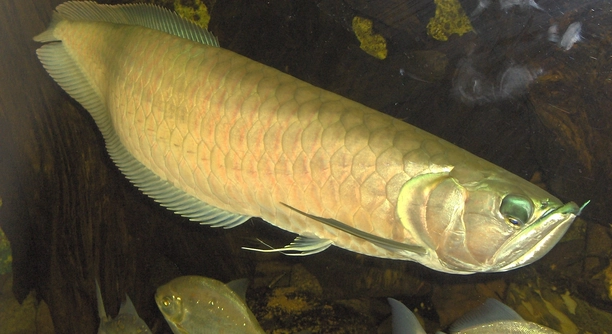
Arowanas are striking and graceful fish that require more than just a large tank. Their environment plays a key role in their behavior and overall wellbeing, especially when it comes to feeling safe and comfortable in their space.
Lighting is a crucial factor in creating a secure environment for Arowanas. Adjusting brightness, simulating natural day-night cycles, and reducing glare help minimize stress. Subtle lighting changes support natural behavior, enhance feeding patterns, and promote overall health in captivity.
Small adjustments in lighting can make a noticeable difference. These tweaks not only improve comfort but also encourage natural activity, making your Arowana feel more at home.
Adjust Brightness Gradually
Arowanas are sensitive to sudden changes in light. Turning on a bright light instantly can startle them and increase stress. It’s better to use dim lights when you first approach the tank or when feeding. Gradually increasing the brightness mimics sunrise, creating a calm environment. This approach helps the fish adjust without panic. Many hobbyists notice that their Arowanas swim more confidently when lighting transitions are gentle. Using adjustable LED lights allows you to control intensity throughout the day. Avoiding harsh overhead lights or direct sunlight prevents reflections on the glass, which can confuse or scare them. Nighttime should be completely dark or use a soft moonlight effect to simulate natural conditions. Keeping a consistent lighting schedule also supports their circadian rhythm. Your fish will seem more relaxed, often swimming near the surface without sudden darting motions. Observing these behaviors is a good way to gauge if your adjustments are effective.
Gradual brightness adjustment reduces stress and encourages natural swimming patterns. This simple change can improve feeding and overall comfort in the tank.
Consistent light transitions benefit more than just stress levels. When brightness is controlled, Arowanas maintain better health because they are less prone to sudden fatigue. Proper lighting supports their natural color, making scales appear more vibrant. It also enhances the visibility of tank decorations and hiding spaces, encouraging exploration. Fish that feel secure in their surroundings are more likely to eat consistently and display natural behaviors, such as gliding near the surface or inspecting corners of the tank. Too bright or fluctuating light can trigger rapid swimming, which wastes energy and may cause injury. Over time, a well-lit but gentle environment also reduces aggression in tanks with multiple fish. Observing your Arowana’s response allows you to fine-tune light schedules, balancing daytime brightness with restful night periods. By prioritizing gradual changes, you create a stable habitat where the fish can thrive, promoting both physical health and emotional security.
Simulate Natural Day-Night Cycles
Arowanas respond best to a clear day-night rhythm. Mimicking natural light patterns helps regulate activity and feeding schedules.
Using timers on your lights ensures consistency. Lights should gradually turn on in the morning and fade at night, avoiding abrupt changes that may startle your fish. Simulating seasonal light variations can also enhance natural behavior. In a controlled environment, this cycle supports their hormonal balance and keeps them active during feeding times. Observing your fish during these cycles shows whether they are adjusting well.
Consistent day-night cycles have long-term benefits. Fish exposed to irregular lighting may become stressed, affecting appetite and growth. Natural light rhythms encourage rest periods, reducing overactivity and supporting overall health. Arowanas instinctively follow light cues for movement, feeding, and social interactions. Timers create reliability without manual adjustments, freeing time while ensuring stability. Over time, fish develop predictable routines, swimming actively during light periods and resting calmly during darkness. Moonlight or low nighttime lighting can help nocturnal activity without disturbing sleep. Maintaining this rhythm also minimizes erratic behavior caused by sudden light changes. Understanding the impact of lighting on your Arowana is key to fostering a secure environment. With proper simulation, your fish shows more natural posture, improved coloration, and increased confidence throughout the tank.
Reduce Glare and Reflections
Glare can make Arowanas nervous and less active. Position lights so they don’t shine directly on the glass. Avoid mirrors or shiny surfaces near the tank that may confuse the fish.
Glare and reflections create false images in the tank that Arowanas may perceive as threats. When a fish sees its own reflection or light bouncing off surfaces, it can trigger rapid swimming or hiding behavior. Over time, constant exposure to reflections increases stress and may impact appetite. Using frosted bulbs, diffusers, or positioning lights at an angle helps reduce these disturbances. Tank backgrounds and side panels can also absorb excess light, preventing reflections. Even subtle adjustments, like moving lamps farther away or angling them downward, create a calmer environment. Reducing glare not only helps your fish feel secure but also allows you to observe their natural behavior without interference.
Arowanas are visual creatures. Excessive reflections or bright spots can distract them from feeding or exploring. When glare is minimized, they swim more confidently, making full use of the tank’s space. This promotes natural activity and reduces unnecessary stress. Choosing non-reflective decorations and using darker substrates further prevents startling reflections. By observing the fish’s reactions, you can see how lighting adjustments improve comfort. A calm tank encourages healthier behavior, and Arowanas are more likely to display normal swimming patterns, surface interactions, and social behavior. Proper light management strengthens the sense of security, making the tank a stable environment.
Use Soft, Diffused Lighting
Soft lighting is less intimidating and encourages calm movement. Avoid overly bright or harsh lights that can stress your Arowana.
Diffused lighting spreads evenly across the tank, reducing sharp shadows and high-contrast spots. This type of illumination mimics natural water conditions, allowing the fish to move freely without feeling exposed. Arowanas react better to soft light because it reduces sudden visual shocks. LED strips behind frosted panels or using light filters creates this effect efficiently. Soft lighting also enhances natural colors, making the fish appear healthier. By creating a gentle environment, you reduce erratic swimming and improve overall comfort. Observing the fish under soft light shows calmer, more consistent behavior.
Soft, diffused lighting supports feeding and resting patterns. Fish feel less threatened and are more likely to explore the entire tank rather than staying near hiding spots. Gentle illumination reduces stress hormones, contributing to stronger immunity and overall health. Over time, Arowanas become accustomed to the predictable, comfortable light conditions, which reduces anxiety-related behaviors such as darting or bumping into surfaces. Soft lighting also allows decorations and plants to appear more natural, giving the fish visual cues for shelter and territory. Adjusting light intensity gradually ensures the environment remains consistent and reassuring. Proper light diffusion is a key factor in promoting a secure and balanced habitat.
Avoid Sudden Fluctuations
Sudden changes in lighting can startle Arowanas. Turning lights on or off abruptly may trigger rapid swimming or hiding, increasing stress levels.
Using timers or dimmers helps maintain steady transitions. Gradual changes make the fish feel secure and support consistent behavior throughout the day.
Provide Hiding Shadows
Shaded areas in the tank give Arowanas a sense of safety. Dark corners or plants allow them to retreat when needed.
Shadows reduce anxiety by offering a visual break from open, bright spaces. Including driftwood, tall plants, or decorative caves creates natural hiding spots. Fish feel less exposed and are more likely to explore actively when these areas are available. Shaded zones also help them rest comfortably, especially during periods of high light intensity. Observing these spots encourages better feeding habits and overall calm behavior. Properly arranged hiding spaces complement lighting strategies, ensuring a balanced environment where Arowanas can feel secure.
Match Lighting to Tank Size
Lighting should suit the dimensions of your aquarium. Oversized lights may overwhelm the fish and create uneven brightness.
Use Adjustable LED Lights
Adjustable LEDs allow precise control of intensity and timing. This flexibility helps recreate natural conditions and keeps Arowanas calm.
How bright should my Arowana’s tank light be?
Arowanas prefer moderate lighting that is not too harsh. Bright lights directly overhead can stress them, while very dim lighting may make them less active. Using adjustable LEDs allows you to find a comfortable brightness that mimics natural daylight, helping the fish feel secure. A good rule is to aim for soft illumination that highlights the tank without creating glare or sharp shadows. Observing your fish’s behavior under different light levels is the best way to gauge comfort. If the fish swims calmly and explores the tank, the brightness is likely appropriate.
Should I keep lights on all day?
No, Arowanas need a day-night cycle. Continuous light can disrupt their natural rhythm and increase stress. Use timers to maintain consistent periods of light and darkness, simulating sunrise and sunset. This schedule supports feeding behavior, activity patterns, and overall health. Nighttime should have either complete darkness or a very soft moonlight effect to allow rest without startling the fish. Maintaining predictable light periods also reduces erratic swimming and aggressive behavior in the tank.
Can sudden light changes harm my Arowana?
Yes, sudden changes can cause stress and rapid swimming, which may lead to injuries. Turning lights on or off abruptly creates a sense of threat because Arowanas are highly sensitive to visual stimuli. Gradual transitions using dimmers or timed ramps mimic natural light changes, allowing the fish to adjust calmly. Consistent lighting also prevents stress-related health issues, such as weakened immunity or reduced appetite. Small adjustments in lighting intensity over minutes rather than seconds are enough to avoid startling them.
Do Arowanas need shaded areas in their tank?
Yes, shaded areas are essential for comfort. Dark corners, plants, or decorative caves give fish a place to retreat when they feel exposed. These areas mimic natural hiding spots found in rivers and ponds. Arowanas use shadows to reduce stress, regulate activity, and rest safely. Without shaded zones, they may swim anxiously near the surface or tank walls. Providing a balance of light and shadow encourages natural behavior and increases their sense of security. Observing which areas they use most can help optimize the tank layout.
How do I reduce glare and reflections?
Position lights at angles and avoid direct overhead lighting that bounces off the glass. Reflections can confuse Arowanas, making them think other fish are present or threatening. Frosted bulbs, diffusers, and dark backgrounds minimize unwanted reflections. Even small changes, like repositioning a lamp or covering shiny surfaces near the tank, make a difference. Reducing glare helps the fish swim calmly and focus on normal activities like feeding and exploring.
Is soft, diffused lighting better than bright direct light?
Yes, soft, diffused lighting creates a calm environment and prevents overstimulation. Harsh lights can cause erratic swimming or hiding. Using diffusers or LED strips behind frosted panels spreads light evenly, reducing shadows and high-contrast spots. This lighting mimics natural water conditions, allowing Arowanas to feel comfortable. Soft light also enhances coloration and makes tank decorations appear more natural, providing cues for territory and shelter. Proper diffusion is particularly important for larger tanks, where uneven light may create stressful bright patches.
Can lighting affect feeding behavior?
Absolutely. Bright or harsh lighting can make Arowanas shy or hesitant to eat, while too dim light may reduce visibility, making them miss food. Gentle, well-distributed lighting encourages normal feeding patterns and reduces stress. Combining diffused lighting with shaded areas allows the fish to feed confidently while still having safe zones nearby. Gradual light changes during feeding times can further enhance comfort and appetite.
How important is a consistent lighting schedule?
Very important. Consistency helps maintain circadian rhythm, which affects activity, feeding, and overall health. Irregular lighting can stress fish, reduce appetite, and trigger abnormal behavior. Using timers ensures predictable cycles without manual intervention. A reliable schedule allows the fish to anticipate day and night periods, promoting rest and energy balance. Over time, Arowanas become more confident, swimming actively during light periods and resting calmly during darkness. Consistency supports natural behavior and long-term wellbeing.
Can adjustable LED lights improve tank conditions?
Yes, adjustable LEDs allow precise control of intensity, duration, and color temperature. This flexibility lets you recreate natural light conditions and simulate gradual sunrise or sunset. Adjusting light slowly reduces stress, improves feeding behavior, and enhances coloration. LEDs also consume less energy and produce minimal heat, preventing temperature fluctuations. With adjustable lighting, you can fine-tune conditions for your Arowana’s comfort and monitor their response to different intensities and schedules, ensuring a secure, healthy environment.
Do seasonal light variations matter?
Yes, mimicking seasonal changes in light helps maintain natural behavior. Slightly longer or shorter light periods throughout the year signal environmental cues, influencing feeding patterns and activity. This approach can prevent stress from a static, unchanging environment. Seasonal variations can be subtle, like adjusting timer settings or light intensity slightly over weeks, ensuring a smooth transition. Fish often respond with more natural swimming, feeding, and resting behaviors, reinforcing their sense of security.
Proper lighting is one of the most important factors in keeping Arowanas comfortable and secure. These fish are sensitive to their environment, and the right light setup can make a noticeable difference in their behavior and health. Bright, harsh lights or sudden changes can create stress, causing Arowanas to swim anxiously or hide in corners. On the other hand, a well-thought-out lighting plan supports natural behavior, encourages regular feeding, and allows the fish to move confidently throughout the tank. Soft, diffused lighting, combined with gradual changes in brightness, can simulate natural conditions and reduce stress significantly. Observing how your fish reacts to different lighting levels is essential for maintaining their comfort and wellbeing.
Shadows, hiding spaces, and reflections are also part of a complete lighting strategy. Arowanas often feel safer when they have areas to retreat to, and carefully arranged decorations or plants can provide this security. Reducing glare and preventing reflections on the glass ensures the fish are not startled by their own image or bright spots. Proper tank placement, along with diffused and adjustable lights, creates a calm environment that allows Arowanas to display their natural behavior. When the fish can rest, explore, and feed without constant stress, they are more likely to remain healthy and active. Consistency in lighting schedules is equally important. A clear day-night cycle helps regulate circadian rhythms, feeding behavior, and activity levels, contributing to overall physical and mental stability.
Adjustable LED lights and timers make it easy to control light intensity, duration, and even seasonal variations. This flexibility allows hobbyists to recreate a natural environment that supports both comfort and activity. Gradual light transitions and soft illumination prevent unnecessary stress, while shaded areas and natural hiding spots provide reassurance. Observing the fish during different lighting conditions gives insight into what makes them feel secure, helping refine the setup over time. Arowanas thrive in an environment where light is managed carefully, balancing visibility, safety, and natural behavior. By focusing on these lighting adjustments, the tank becomes a stable and comfortable space, ensuring that Arowanas remain calm, confident, and healthy. Consistent care and attention to lighting contribute significantly to their long-term wellbeing.

Hello,
If you enjoy the content that we create, please consider saying a "Thank You!" by leaving a tip.
Every little bit helps us continue crafting quality advice that supports the health, happiness, and well-being of pets around the world, for pets of all shapes, sizes, and species.
We really appreciate the kindness and support that you show us!