
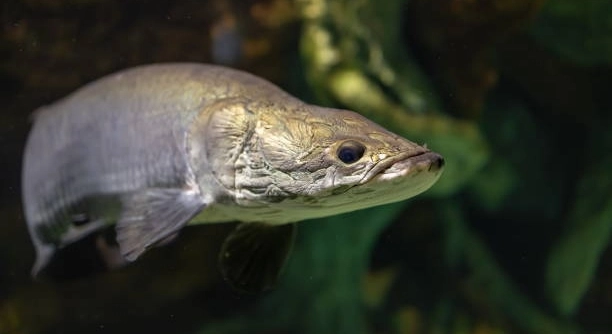
Many fish keepers enjoy forming gentle routines with their pets, and daily interaction can feel comforting. Speaking softly near your arowana becomes a small habit that shapes your bond in a calm and steady way.
Regular verbal interaction can support your arowana’s comfort and familiarity within its environment. Although the fish cannot understand language, consistent presence and gentle sounds contribute to reduced stress responses and improved acclimation, fostering a stable routine that benefits its overall-well-being.
Exploring how simple daily habits influence your arowana’s comfort reveals subtle behaviors and patterns that strengthen a calm, trusting connection.
Benefits of Daily Interaction
Talking to your arowana each day can create a calm rhythm in your home, and I often notice how steady routines help these sensitive fish feel secure. When you speak softly near the tank, your arowana becomes used to the gentle presence you bring, easing its reactions to movement and noise. Over time, this simple act encourages better comfort, as the fish begins recognizing the patterns of your voice along with the timing of your visits. This steady exposure helps reduce unnecessary stress, especially in moments when the environment might shift, such as during feeding or cleaning. Daily interaction also allows you to observe subtle changes in behavior, helping you notice when something feels off. By speaking regularly, you form a quiet bond that supports stability, making your arowana’s environment feel less unpredictable and more soothing. It is a small habit, yet it adds meaningful consistency to your fish’s day.
Daily talking also helps you become more aware of your arowana’s natural reactions. As you stand by the tank, you learn its rhythm and notice calm patterns forming. These repeated moments make it easier to understand what keeps your fish comfortable and what changes might affect its mood each day.
Speaking near the tank becomes a simple routine that strengthens your comfort with your arowana’s behavior. When you keep your tone soft, the fish remains steady even when other sounds occur around the room. This gentle familiarity helps reduce sudden reactions, making care tasks feel easier for both of you. Over time, you also start noticing how your presence influences the fish’s movements, allowing you to understand its comfort level more clearly. These small observations give you better awareness of health changes, feeding habits, and stress signs. A steady voice can support a peaceful environment that keeps your arowana calm.
How to Talk to Your Arowana
Talking to your arowana should stay soft and steady, giving the fish a familiar sound to connect with. Keeping your voice low helps avoid startling movements, and your consistent presence builds comfort. Simple, repeated interaction supports a stable routine that your arowana can adjust to with ease each day naturally.
Creating a gentle communication habit with your arowana helps shape a calm environment that feels predictable and steady. When you speak near the tank, keep your tone even and your movements slow, allowing the fish to associate your presence with comfort rather than disruption. This steady exposure helps the arowana adapt to daily activity around the room, reducing the chance of sudden stress responses. Over time, your voice becomes part of the background cues the fish relies on, making transitions such as feeding, maintenance, or lighting changes feel less intense. Observing your arowana while you talk also gives you a better understanding of how it reacts to shifts in its surroundings. You can often notice subtle signs of tension or ease, which helps you adjust your care routine. Establishing this calm pattern encourages healthier behavior, steadier swimming, and improved overall comfort. Speaking softly each day adds a consistent element that supports a more secure habitat for your arowana. With time, the steady routine becomes a natural part of the arowana’s daily life, allowing it to remain balanced even when changes occur. Adding a calm presence through speaking strengthens trust, helping your fish stay settled during situations that might create tension.
Signs Your Arowana Responds to Your Voice
Your arowana may show subtle reactions when it grows used to your voice. You might notice calmer swimming, slower turns, or a steady focus toward the front of the tank whenever you speak softly nearby, showing a sense of familiarity and reduced tension during daily interaction.
As your arowana becomes more accustomed to your presence, these small responses grow easier to recognize. The fish may glide toward the glass more smoothly, pause briefly as if assessing your movements, or settle into a relaxed pattern instead of darting around. These behaviors signal that your voice is becoming part of its routine. Over time, these calming reactions help you understand its comfort levels more intuitively. This awareness makes care tasks feel easier, since the fish is less startled by everyday sounds and movements. Observing these changes allows you to adjust how you interact, supporting a stable environment.
Continued verbal interaction may also help you track mood shifts. If your arowana usually responds calmly but suddenly seems tense, you can use that change as a sign to examine water quality, temperature, or feeding habits. These reactions become helpful cues that guide you in maintaining a comfortable space. Over time, the consistency of your voice helps regulate the fish’s behavior, creating a smoother balance. Watching for these signs can make you feel more connected to its routine and needs. Even small reactions can tell you a lot about its comfort and overall well-being.
Common Mistakes to Avoid
Speaking too loudly or moving too abruptly near the tank can unsettle your arowana. Keeping your voice soft helps prevent unnecessary stress. Avoid tapping on the glass, rushing care tasks, or making sudden gestures that could disrupt the peaceful environment your arowana depends on each day.
Another mistake is talking only during stressful moments, such as cleaning or feeding. When your voice appears only during these times, the arowana may associate the sound with disruption instead of comfort. It helps to speak calmly during neutral moments so the fish develops steady familiarity. Avoid overhandling maintenance tasks, as irregular routines can create confusion. Keeping your tone even, your movements slow, and your schedule consistent strengthens the comfort your arowana needs. Sudden shifts in lighting, loud background noise, or hurried tank adjustments can also introduce stress. Building steady habits makes your daily interactions more reassuring and predictable for your fish.
Continue the article with the following outline and format. Do not write an intro for each header, get straight to the point. Do not use a greeting. Make it feel slightly personal. Write in a simplistic style. Do not greet the reader.; Outline and Format: ; Header: xxxxxxxxxxxxxxxxxxx; 50 words paragraph; 50 words paragraph; Header: xxxxxxxxxxxxxxxxxxx; 100 words paragraph; Header: xxxxxxxxxxxxxxxxxxx; 50 words paragraph; Note: Skip the intro, get straight to the point. The rest of the headers will be provided later, so do not write them yet. Skip the conclusion, and recap. Respect the given word count for every paragraph.
FAQ
How often should I talk to my arowana?
It is best to speak softly near your arowana once or twice a day, maintaining a calm tone. Short, consistent interactions help the fish get used to your presence without causing stress. Regularity is more important than long sessions. Even a few minutes of gentle speaking during feeding or maintenance can build familiarity and help your fish feel secure. The key is to keep a steady schedule, so the fish learns to associate your voice with calm and predictable behavior.
Will my arowana recognize me?
Arowanas do not recognize people like mammals do, but they can learn to associate your movements, voice, and routines with safety and food. Over time, your fish may swim closer to the front of the tank or follow your movements calmly. This is not recognition in the human sense but a form of conditioned familiarity that shows the fish is comfortable with your presence. Regular, gentle interaction strengthens this bond and reduces stress during daily care tasks.
Can talking to my arowana reduce stress?
Yes, gentle and consistent talking can reduce stress for your arowana. Sudden noises or irregular routines can cause unnecessary tension, while a calm, steady voice helps the fish feel secure. This effect is subtle but noticeable, especially when the fish remains relaxed during feeding or tank cleaning. Speaking softly gives your arowana a familiar cue that the environment is safe. Combining this practice with proper water quality and habitat care enhances overall well-being.
Is it necessary to talk to my arowana daily?
Daily interaction is not strictly necessary but is highly beneficial. Arowanas thrive with consistent routines, and your voice can become part of that stability. Even a few minutes every day helps reinforce familiarity, reduces sudden stress responses, and makes it easier to observe your fish’s behavior and health. Skipping days occasionally will not harm the fish, but regular engagement improves comfort and responsiveness.
What if my arowana ignores me when I talk?
Some arowanas are naturally more reserved or independent, so they may not respond visibly to your voice. This does not mean talking is ineffective; the fish is still becoming familiar with your presence. Over time, subtle signs such as slower swimming, turning toward your movements, or pausing can indicate recognition and comfort. Patience and consistency are important. Avoid raising your voice or moving suddenly, as this can startle the fish and counteract your efforts.
Can talking help with feeding habits?
Yes, speaking consistently before feeding can signal to your arowana that it is mealtime. The fish may begin associating your voice with food, which can encourage calmer feeding behavior. This practice can also help reduce aggression or erratic swimming during meals, making feeding smoother for both the fish and you. A gentle tone is essential, so the sound does not trigger stress but instead provides a predictable cue for the routine.
Are there times when I shouldn’t talk to my arowana?
Avoid speaking loudly or making abrupt movements during stressful moments, such as when the tank is being cleaned, water is being changed, or if the fish is showing signs of illness. Excessive noise during these times can heighten stress. Stick to calm, gentle tones during normal periods and wait until the fish seems settled before interacting extensively. This helps maintain trust and comfort.
Will talking replace proper care?
No, talking cannot replace essential care like proper feeding, water maintenance, and a suitable tank environment. Your voice supports comfort and routine, but the arowana’s health relies on clean water, balanced diet, and adequate space. Treat talking as an enhancement to good care, not a substitute. It strengthens the environment’s stability but cannot prevent issues caused by poor husbandry.
How can I tell if talking is helping?
Notice changes in swimming behavior, reduced sudden movements, and calmer responses during feeding or cleaning. Over time, a steady presence can make your arowana more predictable and easier to observe. Subtle signs, like pausing near the glass or maintaining a relaxed position, show that your interactions are having a positive effect. Tracking these behaviors helps you refine your routine and create a peaceful habitat.
Is talking more effective than tapping on the glass?
Yes, gentle verbal interaction is far less stressful than tapping, which often startles the fish. Speaking softly provides a consistent, calming cue without triggering defensive or frantic behavior. Tapping can create negative associations, while your voice encourages familiarity and stability in the arowana’s environment, supporting long-term well-being.
This FAQ provides guidance on daily communication, helping you understand how verbal interaction fits into an arowana’s care routine and supports a calmer, more predictable habitat.
Talking to your arowana every day can feel like a small, simple habit, but it has meaningful effects on your fish’s comfort and overall well-being. Arowanas are sensitive creatures, and even small changes in their environment can cause stress. By speaking softly near the tank, you create a steady presence that the fish can become familiar with. Over time, your voice becomes part of the daily routine, helping the arowana anticipate care tasks, feeding, and general activity around the tank. This familiarity reduces sudden reactions and makes the fish feel safer in its home. Even though arowanas do not recognize people in the same way mammals do, they do respond to consistent cues, and your calm presence contributes to a more stable environment.
Daily talking also gives you a chance to observe your arowana more closely. By spending a few minutes each day near the tank, you can notice subtle changes in behavior, swimming patterns, or appetite that might indicate stress or health issues. These observations can help you address potential problems before they become serious. Small signs, like slower swimming, increased hiding, or sudden restlessness, can alert you to water quality issues, temperature fluctuations, or dietary adjustments that might be needed. Regular verbal interaction helps you stay connected to these small cues, giving you a clearer understanding of what keeps your fish comfortable. The process is simple but effective: calm, consistent interaction enhances both your awareness and the fish’s sense of security.
Finally, it is important to remember that talking to your arowana is only one part of good care. A clean tank, stable water conditions, proper feeding, and sufficient space are all essential for a healthy fish. Verbal interaction complements these basic needs by adding familiarity and calm to the environment. Over time, this simple routine can make daily maintenance and feeding less stressful for the fish and easier for you. The combination of proper husbandry and gentle daily communication supports a balanced, healthy habitat. Your consistent presence can help your arowana settle into a predictable routine, which improves overall well-being and makes the experience of caring for this beautiful fish more rewarding for both of you.

Hello,
If you enjoy the content that we create, please consider saying a "Thank You!" by leaving a tip.
Every little bit helps us continue crafting quality advice that supports the health, happiness, and well-being of pets around the world, for pets of all shapes, sizes, and species.
We really appreciate the kindness and support that you show us!