
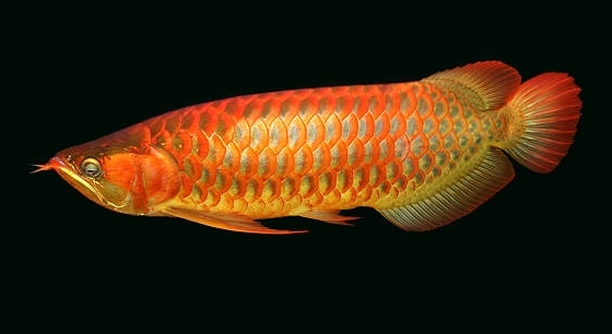
Arowanas are fascinating fish that many aquarists admire for their beauty and elegance. Their striking scales and graceful movements make them a standout in any tank. Caring for them requires understanding their unique dietary needs and habits.
Arowanas can typically survive without food for one to two weeks under normal conditions. Factors such as water temperature, age, and overall health influence this period. Prolonged fasting beyond this range may lead to stress, weakened immunity, and potential health complications.
Knowing how long these fish can safely go without eating is important for proper care. This information helps maintain their health and ensures a thriving aquarium environment.
Factors Affecting Arowana Fasting
Arowanas’ ability to go without eating depends on several key factors. Age plays a major role: younger fish require more frequent feeding, while adult arowanas can endure longer periods without food. Water temperature also affects metabolism. In warmer water, their metabolism is faster, so they use energy more quickly, reducing the time they can safely fast. Stress levels impact their tolerance as well. Changes in environment, sudden tank movements, or aggressive tank mates can make them eat less or refuse food. Health is another important factor. An arowana that is already weak or recovering from illness will struggle more during fasting periods. Proper tank conditions, including clean water and sufficient space, support their overall well-being, helping them cope better when food is temporarily unavailable. Monitoring these factors allows you to ensure that an arowana remains healthy even during short fasting periods. Feeding routines should always adapt to these variables to prevent unnecessary stress or health risks.
Understanding these factors helps prevent mistakes that could harm your arowana. Proper observation ensures longer, healthier life spans.
Careful attention to water quality, temperature, and tank environment is essential. Even minor changes can affect how long your arowana can go without eating, making monitoring daily routines important for their stability and health.
Signs Your Arowana Needs Food
Loss of appetite is the most noticeable sign that your arowana needs feeding. It may swim slowly, hover near the bottom, or ignore food it normally enjoys.
Arowanas showing persistent disinterest in food may be experiencing stress, illness, or poor water conditions. Behavioral changes such as lethargy, rapid gill movement, or unusual swimming patterns indicate a need to check the tank environment. Nutritional deficiencies over time can also reduce appetite. Observing your fish carefully allows early detection of these issues, helping prevent long-term health problems. Providing a balanced diet and maintaining stable tank conditions will encourage regular feeding behavior. Adjusting the feeding schedule or offering varied food types can help stimulate appetite. It is important to respond promptly to signs of hunger or stress to maintain the fish’s well-being. Monitoring these signs ensures that an arowana stays healthy and energetic, minimizing risks associated with extended fasting periods. Regular attention and proactive care can greatly improve your fish’s resilience and overall quality of life.
Preparing for Temporary Fasting
Arowanas can tolerate short fasting periods if tank conditions are optimal. Ensure water is clean, temperature is stable, and filtration is functioning properly. Stress-free environments help maintain energy levels while they go without food.
Monitoring water quality and temperature daily is essential when fasting. Arowanas are sensitive to fluctuations, and poor conditions can cause health problems during periods without food. Maintaining clean tanks, stable temperatures, and minimal disturbances supports their resilience. Additionally, adult arowanas can handle slightly longer fasting than juveniles, but age and health should always guide your decisions. Keeping a consistent schedule and observing behavior will help ensure fasting does not negatively impact their overall well-being or growth.
Adjusting feeding schedules gradually is important. Abrupt changes can shock your arowana’s system. Slowly reducing portions before fasting can help them adapt. Offering easily digestible, high-quality food before fasting supports energy reserves. Even when food is withheld temporarily, providing a stress-free environment and proper care ensures your arowana remains healthy, active, and ready to eat once feeding resumes. Monitoring behavior and maintaining optimal tank conditions are key steps to prevent issues during this period.
Resuming Feeding After Fasting
Start with small portions when reintroducing food to your arowana. Avoid overfeeding immediately, as their digestive system may need adjustment after fasting.
Gradually increasing food quantity ensures smooth digestion. Begin with lighter, easy-to-digest items, such as small pellets or live food appropriate for their size. Observe how your arowana responds to each feeding. If it eats eagerly and shows normal activity, slowly return to its regular feeding schedule. Monitoring behavior and energy levels during this period is crucial. Overfeeding too quickly can cause bloating, constipation, or other digestive problems. Keeping portions controlled and consistent helps your arowana regain normal eating patterns without health risks, while supporting recovery after the fasting period.
Common Mistakes During Fasting
Overestimating your arowana’s fasting tolerance can lead to health problems. Avoid leaving them without food for extended periods beyond what their age and health allow.
Sudden changes in feeding schedules or tank conditions can also stress the fish. Consistency in care is essential to prevent unnecessary health issues and maintain their well-being.
Feeding Frequency and Portions
Adult arowanas generally require feeding two to three times per week, while juveniles need daily meals. Overfeeding can cause obesity, water quality issues, and digestive problems. Carefully measure portions based on your fish’s size and appetite. Providing a variety of high-quality food ensures balanced nutrition and supports healthy growth and energy levels. Adjusting portions gradually allows the arowana to maintain proper weight while preventing stress on their digestive system. Observing their behavior after each meal helps determine if adjustments are necessary, ensuring long-term health and a strong immune system.
Signs of Overfeeding
Overfeeding can result in bloating, lethargy, and poor water conditions. Watch for leftover food in the tank.
FAQ
How long can an arowana go without food?
Adult arowanas can usually survive one to two weeks without food if tank conditions are stable and water quality is maintained. Juveniles, however, have higher energy needs and should not be left without food for more than a few days. Health, water temperature, and stress levels influence this period.
Is it harmful for an arowana to skip a meal?
Skipping a single meal is generally not harmful for healthy adult arowanas. Occasional missed feedings allow the digestive system to rest. However, repeated or extended fasting without monitoring can lead to stress, weakened immunity, or slow growth, especially in young or recovering fish.
What signs indicate an arowana is starving?
Signs include lethargy, swimming near the bottom, disinterest in food, and unusual gill movement. Long-term hunger may also cause weight loss, a sunken belly, or dull coloration. Observing these symptoms early allows intervention before health deteriorates.
Can water temperature affect how long they can go without eating?
Yes, metabolism is directly influenced by water temperature. Warmer water increases energy consumption, reducing fasting tolerance. Cooler, stable water slows metabolism, allowing arowanas to endure slightly longer periods without food while remaining healthy.
How should I reintroduce food after fasting?
Start with small, easily digestible portions. Gradually increase the quantity over several days, monitoring digestion and energy levels. Avoid overfeeding immediately, as it can lead to bloating, constipation, or water quality issues. Returning to a regular schedule slowly ensures a smooth transition.
Are there types of food better for fasting periods?
High-protein, easily digestible foods like pellets or small live foods support energy reserves before fasting. Avoid fatty or overly dense items just before fasting, as they may stress the digestive system. Balanced diets overall help the arowana recover quickly after food resumes.
What tank conditions help arowanas during fasting?
Clean water, stable temperature, proper filtration, and minimal stressors are essential. Consistent light cycles and low disturbances allow the fish to conserve energy, reducing negative effects of fasting and maintaining health until feeding resumes.
How often should I monitor my arowana during fasting?
Daily observation is recommended. Watch for changes in behavior, appetite, or swimming patterns. Monitoring water parameters, including temperature, ammonia, nitrite, and pH levels, ensures a safe environment while the fish goes without food.
Can juveniles handle fasting like adults?
No, juveniles require more frequent feedings due to higher growth and energy needs. Extended fasting can stunt growth and compromise immunity. Only adults in stable conditions can safely endure one to two weeks without food.
Is fasting ever recommended for arowanas?
Occasional fasting can give the digestive system a break and prevent overeating. Planned fasting should be short and monitored, ensuring tank conditions are optimal and the fish shows no signs of stress or malnutrition.
What are long-term risks of improper fasting?
Extended fasting, inconsistent feeding, or poor tank conditions can lead to weakened immunity, slow growth, stress-related behavior, and increased susceptibility to disease. Regular feeding, careful observation, and proper care reduce these risks and support arowanas’ overall well-being.
How can I tell if my arowana’s fasting tolerance is normal?
Observe energy levels, appetite, and body condition. Healthy arowanas maintain normal activity, even if they skip meals briefly. Any signs of lethargy, weight loss, or abnormal swimming indicate the fasting period may be too long or the fish is stressed.
Can fasting affect arowana’s color or scale condition?
Yes, prolonged fasting can cause dull coloration and reduce scale sheen due to stress and nutrient deficiency. Maintaining short, monitored fasting periods prevents visible changes and ensures your arowana keeps its natural vibrancy.
Is it safe to combine fasting with water changes or tank maintenance?
Yes, but avoid performing multiple stress-inducing activities simultaneously. Fasting periods are better tolerated if the tank is stable, water parameters are ideal, and disturbances are minimized. Gradual maintenance helps prevent additional stress while the fish has no food.
How do I balance fasting with feeding schedules?
Plan fasting periods based on age, size, and health. Juveniles need daily feedings, while adults can go one to two weeks without food. Gradually adjust feeding before and after fasting, using small, digestible portions to maintain energy and health.
Can stress make an arowana refuse food longer than usual?
Yes, stress from tank mates, noise, or sudden changes can extend fasting periods beyond normal tolerance. Reducing stressors, maintaining clean water, and providing a stable environment help restore normal appetite.
Are there health checks to perform before fasting?
Ensure your arowana is free of visible injuries, parasites, or illness. Healthy fish tolerate fasting better. Check water quality and tank stability to prevent stress-related complications during periods without food.
Does the size of the arowana affect fasting duration?
Larger, adult arowanas generally have more energy reserves and can endure fasting longer than smaller, juvenile fish. Age, size, and health collectively determine safe fasting duration, so careful observation is essential.
Can fasting help with digestive problems?
Short, controlled fasting can give the digestive system a break and help recover from mild issues. Extended fasting should be avoided unless guided by observed health needs, as it may lead to nutrient deficiencies.
What should I do if an arowana refuses food after fasting?
Introduce small portions gradually and offer variety to stimulate appetite. Check water quality and stress factors. If refusal persists beyond a few days, consult an expert to rule out illness or environmental issues affecting feeding behavior.
This FAQ provides detailed guidance to ensure your arowana’s health is maintained during fasting, supporting proper care, feeding routines, and observation strategies.
Final Thoughts
Caring for an arowana requires understanding its unique needs, particularly when it comes to feeding. These fish are strong and resilient, but their health depends on consistent care, proper tank conditions, and an appropriate diet. Observing their behavior and adjusting feeding routines based on age, size, and overall health is essential. While adult arowanas can tolerate short fasting periods, juveniles require more frequent meals to support growth and maintain energy. Skipping food occasionally for adults is usually safe, but prolonged fasting can cause stress, weaken the immune system, and affect their natural vibrancy. Maintaining clean water, stable temperature, and minimal disturbances ensures that arowanas remain healthy and active even when food is temporarily unavailable. Proper preparation before fasting, such as gradually adjusting portions or providing easily digestible food, can help them adapt without issues. Monitoring the fish closely during fasting periods is crucial to detect early signs of stress or digestive problems, which allows for timely intervention and prevents long-term complications.
Feeding after fasting should also be approached carefully. Sudden overfeeding can harm an arowana’s digestive system, leading to bloating, constipation, or water quality problems. Gradually increasing portions and offering high-quality, balanced food supports recovery and ensures the fish returns to its normal eating habits without health risks. Observing appetite, swimming behavior, and energy levels after reintroducing food allows adjustments to feeding routines to meet their current needs. Consistency in feeding schedules and careful monitoring of behavior help maintain the fish’s overall health and resilience. Additionally, understanding the influence of environmental factors, such as water temperature and tank stability, enables aquarists to manage fasting periods safely. Adult arowanas have more flexibility, but proper care and attention are always necessary to prevent unnecessary stress. Even minor changes in water quality, lighting, or tank setup can affect feeding behavior, so attention to these details is important.
Long-term care of arowanas requires balance and attentiveness. Maintaining a stable environment, providing adequate nutrition, and monitoring health are ongoing responsibilities. Proper fasting management, observation, and feeding adjustments all contribute to a strong, healthy fish capable of thriving in captivity. Being aware of common mistakes, such as overestimating fasting tolerance or overfeeding after fasting, allows for better decision-making and reduces risks. By respecting their natural needs and carefully planning feeding routines, aquarists can support growth, energy, and coloration. Healthy arowanas are active, vibrant, and responsive, reflecting the quality of care they receive. Patience and attention to detail are key, and consistent monitoring ensures these fish remain strong and resilient over time. Understanding these principles creates a foundation for long-term health, making it possible to enjoy the beauty and elegance of arowanas without compromising their well-being.

Hello,
If you enjoy the content that we create, please consider saying a "Thank You!" by leaving a tip.
Every little bit helps us continue crafting quality advice that supports the health, happiness, and well-being of pets around the world, for pets of all shapes, sizes, and species.
We really appreciate the kindness and support that you show us!