
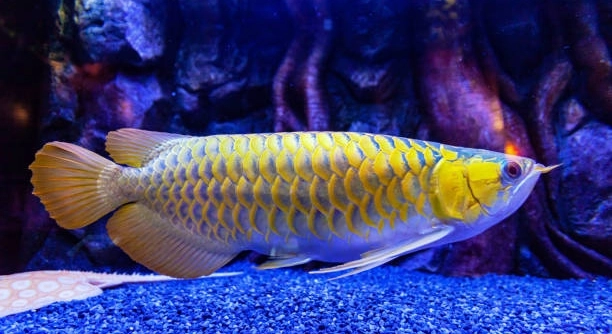
Arowanas are admired for their graceful movements and striking appearance in aquariums. These majestic fish are usually calm, but owners sometimes notice sudden changes in their behavior, leading to unexpected territorial displays.
Arowanas become more territorial suddenly due to changes in their environment, stress, overcrowding, or the introduction of new tank mates. Fluctuations in water quality, diet, or breeding instincts can also trigger heightened aggression and defensive behavior.
Recognizing the causes of this behavior helps maintain a peaceful tank and ensures the long-term well-being of your arowana. Careful observation and management can prevent escalation.
Environmental Changes and Their Impact
Arowanas are sensitive to sudden changes in their surroundings. Shifts in water temperature, pH levels, or filtration can make them feel insecure and trigger territorial behavior. Even minor rearrangements of decorations or tank layout can lead to stress, prompting the fish to defend its perceived space more aggressively. These fish rely on consistency to feel safe, and disruptions can cause noticeable shifts in behavior. Maintaining a stable environment is crucial for keeping an arowana calm. Regularly checking water quality and keeping the tank layout predictable helps prevent sudden outbursts. Proper lighting, temperature, and flow adjustments also contribute to a sense of stability. Owners who notice aggression should first examine environmental factors, as these are often the first signs that the arowana is uncomfortable. Addressing these changes promptly can reduce stress and restore natural, calm behavior patterns in the fish, making the tank a more harmonious place overall.
Small environmental adjustments can make a significant difference in how your arowana behaves daily.
Consistent monitoring of water parameters and tank setup is essential. Observing behavior after changes allows you to identify stress triggers. Gradual adjustments in temperature or decoration placement help the fish adapt without feeling threatened. Overcrowding should be avoided, as limited space can amplify territorial tendencies. Maintaining a routine feeding schedule and ensuring the tank is free from sudden disturbances also minimizes stress. By creating a stable and predictable environment, the arowana is less likely to display aggression.
Social Dynamics and Tank Mates
Introducing new tank mates can unsettle an arowana and trigger territorial behavior.
Arowanas are naturally dominant, and adding unfamiliar fish can make them defensive. Careful selection of compatible species and observing interactions closely can reduce conflict. Providing ample space and hiding spots helps each fish feel secure.
Monitoring social dynamics is essential for a balanced tank environment. Arowanas may assert dominance to establish hierarchy, especially when new fish are introduced. Conflicts often arise when tank size is insufficient for multiple species, or when aggressive species are housed together. Stress from constant competition can lead to injuries or long-term health issues. Feeding routines can also influence behavior, as competition for food may heighten territorial tendencies. Understanding how your arowana interacts with tank mates allows for better management and prevention of fights. In some cases, temporary separation or rearranging the tank can restore peace. Creating zones within the aquarium, using plants or decorations, helps fish feel secure while coexisting. Observing and adjusting based on behavior ensures a calmer and healthier environment for all fish involved.
Diet and Feeding Habits
Overfeeding or sudden diet changes can make arowanas more territorial. They may become aggressive during feeding times if they feel food is scarce or if new food is introduced too quickly.
Maintaining a consistent feeding schedule is important. Arowanas respond well to routine, and abrupt changes in diet can trigger stress or competition for food. Providing the right amount of food and spacing feeding times helps reduce aggression. Using floating or sinking pellets suited to their natural hunting behavior can also prevent frustration. Avoid sudden changes in protein sources or portion sizes, as these may cause the fish to guard their food more aggressively. Observing how the fish reacts during feeding allows adjustments to minimize territorial displays. Balanced nutrition supports both health and calm behavior, reducing sudden outbursts.
Separating feeding areas or offering multiple points in the tank can also help. This prevents one fish from dominating and keeps the environment more peaceful for everyone.
Breeding Instincts and Seasonal Behavior
Arowanas may display increased aggression during breeding periods. Territorial behavior often spikes when they are preparing to spawn or protect eggs.
Breeding instincts heighten natural territoriality. Male arowanas can become extremely defensive to safeguard a potential spawning site. Environmental cues such as temperature changes or longer daylight hours may signal breeding readiness. During this period, aggression toward other fish and even owners’ interactions can increase. Monitoring the fish closely helps identify signs of readiness, such as guarding a specific area or showing unusual activity. Providing sufficient space and hiding spots reduces stress for all tank inhabitants. Avoid disturbing the tank unnecessarily during breeding times, as interruptions can exacerbate aggression. Understanding these seasonal behavioral shifts allows for better management and prevents injuries from sudden territorial displays.
Supporting breeding behavior with optimal conditions, including clean water, proper nutrition, and ample space, ensures the fish remain healthy and aggressive tendencies are controlled.
Tank Size and Space
Limited space can increase territorial behavior in arowanas. Crowded tanks make them feel threatened, prompting aggression toward other fish and sometimes toward owners.
Providing enough room is essential. Arowanas need ample swimming space and separate zones to establish their territory without constant conflict.
Stress and Health Issues
Stress or illness can trigger sudden aggression in arowanas. Poor water quality, infections, or parasites make them defensive and more territorial.
Regular health checks and maintaining clean water reduce stress. Monitoring behavior for signs of illness helps address issues before aggression escalates, keeping the tank environment calm and safe.
Recognizing Early Signs
Changes in swimming patterns, frequent chasing, or guarding a section of the tank often indicate rising territorial behavior.
Identifying these early signs allows intervention before conflicts worsen, ensuring the arowana remains healthy and interactions with tank mates stay manageable.
FAQ
Why has my arowana suddenly become aggressive?
Sudden aggression in arowanas is often linked to environmental changes, stress, or the introduction of new tank mates. Overcrowding or limited swimming space can also increase territorial behavior. Health issues like parasites or poor water conditions may make the fish defensive, even if it previously appeared calm.
How can I reduce territorial behavior in my arowana?
Providing a stable environment, adequate space, and compatible tank mates helps reduce aggression. Maintaining clean water, a consistent feeding schedule, and appropriate hiding spots or decorations allows the arowana to feel secure. Gradual adjustments in diet or tank layout prevent sudden stress triggers.
Can diet influence my arowana’s behavior?
Yes, diet plays a major role. Overfeeding, inconsistent feeding times, or sudden changes in protein sources can cause competition and territorial displays. Feeding the proper portion sizes and using floating or sinking pellets that mimic natural hunting habits helps calm the fish.
Is aggression related to breeding cycles?
During breeding periods, arowanas can become extremely territorial. Males especially guard spawning areas, which increases defensive behavior. Seasonal changes, like temperature fluctuations or longer daylight hours, can trigger these instincts. Ensuring ample space and minimal disturbances reduces stress for all tank inhabitants.
What tank size is best to prevent territorial disputes?
Arowanas need a large aquarium with enough swimming space and defined zones to prevent constant conflict. A minimum of 250 gallons is recommended for fully grown arowanas, and providing vertical and horizontal space helps them establish territory without feeling threatened.
Can health problems make my arowana aggressive?
Yes, illness or parasites can make a normally calm arowana defensive. Poor water quality, bacterial infections, or stress weaken the fish, causing it to guard its space aggressively. Regular water testing, observation, and prompt treatment of illnesses keep aggression in check.
How do I safely introduce new tank mates?
Introduce new fish gradually and choose species that can coexist with arowanas. Observing interactions closely is key. Adding decorations or hiding spots can give all fish safe zones. Temporary separation may be necessary if aggression persists.
Are there signs that indicate rising territorial behavior?
Yes, common signs include guarding a particular area, chasing other fish, or sudden changes in swimming patterns. Increased lunging or head-bobbing at tank mates can indicate heightened aggression. Early recognition allows intervention before serious injuries occur.
Can adjusting the environment reduce aggression?
Environmental adjustments help a lot. Stable water temperature, proper filtration, and predictable tank layout reduce stress. Avoid frequent changes in decorations or lighting, as these can trigger defensive behavior. Creating separate zones and sufficient swimming space promotes calm interactions.
How often should I monitor my arowana’s behavior?
Daily observation is ideal. Watching feeding behavior, swimming patterns, and interaction with tank mates allows early detection of stress or territorial aggression. Prompt adjustments help prevent escalation and keep the tank environment balanced and safe for all inhabitants.
Does tank decoration affect territorial behavior?
Yes, strategically placed decorations or plants create zones that give arowanas a sense of security. Hiding spots help reduce stress and aggression, allowing them to feel ownership over parts of the tank without constant conflict with other fish.
What should I do if aggression persists?
Persistent aggression may require separating fish or rearranging the tank to reduce conflicts. Ensuring proper tank size, compatible mates, and minimal disturbances supports a calmer environment. Regular health checks and monitoring feeding routines further help manage aggression effectively.
Can water quality impact aggression?
Poor water quality is a major stressor that can lead to territorial displays. Regular testing, consistent water changes, and maintaining proper filtration are essential. Stable water parameters keep the arowana comfortable and less likely to act defensively.
How long does it take for an arowana to calm down after changes?
Adjustment periods vary depending on the severity of the change. Minor environmental tweaks may take a few days, while major changes like introducing new tank mates or significant layout changes may take weeks. Observing behavior consistently helps gauge when the fish has adapted.
Are some arowanas naturally more aggressive than others?
Individual temperament varies. While most arowanas are calm under proper care, some may show higher territorial tendencies due to genetics, past experiences, or environmental stressors. Understanding your fish’s personality and adapting care routines helps manage these behaviors effectively.
What role does feeding routine play in aggression?
A consistent feeding schedule reduces competition and stress. Abrupt changes in feeding times or food types can trigger defensive behavior. Offering multiple feeding points and proper portion sizes ensures all fish are satisfied and minimizes territorial disputes.
Can stress from handling increase aggression?
Yes, frequent or rough handling can make arowanas defensive. Stress from tank maintenance or physical disturbances can trigger territorial behavior. Gentle, minimal handling and maintaining predictable routines reduce unnecessary aggression.
How do I prevent aggression in a community tank?
Choose compatible species, provide ample space, and maintain stable water conditions. Use decorations to create separate zones and observe interactions closely. Gradual introductions and careful feeding management further help reduce aggression in shared tanks.
Does lighting affect arowana behavior?
Sudden changes in lighting or excessive brightness can stress arowanas, triggering territorial displays. Gradual light adjustments and consistent day-night cycles create a calm environment, helping the fish feel secure and less defensive.
What is the best way to deal with aggressive behavior long-term?
Maintaining a stable environment, proper tank size, consistent diet, compatible mates, and regular monitoring helps manage aggression effectively. Understanding the fish’s natural instincts and providing security reduces stress, keeping your arowana calm and healthy over time.
Final Thoughts
Arowanas are beautiful and fascinating fish, admired for their elegance and presence in aquariums. However, their sudden territorial behavior can surprise even experienced owners. Understanding the reasons behind these changes is essential for creating a stable and healthy environment. Many factors can influence aggression, including environmental changes, diet, health, tank size, and social interactions. Each of these elements affects the arowana’s sense of security and comfort, and even small changes can trigger defensive behavior. Observing your fish regularly allows you to notice shifts in behavior before they become serious problems. Recognizing early signs, such as guarding specific areas or chasing other tank mates, helps prevent injuries and reduces stress for all fish in the tank.
Maintaining a calm and consistent environment is one of the most important steps in managing territorial behavior. Arowanas thrive when they feel safe and have predictable surroundings. Stable water parameters, consistent feeding schedules, and careful tank arrangements contribute to this sense of security. Providing ample space and hiding spots also allows the fish to establish territories without constant conflict. When introducing new tank mates, it is crucial to proceed gradually and observe interactions closely. Some aggression is natural, especially during breeding periods or seasonal changes, but careful management ensures that it does not escalate into harm. Health issues, including parasites or poor water quality, can also increase aggression. Regular monitoring and timely intervention help maintain both the physical and mental well-being of the fish, keeping them calm and less defensive.
Addressing dietary needs and understanding individual temperament are equally important in keeping an arowana balanced. Sudden changes in food type, portion size, or feeding routine can increase competition and territorial displays. Consistent feeding habits, multiple feeding points, and high-quality nutrition reduce stress and help the fish feel secure. Each arowana has its own personality, and some may naturally display stronger territorial tendencies than others. Patience and careful observation allow owners to identify triggers and adjust the environment accordingly. By combining attention to environmental stability, social dynamics, diet, and health, aggression can be managed effectively. With proper care, arowanas can coexist peacefully with other fish, allowing their natural beauty and behavior to be enjoyed without frequent conflict or stress in the tank. This thoughtful approach ensures a healthier, calmer, and more harmonious aquatic environment for everyone involved.

Hello,
If you enjoy the content that we create, please consider saying a "Thank You!" by leaving a tip.
Every little bit helps us continue crafting quality advice that supports the health, happiness, and well-being of pets around the world, for pets of all shapes, sizes, and species.
We really appreciate the kindness and support that you show us!