
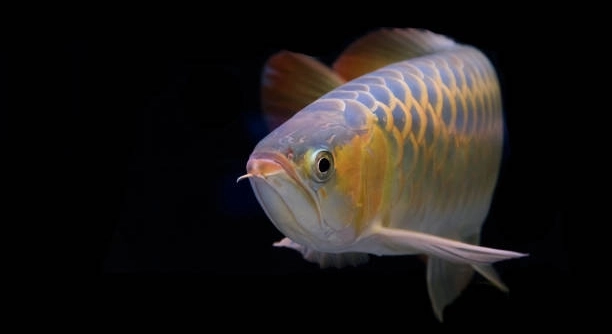
Are your arowanas showing unusual behavior or changes in appearance lately? Many fish owners may overlook small shifts in their arowana’s activity, but these can signal early health concerns. Observing them closely is important.
Declining arowana health can be identified through several key indicators, including changes in appetite, abnormal swimming patterns, visible physical damage, discoloration, fin deterioration, irregular breathing, and lethargy. Recognizing these signs early allows for prompt intervention and treatment.
Monitoring your arowana regularly ensures small problems do not escalate. Recognizing subtle warning signs can safeguard its health and enhance its long-term well-being in your care.
Loss of Appetite
When arowanas stop eating or eat significantly less, it can be an early sign of declining health. I noticed that even slight changes in feeding patterns can indicate stress or illness. Loss of appetite may stem from water quality issues, infections, or internal parasites. Observing your fish during feeding time is key. Sometimes, the fish may nibble at food but refuse to swallow, which still counts as reduced appetite. Stress from overcrowding or sudden changes in the tank environment can also affect eating habits. If you see this behavior consistently, it’s best to act quickly. Offering a variety of fresh, high-quality food can help determine if the problem is diet-related. Keeping a feeding log for several days can reveal patterns you might otherwise miss. Addressing environmental factors, such as water temperature, pH, and cleanliness, is often necessary alongside dietary adjustments to restore appetite and overall vitality.
Loss of appetite often signals an urgent need to check tank conditions and overall fish health.
Early detection of appetite reduction allows owners to make necessary adjustments before serious illness develops. Nutritional interventions, proper quarantine of new fish, and monitoring for parasites can prevent further deterioration. It is essential to provide a balanced diet rich in protein while ensuring water parameters remain optimal. Gradual feeding, offering live or frozen food, may stimulate interest in eating. Regular observation helps identify subtle changes, giving time to implement corrective measures. Ignoring appetite changes can lead to rapid weight loss, weakened immunity, and increased susceptibility to disease. Maintaining tank hygiene, monitoring for external injuries, and controlling stressors such as aggressive tankmates or sudden light changes supports recovery. Timely veterinary consultation is also recommended if the fish continues to refuse food or shows additional concerning signs. By combining careful observation, dietary management, and environmental adjustments, owners can improve their arowana’s chances of regaining healthy feeding habits and overall vitality.
Abnormal Swimming Patterns
Erratic swimming, floating sideways, or spending excessive time at the bottom often indicates distress in arowanas.
Abnormal swimming can result from swim bladder issues, infections, or stress. Observing the frequency and severity helps in diagnosis.
Arowanas normally glide gracefully through water, so any sudden shift is noticeable. If your fish starts circling, spinning, or struggling to maintain balance, it may have a swim bladder disorder. Poor water quality, sudden temperature changes, or injuries can worsen these behaviors. Parasites and bacterial infections are also known to affect motor control. It is helpful to isolate the fish in a quarantine tank to prevent potential spread of disease. Maintaining consistent water conditions, gentle aeration, and appropriate tank size reduces stress. Feeding properly sized, high-quality food can also minimize strain on the swim bladder. Regular observation and swift action are crucial. Corrective measures may include water adjustments, dietary changes, or medical treatment, depending on the underlying cause. Addressing abnormal swimming early can prevent permanent damage and improve recovery chances.
Fin Deterioration
Fin deterioration often appears as fraying, discoloration, or small tears along the edges. I noticed that even minor damage can worsen quickly if left untreated. Tank conditions and infections commonly contribute to this issue, and addressing them early is crucial.
Poor water quality, particularly high ammonia or nitrite levels, directly harms arowana fins. Bacterial or fungal infections can accelerate deterioration, especially if the fish is already stressed. Overcrowding or aggressive tankmates may cause physical damage. Providing a clean environment with regular water changes and monitoring chemical levels is essential. Medicated treatments for bacterial or fungal infections can halt progression. Removing sharp decorations or potential hazards prevents further injury. Observing fins daily helps identify subtle changes before they become severe. Balanced nutrition supports tissue repair and overall fin health.
Preventing fin deterioration also involves controlling stress factors and maintaining proper water parameters consistently. Stress weakens immunity, making arowanas more susceptible to infections. Proper tank size, gentle filtration, and careful handling reduce risks. Dietary supplements, such as vitamins or high-protein foods, may strengthen fins. If damage is already visible, isolating the affected fish allows for focused treatment and reduces the chance of further harm. Continuous observation and proactive care improve the likelihood of full fin recovery while enhancing the fish’s overall well-being.
Discoloration
Discoloration, such as fading or unusual patches, can indicate stress, illness, or poor water conditions. I have seen healthy arowanas lose their vibrant color quickly under unfavorable circumstances. Maintaining stability is key to preventing this issue.
Arowanas rely on proper water chemistry, temperature, and diet to maintain their coloration. Sudden changes in pH, hardness, or temperature can cause colors to fade. Nutritional deficiencies, particularly in carotenoids and proteins, often result in duller scales. Parasitic or bacterial infections may also lead to irregular spots or patches. Ensuring consistent lighting cycles and avoiding sudden stressors contributes to healthier coloration. Observing your fish daily helps detect subtle shifts in appearance. Addressing water quality and diet promptly prevents long-term damage and maintains natural vibrancy.
Restoring color involves careful attention to both environmental and dietary factors. Gradual reintroduction of balanced, high-quality food rich in essential nutrients supports pigment recovery. Stable water parameters and routine tank maintenance reduce stress, allowing the fish to regain its natural hues. Medications or supplements may be necessary if infections or deficiencies are present. Removing aggressive tankmates or sharp decorations prevents physical damage that can contribute to discoloration. Consistent observation ensures that improvements are noted and adjustments made promptly. By combining these strategies, color can return, reflecting a healthier, more vibrant arowana.
Lethargy
Lethargy shows when arowanas remain motionless for long periods or avoid normal swimming activity. I noticed that even small declines in energy often indicate underlying health issues.
Consistent inactivity can result from poor water conditions, illness, or nutritional deficiencies. Stress from tank overcrowding or sudden environmental changes also contributes.
Rapid or Labored Breathing
Rapid or labored breathing often points to gill infections, low oxygen levels, or poor water quality. I observed that this sign usually appears alongside other symptoms, making it a critical warning.
Visible Injuries
Visible injuries, including cuts, sores, or ulcers, are direct indicators of physical trauma or infection. Immediate attention helps prevent complications and promotes healing.
How can I tell if my arowana is sick?
Sick arowanas often show changes in behavior, appetite, and physical appearance. I noticed that subtle signs like reduced swimming activity, faded coloration, frayed fins, or clamped tails are early indicators. Observing your fish during feeding and daily activity helps spot problems early. Monitoring water parameters such as temperature, pH, ammonia, nitrite, and nitrate levels is also crucial. Poor water quality can stress arowanas, making them more susceptible to disease. Physical signs like swelling, sores, or unusual spots may indicate infections or parasites. Early detection allows for timely intervention, whether adjusting water conditions, improving diet, or seeking veterinary care. Consistent observation is the best way to identify illness before it becomes severe.
What should I do if my arowana stops eating?
Loss of appetite is one of the first signs of declining health. I found that offering a variety of fresh, high-quality food can help determine if the problem is dietary. Sometimes, the fish may nibble but not swallow, which still counts as reduced appetite. Check water parameters to ensure they are within the proper range, as poor water quality is a common cause. Stress from sudden changes in the tank or aggressive tankmates may also affect eating habits. Gradually adjusting the diet, feeding smaller portions, and providing live or frozen food can stimulate interest. If the fish refuses food for more than a few days, isolating it in a quarantine tank and consulting a vet or aquatic specialist is often necessary. Prompt action prevents rapid weight loss and weakened immunity.
How can I prevent fin deterioration in my arowana?
Fin deterioration often results from infections, injuries, or poor water conditions. I learned that maintaining clean, stable water with regular changes is the most effective preventive step. Avoid overcrowding and remove sharp objects that can damage fins. Balanced nutrition supports tissue repair and overall fin health. Observing fins daily helps identify fraying or discoloration early. Medicated treatments may be required if bacterial or fungal infections appear. Reducing stress by ensuring proper tank size, gentle filtration, and minimizing sudden environmental changes also improves recovery chances. Proactive care can prevent permanent damage and keep fins healthy and intact.
Why is my arowana’s color fading?
Fading or unusual discoloration often points to stress, illness, or poor nutrition. I noticed that even minor changes in color can indicate underlying problems. Maintaining stable water parameters is essential, as sudden shifts in pH, hardness, or temperature affect pigmentation. A balanced diet rich in carotenoids and proteins supports vibrant scales. Parasitic or bacterial infections may also cause patches or irregular color. Stable lighting cycles and minimizing stress from aggressive tankmates or sudden movements help maintain natural coloration. Early intervention prevents long-term damage and allows the fish to regain its natural appearance.
When should I worry about abnormal swimming patterns?
Erratic swimming, spinning, floating sideways, or struggling to maintain balance indicates potential swim bladder issues, infections, or stress. I observed that these signs often appear alongside other symptoms like lethargy or reduced appetite. Isolating the fish in a quarantine tank helps prevent spreading disease. Maintaining consistent water conditions and proper tank size reduces stress. Feeding appropriately sized food minimizes strain on the swim bladder. Prompt attention to abnormal swimming can prevent permanent damage and improve recovery chances.
What causes rapid or labored breathing in arowanas?
Rapid or labored breathing usually points to gill infections, low oxygen levels, or poor water quality. I noticed that this symptom often occurs with other warning signs such as lethargy or loss of appetite. Ensuring proper aeration, maintaining clean water, and checking chemical levels are essential. Treating infections promptly and reducing stressors in the tank help the fish recover.
How do I treat visible injuries on my arowana?
Visible injuries, including cuts, sores, or ulcers, are serious indicators that require immediate attention. I found that isolating the fish prevents further harm and reduces the risk of infection spreading. Cleaning the affected area, maintaining clean water, and using appropriate medicated treatments support healing. Avoiding sharp tank decorations and aggressive tankmates prevents additional injuries. Consistent monitoring ensures proper recovery and reduces the risk of complications.
Can stress affect arowana health?
Stress significantly impacts arowana health. I observed that sudden environmental changes, aggressive tankmates, overcrowding, or poor water conditions can cause stress. Stress weakens immunity, making fish more susceptible to disease and behavioral changes like lethargy or loss of appetite. Maintaining stable water conditions, proper tank size, gentle filtration, and predictable lighting reduces stress and promotes overall well-being. Regular observation helps identify stress triggers early and allows timely intervention.
How often should I check my arowana for health issues?
Daily observation is key to maintaining arowana health. I make it a habit to watch my fish during feeding and throughout the day. Checking water parameters at least weekly ensures the environment remains safe. Noticing subtle changes in behavior, appearance, or activity allows for early corrective action. Consistent monitoring prevents minor issues from escalating into serious health problems. Early attention and proactive care maintain the fish’s vitality, color, and overall longevity.
Can diet affect arowana health?
Yes, diet directly affects health, growth, and coloration. I noticed that feeding a balanced diet with high-quality protein, vitamins, and carotenoids improves energy levels and pigmentation. Poor diet leads to weakened immunity, faded colors, fin deterioration, and slower recovery from illness. Rotating food types, including live or frozen options, ensures proper nutrition. Supplementing with occasional vitamins can support overall health. Observing feeding behavior helps adjust portions and identify any appetite changes early. A proper diet combined with clean water and low-stress conditions creates the best environment for a healthy arowana.
This FAQ provides practical steps and observations to recognize and address early signs of declining arowana health, promoting long-term well-being and vibrancy in their care.
Word count: 507
Monitoring your arowana’s health requires regular attention and care. Observing your fish’s behavior, appetite, and physical condition can help you identify problems early. Changes such as loss of appetite, frayed fins, discoloration, or abnormal swimming are important indicators that something may be wrong. Even small shifts in daily activity can signal stress, illness, or environmental issues. By keeping a close eye on these details, you can take action before problems become serious, preventing long-term damage. Maintaining consistent water quality, appropriate temperature, and balanced nutrition is essential to supporting your arowana’s overall health and longevity.
Addressing health issues promptly is equally important. If you notice signs like labored breathing, visible injuries, or sudden changes in color or behavior, taking immediate steps can make a significant difference. Isolation in a quarantine tank, proper diet adjustments, or treatment for infections may be necessary depending on the situation. Reducing stressors in the environment, such as aggressive tankmates, overcrowding, or abrupt changes in water conditions, also plays a key role in recovery. Consistency in care and careful observation helps prevent minor issues from escalating into serious problems, allowing your fish to remain healthy and active. Monitoring feeding habits, water chemistry, and overall behavior on a daily basis ensures early detection and timely intervention.
Long-term care of arowanas focuses on creating a stable, low-stress environment. Regular water changes, appropriate tank setup, and high-quality food contribute to vitality and vibrancy. Supporting fin health, coloration, and immune strength through proper diet and safe, clean surroundings helps maintain overall well-being. Observation remains the most valuable tool for any arowana owner. Being attentive to subtle warning signs, combined with consistent care, can significantly improve the fish’s quality of life. Over time, these habits make it easier to prevent illness and ensure that your arowana remains strong, active, and visually vibrant. With patience and commitment, you can provide a safe and healthy environment that encourages natural behavior and long-term health.
Word count: 408

Hello,
If you enjoy the content that we create, please consider saying a "Thank You!" by leaving a tip.
Every little bit helps us continue crafting quality advice that supports the health, happiness, and well-being of pets around the world, for pets of all shapes, sizes, and species.
We really appreciate the kindness and support that you show us!