
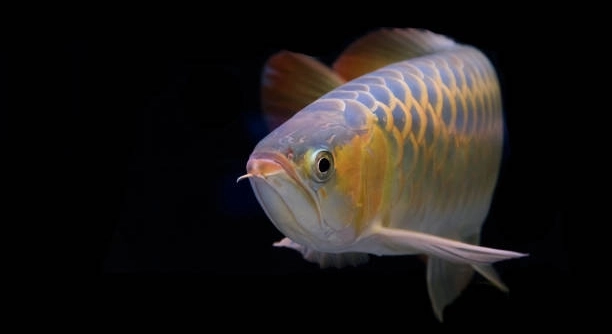
Have you ever moved an arowana and noticed how unsettled it can seem in its new environment, making you wonder how to support its transition in a calm and gentle way as it settles in.
Helping an arowana adjust after a move requires stable water conditions, minimal disturbances, and a steady feeding routine. These factors reduce stress, support physiological balance, and encourage the fish to regain comfort and predictable behavior during its initial post-move period.
These early steps help your arowana settle more comfortably, giving you a simple understanding of what supports its calm adjustment.
Stabilize Water Conditions
Stabilizing water conditions is the most important step for helping your arowana settle after a move. Matching the temperature, pH, and hardness to its previous setup keeps the transition gentle and prevents unnecessary strain. Using a reliable water conditioner removes irritants that may cause discomfort, while proper filtration keeps the water clear and consistent. Regular testing allows you to detect changes early, giving you time to correct small shifts before they affect your fish. Avoid sudden adjustments, because gradual changes help your arowana adapt at a calmer pace. As the water becomes familiar, you may notice smoother swimming, a steady appetite, and more relaxed behavior. These signs show that your efforts are creating a stable and comfortable environment your arowana can trust, making the early days after relocation much easier for both of you. This steady approach supports long-term health and encourages consistent daily activity for your fish as well.
Stable water gives your arowana a reliable foundation during this sensitive period. With steady parameters and clean filtration, the fish adjusts at a healthier pace, allowing its body to recover from the stress of relocation while gaining confidence in its refreshed environment as it settles into its new tank space.
Keeping a consistent routine helps maintain the stability your arowana needs after a move. Avoid unnecessary changes, limit handling, and keep lighting predictable. These simple habits provide a sense of normalcy during the adjustment period. Many arowanas respond well when their environment remains steady, allowing them to relax and regain confidence. You may notice calmer swimming patterns, improved appetite, and smoother daily behavior as the fish grows more comfortable. Maintaining consistency protects its overall well-being and encourages a gentler adjustment, giving your arowana the support it needs to feel secure in its refreshed space for the rest of its settling.
Minimize Disturbances
Reducing activity around the tank helps your arowana relax. Limiting loud noises, sudden movements, and unnecessary lid openings lowers stress. A calm setting supports smoother adjustment and allows the fish to feel safer as it becomes familiar with its surroundings during the first days after its move into the tank.
Keeping disturbances low plays a significant role in helping your arowana settle comfortably. This period can be sensitive, and too much activity near the tank can cause stress that delays adjustment. Creating a calm environment supports healthier behavior and reduces the chances of aggression or erratic swimming. Soft lighting, slow movements, and steady routines form a peaceful setting your fish can depend on. Avoid tapping on the glass, rearranging decor frequently, or introducing new tank mates too soon. These changes can make your arowana feel uncertain, and steady surroundings keep everything predictable. Many arowanas show noticeable improvements when their environment remains quiet and undisturbed. You may see smoother swimming, increased interest in food, and a more relaxed posture as the fish grows familiar with its new space. Maintaining a stable atmosphere also protects your arowana’s immune system, as reduced stress helps support stronger physical responses. With a peaceful environment, your fish gains the reassurance it needs to adapt at a comfortable pace and settle into its refreshed home with greater ease. This gentle approach promotes steady behavior over time, allowing your arowana to regain confidence gradually. Consistent calmness strengthens its adjustment process and supports long-term stability within its environment overall.
Maintain a Steady Feeding Routine
Keeping meals consistent helps your arowana feel secure after a move. Offering familiar foods at regular times supports its appetite and reduces stress, allowing the fish to ease into its new environment with more comfort and predictable daily patterns.
A steady feeding schedule creates structure during a period that may feel overwhelming for your arowana. After a relocation, many fish experience temporary appetite changes, and consistent offerings help them regain interest in food. Stick to foods your arowana already recognizes, keeping portions moderate to avoid overwhelming its system. Sudden diet shifts may add stress, so wait until the fish is fully settled before introducing anything new. Predictable feeding habits encourage your arowana to reestablish routine behavior and help stabilize its mood. Over time, you should see smoother swimming patterns and a more confident response during feeding.
Maintaining clean water around feeding times also supports adjustment. Remove uneaten food promptly to prevent ammonia spikes, as poor water quality can disrupt your arowana’s recovery. Feeding in a calm environment prevents startle responses that may occur during the early adjustment period. Some arowanas may prefer slower feeding movements after a move, so allow your fish time to approach the food at its own pace. Keeping this process calm helps your arowana understand that its new space is safe, supporting healthier long-term behavior and improved appetite as stability returns.
Provide Proper Tank Cover
Arowanas feel more secure when the top of their tank is well-covered. A sturdy lid prevents sudden jumps caused by stress and gives the fish a sense of protection, helping it adjust more comfortably during the early days after relocation.
A covered tank helps reduce light fluctuations, unexpected shadows, and outside movement that may startle your arowana. Since these fish naturally prefer environments where they feel shielded, a proper cover lowers stress levels and supports steady behavior. Ensuring the lid fits tightly is important because arowanas are known for strong jumps, especially when unsettled. This protection gives your fish a safer space to adapt without additional risks caused by sudden movements or noise above the waterline.
A secure cover also contributes to maintaining stable humidity and temperature around the tank’s surface, supporting your arowana’s breathing comfort as it occasionally gulps air. This environmental stability makes the transition smoother and helps the fish settle faster. Avoid frequently lifting the lid or tapping on it, as these actions can disrupt its sense of safety. Keeping the area around the top calm encourages your arowana to swim more naturally, regain trust in its surroundings, and adjust at a healthier pace.
Keep Lighting Consistent
Keeping lighting steady helps your arowana feel calmer after a move. Sudden brightness changes can startle the fish, so maintaining a predictable light schedule supports smoother adjustment and encourages more relaxed behavior during this sensitive period.
Soft, steady lighting prevents unnecessary stress reactions. Avoid bright bursts or frequent switching, as these can disrupt your arowana’s sense of security. Consistency helps the fish settle into comfortable patterns without feeling overwhelmed by sudden environmental changes.
Limit Tank Rearranging
Too much rearranging inside the tank can confuse your arowana during its adjustment period. Keeping décor stable helps the fish recognize its surroundings, build confidence, and move through the space with more comfort as it becomes familiar with its environment after the move.
Allow Time for Adjustment
Giving your arowana time to settle is important. Rushing changes or expecting quick behavior shifts may add stress. A calm, steady pace helps the fish regain confidence naturally as it adapts to its refreshed environment.
FAQ
How long does it take an arowana to adjust after a move?
Most arowanas need several days to a few weeks to feel comfortable again. The exact time depends on water stability, noise levels, tank layout, and how gently the fish is handled during the process. After a move, an arowana may appear nervous, swim cautiously, or pause before eating. These behaviors are normal signs of stress. With calm surroundings and steady routines, the fish gradually relaxes and settles into predictable patterns. Once it regains confidence, you will notice smoother swimming, better appetite, and more relaxed movements. Keeping everything stable helps shorten the adjustment period.
Why does my arowana stop eating after being moved?
Arowanas often lose their appetite after relocation because stress affects how they respond to food. Unfamiliar surroundings, water changes, and new lighting can make them hesitant. Offering familiar foods at the same time each day supports their comfort. Keeping the environment calm encourages the fish to approach meals at its own pace. It can take several days before normal feeding resumes. Avoid forcing new foods or overfeeding during this period, as these actions may create more stress. Once your arowana feels settled, its appetite usually returns steadily.
Is it normal for an arowana to hide or stay near the surface after a move?
Yes, it is normal. Many arowanas act more cautious after a move. Staying near the surface or lingering in corners is a common stress response. These behaviors often fade once the fish becomes familiar with its new space. Stable conditions help it build trust in the environment.
What signs show that my arowana is still stressed?
Common signs include pacing along the glass, rapid breathing, loss of appetite, hiding, and sudden bursts of movement. Some arowanas may jump more frequently when unsettled. Keeping disturbances low and maintaining clean water help reduce these behaviors. With time, these stress signals become less noticeable.
Should I feed my arowana immediately after moving it?
It is better to wait until the fish appears calmer. Many arowanas refuse food right after relocation. Giving it time to adjust before offering a meal prevents additional stress. When you do feed it, choose something familiar and keep the environment quiet.
Can rearranging the tank slow the adjustment process?
Yes, rearranging the tank too often can make your arowana feel unsettled. During the early adjustment period, stable décor helps the fish navigate confidently. Sudden changes in the layout may create confusion and add stress. Keeping the tank consistent supports smoother adaptation.
How can I help my arowana feel secure more quickly?
Maintaining clean water, predictable lighting, and a quiet environment are all helpful. Stable feeding times and minimal disruptions build trust. A sturdy tank cover prevents sudden jumps and gives the fish a sense of safety. Gentle routines encourage faster emotional and physical recovery.
When should I worry about my arowana’s behavior after a move?
Most stress behaviors fade within days or weeks. However, if your arowana shows persistent lethargy, refusal to eat for an extended period, visible injuries, bloating, or severe agitation, you may need to review water conditions or check for possible illness. Early correction helps prevent long-term issues.
Does tank size affect how well an arowana adjusts after a move?
Yes, tank size plays a meaningful role. Arowanas need space to swim freely, and cramped conditions increase stress. A large, well-filtered tank gives them room to move naturally and explore without feeling confined. Adequate space supports healthier behavior during the adjustment period and beyond.
Is it better to leave the lights on or off after moving an arowana?
Soft, consistent lighting helps the fish feel calmer. Bright or sudden lights can startle an unsettled arowana. Using gentle illumination and keeping the schedule predictable reduces stress and encourages steadier behavior as the fish becomes familiar with its surroundings.
Final Thoughts
Supporting an arowana after a move is all about keeping things calm, predictable, and steady. This period can feel delicate for both you and your fish, and small adjustments often make the biggest difference. When an arowana enters a new environment, everything around it suddenly feels unfamiliar. Light patterns change, water chemistry shifts, and the sounds in the room no longer match what it knows. These changes can create stress, even if the fish appears calm at first glance. By keeping the environment steady, offering gentle routines, and minimizing disruptions, you help the arowana form a sense of safety again. This stability allows the fish to regain confidence at its own pace. Many owners notice that once an arowana feels secure, its behavior becomes smoother and more expressive, showing that the foundation you’ve created is starting to work in its favor.
The details you focus on each day become the building blocks of your arowana’s adjustment. Simple habits, like maintaining clean water, keeping feeding schedules consistent, and limiting tank changes, guide your fish in the right direction. These actions also help prevent issues that could delay recovery, such as appetite loss or unnecessary stress reactions. Each step you take adds predictability to the new environment, which is something arowanas naturally seek. Even stable lighting and reduced movement around the tank contribute to a sense of calm that supports healthier behavior. With time, your arowana begins to explore its surroundings more confidently, recognizing that the tank is safe and structured. This continued stability helps it rebuild trust in its environment while strengthening its natural rhythms, from swimming patterns to eating habits. As these patterns settle, you often see a clearer reflection of your arowana’s true personality returning.
Caring for an arowana after a move is not about making dramatic changes but offering consistent support that encourages quiet, steady progress. Each day gives your fish another chance to grow more comfortable, and your patience plays a meaningful role in its adjustment. This transition may require time, but the effort you put into maintaining calm surroundings helps the fish recover both physically and emotionally. Over the weeks, your arowana learns to rely on the predictability you provide, forming a stronger sense of security in its refreshed space. With consistent routines, soft lighting, stable water conditions, and limited disturbances, your arowana gains the reassurance it needs to thrive. The more predictable its environment becomes, the more relaxed and confident your fish will feel, allowing it to settle into its new home with greater ease.

Hello,
If you enjoy the content that we create, please consider saying a "Thank You!" by leaving a tip.
Every little bit helps us continue crafting quality advice that supports the health, happiness, and well-being of pets around the world, for pets of all shapes, sizes, and species.
We really appreciate the kindness and support that you show us!