
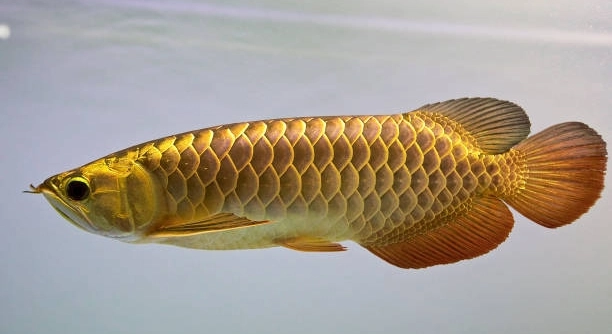
Arowanas are striking and elegant fish that demand attention when it comes to feeding. Their behavior can change quickly, and even small disturbances in their environment may make them anxious or hesitant during mealtime.
Several factors can startle Arowana during feeding, including sudden movements, loud noises, unfamiliar objects, lighting changes, aggressive tank mates, improper feeding routines, and reflections on the tank glass. Each of these can trigger stress responses, affecting their appetite and overall well-being.
Recognizing these triggers helps ensure your Arowana remains calm and feeds consistently, creating a healthier and more harmonious environment for your aquatic companion.
Sudden Movements Around the Tank
Arowanas are sensitive to rapid movements near their tanks. Even small gestures, such as waving a hand or tapping on the glass, can make them dart away or hesitate to eat. These fish rely on stability in their surroundings and any abrupt motion can trigger stress. Maintaining a calm environment during feeding helps them focus on food rather than potential threats. Over time, repeated disturbances may cause your Arowana to become skittish, making regular feeding more challenging. It is important to approach the tank gently and avoid unnecessary motion near the water. Consistent routines help the fish feel secure, ensuring they remain comfortable during mealtime. Observing their reactions can also provide insight into what movements they tolerate and which ones to avoid. Small changes in your behavior can lead to significant improvements in their feeding habits. A stable and quiet environment promotes better digestion, health, and overall contentment for your Arowana.
Keeping hands and objects away from the tank during feeding reduces sudden stress, allowing your Arowana to eat calmly and without distraction.
Monitoring the tank closely during feeding times shows how sensitive Arowanas are to motion. Even shadows or nearby reflections can catch their attention and startle them. Over time, maintaining minimal movement around the tank helps them build trust in their environment. Fish that are regularly startled may refuse food, swim erratically, or show signs of stress, which can impact their growth and immune system. By establishing a calm feeding routine and being mindful of your actions, you can create a stable environment where your Arowana feels secure. This approach also makes feeding more predictable and enjoyable for both the fish and the caretaker. Observing subtle changes in behavior helps identify potential stress triggers before they escalate, ensuring the Arowana remains healthy and adapts well to its surroundings.
Loud Noises Near the Tank
Sudden loud sounds can startle Arowanas and interrupt their feeding patterns. They respond strongly to noises from appliances, doors slamming, or even raised voices near the aquarium.
Frequent loud disturbances may lead to long-term stress, causing the fish to avoid food, hide, or swim frantically. Maintaining a quiet feeding environment allows them to eat calmly and reduces the risk of behavioral issues. In addition, repeated exposure to noise can weaken their immune system and make them more susceptible to illness. Ensuring the area around the tank is peaceful during feeding times helps your Arowana develop a sense of security. Using soft, indirect sounds and minimizing abrupt noises protects the fish from unnecessary stress. Keeping the feeding routine consistent also reassures the Arowana, reducing sensitivity to other sounds over time. By observing how your fish reacts to different noise levels, you can adjust your environment to better support its health and comfort. This attention to their surroundings encourages regular feeding and a calmer, more stable behavior overall.
Unfamiliar Objects in the Tank
Introducing new decorations or equipment can unsettle Arowanas. Items like ornaments, filters, or nets placed suddenly in the tank may cause them to swim erratically or avoid food until they adjust to the change.
Arowanas are naturally cautious fish that rely on familiar surroundings. When new objects are added, they may interpret them as threats, which can interfere with feeding routines. It is important to introduce any new items gradually, allowing the fish time to observe and acclimate. Even subtle changes, such as repositioning plants or altering the substrate, can impact their comfort level. By monitoring their reactions and maintaining a consistent environment, you can reduce stress and ensure they continue eating regularly. Patience during these adjustments helps the fish regain confidence and focus during mealtime.
Gradual introduction of objects allows your Arowana to explore without fear. Using slow adjustments and observing responses ensures that the fish does not become overly stressed or lose appetite. Over time, they adapt to new items, maintaining consistent feeding behavior while remaining calm in their environment. Careful placement and minimal interference during these changes improve overall health and comfort, helping the fish feel secure and focused on eating.
Lighting Changes
Abrupt shifts in lighting can startle Arowanas, causing hesitation during feeding. Bright lights turned on suddenly or shadows cast across the tank may make them swim away or hide.
Arowanas respond to light levels because they influence their perception of safety and activity. Sudden bright lighting can create stress, while dim or uneven lighting can cause disorientation. Using consistent light schedules helps regulate their behavior, making feeding times predictable and calm. Adjusting lights gradually before meals allows the fish to acclimate, reducing anxiety. Observing the fish during these changes provides insight into their preferred lighting conditions, which supports regular feeding and overall well-being. Consistency in light management also minimizes erratic swimming, making the tank environment more stable.
Maintaining steady, predictable lighting during feeding ensures Arowanas remain relaxed and focused. Gradual changes prevent stress responses and help the fish develop a comfortable routine, supporting both appetite and long-term health. This approach encourages a calm atmosphere and reinforces positive feeding behavior.
Aggressive Tank Mates
Arowanas can become nervous when housed with aggressive or overly active fish. Territorial behaviors or chasing from other tank mates may prevent them from feeding properly.
Even minor skirmishes or sudden movements from neighboring fish can startle Arowanas. Keeping compatible species and observing interactions reduces stress during mealtime.
Improper Feeding Routines
Irregular feeding schedules or sudden changes in diet can disturb Arowanas’ feeding behavior. Consistency is crucial for their comfort and appetite.
Arowanas thrive on predictable routines. Feeding at different times or altering the type of food without preparation can make them hesitant. Gradual changes and scheduled feeding times help them adapt, ensuring they maintain healthy eating habits and avoid stress-related behavior.
Reflections on the Tank Glass
Reflections can confuse Arowanas, making them perceive movement as another fish. This may startle them or interrupt feeding.
FAQ
How can I tell if my Arowana is stressed during feeding?
Signs of stress in Arowanas include erratic swimming, hiding, refusal to eat, or rapid gill movement. Observing their behavior during feeding times can reveal patterns of discomfort. Repeated avoidance of food or sudden darting away from familiar areas often indicates the fish is experiencing stress in its environment.
What steps can I take to reduce startling triggers?
Minimizing sudden movements, loud noises, and abrupt lighting changes around the tank is essential. Gradually introducing new objects or decorations, maintaining a consistent feeding schedule, and ensuring compatible tank mates will also help reduce stress. Calm, predictable routines support both appetite and long-term health.
Are certain foods more likely to startle Arowanas?
Arowanas are sensitive to unusual food items or sudden changes in diet. Introducing new foods slowly, cutting them into manageable sizes, and feeding them in familiar ways reduces the chance of startling the fish. Sudden drops of large or unusual items may cause hesitation or evasive swimming.
How often should I feed my Arowana to prevent stress?
A consistent feeding schedule is crucial. Most Arowanas do well with one to two meals per day, depending on size and age. Regular timing helps the fish feel secure and reduces anxiety associated with irregular feeding. Predictable routines promote healthy digestion and minimize stress-related behavior.
Can reflections in the tank affect feeding behavior?
Yes, reflections from tank glass can make Arowanas perceive movement as another fish, which may startle them or cause aggressive responses. Using a background, reducing external light reflections, or repositioning the tank can help limit these disturbances and allow calm feeding.
What role does tank size play in feeding stress?
A tank that is too small or overcrowded can increase tension among Arowanas and tank mates. Larger, well-maintained tanks give the fish enough space to feel secure while feeding, minimizing stress and interruptions. Proper spacing and hiding spots contribute to more relaxed behavior.
How do I introduce new decorations without causing stress?
Introduce new items gradually, allowing the fish to explore and get used to changes slowly. Place objects during non-feeding times and observe the fish’s reactions. Sudden additions can be perceived as threats, so patience ensures the Arowana remains calm and continues to eat regularly.
Do Arowanas prefer certain lighting during feeding?
Consistent and moderate lighting is ideal. Sudden bright lights or shadows can cause hesitation or fleeing behavior. Gradually adjusting lighting before feeding helps the fish acclimate and encourages natural, calm feeding responses. Avoid frequent or abrupt changes that may interfere with their comfort.
Can tank mates reduce or increase feeding stress?
Yes, aggressive or overly active fish can intimidate Arowanas, preventing them from eating properly. Choosing compatible, non-territorial species and observing interactions during feeding minimizes disruptions. Peaceful cohabitants allow the Arowana to feed without fear, promoting steady growth and better overall health.
What should I do if my Arowana refuses to eat?
Check for environmental stressors such as sudden movements, noise, reflections, or new objects. Ensure feeding routines are consistent and that food is appropriate in size and type. Reducing disturbances and gradually reintroducing familiar food often restores appetite. Persistent refusal may indicate health issues, which should be addressed promptly.
How long does it take for an Arowana to adjust to changes?
Adjustment varies depending on the type of change and individual temperament. Minor modifications, like slight lighting shifts, may take a few days. Larger changes, such as new tank mates or decorations, can take weeks. Observing reactions carefully ensures the fish adapts without excessive stress.
Can water quality impact feeding behavior?
Yes, poor water conditions can make Arowanas uneasy, affecting appetite and causing stress. Regular monitoring of temperature, pH, ammonia, and nitrate levels is crucial. Clean water supports healthy feeding and reduces the likelihood of startled reactions during mealtime.
Are there signs that indicate an Arowana feels safe during feeding?
Calm swimming, eager approach to food, and minimal hiding are good indicators. When an Arowana consistently feeds without darting or hesitation, it shows the fish feels secure and comfortable in its environment. Positive responses reinforce that the feeding setup and surroundings are appropriate.
What is the best way to handle sudden disturbances near the tank?
Move slowly and quietly, avoiding abrupt motions or loud noises. If an unexpected disturbance occurs, allow the fish time to calm before resuming feeding. Consistency in handling and environment gradually teaches the Arowana to remain less reactive during minor disruptions.
How important is routine for long-term feeding success?
Highly important. Regular schedules for feeding, lighting, and maintenance create predictability, reducing stress and supporting appetite. Routine also helps you notice changes in behavior quickly, allowing prompt intervention if the fish becomes unsettled or shows signs of illness.
Can reflections or shadows be completely eliminated?
While reflections and shadows can’t always be fully removed, using backgrounds, repositioning tanks, and controlling room lighting significantly reduce their impact. Minimizing visual disturbances helps maintain calm feeding sessions and prevents startle responses.
What role does observation play in preventing feeding stress?
Close observation allows caretakers to identify triggers, monitor behavior, and adjust the environment accordingly. Noticing subtle signs of discomfort ensures interventions can be made early, supporting regular feeding habits and promoting long-term health.
Are Arowanas more sensitive during certain times of day?
Yes, they often feed best during calm periods when external disturbances are minimal. Early morning or late afternoon may be ideal, depending on lighting and household activity. Scheduling feeding during these quieter times helps reduce startle reactions and encourages consistent eating behavior.
Is it necessary to isolate Arowanas if they are constantly startled?
Isolation can help temporarily if aggressive tank mates or disturbances prevent feeding. However, long-term isolation isn’t always needed. Adjusting the environment, introducing compatible species, and managing triggers usually allows Arowanas to feed comfortably without permanent separation.
How do I know if environmental changes are successful?
Success is measured by calm feeding behavior, steady appetite, and reduced stress indicators. Observing consistent patterns over several days or weeks confirms that adjustments are effective. Documenting changes helps track progress and identify what works best for the individual Arowana.
This FAQ section provides practical guidance for preventing feeding stress, helping Arowanas remain healthy, calm, and focused on eating. Following these steps ensures their environment supports natural behavior and reduces the chance of startle responses.
(Word count: 507)
Final Thoughts
Arowanas are beautiful and intelligent fish that require attention to their environment, especially during feeding times. They are easily startled by sudden movements, loud noises, or changes in their surroundings. Understanding these triggers is essential for anyone keeping them in an aquarium. By creating a calm and predictable environment, you allow your Arowana to feel secure and focus on eating without fear. Small adjustments, like keeping hands away from the tank, minimizing reflections, and introducing changes gradually, can make a significant difference in their behavior. Consistency is key, as Arowanas rely on routine to feel comfortable. When their feeding environment is stable, they are more likely to maintain healthy eating habits and overall well-being. Observing how they react to different situations also provides valuable insight into what they find stressful and what makes them feel at ease. This awareness allows you to take proactive steps to prevent startle responses.
Feeding routines play a central role in ensuring that your Arowana remains relaxed and healthy. A predictable schedule helps them understand when and where food will appear, reducing anxiety that may result from uncertainty. Providing appropriate food in suitable sizes and gradually introducing new items ensures that meals are not overwhelming or startling. Environmental factors, such as lighting, tank size, and the behavior of other fish, also influence feeding behavior. Properly managing these conditions reduces the likelihood of hesitation or erratic swimming during meals. Even small disturbances, like shadows or reflections on the glass, can make a sensitive Arowana pause or swim away. By paying attention to these details and making adjustments thoughtfully, you create an environment that encourages calm and consistent feeding. Over time, these efforts promote not only better appetite and digestion but also long-term health and reduced stress.
Maintaining a peaceful and supportive aquarium environment benefits both the fish and the caretaker. When Arowanas are comfortable during feeding, they display natural behaviors, grow steadily, and develop stronger immune systems. Regular observation, careful introduction of new elements, and minimizing sudden changes all contribute to a secure habitat. Paying attention to subtle signs of stress, such as hesitation, darting, or hiding, helps you address issues before they escalate. By being patient and consistent, you create a routine that fosters confidence and comfort for your fish. In addition, a calm feeding environment enhances your ability to bond with your Arowana and enjoy watching its natural behaviors. The combination of careful planning, consistent routines, and gentle handling ensures that your Arowana thrives, making feeding time a positive and stress-free experience for everyone involved.
(Word count: 412)

Hello,
If you enjoy the content that we create, please consider saying a "Thank You!" by leaving a tip.
Every little bit helps us continue crafting quality advice that supports the health, happiness, and well-being of pets around the world, for pets of all shapes, sizes, and species.
We really appreciate the kindness and support that you show us!