
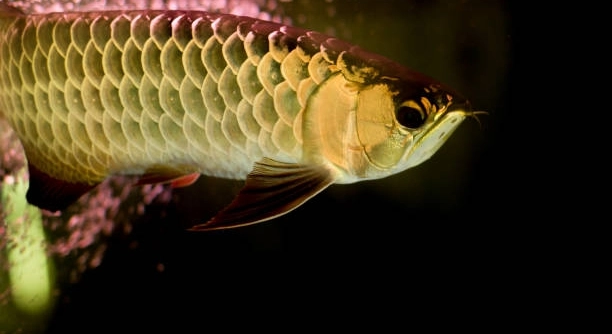
Have you ever noticed how your arowana swims around the tank at certain times of day? Many fish owners pay close attention to their pet’s routines, observing subtle patterns in behavior and activity levels.
Arowanas can develop a form of daily schedule influenced by feeding times, light cycles, and environmental consistency. Regular routines help regulate their activity, improve digestion, and support overall well-being in a controlled aquarium setting.
Observing these patterns can help you better understand your arowana’s needs and ensure it remains healthy and active in its home environment.
How Arowanas React to Light and Feeding Schedules
Arowanas are very sensitive to changes in their environment, especially light and feeding routines. They tend to become more active when lights turn on and often anticipate feeding times, swimming near the surface or in their favorite corners of the tank. Consistency is key. Keeping a regular light cycle helps maintain their internal rhythms, supporting normal activity and rest periods. Sudden changes in light or feeding times can stress them, causing erratic swimming or decreased appetite. Over time, a predictable schedule helps your arowana feel secure, making it easier to monitor health and spot early signs of illness. Watching these patterns can be rewarding because you start to notice subtle behaviors that indicate mood, hunger, or comfort. This natural response to routine reflects their instinctual adaptation to daylight and the availability of food in the wild, even in captivity. By respecting these natural tendencies, you encourage a balanced and healthy lifestyle for your arowana.
Consistency in light and feeding ensures your arowana stays active and less stressed.
Regular light cycles and feeding schedules help your arowana develop predictable behaviors. Observing how it reacts to these routines allows you to plan care effectively. Structured feeding also reduces aggressive behavior in multi-fish tanks, and proper light timing prevents disorientation. Over time, these practices foster a calm and healthy environment.
Benefits of Predictable Daily Routines
A stable daily routine directly improves an arowana’s health and behavior. When feeding times and light cycles are consistent, the fish’s metabolism adjusts, leading to better digestion and nutrient absorption. Stress levels are reduced because the arowana knows when to expect activity and rest. Predictable routines can also reduce destructive or anxious behaviors such as constant swimming along tank edges or hiding excessively. In addition, monitoring a regular schedule makes it easier to detect health issues early, like changes in appetite or unusual inactivity. Over time, the fish becomes more interactive, swimming closer during feeding and showing natural displays of movement, which can be fascinating to observe. Keeping the tank environment consistent, including water temperature, filtration, and lighting, supports this routine and encourages overall well-being. By providing this level of structure, owners help their arowanas thrive in captivity, maintaining both physical health and psychological comfort, while also simplifying daily care routines.
Routines improve digestion, reduce stress, and support natural behavior patterns in arowanas.
Creating a predictable routine involves consistent feeding times, regular light cycles, and maintaining stable water conditions. Over time, arowanas learn to anticipate events in the tank, which enhances their sense of security. Observing these responses can help you adjust care to suit their needs.
Recognizing Your Arowana’s Active Periods
Arowanas are naturally more active during daylight hours. Observing when they swim energetically or rest can help establish feeding and care routines that match their natural rhythms. Noticing these patterns allows you to plan tank maintenance without disturbing their peak activity times.
Active periods often occur in the morning and late afternoon. During these times, arowanas explore the tank, interact with their environment, and search for food. Feeding during peak activity encourages proper eating habits and reduces waste. Maintaining a consistent schedule during these hours helps the fish feel secure. Over time, you may notice predictable movements, like swimming near the top at certain hours or hovering in a favorite corner, indicating comfort and familiarity with the routine. Monitoring these behaviors ensures you support both mental stimulation and physical exercise.
Understanding active periods also helps in observing potential health issues. Changes in timing, reduced swimming, or unusual lethargy during expected activity hours can indicate stress, illness, or environmental problems. By carefully noting these patterns, you can intervene early with adjustments to feeding, lighting, or water quality, keeping your arowana healthier and more responsive. Regular observation builds a stronger awareness of its habits, helping maintain a stable and comfortable tank environment.
Adjusting Routines for Different Ages
Younger arowanas often require more frequent feeding and shorter rest periods, reflecting their higher growth rates. Older arowanas need less frequent meals but benefit from consistent light cycles to maintain overall health. Adjusting schedules to age-specific needs ensures proper development and longevity.
Juvenile arowanas have higher metabolism, which requires small, frequent meals throughout the day. Maintaining a structured feeding routine prevents overeating while supporting rapid growth. In contrast, adult arowanas eat larger portions less often, so timing meals around active periods maximizes digestion efficiency. Light schedules remain important across all ages, regulating sleep cycles and activity levels. Keeping water quality stable complements these routines, as young fish are more sensitive to changes. Tailoring feeding and environmental patterns to the fish’s age supports growth, reduces stress, and helps maintain a healthy, active lifestyle.
Age-specific routines also impact behavior and tank harmony. Juveniles may be more curious and energetic, needing enriched spaces to explore safely. Adults tend to be territorial or calmer, requiring predictable feeding and resting periods. Adjusting routines for age ensures each stage receives appropriate care, allowing the fish to develop naturally while minimizing aggression or stress. Over time, these tailored schedules create a balanced environment, supporting both physical health and natural behavioral expression, which makes observing them more rewarding.
Environmental Cues and Routine
Arowanas respond strongly to environmental cues like light changes, water movement, and feeding signals. Regular cues help them anticipate daily activities and reduce stress, making their behavior more predictable and easier to monitor for health and well-being.
Consistency in tank conditions reinforces these cues. Sudden changes in temperature, lighting, or decoration can disrupt routines, causing anxiety or irregular activity. Stable conditions help your arowana feel secure, making daily patterns like feeding, swimming, and resting more reliable.
Feeding Frequency and Behavior
Feeding frequency directly shapes an arowana’s daily schedule. Fish fed at consistent intervals show predictable behaviors, such as approaching the feeding area or swimming actively at expected times. Irregular feeding can lead to overactive or lethargic behavior, affecting overall health. Careful observation helps adjust portions to match appetite, ensuring optimal nutrition and maintaining normal activity cycles. Understanding how your arowana responds to each meal allows you to refine the schedule gradually, balancing energy levels and preventing digestive issues. Feeding during active periods also encourages natural hunting instincts, contributing to mental stimulation and a sense of routine in the tank.
Signs of Routine Disruption
Changes in swimming patterns, appetite, or resting locations often indicate that arowanas are struggling with their routine.
Using Timers for Consistency
Automatic timers for lights and feeders can help maintain a reliable schedule. By standardizing light cycles and feeding times, you ensure your arowana experiences minimal disruption, supporting both physical health and predictable daily behavior patterns.
FAQ
Can arowanas recognize feeding times?
Yes, arowanas can anticipate feeding times if they are consistent. Over time, they learn to associate specific cues, such as movement near the tank or sounds of food being prepared, with mealtime. Predictable feeding helps reduce stress and encourages more natural behavior.
How many times a day should I feed my arowana?
Feeding frequency depends on the arowana’s age and size. Juveniles benefit from two to three small meals a day to support rapid growth, while adults usually do well with one or two larger meals. Portion control is important to prevent overfeeding and digestive problems.
Do arowanas need a strict light schedule?
Yes, a consistent light cycle is important. Arowanas are sensitive to changes in light, which influences their activity and rest periods. Keeping lights on for 10–12 hours a day and maintaining gradual transitions between light and dark periods helps regulate their internal rhythms.
Can irregular routines harm my arowana?
Irregular schedules can cause stress, poor appetite, and unusual behavior. Inconsistent feeding or lighting may disrupt digestion, sleeping patterns, and activity levels. Observing your arowana’s reactions to changes helps identify disruptions early, allowing you to adjust routines for their comfort and health.
Is it normal for arowanas to swim at certain times?
Yes, arowanas often have predictable periods of activity. They are generally more active during daylight hours and tend to rest or hover during quieter periods. Tracking these behaviors can guide feeding and tank maintenance times, ensuring minimal stress.
How do environmental changes affect their schedule?
Arowanas are sensitive to temperature fluctuations, water quality changes, and tank rearrangements. Sudden changes can make them anxious, affecting swimming patterns and feeding behavior. Maintaining stable conditions supports predictable daily routines, which improves overall health.
Can arowanas adjust to new schedules?
Yes, but adjustments should be gradual. Sudden changes in feeding times or light cycles may confuse or stress the fish. Slowly shifting schedules over several days allows the arowana to adapt without disrupting natural behavior or appetite.
Do arowanas show signs of stress when routines are broken?
Yes, signs include hiding, erratic swimming, refusal to eat, or lethargy. Observing these changes can help identify what part of the routine is inconsistent, such as feeding or light timing, so corrections can be made promptly.
Are younger arowanas more sensitive to schedule changes?
Juveniles are generally more affected by irregular routines because they are still developing metabolism and activity patterns. Consistent feeding, lighting, and environmental cues are particularly important to support growth and maintain healthy behavior.
Can using timers improve routine consistency?
Yes, timers for lights and feeders help create a predictable environment. Consistent timing reduces stress and encourages natural patterns of activity, feeding, and rest. This also simplifies care, especially for owners with busy schedules, ensuring the arowana maintains a stable daily rhythm.
How do I know if my arowana’s routine is effective?
A reliable routine shows in stable behavior: regular swimming patterns, predictable feeding responses, and consistent resting periods. Healthy appetite, clear eyes, smooth scales, and overall activity levels indicate that the arowana is comfortable and its routine meets its needs.
Is it necessary to observe my arowana daily?
Daily observation is important. Even minor changes in activity, appetite, or swimming can signal stress or health issues. Monitoring behavior helps fine-tune feeding times, light cycles, and tank conditions, ensuring the arowana stays healthy and maintains a consistent schedule.
Can arowanas remember previous routines?
Arowanas have good memory for routines tied to feeding and environmental cues. Repeating consistent schedules allows them to anticipate events, which reduces anxiety and encourages natural, predictable behavior patterns over time.
Do arowanas benefit from variation in routine?
Small variations, like occasional enrichment or minor changes in feeding location, can stimulate mental engagement. However, major changes in light or feeding times should be avoided, as stability is more critical for reducing stress and maintaining overall health.
How long does it take for arowanas to adapt to a routine?
Adaptation time varies, usually taking several days to a few weeks. Juveniles may adjust faster due to higher activity and curiosity, while adults may need more time. Gradual consistency in feeding and light schedules ensures smooth adaptation without stress or behavioral disruption.
Can multiple arowanas share the same routine?
Yes, but individual differences in appetite and activity may require slight adjustments. Feeding should ensure all fish receive proper portions, and light cycles should remain consistent. Observing group dynamics helps maintain harmony while keeping routines predictable for each arowana.
Does routine affect arowana growth?
Yes, predictable feeding and proper nutrition support healthy growth, especially in juveniles. A well-maintained schedule ensures sufficient energy for activity, proper metabolism, and overall physical development, reducing risks of malnutrition or stress-related growth delays.
Are there signs that my arowana dislikes a schedule?
Refusal to eat, hiding frequently, or erratic swimming patterns can indicate discomfort. If these signs appear, reviewing feeding times, light cycles, and environmental stability can help adjust the routine to better suit the fish’s needs.
Do arowanas require different routines in different seasons?
Seasonal changes in natural light may influence captive light schedules. Slight adjustments may help simulate natural conditions, but abrupt changes should be avoided. Maintaining stable water temperature and feeding patterns remains most important to preserve health and routine consistency.
Is it possible to train an arowana to follow a schedule?
Yes, gradual repetition of feeding times and consistent environmental cues trains the fish to anticipate events. This form of conditioning encourages predictable behavior, reduces stress, and strengthens the bond between owner and arowana by making interactions more reliable.
Final Thoughts
Arowanas are remarkable fish that respond well to consistent routines. Observing their behavior closely can reveal patterns that help in planning feeding times, light schedules, and general care. Predictable routines provide stability, which reduces stress and encourages natural activity. When an arowana knows what to expect, it tends to be calmer, more active, and easier to care for. Simple practices like feeding at the same time each day and maintaining steady light cycles can make a significant difference in the fish’s overall well-being. Over time, these small efforts contribute to healthier behavior, better appetite, and more reliable activity levels.
Consistency is particularly important when considering different stages of an arowana’s life. Juveniles need frequent, smaller meals and may be more energetic and curious, while adults require larger but less frequent meals and a quieter environment. Adjusting the daily schedule to match age-specific needs ensures proper growth and maintains healthy behavior patterns. Maintaining stable water quality, temperature, and tank conditions alongside a predictable feeding and lighting schedule supports both physical health and mental comfort. Sudden changes, even small ones, can cause stress and disrupt established routines. Careful attention to these details helps create an environment where the arowana can thrive, develop natural behaviors, and maintain long-term health. Observing patterns in movement, feeding, and resting times allows owners to respond promptly to changes in health or behavior.
Finally, creating a reliable daily schedule is a combination of observation, consistency, and gradual adjustments. Using timers for lights and feeders can help maintain regularity, while monitoring the fish’s response allows fine-tuning to meet its individual needs. Over time, arowanas learn to anticipate feeding times and adjust their activity accordingly, showing more predictable behavior and increased comfort within their environment. Understanding their natural rhythms and responding appropriately creates a stable and healthy habitat that benefits both the fish and the owner. By committing to consistent care and paying attention to environmental cues, owners can ensure their arowanas remain active, healthy, and content. Consistency is not only about feeding and lighting but also about creating a sense of security and stability that allows the arowana to live a balanced and fulfilling life in captivity. Observing and responding to its needs regularly ensures a harmonious and well-maintained aquarium environment.

Hello,
If you enjoy the content that we create, please consider saying a "Thank You!" by leaving a tip.
Every little bit helps us continue crafting quality advice that supports the health, happiness, and well-being of pets around the world, for pets of all shapes, sizes, and species.
We really appreciate the kindness and support that you show us!