
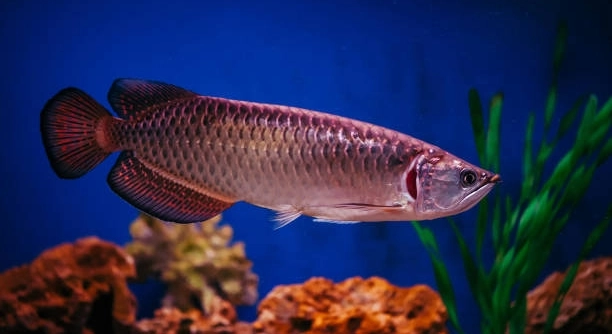
Are your arowana seeming less active or losing their usual sparkle in the tank? These elegant fish require consistent interaction and care to maintain their health, behavior, and overall well-being within a home aquarium environment.
Arowana display specific behavioral and physical signs when they are not receiving sufficient attention. Indicators include decreased activity, loss of appetite, faded coloration, and abnormal swimming patterns. Consistent engagement and environmental enrichment are essential for their optimal health and development.
Recognizing these signs early can help you adjust care routines, ensuring your arowana remains vibrant, active, and healthy in its aquatic environment.
Lack of Interaction
Arowana are intelligent fish that need regular interaction and stimulation. When they are ignored or not engaged with, they may become lethargic, hiding in corners or floating listlessly. These fish thrive when their environment is enriched with objects to explore and when they receive consistent attention from their caretaker. Observing their behaviors daily allows you to notice subtle changes that indicate boredom or stress. In addition to physical activity, arowana benefit from visual stimulation, such as moving lights or observing movement outside their tank. Lack of interaction can also lead to decreased appetite, which may impact their growth and overall health. Adjusting feeding schedules, introducing safe tank decorations, and spending time near the aquarium can help these fish regain energy and interest in their surroundings. Understanding these small needs ensures a healthier, more responsive arowana that displays natural behaviors more consistently.
Even short daily interactions can improve activity levels, color brightness, and general well-being for your arowana.
Consistent engagement is crucial for mental and physical health. Simple steps like approaching the tank, offering varied food, or rotating decorations stimulate their senses. Without attention, these fish can develop stress behaviors that affect swimming, appetite, and coloration. By monitoring and responding to these signals, caretakers can maintain vibrant, healthy arowana that are active and visually striking. Small adjustments in care routines can prevent long-term stress and enhance the overall aquarium experience.
Signs of Stress
Arowana often show subtle signs when stressed, including erratic swimming or spending excessive time at the water surface.
Stress in arowana can result from inadequate attention, poor water quality, or lack of environmental stimulation. Fish may avoid interaction, refuse food, or display dull coloration. Over time, chronic stress weakens immunity, making them more susceptible to disease. Careful observation of swimming patterns, fin condition, and appetite helps identify stress early. Environmental adjustments, including maintaining clean water, providing hiding spots, and offering daily attention, reduce stress levels. Regularly checking water temperature and pH also ensures a comfortable habitat. When stress signs are addressed promptly, arowana regain normal behaviors, improve feeding habits, and show restored vibrancy. Ensuring both physical and mental stimulation is key to preventing long-term stress and promoting active, healthy fish that interact with their environment naturally.
Reduced Appetite
Arowana that are not getting enough attention often eat less or ignore food completely. Changes in feeding behavior are one of the earliest signs that something in their environment or routine is off.
A consistent lack of interaction can make arowana hesitant to approach food, especially if they associate feeding times with neglect or irregular care. Over time, skipped meals may lead to weight loss, weakened immunity, and slower growth. Providing a predictable feeding schedule and spending a few minutes near the tank during meals can encourage them to eat. Introducing variety in diet, like live or frozen foods, can also stimulate interest and restore appetite. Monitoring eating patterns closely helps prevent long-term health issues.
Even if water quality and tank conditions are perfect, arowana may still show disinterest in food when bored or lonely. Subtle engagement, like observing their behavior or lightly tapping near the tank, can rekindle their appetite.
Faded Coloration
Stress and lack of attention can cause arowana to lose their natural brightness and sheen, making them look dull or washed out.
When arowana are not mentally stimulated or feel neglected, their body may respond by slowing pigment production. Over time, the vibrant reds, golds, or silvers that define their appearance can become muted. Proper lighting, a stable environment, and regular interaction all play a role in maintaining natural coloration. Nutritional support is also essential, as high-quality diets rich in carotenoids and vitamins help retain bright scales. Avoid sudden changes in water conditions, as these can further stress the fish and accelerate fading. Consistent care and attention encourage natural color recovery.
Even minor environmental improvements can have a noticeable effect on arowana coloration. Small changes in lighting schedules, tank arrangement, and daily interaction often help them regain brightness. Observing how they respond to these adjustments allows you to fine-tune care routines and maintain their striking appearance. Over time, these fish regain confidence, swim more actively, and display richer colors throughout the tank, signaling improved overall well-being.
Lethargic Behavior
Arowana that aren’t getting enough attention often become unusually inactive. They may float in one spot for long periods or avoid swimming through the entire tank, showing clear signs of low energy.
Even small daily interactions can help increase activity. Regular observation and gentle engagement encourage movement and alertness.
Hiding Frequently
When neglected, arowana may spend more time hiding behind decorations or at the bottom of the tank. This behavior indicates discomfort or insecurity in their environment, often caused by lack of interaction.
Consistently checking on them and providing visual stimulation helps reduce hiding. Simple changes, like moving ornaments or spending time near the tank, encourage them to explore more confidently.
Aggressive Behavior
Arowana deprived of attention can become aggressive, snapping at tankmates or striking the glass. Lack of mental stimulation often redirects energy into irritability or territorial displays.
Providing structured interaction, monitoring tank mates, and ensuring ample space reduces aggression. Regular engagement helps them channel energy positively, improving overall behavior and coexistence within the aquarium.
Erratic Swimming
Arowana showing uneven or jerky swimming patterns may be stressed from neglect. This erratic behavior signals discomfort and possible frustration in their environment.
FAQ
How can I tell if my arowana is not getting enough attention?
Signs include decreased activity, hiding frequently, loss of appetite, faded coloration, erratic swimming, and unusual aggression. Observing daily behavior is key. Even subtle changes in movement or interaction levels can indicate that your fish needs more mental and environmental stimulation.
What are some simple ways to engage my arowana?
Spend time near the tank, gently tapping the glass or moving objects to create visual interest. Introducing live or frozen food, rearranging safe decorations, and maintaining consistent feeding schedules encourage natural curiosity and activity. Interaction doesn’t need to be constant but should be consistent.
How often should I interact with my arowana?
Short, daily sessions are best. Even five to ten minutes of focused attention helps maintain activity and reduces stress. Consistency matters more than duration, as a predictable routine reassures the fish and encourages engagement with its environment.
Can diet affect my arowana’s behavior and attention needs?
Yes. Arowana require high-quality, protein-rich diets with occasional live or frozen foods to maintain health. Lack of variety can lead to boredom and disinterest, affecting energy levels and willingness to interact. Nutritionally balanced meals complement environmental enrichment for overall well-being.
What tank adjustments can help arowana regain attention and activity?
Adding floating plants, rearranging ornaments, and creating hiding spots stimulate exploration. Adequate space and clean water are essential, as overcrowding or poor conditions increase stress. Subtle changes keep the environment interesting without overwhelming the fish.
Is it normal for arowana to hide even with attention?
Occasional hiding is normal, especially during rest periods or after sudden movements near the tank. Persistent hiding, however, may indicate stress, boredom, or lack of attention. Ensuring a balance of stimulation and safe spaces helps reduce excessive hiding behavior.
How long does it take for an arowana to respond to increased attention?
Responses vary depending on individual temperament and previous neglect. Some fish show changes in activity within days, while others may take weeks to regain full vibrancy. Patience and consistency are key, as abrupt changes in routine can increase stress.
Can lack of attention affect an arowana’s health long-term?
Yes. Chronic neglect can lead to poor appetite, weakened immunity, stress-related diseases, and stunted growth. Regular engagement, consistent care, and environmental enrichment help prevent long-term health problems and ensure a stronger, more resilient fish.
What signs indicate my arowana is enjoying the interaction?
Signs include approaching the glass, increased swimming, curiosity toward food or new objects, and more vibrant coloration. Active exploration and playful behavior are strong indicators that the fish is comfortable and mentally stimulated.
Are there any behavioral changes to watch for after increasing attention?
Improved appetite, more consistent swimming patterns, decreased hiding, and reduced aggression are positive signs. Gradual improvements in coloration and general alertness also indicate that your attention and environmental adjustments are having the desired effect.
Can arowana become dependent on human interaction?
While they appreciate regular engagement, arowana can maintain healthy independence if their environment is well-structured. Interaction should complement their natural behaviors, not replace exploration, feeding instincts, or mental stimulation. Balance is critical to ensure confidence and activity without over-dependence.
How can I maintain consistent attention if I am busy?
Short, predictable daily interactions are sufficient. Automatic feeders, consistent water maintenance, and occasional environmental changes help sustain stimulation. Even brief, focused attention each day keeps the fish active and reduces stress without demanding extensive time.
What should I do if my arowana does not improve despite attention?
Check water quality, tank size, and diet first, as environmental issues often amplify stress. If conditions are optimal and behavioral issues persist, consulting an aquatic veterinarian or experienced aquarist can help identify underlying health problems or behavioral concerns.
Are there toys or enrichment tools for arowana?
Yes. Floating objects, mirrors for brief periods, and secure ornaments can encourage exploration. Rotate objects occasionally to maintain novelty. Avoid anything that could injure the fish or disrupt water quality. Observing reactions helps determine what is stimulating without causing stress.
Can multiple arowana in one tank reduce individual attention needs?
Not necessarily. Social interactions among fish differ from human engagement. While tank mates can provide stimulation, individual attention is still needed to ensure proper feeding, activity, and mental enrichment. Overcrowding may increase stress rather than replace interaction.
How does water quality impact arowana behavior?
Poor water conditions can cause stress, lethargy, and loss of appetite, mimicking signs of neglect. Maintaining proper temperature, pH, filtration, and cleanliness is essential. Even attentive care may be ineffective if water quality is inconsistent or substandard.
How often should tank decorations or layout be changed?
Occasional adjustments every few weeks are ideal. Frequent changes may stress the fish, while no changes can lead to boredom. Small, incremental modifications stimulate curiosity and encourage natural behaviors, improving activity and engagement.
What role does lighting play in arowana engagement?
Consistent, appropriate lighting enhances coloration and encourages natural activity patterns. Gradual changes in light intensity or timing can simulate a natural environment, promoting exploration and alertness. Avoid sudden, harsh lighting that may startle or stress the fish.
Can neglect affect breeding behavior in arowana?
Yes. Stress and lack of stimulation can reduce reproductive readiness and interest. Maintaining proper attention, diet, and environmental conditions supports healthy behaviors and increases the likelihood of successful breeding in adult fish.
Is it normal for arowana to occasionally ignore attention?
Yes. Even well-stimulated fish may have quiet periods or prefer solitude at times. Consistency in care ensures these moments are temporary and not signs of chronic neglect or stress.
How can I track improvements in my arowana after increasing attention?
Keep a simple journal of feeding habits, activity levels, coloration, and behavior. Noting changes over time helps identify patterns, gauge responses to environmental adjustments, and ensure ongoing well-being. Regular observation is the most reliable way to measure progress.
What’s the best overall strategy to prevent attention-related issues?
Combine consistent interaction, environmental enrichment, high-quality nutrition, and clean, stable water conditions. Observing behavior, making small adjustments, and maintaining predictable routines create a balanced environment where your arowana thrives physically and mentally.
Arowana are beautiful and intelligent fish that require more than just clean water and regular feeding to thrive. Their health and well-being depend significantly on the attention and engagement they receive from their caretakers. When these fish are neglected or ignored, they can show clear signs of distress, including reduced activity, hiding, loss of appetite, fading colors, and even aggression. These behaviors are not just random quirks; they are signals that something in the fish’s environment or routine is not meeting their needs. By observing and responding to these behaviors, caretakers can ensure their arowana remain healthy, active, and vibrant. Even small adjustments in care, such as spending a few minutes daily near the tank or introducing simple environmental changes, can have a noticeable effect on their behavior and overall well-being.
Providing attention does not mean constant handling or overfeeding. Arowana need consistent, predictable interaction that stimulates their natural behaviors without causing stress. Simple actions, like maintaining a steady feeding schedule, observing them regularly, or rearranging tank decorations periodically, help keep the fish engaged and mentally stimulated. Nutrition also plays a key role, as a balanced, varied diet supports both physical health and natural coloration. Attention combined with a stable and enriching environment can prevent long-term health problems, including weakened immunity or stunted growth. Caretakers who monitor their arowana closely and respond to subtle behavioral changes are better able to create an environment where the fish can thrive, display natural behaviors, and maintain their striking appearance.
Ultimately, attention and interaction are essential components of responsible arowana care. Understanding their needs and responding consistently helps build a healthier, more vibrant fish that is active and responsive to its environment. While some behaviors, like occasional hiding or quiet periods, are normal, persistent signs of stress should not be ignored. Maintaining clean water, providing suitable tank conditions, offering a high-quality diet, and spending regular time engaging with the fish all contribute to their long-term health and happiness. By prioritizing attention and enrichment, caretakers can ensure that their arowana live fulfilling, active lives while maintaining their natural beauty and energy within the aquarium.

Hello,
If you enjoy the content that we create, please consider saying a "Thank You!" by leaving a tip.
Every little bit helps us continue crafting quality advice that supports the health, happiness, and well-being of pets around the world, for pets of all shapes, sizes, and species.
We really appreciate the kindness and support that you show us!