
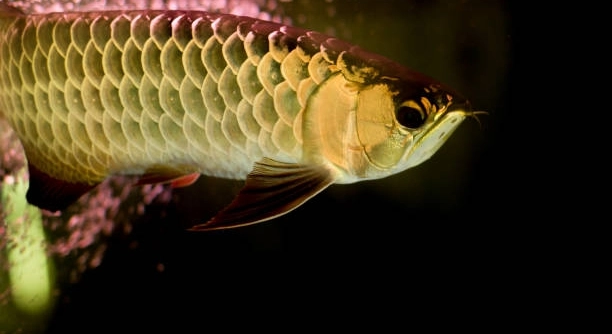
Do you have a skittish arowana that darts around the tank at the slightest movement? Many fish owners face this challenge, as these sensitive creatures can become easily stressed, affecting their health and overall behavior in the aquarium.
The most effective way to calm a skittish arowana involves creating a stable, low-stress environment. Maintaining consistent water conditions, reducing sudden disturbances, and introducing gradual, gentle interactions can significantly minimize stress and promote a sense of security for the fish.
Learning the subtle cues of your arowana’s behavior can improve your care techniques and ensure a calmer, healthier aquatic companion over time.
Create a Calm Environment
Arowanas are highly sensitive to their surroundings, and even minor changes can make them nervous. Keeping the tank in a quiet area with minimal foot traffic helps reduce stress. Avoid placing the aquarium near loud appliances or bright, flickering lights. Consistent water parameters are essential; sudden shifts in temperature, pH, or hardness can cause panic and erratic swimming. Using a gentle filter and avoiding strong currents also contributes to a more stable environment. Adding decorations like driftwood, rocks, or plants provides hiding spots, which helps the fish feel secure. Observing your arowana from a distance, rather than constant handling or tapping on the glass, allows it to adapt without fear. Even small adjustments, like dimming overhead lights or covering part of the tank, can make a noticeable difference in behavior. Over time, these calm surroundings help the fish feel safe and reduce overall stress.
Maintaining a quiet, consistent environment encourages your arowana to settle and respond less anxiously to movement.
Gradually, the fish begins to recognize its tank as a safe space. It will swim more steadily, explore hiding spots, and respond calmly to feeding. This stable environment supports healthy growth and reduces the risk of injury from panic responses. By paying attention to lighting, noise, and water consistency, you can transform a tense tank into a peaceful habitat for your arowana. Small, deliberate changes make a lasting impact on its behavior.
Gentle Feeding Practices
Feeding arowanas without startling them is crucial for reducing anxiety. Offering food at the same time each day helps establish a predictable routine, which the fish can rely on.
Use long feeding tongs or chopsticks to present food gradually, allowing the arowana to see and approach it at its own pace. Avoid tossing food aggressively, which can trigger sudden movements and stress. Choose appropriate-sized pellets or live foods that match the fish’s natural diet. Feeding smaller portions multiple times a day is preferable to large, infrequent meals. Overfeeding can cause water quality issues, which in turn increase stress. Observe how the fish reacts during feeding, adjusting the approach as needed to keep interactions calm. By maintaining a consistent feeding routine, your arowana learns to associate mealtime with safety rather than alarm. This simple strategy supports better appetite, overall health, and a more relaxed demeanor.
Over time, calm feeding practices reduce fear and help your arowana feel more secure.
A well-planned feeding routine promotes both mental and physical health for your arowana. Predictable schedules and gentle presentation methods reduce stress, prevent aggression, and encourage natural hunting behaviors. Watching the fish respond calmly to food increases your understanding of its temperament. Additionally, maintaining water quality through careful feeding practices ensures the tank remains safe and clean. Combining consistent meal times with a peaceful environment strengthens trust and comfort within the aquarium. Small, mindful feeding habits contribute significantly to arowanas becoming more relaxed, responsive, and easier to care for over the long term.
Limit Sudden Movements
Minimizing abrupt motions around the tank helps your arowana remain calm. Quick hand gestures or tapping on the glass can trigger panic and stress.
Arowanas respond strongly to sudden movements because they perceive them as potential threats. Approaching the tank slowly, moving carefully while feeding, and avoiding constant disturbances encourages the fish to stay relaxed. Even repositioning decorations or performing water changes should be done gently to prevent startling it. Consistent, calm behavior from you allows the fish to associate the environment with safety rather than danger. Over time, these small efforts reduce stress responses and help your arowana move more naturally and confidently around the tank. Observing its reactions carefully will guide your actions to maintain a peaceful setting.
With repeated calm interactions, your arowana gradually becomes less skittish. It learns to trust the surroundings and starts exploring without sudden, erratic movements. Gentle handling during maintenance, paired with minimal disruptions, ensures that the fish remains confident and stress-free. This approach supports healthy swimming patterns, encourages natural behavior, and reduces the risk of injury. Small daily efforts have a cumulative effect, creating a tank environment where your arowana feels secure, stable, and able to thrive over the long term.
Provide Hiding Spots
Offering plenty of hiding areas reduces anxiety and promotes a sense of security. Rocks, plants, or driftwood create safe spaces for the fish.
Hiding spots allow your arowana to retreat when it feels threatened or startled. These areas mimic its natural environment, giving it control over when to engage or stay hidden. Without such spaces, the fish can become overly stressed, swimming frantically or avoiding parts of the tank. A balance of open swimming space and sheltered zones encourages exploration while providing safety. Observe which areas your arowana prefers and adjust decorations to meet its comfort needs. A well-structured tank keeps the fish calmer, more confident, and healthier overall.
Strategically placing hiding spots improves both the fish’s physical and mental well-being. By creating multiple safe zones, you reduce territorial disputes and allow the arowana to feel in control of its surroundings. Over time, these areas encourage natural behaviors such as resting, slow swimming, and careful hunting. A combination of tall plants, driftwood, and rock caves offers variety while keeping the tank aesthetically pleasing. Monitoring the fish’s use of these spots provides insight into its stress levels and preferences. This approach ensures a more relaxed, confident arowana that thrives in a balanced, supportive environment.
Maintain Proper Water Conditions
Stable water conditions are crucial for calming arowanas. Sudden changes in temperature, pH, or ammonia levels can make them stressed.
Regular testing and gradual adjustments help the fish adapt without panic. Clean, well-oxygenated water supports overall health and reduces skittish behavior.
Avoid Overcrowding
Too many fish in a tank can increase stress and trigger aggression. Keeping tankmates limited ensures your arowana has enough space to swim freely. Proper spacing helps it feel secure, reduces sudden movements, and minimizes competition for food and territory.
Use Dim Lighting
Bright, harsh lights can make arowanas nervous. Dim lighting simulates natural conditions, encouraging calm swimming and exploration without startling the fish.
Observe Behavior Closely
Watching your arowana’s reactions daily helps identify stress triggers. Noticing subtle changes allows for timely adjustments to its environment, feeding, or interactions.
FAQ
How can I tell if my arowana is stressed?
Signs of stress in arowanas include rapid swimming, hiding excessively, clamped fins, loss of appetite, or frequent darting at the glass. Changes in coloration, lethargy, or unusual aggression toward tankmates are also common indicators. Monitoring these behaviors closely can help you identify stress early.
What is the ideal water temperature for arowanas?
Arowanas thrive in temperatures between 75°F and 82°F (24°C–28°C). Maintaining consistent warmth is important because sudden drops or spikes can shock the fish and trigger panic or skittish behavior. Using a reliable heater and thermometer ensures stability.
How often should I clean the tank?
Partial water changes of about 20–30% weekly are recommended. Overcleaning or performing sudden large water changes can stress your arowana. Regular filtration maintenance and gentle cleaning of decorations also support a calm environment.
Can tank decorations really reduce stress?
Yes, hiding spots such as driftwood, rocks, or tall plants give arowanas a sense of security. These shelters mimic natural habitats, letting the fish retreat when anxious and explore freely when comfortable, reducing overall nervousness.
Is feeding routine important for calming arowanas?
Consistent feeding schedules help arowanas feel safe. Feeding at the same times daily, using tongs or slow presentation methods, and offering appropriate-sized food reduces anxiety and prevents overfeeding, which can impact water quality and stress levels.
Do arowanas react to sudden movements outside the tank?
Absolutely. Arowanas are highly sensitive to fast gestures or tapping on the glass. Minimizing abrupt movements around the tank helps the fish stay calm, reducing panic swimming and potential injury.
How much space does arowana need?
Arowanas require large tanks due to their size and activity level. A tank of at least 250 gallons is ideal for adults, providing ample swimming room and reducing stress caused by confinement or overcrowding.
Can lighting affect my arowana’s behavior?
Bright or flickering lights can startle the fish. Using dim or adjustable lighting creates a calmer environment. Natural light cycles or soft LED lighting helps the arowana feel secure and encourages normal activity patterns.
Are tankmates a problem for skittish arowanas?
Yes, incompatible tankmates can increase stress. Avoid small, fast-moving fish that may trigger hunting instincts or large aggressive species that compete for space. Proper selection ensures your arowana can swim freely without constant anxiety.
What role does water quality play in stress?
Poor water quality is a major source of stress. Maintaining clean, filtered, and oxygenated water prevents illness and promotes calm behavior. Regular monitoring of ammonia, nitrites, nitrates, and pH levels is essential for long-term health and stability.
How long does it take for an arowana to calm down?
The time varies depending on the fish’s personality and environment. With consistent care, proper hiding spots, gentle feeding, and stable water conditions, many arowanas begin showing calmer, more confident behavior within a few weeks.
Can I interact with my arowana to reduce stress?
Yes, but interactions should be gentle and consistent. Slowly approaching the tank, feeding with tongs, and avoiding sudden movements help the fish associate human presence with safety rather than alarm.
Is tank placement important for reducing stress?
Absolutely. Placing the tank in a quiet area away from heavy foot traffic, loud appliances, and direct sunlight reduces disturbances. A stable location helps the arowana feel secure and minimizes sudden reactions.
Do arowanas need regular observation?
Regular observation is critical. Monitoring behavior, swimming patterns, feeding response, and use of hiding spots allows timely adjustments to their care. Early detection of stress signs ensures a healthier and calmer fish over time.
Can supplements or vitamins help reduce stress?
High-quality diets with essential nutrients support overall health, which indirectly reduces stress. While supplements are not a replacement for proper care, they can help boost immunity and resilience, making arowanas more stable and less skittish.
How do I adjust to a new arowana without stressing it?
Introduce new arowanas slowly. Use acclimation techniques like floating the bag in the tank to equalize temperature, then gradually mixing tank water. Avoid sudden handling and provide hiding spots so the fish can settle comfortably.
Is tank size alone enough to calm arowanas?
Tank size is necessary but not sufficient. Large space reduces confinement stress, but proper water quality, hiding areas, gentle interactions, and stable conditions are all equally important to achieve a calm and healthy arowana.
What are common mistakes that increase arowana stress?
Frequent tapping, sudden water changes, overcrowding, inconsistent feeding, poor water quality, and inadequate hiding spaces are common mistakes. Avoiding these issues ensures the fish remains relaxed, active, and healthy.
How can I tell if my efforts are working?
Calmer swimming, consistent appetite, less frantic behavior, and use of hiding spots indicate positive results. Regular observation and minor adjustments over time confirm that your strategies are helping your arowana feel secure.
Are some arowanas naturally more skittish?
Yes, individual temperament plays a role. Some fish are more sensitive to stimuli. Understanding your arowana’s personality helps tailor care practices, ensuring a calmer and more confident fish even with a naturally nervous disposition.
This FAQ covers the main aspects of calming a skittish arowana, from water conditions and tank setup to feeding and behavior monitoring, providing practical strategies to maintain a healthy, stress-free environment.
Word count: 507
Final Thoughts
Caring for a skittish arowana requires patience and attention to detail. These fish are highly sensitive to their surroundings, and even small changes can trigger stress. Maintaining consistent water conditions, providing proper hiding spots, and minimizing sudden movements around the tank are all essential steps. By observing the fish closely, you can learn its behavior patterns and understand what causes anxiety. This knowledge allows you to make gradual adjustments to the environment, feeding routine, and tank setup, which in turn helps the arowana feel more secure. A calm environment is not just about comfort—it directly affects the fish’s overall health, appetite, and activity levels. Over time, implementing these small but consistent practices creates a space where the arowana can swim freely, explore its tank, and respond calmly to daily interactions.
Feeding routines play an equally important role in reducing stress. Predictable mealtimes give the fish a sense of security and control. Using gentle methods, such as tongs or chopsticks, allows the arowana to approach food at its own pace without feeling threatened. Offering appropriate-sized pellets or live food ensures proper nutrition while avoiding overfeeding, which can lead to water quality issues and increased anxiety. Consistency in feeding, combined with a clean, well-maintained tank, helps the fish develop trust in its environment. Over time, the arowana begins to associate daily routines with safety rather than alarm. This reinforces calm behavior and reduces the likelihood of sudden, erratic swimming, making both observation and care easier for the owner. Small, mindful actions in feeding and maintenance contribute significantly to the fish’s long-term well-being.
Finally, it is important to remember that each arowana has its own temperament. Some are naturally more nervous, while others adjust more quickly to new conditions. Accepting these differences and tailoring care to the individual fish is key. Patience is crucial, as rushing changes or expecting immediate results can increase stress rather than reduce it. Regular monitoring, gradual adjustments, and attention to both environmental and behavioral cues allow the arowana to adapt at its own pace. By combining stable water conditions, thoughtful tank design, gentle feeding practices, and careful observation, you can create a harmonious and low-stress habitat. Over time, your skittish arowana can become calmer, more confident, and healthier, giving you the satisfaction of seeing it thrive in a secure, supportive environment.
Word count: 407

Hello,
If you enjoy the content that we create, please consider saying a "Thank You!" by leaving a tip.
Every little bit helps us continue crafting quality advice that supports the health, happiness, and well-being of pets around the world, for pets of all shapes, sizes, and species.
We really appreciate the kindness and support that you show us!