
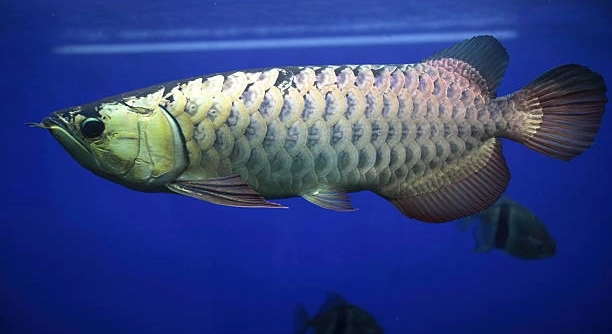
Do you ever notice your arowana swimming close to the tank edges while avoiding the center, leaving a gap in the middle? Many owners find this behavior puzzling and wonder what it might indicate about their fish’s well-being.
Arowanas often avoid the middle of the tank due to stress, territorial instincts, or environmental factors. Inadequate hiding spots, improper water conditions, and excessive tank brightness can cause the fish to feel exposed and seek safer zones.
Understanding these behaviors can help you create a more comfortable and balanced environment for your arowana in the long term.
Common Environmental Factors
Arowanas are sensitive to their surroundings, and the setup of the tank can influence where they choose to swim. Bright lighting, strong water currents, and lack of hiding spots often make the center of the tank uncomfortable. If your tank is placed in a high-traffic area, constant movement around the tank can also cause stress. Uneven substrate or decorations blocking the middle can subtly push the fish toward the edges. Temperature fluctuations may also make the central area less appealing. Observing how your arowana reacts to different areas in the tank can reveal preferences and discomforts that are not immediately obvious. Adjusting these factors can significantly improve the fish’s comfort. Providing smooth surfaces, shaded areas, and consistent water conditions encourages a balanced swimming pattern.
Proper water temperature, light control, and hiding areas can encourage your arowana to explore the tank more evenly.
Monitoring these elements closely helps maintain a healthier environment and reduces stress, leading to a more active and balanced swimming pattern in the tank’s center. Observing the fish’s behavior over time can also reveal specific preferences. Some arowanas favor corners for security, while others gradually adapt to more exposed areas when conditions are adjusted. Consistent water quality, regular filtration, and strategic placement of decorations can make the central area more appealing. Offering plants or floating elements creates shaded regions that provide a sense of security. Adjusting lighting levels and ensuring gentle water movement reduces tension, making the fish feel safe to venture away from edges. These small environmental changes can make a notable difference in behavior.
Health and Stress Considerations
Stress or minor illness can cause arowanas to avoid open areas. Even slight discomfort influences their swimming patterns.
Behavior changes due to poor health often appear subtle at first. An arowana might avoid the middle if it experiences gill irritation, digestive issues, or fin damage. Nutritional deficiencies or improper feeding schedules can weaken the fish, making it less confident to swim in exposed areas. Stress from overcrowding or aggressive tank mates also contributes to edge-preference swimming. Observing physical signs like dull coloration, clamped fins, or rapid gill movement can indicate underlying health concerns. Adjusting feeding routines, monitoring interactions with other fish, and maintaining water quality are essential for recovery.
Ensuring your arowana remains healthy involves regular observation, balanced diet, and stable water conditions. Keeping an eye on subtle changes in swimming habits can prevent small issues from escalating, helping your fish maintain confidence throughout the tank. Simple measures like water testing, partial water changes, and careful selection of tank mates help reduce stress. A well-maintained tank and proper nutrition encourage the arowana to swim freely, including through the central area. By addressing both environmental and health factors, you can create a space where your fish feels secure and active. Regular monitoring also allows early detection of potential problems, ensuring long-term well-being.
Tank Size and Layout
Arowanas need ample space to swim freely. Small tanks limit movement, causing them to stick near edges. Proper layout with open swimming areas encourages balanced movement.
A cramped tank can make an arowana feel confined, leading it to avoid the middle. Decorations, rocks, or plants placed too closely together reduce open space and create barriers. Even if the water quality is ideal, the fish may perceive the central area as risky. Increasing tank size or rearranging decor to allow clear swimming lanes can help the arowana feel secure. Observing how the fish navigates the tank after changes can guide further adjustments. Open areas combined with secure hiding spots create a comfortable balance for the fish.
Spacing decorations along the sides and corners, rather than in the center, gives the arowana a clear path. Adding floating plants or subtle structures in peripheral areas provides security while keeping the middle open. Monitoring swimming patterns after adjustments helps confirm effectiveness. Over time, arowanas adapt to a more open layout, gradually venturing into previously avoided zones. This approach reduces stress and promotes natural behavior, making the tank a healthier environment. Careful planning of tank layout ensures both safety and freedom for the fish.
Social Behavior and Tank Mates
Arowanas can feel threatened by aggressive or overly active tank mates, influencing their swimming habits.
When housed with incompatible fish, arowanas may stay near tank edges to avoid confrontations. Territorial disputes or frequent chasing lead to stress, making the center of the tank less appealing. Even peaceful species can cause unease if the tank is overcrowded. Observing interactions and adjusting tank mates can reduce tension and encourage more confident swimming. Choosing compatible species that occupy different levels or areas of the tank helps maintain balance.
Maintaining a harmonious environment is key for arowanas to explore all areas. Providing sufficient space and monitoring behavior ensures dominance or stress-related issues are minimized. Rearranging decorations can create visual barriers that reduce direct interactions with other fish. Introducing compatible species gradually allows the arowana to adjust without feeling threatened. Reducing stress through careful selection and spacing of tank mates promotes activity throughout the tank, including the center. Over time, calmer conditions support natural swimming behavior, allowing the fish to utilize open areas without fear. Observing ongoing behavior helps ensure a stable, stress-free habitat.
Feeding and Activity Patterns
Arowanas often adjust their swimming based on feeding schedules. They may linger near edges where food is usually placed. Consistent feeding routines help the fish feel secure in exploring the whole tank.
Activity levels also affect swimming behavior. Arowanas that are less active may stay near boundaries to conserve energy or feel protected, especially in unfamiliar or dimly lit tanks.
Water Quality and Maintenance
Poor water quality can make the middle of the tank uncomfortable. Ammonia, nitrite, or nitrate spikes irritate fish, causing them to avoid open areas. Regular water testing and partial changes ensure balanced conditions and reduce stress, allowing more confident swimming.
Observing Behavior Patterns
Tracking daily swimming habits reveals environmental or social triggers. Note when your arowana avoids the center and any patterns related to lighting, feeding, or tank activity.
FAQ
Why does my arowana avoid the middle of the tank?
Arowanas often avoid the middle due to stress, environmental discomfort, or territorial instincts. Bright lighting, strong water currents, and lack of hiding spots can make the center feel exposed. Adjusting tank layout, providing shaded areas, and ensuring stable water conditions encourage the fish to explore more freely.
Can tank size affect my arowana’s swimming behavior?
Yes, small tanks restrict movement, making arowanas stick to edges. They need open swimming areas to feel safe. Rearranging decorations or upgrading to a larger tank helps create clear paths, allowing the fish to navigate confidently through the center.
Do tank mates influence edge-preference swimming?
Aggressive or overly active tank mates can stress arowanas, causing them to stay near boundaries. Even peaceful species may trigger avoidance if the tank is overcrowded. Selecting compatible species and providing visual barriers reduces tension and encourages balanced swimming.
How does feeding location affect their behavior?
Arowanas often stay near edges where food is regularly offered. Inconsistent feeding times or scattered feeding may also make them hesitant to explore the center. Establishing a predictable feeding routine can help them feel secure.
Can water quality cause avoidance of the tank center?
Yes, poor water quality, including high ammonia, nitrite, or nitrate levels, can irritate arowanas, making the center uncomfortable. Regular testing and partial water changes maintain balanced conditions and reduce stress, encouraging the fish to swim freely.
Does lighting impact their swimming pattern?
Bright lighting may make the middle of the tank feel exposed. Providing shaded regions, dimming lights, or using floating plants creates secure zones, prompting the arowana to venture away from edges.
Is stress the main reason arowanas avoid the center?
Stress is a major factor. Environmental stressors, overcrowding, aggressive tank mates, or sudden changes in the tank can cause the fish to seek safer edges. Reducing these stressors improves confidence and promotes natural movement.
How can I encourage my arowana to explore the center?
Create a comfortable environment with open swimming areas, stable water conditions, shaded zones, and minimal disturbances. Gradually rearranging decorations and maintaining compatible tank mates helps the fish adapt to open spaces without feeling threatened.
Do arowanas eventually adapt to swimming in the middle?
With proper adjustments to environment, tank mates, and routine, most arowanas gradually become more comfortable swimming through the center. Observing behavior changes over time confirms if conditions are suitable for confidence and reduced stress.
Are health issues related to avoiding the center?
Yes, illness or discomfort may cause edge-preference swimming. Symptoms like dull coloration, clamped fins, or rapid gill movement indicate potential health concerns. Addressing nutrition, water quality, and overall care supports recovery and normal swimming behavior.
Does tank layout really make a difference?
Absolutely. Placing decorations along the sides or corners, rather than in the center, provides open space while offering security. Floating plants or subtle structures can further reduce stress and encourage exploration. Proper layout supports natural, confident swimming throughout the tank.
Can observing behavior patterns help?
Tracking daily swimming habits helps identify triggers for avoidance. Noting how lighting, feeding, or activity levels affect movement allows targeted adjustments. This observation ensures arowanas feel safe and promotes healthier, more balanced swimming.
What’s the simplest way to reduce center avoidance?
Maintain consistent water conditions, stable lighting, a clear tank layout, compatible tank mates, and predictable feeding routines. Small adjustments over time make the central area more inviting and reduce stress-related avoidance behaviors.
How long does it take for an arowana to adapt?
Adaptation depends on the severity of stressors and environmental changes. Most arowanas respond within a few weeks to a few months when the tank is adjusted carefully, stress is minimized, and their needs are consistently met.
Arowanas are naturally cautious fish, and their tendency to avoid the middle of the tank is often linked to their instinct to feel safe and secure. When the center feels exposed or unfamiliar, they instinctively stay near edges where they perceive protection. This behavior does not necessarily indicate a severe problem but is often a signal that adjustments to the tank environment may be helpful. Factors like lighting, water currents, decorations, and tank placement all influence how comfortable the fish feels. By observing how your arowana moves and reacts to different areas, you can identify what makes it hesitant to swim in the middle. Providing open swimming spaces along with areas to hide can create a sense of balance and safety, allowing your fish to explore more freely over time.
Maintaining water quality is also a crucial aspect of encouraging natural swimming behavior. Arowanas are sensitive to changes in ammonia, nitrite, and nitrate levels, as well as fluctuations in temperature. Even minor inconsistencies can make certain areas of the tank uncomfortable for the fish. Regular testing and partial water changes help maintain stable conditions, which reduces stress and improves confidence. Feeding schedules also play a role, as fish tend to stay near the locations where they regularly receive food. Keeping a predictable feeding routine combined with balanced nutrition supports overall health and energy levels, making the fish more willing to move throughout the tank. Additionally, considering tank mates and social interactions is important. Aggressive or overly active species can intimidate an arowana, encouraging it to stick to edges. Ensuring compatible companions and providing visual barriers or separate zones helps reduce stress and fosters balanced swimming behavior.
Adjustments to tank layout, including decorations and lighting, can make a noticeable difference in your arowana’s comfort. Placing plants, rocks, or structures along the sides and corners rather than the center creates open swimming lanes while still offering a sense of security. Floating plants or shaded areas can also provide cover that encourages exploration without increasing stress. Over time, most arowanas gradually adapt to these changes, venturing into previously avoided areas as they gain confidence. Careful observation and small, consistent modifications are key to achieving this balance. Understanding your fish’s preferences, needs, and natural instincts allows you to provide an environment that supports both physical health and mental well-being. By combining proper tank conditions, social management, and thoughtful layout adjustments, you create a habitat where your arowana can thrive, swim confidently, and utilize the full space of the tank.

Hello,
If you enjoy the content that we create, please consider saying a "Thank You!" by leaving a tip.
Every little bit helps us continue crafting quality advice that supports the health, happiness, and well-being of pets around the world, for pets of all shapes, sizes, and species.
We really appreciate the kindness and support that you show us!