
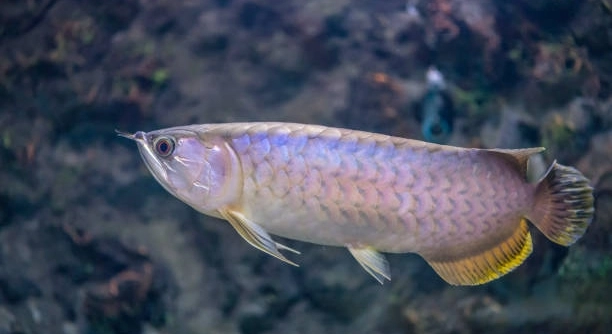
Keeping an Arowana can be a rewarding experience, but it requires consistency to maintain its health and wellbeing. Arowanas thrive in stable conditions, and understanding their needs is key to a harmonious aquarium environment.
Maintaining a routine with your Arowana is essential for its health, growth, and stress management. Consistent feeding times, regular water checks, and a stable environment help prevent illness and encourage natural behavior, ensuring long-term wellbeing.
Establishing a simple daily rhythm benefits both you and your Arowana, making care easier and promoting a thriving aquatic companion.
Understanding Your Arowana’s Natural Behavior
Arowanas are active, curious fish that respond strongly to their environment. Observing their natural habits can help you develop a routine that supports their wellbeing. They tend to be more active during the day, swimming along the tank and exploring. Recognizing these patterns allows you to schedule feeding and cleaning at times when they are least stressed. Additionally, Arowanas are sensitive to sudden changes in lighting, water temperature, and tank layout. A stable environment minimizes stress and reduces the risk of illness. Paying attention to how your Arowana reacts to different conditions, including interactions with other fish, can give you valuable insight into its comfort level. Gradual changes are better than abrupt adjustments, and maintaining consistency helps the fish feel secure. This knowledge forms the foundation for establishing a routine that supports long-term health and natural behavior, making daily care more predictable and manageable.
Establishing consistency reduces stress and helps your Arowana thrive in its environment.
Tracking your Arowana’s behavior over time reveals subtle preferences. Some may prefer feeding near the surface, while others may be more active near the bottom. Noting these tendencies allows you to adapt routines for optimal care. Regular observation also helps detect early signs of illness or discomfort, making interventions easier. Arowanas that feel safe and secure in their tank are more likely to eat consistently and display natural behaviors.
Setting a Feeding Schedule
Consistent feeding times help your Arowana stay healthy and reduce stress.
Feeding your Arowana at the same time daily encourages predictable behavior and supports digestion.
A regular feeding schedule is crucial for maintaining your Arowana’s health. These fish require a diet rich in protein, often including live or frozen foods. Offering meals at consistent times prevents overfeeding and helps regulate their metabolism. A steady routine also allows you to monitor appetite changes, which can indicate health issues early. Feeding too irregularly can stress your fish and impact growth, while consistent timing fosters comfort and trust in their environment. Additionally, maintaining a clean tank while adhering to feeding routines prevents leftover food from polluting the water. By combining proper diet with predictable feeding times, you can create an environment that supports long-term health and reduces the risk of behavioral problems. This structure benefits both the Arowana and the caretaker, making daily maintenance more straightforward and reliable.
Maintaining Water Quality
Regular water changes are essential to keep your Arowana healthy. Stale or dirty water can lead to stress and illness.
Monitoring water parameters like pH, ammonia, nitrite, and nitrate ensures the tank remains safe. Weekly partial water changes prevent harmful buildup and stabilize the environment, helping your Arowana thrive. Consistency in cleaning and testing is key. Using a reliable filtration system alongside routine water changes creates a balanced habitat. Additionally, maintaining water temperature within the recommended range supports metabolism and activity levels. Sudden fluctuations can stress the fish and compromise immune function. Keeping the water clean also reduces algae growth and keeps the tank visually appealing. Observing your Arowana during water changes can provide insight into how it responds to environmental shifts, allowing adjustments as needed.
Clean water prevents disease and helps your fish stay active and healthy every day.
Consistent water maintenance protects your Arowana from common health issues. Poor water conditions can lead to fin rot, swim bladder problems, and susceptibility to infection. A routine of checking water parameters weekly and changing 20–30% of the water ensures toxins do not accumulate. Using dechlorinated water and a proper filter supports a stable ecosystem. Monitoring temperature and maintaining appropriate tank size also contributes to overall wellbeing. Observing behavior during cleaning can alert you to stress or discomfort. Following these steps consistently builds a safe, predictable environment that encourages natural behaviors and reduces stress-related problems, keeping your fish thriving.
Tank Lighting and Environment
Proper lighting helps regulate your Arowana’s natural cycles. Avoid sudden changes to prevent stress.
Lighting should mimic natural day and night cycles, supporting activity and rest periods. A consistent schedule of 10–12 hours of light daily, paired with darkness, helps your fish maintain normal behavior.
Adjusting tank lighting to match natural patterns encourages regular swimming and feeding habits. Bright light during active hours promotes exercise and alertness, while dim or no light at night allows proper rest. Avoid placing the tank in direct sunlight, as this can cause temperature fluctuations and excessive algae growth. Adding decorations and hiding spots creates a sense of security, reducing stress and encouraging exploration. Observing how your Arowana reacts to light changes allows fine-tuning of intensity and duration. A stable environment with controlled lighting supports growth, overall health, and natural behavior patterns.
Handling and Interaction
Limiting handling reduces stress for your Arowana. Excessive contact can cause injury or behavioral changes.
Observing your fish from outside the tank is sufficient. Interaction should focus on consistent feeding and environmental care rather than direct handling.
Consistent Feeding Techniques
Using the same feeding method daily helps your Arowana adjust and reduces stress. Offering food in a predictable way prevents overeating and ensures proper nutrition. Monitoring how your fish responds to different foods allows adjustments without disrupting its routine.
Monitoring Health
Regularly checking your Arowana for signs of illness is important. Look for changes in color, appetite, or behavior to act quickly.
FAQ
How often should I feed my Arowana?
Feeding should occur once or twice daily, depending on age and size. Juvenile Arowanas require more frequent meals, while adults do well with a single feeding. Consistent timing helps regulate digestion and encourages natural behavior. Avoid overfeeding, as leftover food can pollute the tank and stress the fish.
What is the best water temperature for an Arowana?
Arowanas thrive in water between 75°F and 82°F (24°C–28°C). Sudden changes can stress them and affect their immune system. Using a reliable heater and thermometer ensures stable temperature. Consistency in temperature helps maintain regular activity levels and feeding behavior.
How can I tell if my Arowana is stressed?
Signs of stress include clamped fins, erratic swimming, loss of appetite, or hiding excessively. Stress often results from poor water quality, sudden changes in lighting, or frequent handling. Observing your fish daily allows you to notice changes early and adjust care routines accordingly.
How important is water quality for Arowanas?
Water quality is critical. High ammonia, nitrite, or nitrate levels can harm your fish. Regular testing, partial water changes, and proper filtration prevent toxins from building up. Clean water supports natural behavior, healthy growth, and reduces the risk of diseases like fin rot and swim bladder issues.
Can Arowanas live with other fish?
Arowanas are aggressive and territorial, especially as they grow. Tank mates must be carefully chosen, usually large, non-aggressive species. Introducing new fish requires observation to prevent fighting. A properly sized tank with hiding spots reduces stress and improves coexistence.
How long can an Arowana go without food?
Adult Arowanas can survive a few days without food, but this is not ideal. Regular feeding supports growth, health, and routine. Skipping meals occasionally may be tolerated, but consistent feeding helps prevent stress and ensures proper nutrition.
What should I do if my Arowana refuses to eat?
Refusal to eat often indicates stress, poor water quality, illness, or inappropriate food. Check water parameters, tank temperature, and environment. Offering a variety of appropriate foods can help. Monitor behavior closely and consult an aquatic veterinarian if the problem persists.
How often should I clean the tank?
Partial water changes of 20–30% weekly help maintain a stable environment. Cleaning decorations and monitoring the filter prevents buildup of waste and toxins. Consistency in cleaning routines supports long-term health and reduces stress for your Arowana.
Do Arowanas need lighting at night?
No. They require darkness to rest. Maintaining a consistent day-night cycle helps regulate activity, feeding, and rest patterns. Avoid sudden changes or constant artificial light, which can stress the fish and disrupt natural behavior.
What is the best way to introduce a routine?
Start with consistent feeding times, water checks, and lighting. Gradually add maintenance tasks at predictable intervals. Observing your fish’s reactions allows fine-tuning without causing stress. Over time, this creates a stable environment that supports health, behavior, and growth.
How can I prevent diseases in Arowanas?
Routine care, clean water, and a consistent environment are key. Quarantine new fish, avoid overfeeding, and monitor behavior closely. Promptly addressing signs of illness prevents spreading and maintains a healthy tank environment. Preventive care is always easier than treatment.
Are supplements necessary for Arowanas?
Supplements can support health, especially vitamins or minerals missing from the diet. High-quality commercial foods often provide adequate nutrition. Use supplements sparingly and follow guidelines to avoid over-supplementing, which can harm your fish.
How do I know my Arowana is happy?
A healthy, active fish with bright colors and regular feeding habits is generally content. Observing natural swimming, exploring the tank, and interacting with the environment indicates comfort and wellbeing. A predictable routine contributes significantly to happiness and long-term health.
Can I change my Arowana’s routine occasionally?
Small adjustments are fine, but frequent or abrupt changes can cause stress. Gradual modifications in feeding, lighting, or water conditions allow adaptation without negative effects. Stability in daily care remains the most important factor for a thriving Arowana.
This FAQ covers the key aspects of maintaining a healthy routine, keeping water conditions stable, and ensuring proper feeding and care habits. Consistency and observation are the cornerstones of long-term Arowana wellbeing.
Keeping an Arowana can be a fulfilling experience, but it requires consistency and attention to detail. These fish are sensitive to changes in their environment, and establishing a routine helps reduce stress while promoting natural behaviors. Regular feeding, maintaining water quality, and controlling lighting all contribute to a healthy habitat. Observing your Arowana’s behavior allows you to notice subtle changes in appetite or activity, which can be early indicators of health issues. A structured daily schedule not only supports your fish’s wellbeing but also makes caring for them easier and more predictable. Consistency is particularly important for younger Arowanas, as their growth and development rely on a stable environment. By maintaining a predictable routine, you create a sense of security for your fish, which in turn encourages normal swimming patterns, proper feeding habits, and overall physical health.
A reliable routine also simplifies maintenance for you as a caretaker. When feeding, cleaning, and checking water parameters happen at consistent intervals, you are less likely to miss important tasks or overlook signs of stress or illness. Monitoring water quality regularly ensures that ammonia, nitrite, and nitrate levels remain safe, and performing partial water changes prevents the buildup of harmful substances. Keeping the tank clean, maintaining a steady temperature, and providing appropriate lighting schedules all work together to replicate a natural environment. These efforts prevent common issues such as fin rot, swim bladder problems, or behavioral changes caused by stress. Additionally, a routine helps establish predictability in feeding, which reduces food waste and ensures your Arowana receives proper nutrition. Over time, the combination of consistent care and careful observation allows you to respond promptly to changes, keeping your fish healthy and thriving.
Finally, maintaining a routine is not about being rigid but about creating stability for your Arowana. Small adjustments may be necessary, but abrupt changes should be avoided to minimize stress. A predictable routine fosters trust between you and your fish, even if interactions are mostly observational. Healthy, active behavior, vibrant coloration, and regular feeding indicate that your Arowana is comfortable and well-cared for. Paying attention to its needs, establishing regular feeding schedules, and keeping the environment stable all contribute to long-term success. In essence, a routine provides a foundation that ensures your Arowana can live a healthy, active, and stress-free life. With patience, observation, and consistent care, keeping an Arowana becomes a manageable and rewarding experience that benefits both the fish and the caretaker.

Hello,
If you enjoy the content that we create, please consider saying a "Thank You!" by leaving a tip.
Every little bit helps us continue crafting quality advice that supports the health, happiness, and well-being of pets around the world, for pets of all shapes, sizes, and species.
We really appreciate the kindness and support that you show us!