
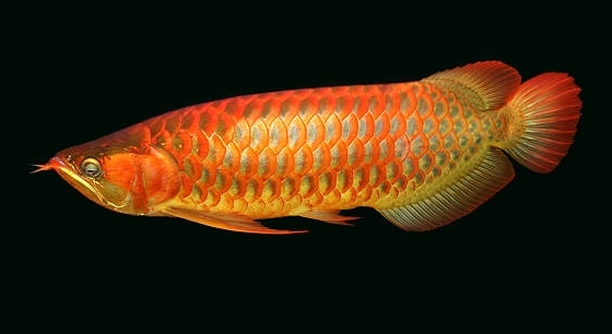
Arowanas are graceful and striking fish that demand careful attention. Many fishkeepers spend hours arranging their tanks, hoping their arowanas feel comfortable and secure in their environment. Observing their behavior can reveal subtle preferences.
Arowanas show their preference for a setup through consistent swimming patterns, feeding behavior, territorial displays, and interactions with tank decor. A well-arranged habitat promotes natural behavior, reduces stress, and supports overall health, reflecting the fish’s comfort and satisfaction.
Noticing these behaviors early can improve your arowana’s wellbeing. Proper setup choices ensure a thriving, balanced environment for these elegant and sensitive fish.
Observing Swimming Patterns
Arowanas tend to explore their tanks in specific ways, and watching how they swim can tell you a lot. They often patrol the tank from top to bottom, moving slowly in areas they enjoy. If your arowana stays near a certain decoration, plant, or open space, it may indicate comfort. Sudden darting or hiding often points to stress. Swimming near the surface consistently can also mean the tank conditions, like oxygen levels, are favorable. Each fish has its unique rhythm, and small changes in movement often signal their preferences. Consistent behavior over days is more telling than occasional bursts of activity. Adjusting tank features slowly helps identify what they like without causing stress. Lighting, water flow, and space all influence swimming patterns. A stable environment encourages natural movement and reduces aggressive or nervous behavior. Observing these subtle cues helps maintain a healthy and happy arowana in your care.
Watching swimming patterns carefully gives insight into your arowana’s comfort level and preferred areas of the tank.
Small adjustments to water flow, tank height, and open spaces can encourage natural swimming behavior and reduce stress, creating a stable environment your arowana enjoys.
Feeding Behavior
Arowanas will react noticeably to feeding routines. They usually show excitement when food is presented, swimming to the surface or following movements. If a fish ignores food, it may indicate discomfort, illness, or dissatisfaction with the tank setup. Feeding at consistent times can establish trust and help observe preferences. Some arowanas favor live food over pellets or frozen options, while others are more flexible. Their approach to food reflects confidence in their surroundings. A shy or hesitant fish may prefer more hiding spaces or calmer water flow. Observing how quickly they eat and whether they chase food aggressively helps gauge satisfaction. Tank decor, lighting, and water temperature can influence appetite. Providing multiple feeding spots may also reveal where your fish feels safest. Gradually testing different feeding setups can highlight preferred areas and conditions. Proper feeding observation ensures nutrition while giving clues about their environmental comfort.
Tracking how your arowana eats over several days allows you to notice consistent preferences, reflecting both diet and setup satisfaction.
Regular observation of feeding behavior helps you adjust the tank environment to encourage active eating, reduce stress, and maintain a healthy, responsive fish that enjoys its space.
Interaction with Tank Decor
Arowanas often show where they feel comfortable through their use of tank decorations. They may swim around plants, logs, or rocks more frequently, avoiding areas that feel exposed or stressful.
Placement of decor affects movement and confidence. Arowanas often circle preferred objects, rest near hiding spots, or glide through open spaces they enjoy. Observing which decorations they approach and which they avoid gives clear clues about comfort. Large decorations can create shade and reduce stress, while open swimming areas allow natural patrolling behavior. Adjusting decor slowly helps determine their favorites without causing agitation. Tracking daily interactions shows consistent patterns. Over time, your arowana may favor certain plants, driftwood, or corners, signaling ideal placement. Properly arranging decor encourages healthy exploration and reduces erratic or nervous movements.
Tank lighting and flow also influence interaction. Arowanas may prefer shaded areas, calm water zones, or sections with gentle currents near preferred decorations, which reflects their overall satisfaction with the setup.
Territorial Displays
Arowanas establish and defend personal space in the tank. These displays include flaring fins, lunging at reflections, or marking specific zones consistently. Observing these behaviors indicates which areas they claim as safe.
Territorial behavior is influenced by tank size, decor arrangement, and the presence of other fish. Arowanas may patrol certain corners or hover near favorite decorations to assert control. Aggression toward reflections or objects often signals a preferred area. Recognizing these spaces allows for optimal placement of hiding spots, feeding zones, and open swimming areas. Properly managing territory reduces stress and promotes natural behavior.
Monitoring their territorial displays over time helps identify patterns that indicate comfort and preference. These patterns are consistent, reflecting zones where the arowana feels secure, confident, and relaxed. Adjusting the tank based on these observations ensures a balanced environment and minimizes conflict with tank mates.
Response to Water Conditions
Arowanas respond quickly to water changes. They may become more active or sluggish depending on temperature, pH, and clarity. Monitoring their behavior after adjustments helps identify ideal conditions for comfort.
Signs like steady swimming, frequent surface visits, or calm hovering indicate the tank’s water is suitable. Sudden hiding or erratic movements suggest stress from unsuitable conditions.
Social Behavior
Arowanas react differently to tank mates, showing preference for space or interaction. They may ignore other fish, follow certain companions, or display aggression. Observing these interactions helps determine compatibility and tank layout adjustments. Properly managing social behavior reduces stress and supports natural activity, reflecting overall satisfaction.
Resting Spots
Arowanas need quiet areas to rest. They often hover near plants, corners, or shaded zones when inactive. Identifying favored resting spots ensures a sense of security and supports healthy daily routines.
How do I know if my arowana prefers its tank setup?
Observing your arowana daily is the best way to understand its preferences. Look at swimming patterns, feeding habits, resting spots, and interactions with decor or tank mates. Comfortable fish move steadily, explore open areas confidently, and engage with decorations naturally. Avoidance, hiding, or erratic behavior may indicate stress or dissatisfaction. Consistency over several days provides the clearest insight into their comfort.
What tank features do arowanas usually prefer?
Arowanas favor tanks that offer both open swimming spaces and shaded areas created by decor. Driftwood, rocks, or tall plants provide shelter and resting spots. Gentle water flow and stable lighting help mimic natural conditions. Large tanks allow patrolling behavior without feeling confined. Decorations should be arranged to create zones rather than clutter, giving the fish options for exploration and retreat. Temperature and pH stability are also crucial for comfort and long-term health.
How important is water quality for arowana preferences?
Water quality directly impacts behavior and wellbeing. Clean, filtered water with appropriate temperature, pH, and oxygen levels allows arowanas to swim confidently and feed regularly. Poor water conditions lead to hiding, lethargy, or aggression. Frequent monitoring and adjustments are essential. Observing changes in behavior after water maintenance shows which parameters are optimal for your fish.
How can feeding behavior indicate comfort?
Active and responsive feeding behavior is a strong sign of a satisfied arowana. Fish that eagerly chase food and explore feeding areas feel secure. Hesitation, refusal, or staying hidden during feeding suggests discomfort or stress. Experimenting with feeding spots, types of food, and timing can reveal preferred areas and routines. Tracking these behaviors consistently provides valuable insight into environmental satisfaction.
Do arowanas show preference through territorial behavior?
Yes, territorial displays reveal favored zones. Arowanas often claim corners, open areas, or spots near decor. They may flare fins, patrol, or assert control over these areas. Recognizing these territories helps adjust decor, feeding areas, and hiding spots to minimize stress and maintain natural behavior. Consistent territorial patterns indicate comfort and confidence.
How do social interactions affect their preferences?
Arowanas respond differently to tank mates, reflecting their sense of security. Aggression, avoidance, or following companions indicates how they feel about other fish. Observing interactions can guide decisions on tank size, number of companions, and decor placement. Arowanas thrive when they have clear space and predictable social conditions, reducing stress and supporting natural behavior.
Can resting spots influence their satisfaction?
Resting spots are vital for arowana wellbeing. Quiet zones, shaded areas, and corners allow the fish to rest without disturbance. Fish that frequently return to specific spots demonstrate preference and comfort. Ensuring multiple resting options in a tank promotes natural routines and reduces stress, improving overall behavior and health.
How often should I adjust the tank setup?
Adjustments should be gradual and infrequent. Sudden changes can stress arowanas, affecting swimming, feeding, and social behavior. Observing responses over days after minor modifications is more effective than frequent rearrangements. Small changes to decor, flow, or lighting reveal preferences without causing anxiety, allowing the fish to adapt naturally and maintain comfort.
Are there signs that indicate arowanas dislike their setup?
Signs of discomfort include hiding constantly, erratic swimming, refusing food, aggression, or repeated attempts to escape. Avoidance of specific tank areas, stress marks, or unusual lethargy also indicate dissatisfaction. Monitoring these behaviors helps identify aspects of the setup that need improvement. Quick intervention can prevent long-term stress and maintain healthy behavior.
How can I create a long-term preferred environment?
A long-term preferred environment combines stable water conditions, thoughtful decor placement, appropriate tank size, and attention to feeding and social behavior. Observing daily routines and adjusting slowly ensures your arowana feels secure. Encouraging natural swimming, resting, and feeding behaviors through careful design results in a thriving, content fish over time.
Final Thoughts
Caring for an arowana requires attention to both its environment and behavior. These fish are sensitive and respond clearly to their surroundings, making observation an essential part of proper care. Paying attention to swimming patterns, feeding habits, territorial displays, and interactions with tank decor gives clear insight into what they prefer. Arowanas that feel comfortable will move confidently through the tank, explore both open and shaded areas, and engage naturally with decorations. Fish that hide frequently, swim erratically, or refuse food are often signaling discomfort or stress. Small, consistent observations over time are far more useful than occasional checks, as they reveal patterns and preferences that might otherwise be missed. Understanding these behaviors allows you to make thoughtful adjustments to their habitat, promoting better health and a more satisfying life for your fish.
Tank setup plays a major role in arowana wellbeing. Providing a balance of open swimming spaces and carefully placed decorations allows the fish to feel secure while still having room to patrol and explore. Driftwood, plants, and rocks create hiding spots and resting areas that reduce stress, while open areas encourage natural movement. Water conditions such as temperature, pH, and oxygen levels directly influence activity and appetite. Observing how your arowana responds to changes in these conditions helps you fine-tune its habitat. Even lighting and gentle water flow contribute to comfort, supporting natural behavior patterns. Adjusting the tank slowly is key; sudden or drastic changes can cause anxiety or even aggressive behavior. Over time, a stable and thoughtfully arranged environment encourages confidence, natural feeding, and overall health.
Understanding social and territorial behavior is also important. Arowanas may claim specific zones in the tank or show varying reactions to companions, reflecting their sense of security. Providing clear spaces and considering compatibility with other fish reduces conflict and stress. Observing resting spots, feeding areas, and favorite decorations offers additional clues about preferences. By consistently monitoring these behaviors and making gradual adjustments, you can create a habitat that aligns with your arowana’s natural instincts. Attention to these details ensures a healthy, active, and content fish, demonstrating the positive results of careful observation and thoughtful tank management.

Hello,
If you enjoy the content that we create, please consider saying a "Thank You!" by leaving a tip.
Every little bit helps us continue crafting quality advice that supports the health, happiness, and well-being of pets around the world, for pets of all shapes, sizes, and species.
We really appreciate the kindness and support that you show us!