
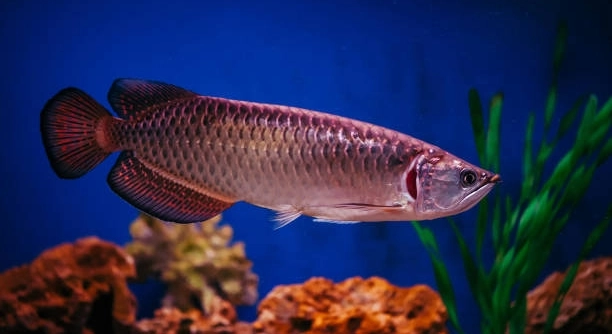
Do you ever find yourself spending hours cleaning and monitoring your arowana tank? Maintaining these majestic fish can feel overwhelming at times, especially when balancing feeding schedules, water quality, and proper filtration.
Using the right tools can significantly simplify arowana maintenance. Essential equipment such as automatic feeders, high-quality water filters, digital water testers, and algae scrapers reduce manual effort, ensure stable water conditions, and promote the overall health and longevity of the fish.
With the proper tools, daily chores become more manageable, giving you more time to enjoy your arowana’s beauty and vitality.
Automatic Feeders
Automatic feeders are one of the simplest ways to keep your arowana on a consistent feeding schedule. They allow you to portion meals accurately and avoid overfeeding, which can lead to poor water quality. With a reliable feeder, you won’t need to worry about forgetting a feeding, and your fish can maintain a steady diet. Many feeders can be programmed to release food multiple times a day, making it convenient for busy schedules. Some models even allow you to adjust portion sizes depending on your fish’s appetite, helping prevent wasted food. They are easy to clean and maintain, ensuring hygiene while reducing the effort you spend manually feeding. Using an automatic feeder consistently also helps your arowana develop regular eating habits, which can improve digestion and overall health, reducing stress caused by irregular feeding times.
Regular feeding keeps your arowana healthier and your tank cleaner. A consistent schedule avoids sudden spikes in water contaminants.
Investing in an automatic feeder is not only practical but also helps your fish thrive. Over time, it reduces daily chores, giving you peace of mind that your arowana is well-fed even when you are away. These devices are adjustable, allowing precise portions that match your fish’s size and appetite. With less manual feeding, your tank remains cleaner, reducing algae growth and water changes. Overall, automatic feeders make daily maintenance easier and more reliable, letting you focus on observing your arowana rather than managing its meals constantly.
Water Filtration Systems
A strong water filtration system keeps your tank clean and maintains stable water conditions. It removes waste, debris, and toxins that can harm your arowana.
High-quality filters also provide necessary water movement, promoting oxygenation essential for your fish’s health.
Using a reliable filter reduces the need for constant water changes. Filters with multiple stages, such as mechanical, chemical, and biological, ensure that water remains clear and safe. Mechanical filtration traps particles, chemical filtration removes harmful substances, and biological filtration encourages beneficial bacteria that break down waste. Regular maintenance of the filter is essential; cleaning sponges, replacing cartridges, and monitoring flow rates prevent clogs and maintain efficiency. Investing in a strong filtration system lowers stress for your arowana by maintaining consistent water parameters, reducing fluctuations in pH, ammonia, and nitrite levels. Over time, this creates a healthier environment, lessens disease risks, and simplifies your daily tank upkeep, making care less time-consuming while ensuring your fish thrive in a stable, clean habitat.
Digital Water Testers
Digital water testers give precise readings of pH, ammonia, nitrate, and other key water parameters. Monitoring these levels helps prevent sudden changes that could stress or harm your arowana.
Using digital testers reduces guesswork and gives immediate results. You can track trends over time and identify problems before they escalate. Many testers are portable and easy to calibrate, providing reliable data without complicated procedures. This accuracy allows you to maintain stable water conditions, which is crucial for arowana health. By checking water daily, you can make small adjustments instead of large, stressful interventions.
Some models offer multiple functions, measuring temperature, hardness, and salinity alongside chemical parameters. This versatility saves space and time, letting you consolidate monitoring tasks. With consistent use, digital testers prevent hidden issues that might affect growth or behavior. They simplify maintenance routines, giving you confidence that your tank remains safe and balanced without constant manual testing or relying on trial and error.
Algae Scrapers
Algae scrapers remove buildup on glass and surfaces, keeping the tank clear and visually appealing. Regular scraping prevents algae from overtaking decorations and plants.
Using a scraper reduces long cleaning sessions and helps maintain water quality by removing excess organic material.
Algae can grow quickly, especially in well-lit tanks. Scrapers come in various sizes and types, such as magnetic models that clean without immersing your hands. Consistent use prevents thick layers that are harder to remove and can stress your fish. By maintaining clean surfaces, your arowana has a healthier environment and clearer view of its surroundings. Scraping also supports filtration systems by minimizing debris accumulation. Overall, it is a simple tool that improves both aesthetics and tank health efficiently.
Gravel Vacuums
Gravel vacuums make cleaning substrate easier by removing uneaten food, waste, and debris. They prevent harmful buildup without disturbing your arowana too much.
Regular vacuuming helps maintain water quality and reduces stress for your fish. It keeps the tank environment cleaner between water changes.
Aquarium Heaters
A reliable aquarium heater maintains a stable temperature essential for arowana health. Sudden fluctuations can stress your fish and affect appetite. A good heater ensures consistent warmth, especially in cooler climates, supporting digestion and metabolism. Using a heater with a thermostat provides accurate control and reduces the risk of overheating. Proper placement and monitoring extend its efficiency and lifespan.
Tank Nets
Tank nets are useful for safely moving your arowana when needed. They help during water changes, tank cleaning, or health checks.
FAQ
What is the best way to feed an arowana?
Feeding should be consistent and balanced. Using live or frozen foods like shrimp, fish, or insects provides essential nutrients. Automatic feeders can help maintain regular schedules and prevent overfeeding, which can lead to poor water quality. Offering small portions multiple times a day is ideal for healthy growth.
How often should I test my tank water?
Daily testing is recommended for parameters like pH, ammonia, and nitrate. Digital water testers provide fast, accurate readings, allowing you to catch fluctuations early. Stable water conditions reduce stress, prevent disease, and support overall arowana health.
Do I need to change the water frequently?
Partial water changes of 20–30% weekly are sufficient when combined with good filtration. This practice removes waste and replenishes minerals while keeping water parameters stable. Large, infrequent changes can shock your fish.
Can algae harm my arowana?
Algae itself is generally not harmful, but excessive growth can indicate water quality issues. Regular scraping prevents thick buildup that reduces light penetration and can interfere with filtration. Keeping algae under control also maintains a cleaner, more visually appealing tank.
Is a heater necessary for arowanas?
Yes. Arowanas are tropical fish and require stable warm temperatures, usually between 75–82°F (24–28°C). Heaters with thermostats maintain consistent temperatures, supporting digestion, metabolism, and overall health. Sudden drops can stress or weaken your fish.
How important is tank size?
Tank size is crucial for growth and well-being. Arowanas can grow large, and cramped spaces cause stress and restrict movement. A minimum of 250 gallons is recommended for adult arowanas. Larger tanks also make maintenance easier and reduce waste accumulation.
Do arowanas need hiding spots?
Providing driftwood, rocks, or large plants helps reduce stress. Hiding spots create a sense of security, allowing your fish to rest and exhibit natural behaviors without feeling exposed. This is especially important in tanks with strong lighting.
How do I prevent overfeeding?
Feed only what your arowana can consume in a few minutes. Overfeeding leads to uneaten food decomposing, which affects water quality. Automatic feeders or measuring portions can help maintain proper diet and reduce maintenance efforts.
What type of filter is best?
A multi-stage filter with mechanical, chemical, and biological filtration is ideal. It removes debris, toxins, and promotes beneficial bacteria growth. Proper filtration reduces water changes, stabilizes parameters, and creates a healthier environment for your arowana.
Can I keep multiple arowanas together?
Adult arowanas are territorial and may fight. If housing more than one, ensure a very large tank and monitor interactions closely. Juveniles may cohabit, but aggression increases with size. Separate tanks may be necessary to prevent injury.
How do I handle arowana health issues?
Observe behavior, appetite, and physical appearance daily. Quarantine sick fish, check water parameters, and consult a veterinarian experienced with tropical fish. Early detection and treatment prevent disease spread and support recovery.
Are accessories necessary for maintenance?
Yes, tools like gravel vacuums, algae scrapers, nets, and digital testers simplify care. They reduce stress on both the fish and the owner while keeping the tank cleaner, safer, and easier to manage. Regular use ensures long-term health and reduces time spent on daily chores.
How can I reduce stress during maintenance?
Perform gentle water changes, avoid sudden movements, and use nets or containers carefully. Keeping consistent routines, stable water parameters, and a calm environment lowers stress and supports overall health. Stress reduction improves feeding behavior and immune response.
Is lighting important for arowanas?
Moderate lighting is sufficient. Too bright or constant light can stress your fish, while proper cycles help regulate natural behavior and tank plants. Use timers for consistency and avoid sudden changes in light intensity.
How do I prepare new water for changes?
Use dechlorinated water at matching temperature and parameters. Sudden differences in pH or temperature can shock arowanas. Mixing small amounts gradually during changes helps acclimate your fish safely and reduces stress.
This FAQ addresses common concerns, giving practical tips to make maintenance easier and ensure arowanas remain healthy and active. Proper tools, consistent routines, and attention to water quality simplify care significantly while supporting your fish’s long-term well-being.
Maintaining an arowana can seem challenging at first, but with the right tools and routines, it becomes much more manageable. Automatic feeders, quality filtration systems, and digital water testers all work together to reduce daily chores while keeping the tank environment stable and healthy. Simple equipment like algae scrapers, gravel vacuums, and tank nets also save time and make regular cleaning easier, preventing waste buildup and water quality problems. When these tools are used consistently, maintaining your arowana requires less effort, and you can focus more on observing your fish and ensuring its well-being. Over time, these practices become part of a straightforward, predictable routine that supports both the fish and the tank ecosystem.
Attention to water quality and temperature is crucial for arowana health. Regular testing using digital testers allows for early detection of changes in pH, ammonia, or nitrate levels, which can be harmful if left unchecked. Heaters help maintain a stable tropical temperature, ensuring the fish stays active and properly nourished. Partial water changes, combined with efficient filtration, remove accumulated waste and toxins while replenishing essential minerals. Together, these measures create a balanced, safe environment that reduces stress and supports growth. By paying attention to these factors and using appropriate tools, you prevent many common problems and reduce the need for emergency interventions, making care simpler and more effective.
Finally, consistent routines and the proper setup provide long-term benefits for both your arowana and your own experience as a caretaker. Providing secure hiding spots, moderate lighting, and proper diet contributes to the overall health and behavior of the fish. Using tools like feeders, filters, and scrapers keeps maintenance tasks manageable and ensures a cleaner, safer tank. Over time, the combination of careful observation, consistent monitoring, and reliable equipment allows your arowana to thrive in a stable environment. By incorporating these practices into daily and weekly routines, maintenance becomes less stressful, your fish remains healthy, and your enjoyment of its beauty increases. Proper planning, attention to detail, and the right tools make caring for an arowana straightforward and rewarding.

Hello,
If you enjoy the content that we create, please consider saying a "Thank You!" by leaving a tip.
Every little bit helps us continue crafting quality advice that supports the health, happiness, and well-being of pets around the world, for pets of all shapes, sizes, and species.
We really appreciate the kindness and support that you show us!