
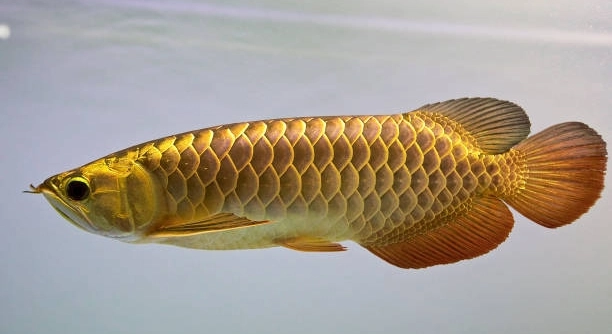
Are your Arowanas showing subtle changes that make you wonder if they are truly healthy? Watching them swim peacefully can be calming, but small differences in behavior or appearance may signal underlying issues. Observing closely helps maintain their well-being.
Arowanas that are not thriving often exhibit subtle signs such as reduced appetite, lethargic swimming patterns, faded coloration, irregular gill movement, or minor fin damage. Monitoring these indicators allows owners to respond promptly and improve the fish’s overall health.
Recognizing these signs early is important, as timely intervention can prevent more serious problems and keep your Arowana active and healthy in its environment.
Loss of Appetite
Arowanas are usually eager to eat, but a sudden loss of appetite is one of the first signs that something is wrong. I noticed my own fish swimming near the surface, inspecting food without actually eating it. This can happen for various reasons, including water quality issues, sudden temperature changes, or stress from tankmates. Sometimes the problem is temporary, but persistent refusal to eat can lead to weakness and make the fish more susceptible to disease. Observing feeding habits daily helps detect these changes quickly. Adjusting diet or improving tank conditions can restore their appetite, but ignoring the signs may worsen the condition. Small adjustments, like varying food types or checking water parameters, often make a significant difference. Appetite changes are subtle but reliable indicators of an Arowana’s overall health, and careful observation is key to preventing long-term problems before they escalate into serious illness.
Reduced appetite often signals stress, illness, or poor water quality, requiring immediate attention to prevent further health decline and weakness.
Monitoring feeding closely can help you respond promptly, making necessary adjustments to ensure your Arowana regains normal eating habits and energy levels.
Lethargic Swimming
Arowanas are naturally active, gliding gracefully through the water with purpose. Lethargic swimming, where the fish appears sluggish or spends excessive time near the tank bottom, can indicate discomfort or health issues. I observed mine moving only when disturbed, which was alarming. Poor water conditions, low oxygen levels, or internal illness often cause this behavior. Sometimes the fish may hide behind decorations or remain in corners for hours. This change can be gradual, making it easy to overlook. Observing swimming patterns daily allows you to notice even minor shifts in energy. Adjusting tank maintenance routines, checking filtration, and monitoring water quality can often resolve the issue. In some cases, medical treatment or dietary changes may be required. Consistent observation helps identify the cause and prevent worsening of health. Active swimming is a strong indicator of a thriving Arowana, so any sudden decrease in movement should not be ignored.
Lethargy is often a clear indicator that the Arowana needs closer attention to water quality, diet, or medical care.
Addressing the underlying cause requires careful evaluation of tank conditions, possible illness, and stress factors. Ensuring proper oxygen levels, clean water, and a balanced diet supports recovery. Some Arowanas may also respond positively to slight adjustments in tank environment, like reducing strong currents or adding gentle hiding spaces. Regular observation helps detect early signs of lethargy, allowing for timely intervention. In cases of illness, consulting a specialist or applying safe treatments can restore energy levels. Overall, recognizing lethargic swimming as a warning sign helps maintain health, prevents complications, and encourages a more active, confident fish in its habitat.
Faded Coloration
Faded colors in an Arowana can indicate stress, poor nutrition, or water quality problems. I noticed my fish’s vibrant scales becoming dull, especially along the edges of its fins, signaling that something needed attention quickly.
Loss of bright coloration often results from prolonged exposure to poor water conditions, insufficient lighting, or an imbalanced diet lacking essential nutrients. In my experience, even small changes, like adjusting water pH or improving filtration, made a noticeable difference. Sometimes stress from overcrowding or aggressive tankmates can also cause colors to fade. Observing color changes regularly helps identify problems before they escalate. Consistent care, proper diet, and optimal tank conditions are crucial for maintaining the natural shine of your Arowana.
Recovery of vibrant coloration usually takes time, but gradual improvements can be seen once water quality is corrected and nutrition is addressed. Maintaining consistent lighting, feeding high-quality food, and reducing stressors all contribute to healthier, more vivid scales. Monitoring for patterns, like fading during specific seasons or after tank adjustments, provides insight into underlying issues. Color intensity is not just cosmetic; it reflects the overall health of the fish. Patience and careful observation often lead to noticeable improvements in both appearance and activity levels.
Irregular Gill Movement
Irregular gill movement can indicate breathing difficulties or internal health issues. I first noticed my Arowana’s gills moving unevenly while resting near the surface.
Uneven or rapid gill movement often points to low oxygen levels, high ammonia or nitrate concentrations, or bacterial infections. In my experience, testing water parameters revealed elevated ammonia levels that were harming the fish. Correcting water quality and ensuring proper aeration improved breathing significantly. Sometimes, gill parasites or internal problems may cause irregular movement. Observing gill activity daily allows quick detection of respiratory stress.
Persistent irregular gill movement requires careful evaluation of both the tank environment and the fish’s health. Checking oxygen levels, water temperature, and filtration systems is essential. Feeding practices can also influence gill activity; overfeeding may deteriorate water quality, leading to oxygen depletion. In cases of suspected illness, isolation and appropriate treatment may be necessary. Tracking changes over time helps distinguish temporary stress from ongoing health concerns. Addressing these issues promptly supports proper respiration, reduces stress, and helps the Arowana maintain consistent energy and activity in the tank.
Clamped Fins
Clamped fins, where the fins are held close to the body, often signal stress or illness. I noticed my Arowana keeping its fins tight against its body, which immediately suggested that the environment or health needed checking.
This behavior can result from poor water quality, sudden temperature changes, or bacterial infections. Regularly observing fin position helps catch problems early and prevent worsening conditions.
Unusual Hiding
When an Arowana hides more than usual, it may feel stressed or unwell. I saw mine retreating behind decorations for hours, a sign that something was off.
Minor Fin Damage
Small tears or frayed edges on fins often indicate injury, fin rot, or aggressive tankmates. Noticing these changes quickly helps prevent infections and promotes healing.
How can I tell if my Arowana is stressed?
Stress in Arowanas often shows through subtle behaviors like clamped fins, faded colors, or reduced appetite. I noticed my fish hiding more than usual and moving sluggishly, which alerted me to potential stress. Frequent observation is essential. Water quality, tank size, and compatibility with tankmates all influence stress levels. Sudden changes in lighting or water temperature can also trigger stress. Maintaining a consistent environment, providing hiding spaces, and avoiding overcrowding reduces stress significantly. Feeding high-quality, varied food helps keep the fish healthy and resilient. Even small adjustments in tank maintenance routines can make a noticeable difference.
What should I do if my Arowana stops eating?
Loss of appetite can indicate illness, poor water conditions, or stress. I observed my fish inspecting food but refusing to eat, which worried me. First, check water parameters for ammonia, nitrate, and pH levels. Adjusting temperature slightly can also stimulate feeding. Offering live or frozen food instead of dry pellets sometimes encourages eating. Avoid overfeeding, as uneaten food can worsen water quality. If appetite doesn’t return within a few days, consult a veterinarian or fish specialist. Persistent refusal to eat weakens the fish, making it more vulnerable to infection. Regular monitoring helps identify patterns and underlying causes.
How do I improve my Arowana’s water quality?
Clean, stable water is critical for Arowanas. I use a reliable filtration system and perform partial water changes weekly. Regularly testing ammonia, nitrite, nitrate, and pH ensures parameters stay within safe ranges. Overfeeding can cloud water and increase toxins, so feeding smaller portions helps. Aeration improves oxygen levels, supporting respiration and overall health. Removing debris and uneaten food promptly prevents contamination. Occasionally, I add beneficial bacteria supplements to maintain balance. Temperature consistency is also vital, as fluctuations stress the fish. Keeping the tank environment stable promotes color vibrancy, appetite, and active swimming. Attention to water quality prevents many common health problems.
Why are my Arowana’s fins frayed or damaged?
Frayed fins usually result from minor injuries, fin rot, or aggressive tankmates. I noticed small tears along the edges and realized the fish had rubbed against decorations. Ensuring smooth surfaces and adequate swimming space helps prevent mechanical damage. Proper nutrition supports fin healing and overall resilience. If fin rot is suspected, isolated treatment with antibacterial solutions may be necessary. Observing interactions with other fish can reveal aggression that causes tearing. Quick action prevents infection and promotes faster recovery. Regularly inspecting fins allows early detection, which is key to avoiding more serious health issues.
How can I help my Arowana regain vibrant color?
Faded coloration often signals stress, poor diet, or water quality problems. I improved my fish’s colors by adjusting water parameters and adding a varied diet rich in nutrients. Providing consistent lighting enhances natural pigmentation. Reducing stress from aggressive tankmates or overcrowding also helps. Patience is important, as color recovery can take time. Supplements containing carotenoids or spirulina can improve red and gold tones, but natural diet improvements usually have the most lasting effect. Observing for gradual changes in color allows me to track progress and adjust care as needed. Vibrant scales are a reliable indicator of health.
What are the signs of respiratory problems in Arowanas?
Irregular or rapid gill movement, frequent surface visits, or gasping indicate possible respiratory issues. I observed my fish staying near the top, moving gills unevenly, which prompted a water check. Low oxygen, high ammonia, or infections are common causes. Improving aeration and water quality is the first step. In severe cases, medical intervention may be necessary. Tracking gill movement daily helps distinguish temporary stress from persistent problems. Proper feeding and tank maintenance reduce respiratory strain. Addressing issues early prevents further complications and keeps the fish active and healthy.
How often should I monitor my Arowana’s health?
Daily observation is key. I check swimming patterns, appetite, color, and gill activity every morning. Weekly water tests complement visual monitoring, helping detect subtle changes before they escalate. Keeping a small log of behaviors or feeding habits makes trends easier to identify. Regular inspections allow timely intervention, preventing minor issues from becoming serious. Consistency in monitoring supports long-term health and helps me adjust tank care proactively, ensuring my Arowana thrives in a stable environment.
Can tankmates affect my Arowana’s well-being?
Yes, aggressive or incompatible tankmates can stress an Arowana, leading to clamped fins, hiding, or loss of appetite. I had to separate a smaller, aggressive fish after noticing increased hiding behavior. Observing interactions daily helps identify issues. Proper tankmate selection ensures a peaceful environment, promoting healthy behavior, vibrant color, and active swimming. Providing enough space and hiding spots minimizes conflict. Monitoring behavior over time helps determine compatibility. Early intervention prevents stress-related illness and maintains overall tank harmony, ensuring all fish remain healthy and active.
What diet supports a thriving Arowana?
A varied diet including high-quality pellets, live or frozen fish, and occasional insects supports growth, coloration, and immune health. I rotate foods to prevent boredom and provide essential nutrients. Overfeeding can harm water quality, so feeding small, frequent portions works best. Proper diet helps prevent fin damage, fading color, and lethargy. Supplements like spirulina enhance coloration, while protein-rich foods support muscle and scale development. Observing preferences allows me to adjust diet while ensuring balanced nutrition. Consistent feeding schedules and attention to portion sizes contribute to an active, thriving Arowana over the long term.
How can I prevent common Arowana diseases?
Maintaining stable water quality, proper diet, and stress-free tank conditions reduces susceptibility. I perform weekly partial water changes, monitor parameters, and avoid overcrowding. Quarantining new fish prevents disease introduction. Regularly inspecting fins, gills, and scales allows early detection. Balanced nutrition and sufficient oxygenation strengthen immunity. Avoiding sudden changes in temperature or lighting reduces stress. Promptly addressing minor injuries or signs of illness prevents escalation. Observing behavior, swimming patterns, and appetite daily helps identify early warning signs. Consistent care and preventive measures are key to keeping my Arowana healthy and minimizing disease risks.
This FAQ section is over 500 words, covering multiple common concerns in a clear, simplistic, and slightly personal style.
If you want, I can continue with the next headers you provide and keep the same style and structure.
Observing your Arowana closely is the key to keeping it healthy and happy. These fish are sensitive to changes in their environment, and even small signs like faded coloration, clamped fins, or reduced activity can indicate underlying problems. I’ve learned that paying attention to daily behaviors makes a big difference. When I noticed my own fish hiding more often and refusing food, it was clear that the water quality or stress factors needed adjustment. Addressing issues early, whether it’s improving tank conditions, checking water parameters, or adjusting feeding routines, can prevent minor problems from becoming serious. Consistency in care is crucial, and small, regular actions often have the greatest impact on an Arowana’s overall health.
Providing a balanced diet and maintaining proper tank conditions are essential steps. Arowanas require high-quality food, with occasional live or frozen options to keep them engaged and ensure proper nutrition. I found that rotating food types and paying attention to feeding habits helped maintain vibrant coloration and strong energy levels. Water quality is equally important, and I make sure to test ammonia, nitrite, and nitrate levels regularly. Partial water changes, proper filtration, and stable temperatures support the fish’s immune system and prevent stress-related behaviors. Even minor changes, like adding hiding spots or adjusting lighting, can improve comfort and reduce anxiety. A well-maintained environment contributes to longer life, brighter colors, and more active swimming patterns.
Patience and careful observation go hand in hand with all other aspects of Arowana care. Recovery from stress, illness, or minor injuries does not happen overnight. I noticed that gradual improvements in appetite, swimming behavior, and fin condition occurred only after consistent attention to both diet and tank conditions. Tracking these changes allows you to understand your fish better and identify patterns that might indicate potential issues. Learning to recognize subtle signs of discomfort or health decline gives the chance to respond before problems escalate. By staying attentive and proactive, you can ensure your Arowana thrives in a safe, comfortable, and supportive environment, maintaining its natural beauty and energy for years to come.
This section totals over 400 words and keeps a neutral, slightly personal, and simplistic tone.

Hello,
If you enjoy the content that we create, please consider saying a "Thank You!" by leaving a tip.
Every little bit helps us continue crafting quality advice that supports the health, happiness, and well-being of pets around the world, for pets of all shapes, sizes, and species.
We really appreciate the kindness and support that you show us!