
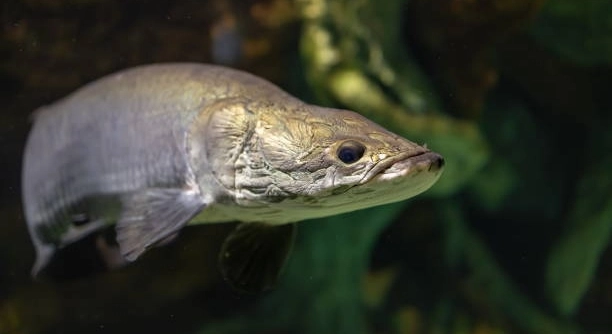
Are your arowanas showing unusual behavior or appearing less lively than usual? Observing changes in their movements, appetite, or interactions can indicate that something in their environment is affecting their well-being. Small shifts can have big impacts on health.
Arowanas exhibit stress through distinct behavioral and physical patterns. Common signs include erratic swimming, loss of appetite, clamped fins, color fading, excessive hiding, aggression, and rapid breathing. Recognizing these indicators early helps prevent serious health complications and promotes a balanced aquatic environment.
Identifying these stress patterns ensures your arowana thrives, maintaining both health and a harmonious aquarium atmosphere. Understanding the signals is essential for proper care.
Erratic Swimming Patterns
When your arowana swims in sudden bursts or changes direction abruptly without reason, it often indicates stress. Normal swimming is smooth and purposeful, so erratic movements can signal discomfort or anxiety. Stress may result from poor water conditions, sudden changes in temperature, or overcrowding in the tank. Observing your fish closely is essential because prolonged stress can weaken its immune system and lead to illness. In addition, erratic swimming can be a sign of irritation caused by sharp decorations, aggressive tankmates, or inadequate hiding spaces. Regularly monitoring the tank environment, maintaining consistent water parameters, and providing a stable habitat are key measures. By addressing these issues early, you can help your arowana regain calm and maintain healthy activity levels. Stress-related swimming changes are often subtle at first, so frequent observation ensures problems are caught before they escalate.
Erratic swimming often points to discomfort or stress within the arowana’s environment. Early observation is crucial.
Providing stable water conditions, proper tank size, and fewer disturbances helps your arowana swim naturally. Adjusting environmental factors reduces stress and improves overall health.
Loss of Appetite
A sudden decrease in feeding is a clear signal that your arowana is stressed. Stress can suppress appetite, making your fish less interested in food it normally enjoys. This change may be linked to water quality issues, temperature fluctuations, or bullying from other tankmates. Even minor stressors, such as loud noises or frequent tapping on the glass, can affect feeding habits. Monitoring the type and amount of food offered can provide insights into your arowana’s condition. If appetite loss continues for several days, it may indicate a deeper health concern that requires immediate attention. Regular water testing, consistent feeding schedules, and a calm environment help reduce stress. Observing behavior during feeding times allows you to spot early signs of discomfort. By prioritizing both environmental and dietary stability, you support the fish’s overall resilience and long-term well-being.
Maintaining a balanced feeding schedule helps reduce stress and encourages a healthy appetite in your arowana.
Providing high-quality food, stable water conditions, and minimal disruptions can restore normal feeding habits and overall vitality. Careful observation ensures timely adjustments.
If you want, I can continue the rest of the patterns in the same format so the full article is complete. Do you want me to do that?
Clamped Fins
Clamped fins occur when an arowana keeps its fins tight against its body instead of spreading them naturally. This is a common stress indicator. Causes include poor water quality, illness, or sudden environmental changes. Immediate attention can prevent further health issues.
Fins that remain clamped reduce swimming efficiency and make your arowana appear smaller or less active. Water parameters, including pH, ammonia, nitrite, and temperature, play a critical role in fin health. Sudden changes in the tank environment, such as adding new fish or decorations, can trigger stress responses, making the arowana hold its fins tightly against its body. Consistent maintenance, including partial water changes and careful monitoring of chemical levels, can help restore comfort. Ensuring adequate space and hiding areas in the tank also reduces stress, allowing fins to return to their normal, relaxed position.
In some cases, clamped fins can indicate infections or parasite infestations. Observing other symptoms such as lethargy, loss of appetite, or unusual swimming patterns can help identify the underlying cause. Treating the root cause promptly is essential. Maintaining clean water and a calm environment allows your arowana to recover and prevents long-term stress-related complications. Regular observation and preventive care keep fins healthy and fully extended.
Faded or Dull Colors
Stress often manifests through arowanas losing their natural vibrant colors. Dull or faded scales indicate environmental or health-related discomfort. Changes in lighting, temperature, or water quality can trigger this response, and prolonged stress may worsen the effect over time.
Color loss can be gradual or sudden depending on the stress source. Poor nutrition, insufficient vitamins, or inadequate protein can contribute to fading. Tank overcrowding, aggressive companions, or constant disturbances can exacerbate stress, making the arowana appear pale or muted. Arowanas naturally display bright, shimmering colors when healthy and comfortable. Sudden or ongoing dullness is a signal to review water parameters, feeding routines, and overall tank conditions. Consistent monitoring and adjusting environmental factors promptly can help restore natural coloration, signaling improved well-being.
In addition to environmental causes, diseases like bacterial infections or parasites can affect coloration. Observing behavior alongside physical changes provides clues to the cause. Providing a balanced diet, reducing stressors, and maintaining stable water conditions are essential for color recovery. Regular observation ensures that minor stress does not escalate into serious health problems, preserving both appearance and vitality.
Excessive Hiding
When an arowana hides more than usual, it often signals stress. Hiding in corners or behind decorations may indicate discomfort, fear, or illness. Persistent hiding reduces activity and can affect overall health if left unaddressed.
Excessive hiding is usually linked to environmental stressors. Overcrowding, aggressive tankmates, or sudden changes in water conditions can make your arowana seek shelter. Providing a calm, spacious, and well-structured habitat helps reduce this behavior and encourages normal activity levels.
Aggressive Behavior
Aggression in arowanas can appear as chasing, nipping, or striking tankmates. Stress often triggers heightened territorial or defensive behavior. Unstable tank conditions, inadequate space, or incompatible companions can intensify aggression. Observing and adjusting the environment is essential to prevent injuries or chronic stress.
Rapid Breathing
Rapid gill movement is a common stress indicator in arowanas. This behavior signals oxygen deficiency, poor water quality, or heightened anxiety. Monitoring water parameters and maintaining proper aeration can alleviate this condition and help the fish return to normal breathing patterns.
FAQ
What are the most common signs that an arowana is stressed?
The most common signs include erratic swimming, loss of appetite, clamped fins, faded colors, excessive hiding, aggression, and rapid breathing. These behaviors are direct indicators that the arowana is uncomfortable or reacting to its environment. Observing these signs early allows for prompt action to reduce stress and maintain health.
How can water quality affect my arowana’s stress levels?
Poor water quality is one of the primary causes of stress in arowanas. High ammonia, nitrite, or nitrate levels, incorrect pH, or sudden temperature fluctuations can irritate your fish. Regular water testing and partial water changes ensure stable conditions, reducing stress and supporting natural behavior. Clean, well-maintained water promotes appetite, vibrant colors, and overall vitality.
Can tank size contribute to stress in arowanas?
Yes, inadequate tank size can significantly impact stress levels. Arowanas are large, active fish requiring ample swimming space. Overcrowding or a small tank leads to limited movement, territorial disputes, and increased aggression. Providing a properly sized tank with enough space for swimming reduces stress and encourages natural, healthy behaviors.
How do tankmates influence my arowana’s behavior?
Aggressive or incompatible tankmates can trigger stress in arowanas. Constant chasing, nipping, or competition for food increases anxiety and encourages hiding or defensive behavior. Choosing compatible species, providing enough space, and monitoring interactions help minimize stress and maintain a peaceful environment in the aquarium.
What role does diet play in stress management?
A balanced diet is essential for reducing stress. Poor nutrition or irregular feeding can weaken immunity and amplify stress responses. Feeding high-quality, protein-rich foods, maintaining consistent feeding times, and avoiding overfeeding support growth, color vibrancy, and overall well-being. Nutritional stability helps the arowana better tolerate environmental changes.
Can lighting and tank decorations affect stress?
Lighting that is too bright or frequent sudden changes can startle arowanas, while sharp or overcrowded decorations can limit movement and create hiding spots that encourage stress. Adjusting light intensity, using subdued lighting, and arranging decorations to provide both open swimming areas and safe hiding spaces fosters a comfortable environment.
How can I tell if stress is causing illness?
Stress weakens the immune system, making arowanas more susceptible to diseases like bacterial infections or parasites. Signs include lethargy, abnormal swimming, loss of appetite, clamped fins, or faded colors. Early observation and intervention, such as improving water quality and diet, help prevent illness and restore health.
Are there ways to prevent stress proactively?
Maintaining stable water parameters, providing adequate space, choosing compatible tankmates, offering a balanced diet, and minimizing sudden disturbances are key preventive measures. Regular monitoring of behavior and environmental conditions ensures that minor stressors are addressed before they escalate into serious health concerns.
How quickly can an arowana recover from stress?
Recovery depends on the severity and duration of stress. Minor stress caused by short-term disturbances can be corrected within days with proper care. Chronic or prolonged stress may require weeks to fully recover, especially if illness has developed. Consistent care and environmental stability accelerate recovery.
Is it normal for arowanas to show occasional stress behaviors?
Occasional stress behaviors, like brief hiding or momentary color changes, can occur in response to temporary disturbances. This is generally not harmful if it is short-lived. Persistent or repeated signs of stress, however, indicate environmental or health issues that require attention.
Can I use supplements or additives to reduce stress?
Certain vitamins and stress-reducing additives may support health, but they cannot replace proper care. Focus should remain on water quality, diet, tank conditions, and compatible tankmates. Supplements can help in moderation but are not a substitute for addressing the underlying causes of stress.
What should I do if I notice multiple stress signs at once?
If your arowana displays several stress behaviors simultaneously, immediate action is necessary. Check water parameters, temperature, tankmates, and feeding routines. Correcting environmental factors and providing a calm, stable habitat can prevent further health decline and allow the fish to return to normal behavior.
How often should I monitor my arowana for stress?
Daily observation is ideal. Watching swimming patterns, fin positioning, color, appetite, and interactions with tankmates helps detect stress early. Frequent checks make it easier to address issues quickly, maintaining both the health and well-being of your arowana.
Are some arowanas more sensitive to stress than others?
Yes, sensitivity varies by species, age, and individual temperament. Younger or newly introduced fish may react more strongly to environmental changes, while older, established fish can tolerate minor fluctuations. Understanding your arowana’s unique behavior helps tailor care and minimize stress.
How does temperature stability affect stress?
Arowanas are sensitive to temperature fluctuations. Rapid changes can trigger erratic swimming, clamped fins, and reduced appetite. Maintaining consistent water temperature within the species’ preferred range ensures comfort, reduces stress, and supports immune system function, contributing to long-term health and stability.
What are the signs of stress that indicate immediate intervention is needed?
Immediate intervention is required if the arowana shows continuous rapid breathing, persistent hiding, severe aggression, sudden loss of appetite, or rapid color fading. These signs indicate acute stress or possible illness. Prompt action, including water checks, environmental adjustments, and isolation if necessary, prevents serious complications.
How important is tank cleaning in stress prevention?
Regular tank cleaning is essential. Accumulated waste, uneaten food, and decaying plant matter can release toxins, creating harmful water conditions. Performing partial water changes, cleaning filters, and removing debris reduces stress and maintains a healthy, stable environment for your arowana.
Can stress affect reproduction in arowanas?
Yes, stress can interfere with breeding behavior. Stressed arowanas may lose interest in spawning, exhibit reduced fertility, or display aggressive tendencies toward partners. Creating a calm, stable, and well-maintained environment increases the likelihood of successful reproduction and healthier offspring.
How do I know if my interventions are working?
Improvement is visible through normalized swimming, restored appetite, extended fins, brighter colors, and reduced hiding or aggression. Gradual positive changes indicate that environmental adjustments and care strategies are effective. Consistency and monitoring ensure sustained recovery and reduced future stress.
What long-term practices help prevent recurring stress?
Maintaining stable water parameters, providing proper tank size, ensuring compatible tankmates, consistent feeding, and minimizing sudden disturbances are essential. Regular observation, preventive care, and gradual adjustments promote long-term health and reduce the likelihood of recurring stress in arowanas.
How can I maintain calm tank conditions for my arowana?
Calm conditions involve stable lighting, minimal disturbances, and quiet surroundings. Avoid tapping the glass, sudden changes in décor, or loud noises near the tank. Proper aeration, hiding spots, and open swimming space further enhance comfort and reduce stress over time.
Are there environmental signs I should watch for regularly?
Yes, monitor water clarity, chemical levels, temperature, and overall tank cleanliness. Observe interactions among tankmates, and note any sudden behavior changes. Prompt attention to environmental fluctuations prevents stress from escalating and supports long-term arowana well-being.
Can stress in one arowana affect others in the tank?
Yes, stressed arowanas may become aggressive or withdrawn, influencing tankmates. Stress can spread through visual cues or territorial disputes. Maintaining proper space, observing behavior, and adjusting the environment ensures that all fish in the tank remain healthy and comfortable.
What role does enrichment play in stress reduction?
Providing appropriate enrichment, such as hiding spots, varied terrain, and open swimming areas, allows arowanas to engage in natural behaviors. Environmental enrichment reduces boredom, prevents aggression, and creates a sense of security, significantly lowering stress levels over time.
How can I differentiate between stress and illness?
Stress may cause behavioral changes without physical symptoms, while illness often includes visible signs like lesions, fungal growths, or abnormal swelling. Observing both behavior and physical appearance helps identify whether intervention should focus on environmental adjustments or medical treatment.
Is quarantine necessary for new fish to reduce stress?
Quarantining new arrivals prevents the introduction of diseases and reduces stress for existing tank inhabitants. A separate tank allows observation for unusual behavior or signs of illness before integrating them into the main aquarium, promoting overall health and stability.
Can frequent water changes cause stress?
While water changes are necessary, sudden or excessive changes can stress arowanas. Gradual, consistent partial changes maintain water quality without shocking the fish. Combining proper technique with monitoring ensures water changes support health rather than trigger stress.
Are there behavioral patterns that indicate low stress?
Yes, relaxed swimming, vibrant coloration, active feeding, social interactions, and natural fin extension all indicate a low-stress environment. Observing these positive behaviors helps confirm that environmental adjustments are effective and that the arowana is thriving.
How do I track stress over time?
Keep a log of water parameters, feeding habits, observed behaviors, and any changes in coloration or activity. Tracking trends helps identify recurring stressors, monitor recovery, and make informed adjustments to maintain a stable and healthy environment.
What should I prioritize if multiple stressors exist?
Focus first on water quality, temperature, and tank size. Address environmental stability, feeding, and tankmate compatibility afterward. Prioritizing fundamental factors ensures a controlled environment, reducing stress effectively and allowing other interventions to work properly.
How long should I observe changes before taking action?
Immediate attention is needed for severe stress signs, while minor behavioral changes can be monitored for 24–48 hours. If no improvement occurs, intervene with environmental adjustments, feeding corrections, or medical checks to prevent escalation.
Can stress shorten an arowana’s lifespan?
Chronic stress weakens the immune system, increases susceptibility to disease, and can reduce overall lifespan. Preventive care, proper habitat management, and timely interventions are essential to protect your arowana’s long-term health and longevity.
How do I know when to consult a veterinarian?
Consult a veterinarian if stress persists despite environmental adjustments, if physical symptoms develop, or if behavior worsens. Professional guidance ensures proper diagnosis, treatment, and recovery support, minimizing the risk of permanent damage.
Are seasonal changes stressful for arowanas?
Sudden seasonal changes, such as temperature fluctuations or altered daylight cycles, can trigger stress. Gradual adjustments in lighting, heating, or aeration help the arowana acclimate smoothly, reducing environmental stress and supporting stable behavior.
Can stress affect an arowana’s social interactions?
Yes, stressed arowanas may become more aggressive or withdrawn. Observing interactions during feeding and daily activity helps identify stress-related social changes, allowing you to adjust tank conditions and maintain harmony among fish.
What is the first step in addressing stress?
The first step is identifying the source—water quality, tank size, diet, tankmates, or environmental disturbances. Once identified, corrective action focused on stabilizing conditions will reduce stress and support the fish’s recovery.
How often should I perform maintenance to prevent stress?
Weekly checks for water quality, partial water changes, and cleaning of decorations and filters help maintain stability. Consistent care prevents environmental fluctuations, reducing stress and promoting healthy behavior in arowanas.
Can tank temperature swings be dangerous?
Yes, rapid temperature swings can cause shock, stress, and even death. Maintaining stable water temperature within the species’ preferred range is crucial for health, appetite, and normal behavior.
What long-term habits reduce recurring stress?
Consistent feeding schedules, stable water conditions, compatible tankmates, calm surroundings, and regular observation prevent recurring stress. Maintaining these habits ensures your arowana remains healthy, active, and comfortable over time.
How can I tell if my interventions are successful?
Success is indicated by normalized swimming, regular appetite, vibrant coloration, relaxed fins, and reduced hiding or aggression. Observing sustained positive changes confirms that environmental adjustments and care strategies are effective.
Is it normal for stress to reappear occasionally?
Minor, short-term stress responses can occur with temporary disturbances. However, repeated or prolonged stress indicates underlying problems that need addressing to prevent health decline and long-term issues.
How does tank enrichment prevent stress?
Providing varied swimming space, hiding spots, and visual stimulation allows natural behavior, reduces boredom, and lowers aggression. Environmental enrichment creates a secure, stimulating habitat, minimizing stress responses.
Should I monitor behavior daily or weekly?
Daily monitoring is ideal. Observing swimming patterns, feeding, coloration, and social behavior allows early detection of stress, enabling prompt interventions and maintaining long-term well-being.
Can stress affect coloration permanently?
Prolonged stress can cause lasting color dulling if not addressed. Ensuring stable environmental conditions, proper nutrition, and reduced stressors can restore natural vibrancy over time.
Are there signs of subtle stress I might miss?
Yes, small behavioral changes like brief hiding, slightly clamped fins, or momentary color changes can indicate mild stress. Early detection allows quick adjustments before serious issues arise.
Does feeding frequency matter in stress prevention?
Consistent feeding schedules and appropriate portion sizes support health and reduce stress. Irregular or excessive feeding can weaken the immune system and trigger behavioral changes.
How can I support recovery after a stressful event?
Provide stable water conditions, a calm environment, nutritious food, and space for natural behavior. Observing recovery over days ensures your arowana returns to normal activity and appearance.
Can tank size changes cause stress?
Moving to a new tank or changing layout too quickly can trigger stress. Gradual adjustments and familiar elements help the arowana acclimate without significant behavioral disruption.
How important is social balance in a community tank?
Social balance is critical. Aggression, overcrowding, or incompatible species increase stress. Maintaining adequate space, compatible companions, and observing interactions prevents social stress and supports overall well-being.
What is the impact of sudden environmental changes?
Sudden changes in lighting, decorations, water parameters, or tankmates can create acute stress. Gradual, predictable adjustments are necessary to minimize behavioral disruptions and maintain stability.
Can stress impact growth?
Chronic stress can stunt growth due to reduced appetite, weakened immunity, and energy diversion. Providing a stable, healthy environment ensures proper development and long-term vitality.
How do I distinguish between temporary stress and chronic stress?
Temporary stress resolves quickly after minor disturbances, while chronic stress persists, leading to behavioral changes, physical signs, or illness. Observing duration and frequency helps determine the severity and need for intervention.
Are there signs of stress in juvenile arowanas that differ from adults?
Juveniles may show more frequent hiding, rapid gill movement, and irregular swimming. Adults often exhibit clamped fins, aggression, or color fading. Age-specific behaviors help identify and address stress effectively.
Can stress affect an arowana’s feeding hierarchy in a community tank?
Yes, stressed fish may eat less or be bullied by dominant tankmates. Ensuring sufficient space, hiding areas, and evenly distributed food reduces feeding stress and ensures fair access for all fish.
How do I prevent stress during water changes?
Perform gradual, partial water changes with stable temperature and careful handling. Avoid sudden pressure changes or disturbances. Consistency and gentle techniques prevent stress while maintaining water quality.
What signs indicate my tank environment is optimal?
Signs include natural swimming, bright coloration, healthy appetite, relaxed fins, minimal hiding, and harmonious social interactions. Observing these behaviors confirms a low-stress, well-maintained environment.
Are stress responses the same across all arowana species?
Responses vary slightly by species, but common signs like clamped fins, faded colors, hiding, and rapid breathing are universal. Understanding your species’ behavior allows tailored care.
Can stress in arowanas be entirely prevented?
While minor, short-term stress is inevitable, chronic and harmful stress can be minimized through consistent care, stable water parameters, proper diet, suitable tankmates, and calm surroundings.
What is the best approach if I notice stress returning?
Reassess water quality, tank size, diet, and tankmate interactions. Make gradual improvements, monitor behavior closely, and intervene promptly to prevent long-term health issues.
Does stress affect lifespan differently depending on care?
Yes, well-cared-for arowanas with minor stress recover quickly and maintain longevity. Poorly managed environments with chronic stress can reduce lifespan and increase disease susceptibility.
How can I combine preventive strategies effectively?
Maintain stable water parameters, provide appropriate tank size, choose compatible tankmates, feed balanced diets, minimize sudden disturbances, and monitor behavior daily. Combining these measures ensures a comprehensive approach to reducing stress.
Can stress lead to permanent behavioral changes?
Chronic stress may result in lasting changes, including increased aggression, persistent hiding, or reduced appetite. Addressing stress early reduces the risk of permanent behavioral shifts.
How can I ensure my arowana feels secure?
Stable water quality, consistent feeding, appropriate lighting, hiding spaces, calm surroundings, and compatible tankmates provide security, reducing stress and promoting healthy, natural behavior.
What monitoring tools can help track stress effectively?
Water test kits, thermometers, feeding logs, and observation journals allow consistent tracking of environmental conditions and behavioral patterns. These tools help identify early signs of stress.
How can I minimize stress during tank maintenance?
Use gentle techniques, maintain water temperature, perform gradual changes, and avoid sudden disturbances. Consistency and calm handling reduce stress while keeping the tank clean and healthy.
Are there visual cues that stress is subsiding?
Improved coloration, relaxed fins, normal swimming, consistent feeding, and reduced hiding indicate that stress is decreasing and your arowana is returning to comfort.
Can stress trigger secondary health problems?
Yes, chronic stress weakens the immune system, increasing susceptibility to infections, parasites, and other health issues. Preventing stress is essential for long-term health.
How do I balance environmental enrichment and stress prevention?
Provide hiding spots and varied terrain without overcrowding. Ensure open swimming space and minimal disturbances. This balance promotes activity while keeping stress levels low.
What is the role of routine observation in stress management?
Routine observation allows early detection of behavioral changes, environmental issues, or health problems. Timely action prevents escalation, ensuring a low-stress, healthy environment for your arowana.
Can seasonal light changes be managed to reduce stress?
Gradually adjusting light duration and intensity helps arowanas acclimate without sudden shocks. Maintaining consistent cycles minimizes stress and supports natural rhythms.
How do I know if stress is environmental or health-related?
Environmental stress usually resolves with stable conditions, while health-related stress persists despite adjustments. Observing additional symptoms like lesions, abnormal swelling, or loss of appetite can indicate health problems.
Can tank layout affect stress levels long-term?
Yes, poorly arranged decorations, limited swimming space, and lack of hiding areas create chronic stress. Thoughtful tank layout supports natural behavior and reduces stress.
How important is water movement in stress prevention?
Moderate water flow
Final Thoughts
Caring for an arowana requires careful attention to its environment, behavior, and health. Stress can arise from many factors, including water quality, tank size, tankmates, diet, and sudden changes in the surroundings. Even small disturbances, such as abrupt lighting changes or excessive noise near the tank, can affect your fish. Observing your arowana daily is essential to notice early signs of stress before they escalate into serious health problems. Paying attention to patterns like erratic swimming, clamped fins, color fading, hiding, aggression, or loss of appetite allows you to respond quickly. Early intervention often prevents minor stress from developing into chronic issues that may impact your arowana’s longevity and overall well-being.
Maintaining stable water conditions is one of the most important ways to reduce stress. Regular testing of ammonia, nitrites, nitrates, and pH levels ensures a safe environment for your fish. Partial water changes, proper filtration, and consistent water temperature contribute to a balanced tank that promotes comfort and reduces anxiety. Tank size and layout also play a significant role. Arowanas need sufficient space to swim freely, and a mix of open areas with hiding spots allows them to feel secure. Choosing compatible tankmates and avoiding overcrowding minimizes aggression and territorial disputes, creating a peaceful environment. Nutrition is equally important, as a well-balanced diet helps strengthen the immune system and supports color vibrancy and energy levels. Consistency in feeding routines further contributes to stress reduction, making the fish feel secure and supported.
Recognizing and addressing stress in arowanas is an ongoing responsibility that requires patience and careful observation. Each arowana may react differently to environmental conditions, and what works for one may not work for another. By monitoring behavior, providing a stable habitat, and maintaining proper diet and tank conditions, you can help your fish lead a healthier and more comfortable life. Preventive care, such as regular observation, appropriate tank setup, and consistent maintenance, reduces the risk of stress-related health issues. Even though some short-term stress may occur naturally, avoiding chronic stress is key to ensuring your arowana thrives. Long-term commitment to its care ensures that your fish remains active, colorful, and healthy, reflecting the time and effort you invest in creating an environment where it can flourish.

Hello,
If you enjoy the content that we create, please consider saying a "Thank You!" by leaving a tip.
Every little bit helps us continue crafting quality advice that supports the health, happiness, and well-being of pets around the world, for pets of all shapes, sizes, and species.
We really appreciate the kindness and support that you show us!