
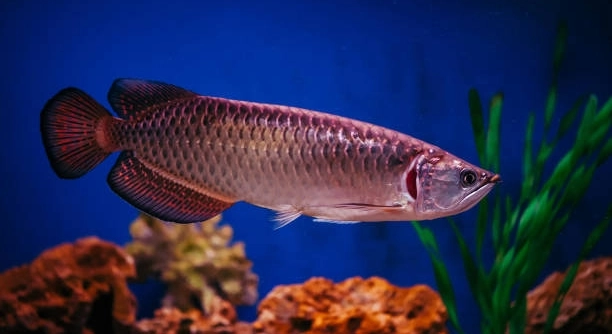
Arowanas are known for their graceful swimming and striking appearance, making them popular in home aquariums. Their behavior can be influenced by many environmental factors, including the lighting conditions of the room they inhabit. Understanding these effects helps in proper care.
Arowanas can indeed react to changes in room lighting. Alterations in brightness or light intensity can influence their swimming patterns, stress levels, and overall activity. Consistent lighting schedules help maintain their natural behavior and promote their health and well-being.
Adjusting room lighting may seem minor, yet it plays an important role in your arowana’s comfort and behavior. Observing these effects can improve the overall environment and care for your fish.
How Lighting Affects Arowana Behavior
Lighting can directly impact an arowana’s activity and stress levels. Sudden bright lights may startle them, causing rapid swimming or hiding in corners. Low light conditions often make them more relaxed, encouraging slow, graceful movements. Over time, inconsistent lighting can affect feeding patterns, causing reduced appetite or irregular behavior. Arowanas are also sensitive to natural daylight cycles, which help regulate their internal rhythms. Using a timer or soft, indirect lighting helps maintain stability in their environment. Observing their responses when adjusting light levels is important to ensure their comfort. Changes in room lighting can even influence coloration, with proper illumination enhancing their natural vibrancy. Shadows or reflections may cause stress, so positioning lights carefully is key. Gradual changes in intensity are better than abrupt switches, as this mimics more natural conditions. Proper lighting is not just aesthetic; it contributes to the fish’s overall health, behavior, and mood.
Consistent lighting routines can reduce stress and support regular swimming and feeding habits, keeping arowanas healthier and calmer in their tank environment.
Monitoring light levels and timing closely ensures your arowana experiences stable conditions. Adjustments should be slow, observing their reactions carefully, as they communicate stress or comfort through movement and posture.
Choosing the Right Light for Your Tank
LED lights are a popular choice for arowana tanks because they are bright, energy-efficient, and adjustable. They can simulate natural daylight without overheating the water, which is important for maintaining a stable environment. Fluorescent lights are another option, providing even illumination, though they may not offer the same intensity or flexibility as LEDs. Positioning lights above the tank and avoiding direct sunlight helps prevent stress and algae growth. Light timers can automate day-night cycles, making it easier to maintain a predictable environment. Warm-colored lights can enhance the fish’s natural colors, while cooler lights may create a calm atmosphere. Regularly checking for flickering or dimming bulbs ensures that the lighting remains consistent. Choosing the right combination of intensity, color, and duration creates an environment where your arowana can thrive without unnecessary stress. Proper lighting is a key factor in tank setup and long-term fish care.
Arowanas respond positively to gradual light adjustments, and their environment benefits from stability and predictable lighting cycles. Consistent illumination is essential for their health.
Proper lighting influences feeding, activity, and overall well-being. Sudden bright lights or long periods of darkness can trigger stress behaviors, including frantic swimming, hiding, or loss of appetite. LED lights allow precise control over intensity and duration, reducing the risk of startling the fish. Positioning is critical, as reflections and shadows may mimic predators, causing unease. Observing your arowana during different lighting conditions provides insight into its preferences and stress thresholds. Adjustments should always be gradual, simulating natural dawn and dusk transitions. Over time, stable lighting encourages consistent feeding and active swimming, supporting natural growth and coloration. Light timers and soft hues can maintain balance while highlighting the fish’s beauty. Even minor changes in lighting can have noticeable effects on behavior, so careful monitoring is essential. By prioritizing proper illumination, you create an environment where your arowana feels secure, active, and healthy.
Adjusting Light Gradually
Abrupt changes in lighting can stress arowanas, causing erratic swimming or hiding. Gradual adjustments give them time to adapt and maintain normal behavior. Slowly increasing or decreasing brightness over several hours helps mimic natural conditions and keeps the fish comfortable.
Arowanas are sensitive to sudden light changes. When switching from bright to dim lighting, doing it gradually allows their eyes to adjust without triggering panic responses. Rapid changes may also affect feeding, as stressed fish are less likely to eat. Gradual light shifts can be done using dimmable LEDs or by partially covering lights. Observing the fish during these changes is important to ensure they remain calm. This approach promotes stable behavior and reduces the likelihood of stress-related health issues over time.
Consistency in lighting adjustments is key. Using timers or slowly dimming lights at the end of the day creates a natural day-night cycle. This helps regulate activity patterns, encouraging arowanas to rest during nighttime and swim actively during the day. Gradual changes prevent sudden stress, which can impact appetite, coloration, and overall health. By carefully monitoring responses and maintaining a consistent schedule, you provide an environment that supports both physical and behavioral well-being. Over time, this leads to calmer, more predictable behavior and healthier growth.
Effects of Lighting on Coloration
Proper lighting enhances the natural coloration of arowanas, making scales appear brighter and more vibrant. Inadequate or harsh lighting can dull their appearance and hide subtle color patterns. Consistent light helps maintain visual appeal and overall health.
Lighting affects pigmentation by influencing how scales reflect light. Bright, warm-colored lights can enhance red, gold, and silver hues, while overly harsh or inconsistent light may cause fading. Balanced illumination ensures that natural coloration remains visible, supporting both aesthetic value and well-being. The way arowanas perceive light also affects behavior, as strong reflections or glare can induce stress. Proper positioning and intensity adjustment are critical for maximizing coloration without harming the fish’s comfort. Observation is key to finding the ideal setup for vibrancy and calm behavior.
Long-term exposure to stable lighting positively impacts coloration. Sudden shifts between dim and bright conditions can stress the fish, causing dullness or temporary color loss. Using full-spectrum or slightly warm lights simulates natural sunlight, supporting pigment development and retention. Ensuring a regular day-night cycle prevents overstimulation and encourages normal swimming, feeding, and social behavior. Positioning lights to reduce glare and avoid harsh shadows prevents stress while highlighting natural hues. Gradual adjustment of light intensity over weeks allows the fish to acclimate, enhancing long-term vibrancy. Proper lighting is a balance of aesthetics and welfare, directly affecting appearance and overall health.
Light Timing and Routine
Maintaining a consistent lighting schedule helps arowanas adapt to their environment. Turning lights on and off at the same times daily supports natural activity patterns and reduces stress.
Unexpected changes in lighting can disturb their routine. A fixed schedule encourages normal swimming, feeding, and resting behavior, creating a stable environment that benefits overall health.
Nighttime Lighting Considerations
Arowanas require periods of darkness to rest properly. Continuous bright lighting can disrupt sleep cycles and increase stress. Providing dim or no light at night allows them to maintain natural rhythms, supporting both behavior and long-term health.
Observing Behavioral Responses
Changes in swimming patterns, hiding, or reduced appetite often indicate that lighting adjustments are affecting your arowana. Careful observation allows you to make necessary modifications to improve comfort and well-being.
Using Natural Light Safely
Indirect natural light can benefit your arowana but should be monitored to avoid overheating or excessive glare. Position tanks away from direct sunlight and adjust blinds or curtains as needed.
FAQ
Can arowanas get stressed by too much light?
Yes, arowanas can become stressed if exposed to bright or harsh lighting for long periods. Sudden changes in intensity or glare can startle them, causing rapid swimming, hiding, or erratic behavior. Consistent lighting with gradual changes helps reduce stress and promotes natural activity patterns.
How long should lights be on each day?
A typical schedule is around 10 to 12 hours of light per day, mimicking natural daylight cycles. This supports feeding habits and activity while allowing proper rest during dark periods. Timers can be used to maintain a consistent routine and reduce stress from irregular lighting.
Can lighting affect their appetite?
Yes, lighting can influence feeding behavior. Bright, direct light may make arowanas feel exposed and hesitant to eat. Dimmed or soft lighting often encourages them to feed more confidently. Gradual adjustments help maintain regular feeding patterns.
Does the color of the light matter?
The color of the light affects both behavior and appearance. Warm or slightly red-toned lights enhance natural coloration, while cooler lights can create a calmer atmosphere. Using full-spectrum or adjustable LED lights provides flexibility to balance vibrancy and comfort.
Is natural sunlight safe for arowanas?
Indirect natural sunlight can be beneficial, helping regulate natural rhythms and color perception. Direct sunlight should be avoided, as it can overheat the tank and create glare or strong reflections, which may stress the fish. Positioning near windows with filtered light is ideal.
How quickly should lighting changes be made?
Lighting adjustments should always be gradual. Sudden increases or decreases in brightness can cause stress and alter behavior. Slowly dimming or brightening lights over hours allows the arowana to adapt comfortably without triggering fear or hiding.
Can improper lighting affect their color permanently?
Prolonged exposure to harsh or inadequate lighting can dull arowana coloration temporarily, but long-term effects are uncommon if proper light is restored. Balanced illumination helps maintain vibrant scales and supports overall health, making proper light management essential for appearance.
Do arowanas prefer bright or dim environments?
Arowanas generally feel safer in moderate lighting. Too bright or direct light can cause stress, while dim lighting helps them feel secure. Balancing light intensity throughout the day and providing natural day-night cycles encourages normal swimming and feeding behaviors.
What equipment helps maintain proper lighting?
LED lights with adjustable brightness and timers are the most effective tools. They allow precise control over intensity and duration, making it easier to simulate natural day-night cycles. Dimmable lights reduce sudden changes and prevent stress while highlighting coloration.
How can I tell if my arowana is reacting poorly to light?
Signs include frantic swimming, hiding frequently, loss of appetite, or dull coloration. Observing their behavior during lighting changes and adjusting intensity or duration accordingly ensures the fish remains calm and healthy.
Can lighting changes influence social behavior in arowanas?
Yes, changes in light can impact interactions, especially if multiple arowanas are housed together. Sudden bright light or glare may trigger aggression or hiding. Maintaining consistent lighting reduces stress and promotes peaceful social interactions.
Is it necessary to adjust lighting seasonally?
Adjusting lighting to reflect seasonal changes is optional but can mimic natural cycles, supporting normal behavior. Gradual changes in intensity or duration over weeks allow the fish to adapt without stress, encouraging natural rhythms year-round.
How important is observation when managing lighting?
Observation is critical. Arowanas cannot communicate discomfort directly, so their behavior is the best indicator of whether lighting is appropriate. Monitoring swimming patterns, feeding, and overall activity ensures adjustments support comfort and well-being.
Can artificial light fully replace natural light?
Yes, high-quality artificial lights can simulate daylight effectively. Full-spectrum LEDs provide consistent brightness, color, and duration without the risks of direct sunlight. Combining artificial and filtered natural light can enhance color and behavior safely.
Should I use a night light in the tank?
Arowanas benefit from periods of darkness to rest, so night lights are generally unnecessary. If used, keep them very dim to avoid disrupting sleep cycles, as proper rest supports healthy behavior and reduces stress.
What is the best strategy for long-term lighting management?
Establish a consistent schedule, use adjustable lights, and monitor the fish closely. Gradual adjustments, indirect natural light, and day-night cycles help maintain vibrant coloration, normal feeding, and calm behavior. Observation and small corrections over time ensure long-term health and comfort.
How often should lighting equipment be checked?
Regular checks are important. Inspect bulbs for flickering, dimming, or uneven illumination, as inconsistent lighting can stress your arowana. Replacing or adjusting lights promptly maintains stable conditions and supports overall well-being.
Can lighting interact with other environmental factors?
Yes, lighting works alongside water temperature, filtration, and tank layout. Bright lights combined with poor water quality or overcrowding can increase stress. Balanced lighting complements a well-maintained environment, enhancing health, behavior, and color.
Are all LED lights suitable for arowanas?
Not all LEDs are ideal. Choose full-spectrum, dimmable options designed for aquariums. Avoid overly bright or colored lights that can stress the fish or distort natural appearance. Proper selection ensures safe and beneficial illumination.
How long does it take for arowanas to adapt to new lighting?
Adaptation varies, but most arowanas adjust within days if changes are gradual. Sudden shifts can cause immediate stress. Observing behavior during the transition helps confirm that adjustments are well-tolerated and the environment remains comfortable.
Can lighting help with breeding behavior?
Lighting influences activity levels, which can affect breeding readiness. Simulating natural cycles with gradual changes and consistent duration may encourage normal reproductive behaviors, though other factors like tank size and water quality also play key roles.
Does tank size influence lighting needs?
Yes, larger tanks may require stronger or more evenly distributed lighting to ensure all areas are illuminated properly. Shadows or dark corners can cause stress if lighting is uneven, so positioning and intensity adjustments are important for comfort and visibility.
Is it okay to use colored lights for decoration?
Colored lights can be used sparingly, but bright or extreme colors may stress the fish or distort natural coloration. Soft, warm tones are preferable if enhancing aesthetics, and they should not replace a balanced day-night lighting cycle.
Can lighting affect growth rates?
Indirectly, yes. Proper lighting supports regular feeding, activity, and stress reduction, which all contribute to healthy growth. Inconsistent or harsh lighting may reduce appetite or increase stress, slowing growth over time.
What is the most common mistake with arowana lighting?
The most common mistake is abrupt changes or leaving lights on for inconsistent durations. Both can stress the fish and disrupt natural behavior. Gradual, consistent schedules with appropriate intensity and color prevent these issues and maintain overall well-being.
How do I balance aesthetics and health in lighting?
Choose lighting that highlights natural colors without causing stress. Full-spectrum LEDs with adjustable intensity, warm tones, and timers allow control over both appearance and fish comfort. Observation ensures the setup supports behavior and long-term health.
Can lighting influence disease susceptibility?
Indirectly, yes. Stress from poor lighting can weaken the immune system, making arowanas more susceptible to illness. Proper light schedules, intensity, and gradual adjustments help maintain a healthy, stress-free environment.
How often should lighting schedules be adjusted?
Schedules should remain consistent daily. Minor seasonal adjustments are acceptable if gradual. Frequent or abrupt changes increase stress and may affect feeding, coloration, and behavior. Consistency is more important than frequent modification.
Can reflections or shadows affect arowanas?
Yes, reflections or harsh shadows can simulate the presence of predators, causing stress or erratic swimming. Proper tank positioning and controlled lighting reduce these effects, creating a calm and safe environment for the fish.
Do younger arowanas react differently to light than adults?
Juvenile arowanas may be more sensitive to sudden changes, as their behavior and stress responses are not fully developed. Gradual adjustments and moderate lighting are especially important during early growth stages to ensure healthy development.
Is it necessary to turn off lights completely at night?
Yes, turning off lights or providing very dim illumination at night supports natural rest cycles. Continuous bright light disrupts sleep, increases stress, and may affect feeding, growth, and coloration over time. Proper dark periods are essential for overall health.
How can I tell if my arowana prefers certain light intensity?
Observing swimming patterns, hiding, feeding, and resting behavior helps determine preferred light levels. Calm, active fish that feed consistently in a certain light indicate comfort, while avoidance or stress signals indicate adjustments are needed.
Can lighting influence tank algae growth?
Yes, bright or prolonged lighting encourages algae growth, which can impact water quality and aesthetics. Balancing light duration and intensity, along with proper filtration, helps control algae while supporting fish health.
Should lighting be different for single versus multiple arowanas?
Multiple arowanas may require more evenly distributed light to prevent dark corners and reduce territorial stress. Single fish may tolerate uneven lighting better, but consistent and moderate illumination is still essential for comfort and well-being.
Can lighting affect their interaction with humans?
Indirectly, yes. Properly lit tanks make fish more visible and encourage calm behavior. Harsh or fluctuating lights may make them skittish, reducing opportunities for observation or interaction. Stable lighting supports trust and consistent behavior.
What is the best way to introduce new lighting?
Introduce new lighting gradually, over days or weeks, and monitor behavior closely. Start with low intensity, then slowly increase to the desired level. Gradual introduction prevents stress and allows the arowana to acclimate comfortably.
Do arowanas sleep in the dark?
Yes, they require darkness to rest properly. Providing uninterrupted dark periods at night encourages normal sleep cycles, reduces stress, and supports overall health and growth.
How important is light positioning?
Positioning is crucial. Lights should illuminate the tank evenly without creating glare or reflections. Proper placement ensures visibility, reduces stress, and enhances coloration without disrupting natural behavior.
Can I use multiple light sources?
Yes, using multiple light sources allows for more even illumination, reducing shadows and stress. Combining overhead and side lighting with adjustable intensity can improve both appearance and comfort.
Are there signs of overexposure to light?
Signs include frantic swimming, hiding, loss of appetite, dull coloration, and restlessness. Observing these behaviors indicates the need to reduce intensity or shorten light duration.
Do lights affect water temperature?
Some lights, especially older incandescent or halogen types, can increase water temperature, stressing arowanas. LEDs are preferred, as they provide consistent lighting without significantly raising tank temperature.
How long does it take to see behavioral improvements after adjusting lighting?
Improvements are often noticeable within days if adjustments are gradual and consistent. Calm swimming, regular feeding, and normal coloration indicate that lighting changes are beneficial.
Can I combine artificial and natural light safely?
Yes, filtered natural light combined with full-spectrum artificial lighting can enhance color and behavior. Ensure direct sunlight is avoided and adjust artificial light intensity to maintain balance.
Is monitoring water quality still necessary with proper lighting?
Absolutely. Proper lighting alone cannot ensure health. Water quality, temperature, and filtration are equally important, and lighting should complement a well-maintained tank environment.
Can lighting influence aggression?
Yes, abrupt or harsh lighting may trigger territorial behavior or stress-induced aggression. Maintaining consistent, moderate lighting reduces tension and supports peaceful interactions.
Should I record lighting patterns?
Keeping a simple log of light schedules, adjustments, and fish behavior helps identify optimal conditions and detect problems early. Documentation ensures consistent management and long-term well-being.
Are there signs my arowana prefers a dimmer environment?
Frequent hiding, reduced swimming, or avoiding brightly lit areas indicate a preference for lower light. Adjusting intensity gradually can improve comfort and encourage normal activity.
Can lighting impact breeding cycles?
Indirectly, yes. Stable lighting supports normal activity and reduces stress, which can influence reproductive readiness. Gradual adjustments simulating natural seasonal changes may encourage breeding behavior.
Does lighting affect interactions with tank plants or decorations?
Yes, intense lighting may encourage algae growth on decorations and plants, while insufficient light can affect plant health. Proper balance supports aesthetics and maintains a healthy, stress-free environment.
How do I choose the right LED spectrum?
Full-spectrum LEDs that simulate natural sunlight are ideal. Warm tones enhance coloration, while adjustable brightness allows flexibility. Avoid overly colored or extreme lights that may stress the fish.
Can lighting help mimic natural habitats?
Yes, using gradual intensity changes, warm tones, and day-night cycles simulates natural environments. This promotes calm, predictable behavior and supports both color and overall health.
Is there a risk of overexposing juveniles to bright light?
Yes, juveniles are more sensitive and may experience stress if exposed to bright or sudden light. Gradual exposure and moderate intensity are essential for healthy development.
Can reflections from glass surfaces cause stress?
Yes, reflections can mimic predators and trigger hiding or erratic swimming. Positioning lights carefully and reducing reflective surfaces helps prevent unnecessary stress.
Are timers necessary for proper lighting management?
Timers are highly recommended. They ensure consistent day-night cycles, prevent abrupt changes, and reduce the risk of stress, supporting both behavior and health.
Can poor lighting affect growth indirectly?
Yes, stress or reduced feeding caused by poor lighting may slow growth. Maintaining consistent, appropriate illumination supports appetite, activity, and overall development.
How often should lighting be adjusted for seasonal changes?
Adjustments should be gradual and infrequent, simulating natural seasonal shifts. Sudden changes can stress the fish, so slow adaptation over days or weeks is preferred.
Can lighting influence overall tank aesthetics?
Yes, proper lighting enhances coloration, reduces shadows, and highlights decorations. Balanced light improves both visual appeal and fish comfort.
Does lighting influence oxygen levels in the tank?
Indirectly, strong light may promote algae growth, affecting oxygen availability. Balanced lighting, along with proper filtration, ensures a healthy environment.
Are all aquarium timers suitable for arowanas?
Timers must be reliable and accurate. Digital or programmable timers allow precise control over light duration, ensuring consistent cycles that reduce stress and support normal behavior.
Can lighting affect disease detection?
Yes, proper illumination helps identify changes in color, spots, or abnormal behavior early, enabling timely intervention and treatment.
Is it okay to experiment with different lighting setups?
Experimenting is fine if done gradually. Observe behavior closely and make small adjustments to find the optimal balance between appearance, comfort, and health.
How long can arowanas tolerate low light conditions?
Short periods of low light are generally safe and may reduce stress. Extended darkness should be avoided, as it can interfere with feeding and activity cycles.
Do arowanas respond differently to fluorescent versus LED lights?
LED lights offer better control, adjustable intensity, and less heat. Fluorescent lights provide even illumination but may lack flexibility. Both can work if intensity and duration are managed properly.
Can lighting changes affect tank cleaning routines?
Yes, bright lights can make fish more active and harder to manage during maintenance. Adjusting intensity temporarily or scheduling cleaning during dim periods may reduce stress.
Should I consider light reflection off walls or ceilings?
Yes, reflections can create glare or shadows that stress arowanas. Proper positioning and soft lighting help maintain a calm environment.
Can lighting influence how arowanas interact with other species?
Yes, lighting affects visibility and perceived territory. Stable, moderate lighting reduces stress and promotes peaceful cohabitation with other fish.
Do arowanas have a preferred light spectrum for comfort?
They generally prefer natural or slightly warm full-spectrum lighting. Extreme colors or flickering can cause discomfort or stress.
How often should I observe their reactions to lighting?
Daily observation is ideal, especially after adjustments. Noting changes in swimming, hiding, or feeding ensures the environment remains suitable.
Can lighting influence tank plant growth?
Yes, proper light supports plant health. Overly bright or prolonged light may encourage algae growth, affecting water quality and fish comfort.
Does tank location affect lighting management?
Yes, placing a tank near windows or reflective surfaces changes light exposure. Adjusting artificial lighting ensures consistent conditions regardless of location.
Can lighting affect the perception of tank depth?
Bright or uneven lighting may create shadows, making the tank seem smaller or larger. Balanced illumination helps the fish navigate comfortably.
Is dimming better than turning lights off abruptly?
Yes, gradual dimming prevents stress and simulates natural sunset conditions, supporting rest cycles and reducing erratic behavior.
How do I balance aesthetics with stress reduction?
Use soft, full-spectrum lighting, avoid glare, and maintain day-night cycles. Observation ensures the fish is comfortable while the tank remains visually appealing.
Can lighting affect territorial behavior?
Yes, sudden bright light or strong reflections may trigger aggression. Consistent, moderate illumination reduces tension and promotes peaceful interactions.
Are there risks with LED overuse?
Excessive intensity or prolonged exposure may stress fish, affecting feeding, color, and behavior. Controlled use with timers ensures safety and well-being.
Do arowanas adapt to low-light tanks over time?
Yes, they can adapt, but extremely dim conditions may reduce activity and feeding. Balanced light levels support health and normal behavior.
How can I tell if lighting is too weak?
Signs include reduced activity, hiding, dull coloration, and less frequent feeding. Gradually increasing intensity often restores normal behavior and comfort.
Can lighting affect swimming patterns?
Yes, abrupt or harsh light may cause frantic swimming or hiding. Consistent, moderate illumination encourages calm, predictable movement throughout the tank.
Is monitoring necessary after every lighting change?
Yes, observing behavior, feeding, and coloration after changes ensures adjustments are well-tolerated and the fish remains healthy and comfortable.
How do I combine aesthetics and natural behavior?
Choose full-spectrum, warm-toned lights with gradual adjustments. Observe the fish and prioritize comfort while enhancing coloration and tank appearance.
Can lighting influence their perception of space?
Yes, uneven or harsh lighting can make certain areas feel unsafe. Balanced illumination reduces hiding and encourages full use of the tank.
Are reflective tank surfaces a concern?
Yes, reflections can stress arowanas by simulating intruders or predators. Minimizing glare and adjusting light angles improves comfort.
Does lighting affect water temperature indirectly?
Some lights, like incandescent bulbs, can heat water, affecting metabolism and behavior. LEDs are preferred for minimal temperature impact.
How do I avoid stressing the fish with decorative lights?
Use soft, warm tones and gradual adjustments. Avoid flickering or extreme colors, and maintain a day-night cycle to prevent stress.
Can lighting affect how they recognize feeding times?
Yes, consistent lighting helps establish routine feeding cues. Irregular or sudden changes may confuse them and reduce appetite.
**Is it necessary
Final Thoughts
Lighting plays a significant role in the overall health and behavior of arowanas. Unlike many other fish, arowanas are particularly sensitive to sudden changes in their environment. Proper lighting not only affects their activity levels but also contributes to their comfort, feeding patterns, and stress management. Maintaining a consistent schedule with gradual adjustments helps them adapt naturally to changes and supports normal swimming behavior. Observing your fish closely during lighting shifts allows you to detect early signs of stress or discomfort, making it easier to adjust intensity or duration. Over time, a well-lit environment that simulates natural day-night cycles contributes to calmer, healthier, and more predictable behavior, which is essential for the long-term well-being of your arowana.
The color and intensity of lighting also have a strong impact on an arowana’s appearance. Balanced illumination enhances their natural coloration, helping red, gold, and silver hues appear more vibrant. Overly harsh or inconsistent lighting can cause dullness, which may make the fish look less vibrant and affect your enjoyment of the tank. Using full-spectrum or adjustable LED lights allows you to maintain brightness while controlling stress levels. Gradual changes in light intensity, rather than abrupt shifts, mimic natural conditions and create a comfortable environment. Indirect natural light can complement artificial lighting, but direct sunlight should always be avoided to prevent overheating or glare. Careful placement of the tank and lighting equipment ensures that reflections and shadows do not create stress-inducing environments for your fish. Properly balanced lighting is not just an aesthetic choice but an essential part of maintaining your arowana’s health.
Finally, it is important to remember that lighting does not work alone. Other factors such as water quality, temperature, tank size, and feeding routines interact with lighting to influence overall behavior and health. Consistency is key. Gradual adjustments, careful observation, and routine maintenance allow you to provide the best environment possible. Paying attention to your arowana’s reactions helps you understand their preferences, making it easier to fine-tune lighting conditions. Over time, these adjustments contribute to a stable and supportive habitat where your arowana can thrive. By focusing on both comfort and visual appeal, you ensure that your fish remains healthy, active, and visually striking, while creating a tank environment that is both safe and enjoyable to watch. Proper lighting is a small but powerful factor in supporting arowanas’ long-term well-being and quality of life.

Hello,
If you enjoy the content that we create, please consider saying a "Thank You!" by leaving a tip.
Every little bit helps us continue crafting quality advice that supports the health, happiness, and well-being of pets around the world, for pets of all shapes, sizes, and species.
We really appreciate the kindness and support that you show us!