
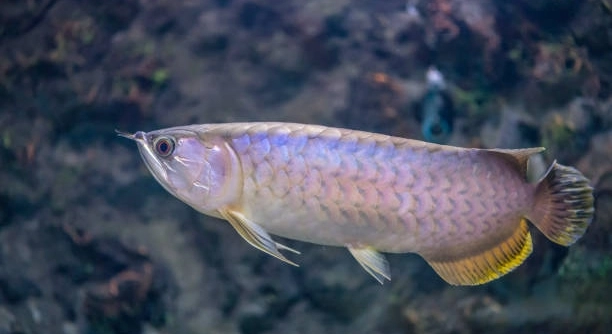
Are you caring for an arowana and want to see it flourish in your home aquarium? Arowanas are elegant and fascinating fish, yet they require careful attention to thrive. Small adjustments can make a significant difference.
Providing an optimal environment for arowanas involves careful control of water parameters, diet, and tank setup. Adjustments such as maintaining proper temperature, water quality, and space can significantly enhance health, growth, and overall well-being for these fish.
By focusing on manageable changes, you can create a thriving habitat. Each adjustment plays a crucial role in supporting your arowana’s health and vitality.
Maintain Stable Water Conditions
Arowanas are highly sensitive to water quality, and fluctuations can cause stress or illness. Regular testing for pH, ammonia, nitrites, and nitrates is essential. Keep the pH between 6.5 and 7.5, and ensure ammonia and nitrite levels remain at zero. Temperature should stay steady between 75°F and 82°F. Frequent water changes of 20–30% weekly help remove waste and prevent harmful chemical buildup. Using a reliable filtration system supports clear, clean water while reducing toxins. Aeration is also important, as arowanas require oxygen-rich water. Avoid overcrowding the tank, as this increases stress and promotes disease. Monitoring water parameters closely can prevent sudden health issues and keep your arowana active and vibrant.
Consistent water quality reduces stress, prevents disease, and promotes natural behavior. Stability in the tank is crucial for overall health and longevity of your arowana.
Keeping water parameters stable may seem demanding, but it creates a secure and comfortable habitat. Small changes like consistent temperature, pH balance, and proper filtration enhance growth and activity. Paying attention to these factors ensures your arowana feels secure, reducing aggression and promoting natural swimming patterns. Regular testing allows you to detect minor changes before they affect your fish, helping it thrive with minimal stress. Over time, these adjustments create a balanced and healthy environment where your arowana can fully display its beauty.
Provide a Balanced Diet
Offering varied, high-quality food is essential for optimal arowana health. A mix of pellets, frozen, and live food supports growth, coloration, and energy levels. Avoid overfeeding, as excess food pollutes water and may cause digestive problems.
Balanced nutrition encourages strong immune systems and vibrant coloration. Feeding routines should be consistent to support digestion and overall vitality.
Arowanas benefit from a diet that includes protein-rich foods like shrimp, fish, and insects, along with occasional vegetables. High-quality pellets designed for carnivorous fish provide essential vitamins and minerals. Feeding small amounts 1–2 times daily helps prevent overeating and keeps the tank clean. Avoid sudden dietary changes, as these can cause stress or refusal to eat. Rotating food types maintains interest and ensures a complete nutrient profile, supporting growth and preventing deficiencies. For younger arowanas, more frequent feedings may be needed, while adults thrive on a steady schedule. Careful attention to portion size and food quality contributes to long-term health and vibrant coloration.
Ensure Proper Tank Size
Arowanas need large tanks to swim freely and stay healthy. A minimum of 250 gallons is recommended for adults to prevent stress and allow natural movement.
Providing ample space reduces aggression and supports growth. Crowded tanks increase stress, which can lead to disease or stunted development. The tank should have a length of at least six feet, allowing horizontal swimming. Decorations should be minimal and strategically placed to avoid injury while still offering hiding spots. Open swimming areas are crucial for large, active fish like arowanas. Additionally, adequate surface area improves oxygen exchange, which is vital for their respiration. Maintaining this space encourages natural behaviors, reduces territorial disputes, and supports overall well-being. Arowanas in spacious environments tend to display better coloration, appetite, and energy.
Tank setup should prioritize both safety and freedom of movement. Smooth surfaces, secure lids, and unobstructed swimming paths prevent injury and stress. Proper space allows your arowana to exercise naturally, develop strength, and maintain optimal health. Minimal decoration avoids accidents while still providing environmental enrichment. Over time, a well-sized tank encourages calmer behavior, better feeding response, and visible growth. Ensuring a balance between open areas and controlled structure supports a long, healthy life for these fish. Regular observation will show improvements in activity, coloration, and overall vitality, confirming the importance of adequate tank size.
Maintain Clean Water and Filtration
Clean water is essential to prevent disease. A strong filtration system removes waste and keeps water clear.
Filtration supports chemical, biological, and mechanical cleaning. Biological filters break down ammonia and nitrites, while mechanical filters remove debris. Regular cleaning of filter media prevents clogging and maintains efficiency. Combine with partial water changes weekly to maintain optimal conditions. Using a siphon to remove detritus from substrate ensures minimal buildup. Avoid overfeeding, as leftover food increases waste load. A properly maintained system keeps water parameters stable, reducing stress and illness.
Efficient water management involves both equipment and routine maintenance. Filters should match tank size and fish load to ensure proper water turnover. Choosing high-quality media enhances biological filtration, promoting a balanced ecosystem. Aeration works in tandem with filtration to increase oxygen levels and support metabolism. Monitoring flow rate prevents strong currents that may stress your arowana. Inspecting equipment regularly avoids mechanical failures that could compromise water quality. Keeping water clean also enhances visibility and the overall aesthetic of your aquarium, while promoting natural swimming behavior and vibrant coloration. Consistency in maintenance ensures a long-lasting, healthy environment for your arowana.
Control Tank Temperature
Maintaining a stable temperature is essential for arowanas. Sudden fluctuations can cause stress, reduce appetite, and weaken the immune system. A consistent range between 75°F and 82°F supports metabolism and natural behavior.
Using a reliable heater with a thermostat helps keep the water steady. Regular checks prevent overheating or sudden drops that can harm your fish.
Provide Hiding Spots
Hiding places reduce stress and give your arowana a sense of security. Driftwood, smooth rocks, and large plants can create shaded areas. Avoid sharp or rough decorations that could injure your fish. Properly placed hiding spots encourage natural behavior and provide rest areas for more active periods.
Monitor Health Closely
Watch for changes in appetite, coloration, or swimming patterns. Early detection of illness improves treatment success and prevents serious complications.
Keeping a regular observation routine allows you to notice subtle signs of stress, disease, or injury. Prompt action based on these observations ensures the arowana remains active, healthy, and thriving in its habitat.
Maintain Proper Lighting
Consistent lighting supports natural activity cycles and enhances coloration. Avoid overly bright lights or sudden changes that can stress your arowana. A balanced day-night cycle promotes normal behavior and overall well-being.
FAQ
How often should I change my arowana’s water?
Water changes are essential for maintaining a clean and healthy environment. Perform partial water changes of 20–30% weekly. This removes accumulated waste, excess nutrients, and toxins, while keeping water parameters stable. Always condition tap water to remove chlorine and chloramines before adding it to the tank.
What is the best diet for arowanas?
A balanced diet should include high-quality pellets, live or frozen fish, shrimp, and insects. Pellets provide essential vitamins and minerals, while live or frozen foods support protein intake and encourage natural hunting behavior. Avoid overfeeding, as uneaten food can pollute the tank and cause digestive problems. Feed adult arowanas once or twice daily, and adjust portions to their appetite.
How big should my tank be for an adult arowana?
Adult arowanas require a minimum of 250 gallons, ideally with a length of six feet or more. This provides sufficient space for swimming, reduces stress, and prevents aggressive behavior. Keep decorations minimal and avoid overcrowding, ensuring open areas for natural movement. Proper tank size supports growth, activity, and overall health.
What temperature is ideal for arowanas?
The ideal range is between 75°F and 82°F. Sudden changes in temperature can stress your fish, weaken its immune system, and affect appetite. Using a reliable heater with a thermostat helps maintain a stable environment, while regular monitoring ensures consistent conditions. Avoid placing the tank near drafty windows or heat sources.
How can I prevent my arowana from getting sick?
Maintaining stable water conditions, proper diet, and adequate space are key factors. Regular observation for changes in behavior, coloration, or appetite helps detect problems early. Quarantine new fish before introducing them to the main tank, and keep the environment clean using proper filtration and water changes.
What decorations are safe for arowanas?
Use smooth driftwood, large rocks, and sturdy plants to create hiding spots. Avoid sharp, rough, or brittle decorations that can injure your fish. Properly placed items provide shaded areas and reduce stress while still allowing enough open swimming space for natural behavior.
How often should I feed my arowana?
Young arowanas require more frequent feeding, typically two to three times daily, while adults thrive on one or two meals. Feed small portions to prevent overeating, maintain water quality, and ensure all food is consumed. A varied diet supports growth, coloration, and overall health.
What signs indicate my arowana is stressed?
Stress may appear as reduced appetite, clamped fins, erratic swimming, or hiding excessively. Poor coloration or frequent surface gasping can also indicate problems. Addressing water quality, diet, temperature, and tank space often resolves these issues. Early attention reduces the risk of disease.
Can arowanas live with other fish?
Arowanas can be territorial, especially as adults. Choose tank mates carefully, avoiding small or aggressive species. Large, non-aggressive fish with similar environmental needs can cohabit if the tank is spacious enough. Monitor interactions closely to prevent aggression and injury.
Is lighting important for arowanas?
Consistent lighting supports activity cycles, natural behavior, and coloration. Use a regular day-night cycle, avoiding sudden changes or overly bright light. Balanced lighting reduces stress, encourages feeding, and helps your arowana display its vibrant colors naturally.
How do I know my arowana is healthy?
A healthy arowana is active, eats well, maintains vibrant coloration, and swims confidently. Its fins should be intact, eyes clear, and body free from wounds or parasites. Regular monitoring and consistent care ensure long-term health and vitality.
What should I do if my arowana refuses food?
Check water quality, temperature, and stress levels first. Introduce a variety of foods, such as live or frozen options, to stimulate appetite. Avoid overfeeding or sudden diet changes, and monitor for signs of illness if the refusal persists. Patience and observation are key.
How can I reduce aggression in my arowana?
Provide sufficient tank size, hiding spots, and open swimming areas. Avoid overcrowding, maintain stable water conditions, and ensure a consistent feeding schedule. Territorial behavior often decreases when the fish feels secure in its environment. Careful observation helps prevent injuries and stress.
Is it necessary to quarantine new fish?
Yes, quarantining new fish for at least two weeks prevents introducing disease or parasites to the main tank. Monitor the quarantined fish for signs of illness and treat any issues before adding them to your arowana’s habitat. This step protects the health of all tank inhabitants.
What is the best way to maintain water clarity?
Use proper filtration, regular water changes, and avoid overfeeding. Mechanical filters remove debris, biological filters process ammonia and nitrites, and chemical media can reduce discoloration. Combined with careful feeding and routine maintenance, these steps keep water clean and healthy.
How long do arowanas live in captivity?
With proper care, arowanas can live 10–15 years or longer. Stable water conditions, balanced nutrition, adequate tank space, and attentive observation contribute to longevity. Regular maintenance and a stress-free environment help your arowana reach its full lifespan.
Can arowanas jump out of the tank?
Yes, arowanas are powerful jumpers. Always use a secure, tightly fitted lid to prevent accidents. Openings should be minimized, and care taken when performing maintenance to ensure the fish cannot escape or injure itself.
Are arowanas sensitive to noise or vibrations?
Excessive vibrations or loud noises can stress arowanas. Place the tank in a stable location away from heavy foot traffic, loud appliances, or constant disturbances. A calm environment promotes natural behavior and reduces stress-related health issues.
What equipment is essential for arowana care?
A reliable heater, strong filtration system, air pump or aeration, and a secure lid are essential. Water testing kits help maintain proper parameters. Optional items include lighting, substrate, and minimal decorations to provide hiding spaces and visual enrichment. Proper equipment ensures a safe and stable habitat.
How do I acclimate a new arowana to its tank?
Float the bag in the tank for 15–20 minutes to equalize temperature. Gradually mix tank water into the bag over 30–60 minutes to reduce shock. Carefully release the fish into the tank using a net, avoiding direct pouring, which can stress or injure it.
How often should I clean the tank substrate?
Use a siphon during partial water changes to remove debris from the substrate. Cleaning once a week prevents waste buildup, maintains water quality, and reduces the risk of harmful bacteria or toxins affecting your arowana.
What are common signs of illness in arowanas?
Symptoms include loss of appetite, faded or blotchy coloration, frayed fins, unusual swimming patterns, swelling, or visible parasites. Prompt attention to water quality, diet, and isolation if needed can prevent further complications. Early detection ensures more effective treatment and recovery.
Can arowanas recognize their owners?
Arowanas often observe movement outside the tank and may respond to familiar activity. While not social in a traditional sense, they can become accustomed to routine feeding and presence, showing curiosity and awareness of their caretaker.
What should I do during power outages?
Use battery-powered aerators or portable air pumps to maintain oxygen levels. Avoid overfeeding, as uneaten food can quickly degrade water quality. Monitor temperature and water clarity closely until power is restored. Minimize stress and handle the fish as little as possible.
How do I manage algae growth?
Regular water changes, controlling light exposure, and avoiding overfeeding help limit algae. Manual removal and adding hardy plants can also reduce excess growth. Maintaining a balanced tank ecosystem prevents algae from overtaking the environment and impacting water quality.
Is it necessary to trim plants or decorations?
Yes, trimming prevents overgrowth, ensures open swimming space, and reduces waste accumulation. Keep decorations smooth and properly positioned to prevent injury. Routine maintenance preserves a safe, functional, and visually appealing environment for your arowana.
Can arowanas tolerate other water parameters outside the ideal range?
While they can survive minor deviations, prolonged exposure to extreme pH, temperature, or chemical levels causes stress, illness, or stunted growth. Maintaining consistent, ideal parameters is critical for long-term health and well-being. Regular testing prevents harmful fluctuations.
How do I encourage natural behavior in my arowana?
Provide ample swimming space, hiding spots, and a varied diet. Avoid overcrowding, maintain stable water parameters, and offer consistent lighting. Observing and supporting natural routines promotes activity, reduces stress, and enhances overall health and coloration.
What should I do if my arowana becomes aggressive?
Check tank size, hiding spots, and cohabitants. Reduce stress factors, ensure consistent feeding, and provide open swimming areas. In severe cases, separating the fish or adjusting tank layout can minimize aggression and prevent injury. Regular monitoring helps maintain a calm environment.
Can arowanas adapt to different types of filtration?
Yes, as long as the system provides mechanical, chemical, and biological filtration adequate for tank size and fish load. Gradual adaptation and monitoring water quality ensures proper function and supports a stable, healthy environment.
Are arowanas suitable for beginners?
Arowanas require commitment, large tanks, and careful monitoring of water and diet. While manageable with proper preparation, they are best suited for aquarists willing to provide consistent care, attention, and a stable environment for their long-term health.
How do I handle my arowana safely?
Avoid direct contact unless necessary. Use nets carefully and minimize stress during cleaning or relocation. Ensure the tank environment is secure to prevent jumping or injury. Handle the fish only when required, using gentle and controlled methods.
Can arowanas tolerate tap water?
Tap water must be treated to remove chlorine and chloramines. Water conditioners make tap water safe. Testing and adjusting pH, hardness, and temperature ensures a stable environment for the arowana. Untreated tap water can cause stress, illness, or death.
What is the ideal pH for arowanas?
Maintain a pH between 6.5 and 7.5. Stability is more important than the exact number, as sudden changes can stress your fish. Regular testing ensures the environment remains within safe limits for long-term health.
How do I prevent fin damage?
Smooth tank decorations, proper tank mates, and careful handling reduce fin injuries. Avoid sharp objects and overcrowding, as well as aggressive or territorial fish. Healthy fins indicate good overall health and proper care.
Can arowanas tolerate cold water?
No, temperatures below 75°F can slow metabolism, reduce immunity, and cause illness. Using a reliable heater and monitoring temperature consistently is essential to maintain a healthy, active fish.
How long does it take for an arowana to adapt to a new tank?
Adjustment can take several days to weeks. Monitoring behavior, appetite, and swimming patterns during this period helps ensure a smooth transition. Stable water conditions, proper feeding, and minimal stress support adaptation.
Is it necessary to remove uneaten food immediately?
Yes, leftover food decomposes quickly, raising ammonia and nitrite levels. Remove uneaten portions after feeding to maintain water quality, prevent illness, and reduce stress.
How can I improve my arowana’s coloration?
A varied diet rich in natural pigments, stable water parameters, proper lighting, and minimal stress enhance vibrant colors. Healthy fish with adequate nutrition display brighter, more vivid coloration over time.
Are arowanas sensitive to water hardness?
Moderate hardness is acceptable, but extreme hardness or softness can stress the fish. Maintaining stable conditions ensures proper health, growth, and immune function. Gradual adjustments prevent shock.
Can arowanas recognize feeding times?
Yes, they often respond to routine cues such as your presence or movement near the tank. Consistent feeding schedules help reinforce natural behavior and ensure appetite.
What should I do if my arowana jumps and injures itself?
Immediately assess injury severity. Clean minor wounds with aquarium-safe antiseptics and isolate the fish if necessary. Ensure the tank has a secure lid to prevent future accidents. Monitor closely for signs of infection.
How do I prevent my arowana from growing too large for its tank?
Choose an appropriately sized tank from the start. Regular maintenance, stable feeding schedules, and avoiding overcrowding ensure the fish has space to grow naturally without stress. Managing growth also prevents health complications and behavioral issues.
Can arowanas survive in low-light conditions?
Low light may reduce activity and coloration over time. Balanced, consistent lighting supports natural behavior, appetite, and vibrant colors. Avoid extreme darkness or prolonged artificial lighting.
How do I maintain oxygen levels in the tank?
Use aeration, surface agitation, and proper filtration. Plants can also help. Maintaining consistent oxygen levels ensures respiration, metabolism, and overall health of your arowana.
Are arowanas compatible with bottom-dwelling fish?
Yes, as long as tank size and temperament are considered. Avoid species that may compete aggressively for food or space. Ensure hiding spots and open swimming areas are sufficient for all inhabitants.
Can arowanas tolerate occasional water parameter changes?
Minor fluctuations can be tolerated, but prolonged or frequent changes cause stress and health issues. Consistency is critical for long-term vitality. Regular testing and careful maintenance prevent harmful deviations.
How do I clean a large arowana tank efficiently?
Use a siphon for substrate cleaning during water changes, clean filters regularly, and remove debris manually if needed. A consistent schedule keeps the environment safe and reduces stress for your fish.
What should I do if my arowana refuses to swim actively?
Check water quality, temperature, and stress factors first. Ensure tank size is adequate and diet is sufficient. Reduced activity often indicates environmental or health issues that need prompt attention.
Can arowanas tolerate strong currents?
Strong currents can stress arowanas. Ensure filtration flow is moderate and areas of the tank allow calm swimming. Providing a mix of open and sheltered spaces encourages natural movement without fatigue.
Is it safe to introduce multiple arowanas in one tank?
Only if the tank is extremely large and fish are similar in size and temperament. Overcrowding leads to aggression, stress, and potential injury. Careful monitoring is essential if attempting cohabitation.
How do I encourage breeding in captivity?
Provide a stable environment, high-quality diet, and proper tank size. However, breeding arowanas is complex and often requires experienced care and specific conditions, including temperature adjustments and monitoring behavior.
Can arowanas live in outdoor ponds?
Yes, if temperature, water quality, and predator protection are carefully managed. Outdoor setups must ensure consistent environmental conditions and secure containment to prevent escapes or injury.
What are common mistakes in arowana care?
Overfeeding, inadequate tank size, poor water quality, aggressive tank mates, and inconsistent observation often cause health problems. Avoiding these errors through careful planning ensures a healthy, thriving fish.
How do I know when to upgrade my tank?
Signs include restricted swimming space, frequent aggression, or rapid growth. Upgrading prevents stress, supports development, and maintains a safe environment for long-term health.
Are arowanas prone to parasites?
Yes, they can develop external or internal parasites. Maintaining clean water, quarantining new fish, and monitoring health reduces risk. Treatment may require medication under careful observation.
Can arowanas tolerate brackish water?
They are primarily freshwater fish. Slightly brackish conditions may be tolerated temporarily, but prolonged exposure can cause stress, disease, or death. Freshwater parameters are safest.
How do I prevent scale damage?
Avoid sharp decorations, overcrowding, and aggressive tank mates. Smooth surfaces and careful handling reduce the risk of injury, ensuring healthy scales and overall well-being.
Is it normal for arowanas to jump at feeding time?
Yes, jumping is part of natural hunting behavior. Ensure a secure lid and feed safely to prevent injury while allowing this instinct to be expressed.
Can arowanas tolerate fluctuating light cycles?
No, sudden or inconsistent lighting stresses the fish. Maintain a regular day-night cycle to support natural behavior, feeding, and coloration.
How often should I check water parameters?
Weekly testing is recommended for pH, ammonia, nitrites, and nitrates. Frequent checks help detect issues early, ensuring a stable, healthy environment for your arowana.
What should I do if my arowana develops cloudy eyes?
Cloudy eyes may indicate poor water quality, infection, or injury. Test and correct water parameters, isolate the fish if necessary, and consider veterinary treatment if the condition persists.
Can arowanas tolerate tap water with dissolved minerals?
Some minerals are acceptable if within safe ranges. Testing and adjusting hardness and pH ensures the environment remains suitable. Excessive minerals can stress or harm the fish.
How do I prevent my arowana from refusing food during stress?
Maintain stable water conditions, consistent feeding times, and a calm environment. Introduce varied, high-quality foods gradually to encourage appetite. Patience and observation are key to restoring normal feeding behavior.
Is it normal for arowanas to lose appetite occasionally?
Short-term appetite loss can occur due to minor stress or environmental changes. Persistent refusal, however, indicates water issues, illness, or dietary problems that require immediate attention.
Can arowanas live in soft water?
Moderate soft water is acceptable, but extremely soft water may affect health. Gradual acclimation and monitoring ensure stability without causing stress or illness.
How do I treat minor injuries on an arowana?
Clean the wound with aquarium-safe antiseptics, isolate if necessary, and monitor closely. Maintain clean water and stable conditions to support healing and prevent infection.
What is the ideal ammonia level for arowanas?
Ammonia should remain at 0 ppm. Even low levels can stress or harm the fish. Regular testing and proper filtration prevent accumulation.
Can arowanas tolerate short-term overcrowding?
Even short-term crowding increases stress, aggression, and disease risk. Avoid overcrowding at all times to maintain a healthy, stable environment.
How do I prevent my arowana from jumping during maintenance?
Secure the tank lid, minimize water movement, and perform slow, careful handling. Reducing disturbances and maintaining a calm environment prevents escape attempts.
Can arowanas tolerate different types of substrates?
Yes, smooth gravel or sand is ideal. Avoid sharp or rough substrates that can injure scales or fins. Proper substrate also aids in tank cleaning and aesthetic appeal.
What should I do if my arowana develops fin rot?
Improve water quality, remove stress factors, and consider appropriate medication. Isolate if needed, and monitor closely for recovery. Early treatment ensures better outcomes.
Are arowanas sensitive to sudden light changes?
Final Thoughts
Caring for an arowana requires attention, consistency, and a willingness to adjust your setup as needed. These fish are elegant and active, but they thrive only under stable conditions. Providing the right tank size, water quality, temperature, and a balanced diet forms the foundation for their health. Small changes, such as ensuring proper lighting, adding hiding spots, and monitoring behavior, can have a significant impact on their well-being. Each adjustment supports natural behavior, reduces stress, and encourages vibrant coloration. While managing these factors may seem demanding at first, the benefits of observing a healthy, active, and visually striking arowana are rewarding.
Arowanas are sensitive to environmental changes, and their health can quickly decline if conditions are inconsistent. Regular monitoring of water parameters, careful feeding, and attention to tank maintenance are essential. Simple habits, like partial water changes, using a reliable filtration system, and keeping a secure lid, go a long way in preventing stress and disease. Observing the fish daily allows you to notice early signs of illness, changes in appetite, or unusual behavior, which can prevent serious health issues. Arowanas may show curiosity and interaction with their environment, but they also require patience, space, and a calm setting to feel secure. Maintaining this balance ensures that the fish can display its natural activity and behavior while remaining healthy.
Successful arowana care is a combination of preparation, observation, and consistent maintenance. The commitment extends beyond feeding or cleaning; it includes understanding how water quality, tank setup, and diet influence growth and behavior. Over time, these efforts lead to a harmonious environment where the arowana thrives, exhibiting strong health, vibrant coloration, and confident swimming patterns. By staying attentive to these factors, you not only support the physical well-being of your fish but also create a visually appealing and dynamic aquarium. With patience and care, an arowana can live a long, active life, making the investment of time and effort worthwhile. A well-maintained habitat allows the fish to reach its full potential, making the experience of keeping an arowana both satisfying and fulfilling.

Hello,
If you enjoy the content that we create, please consider saying a "Thank You!" by leaving a tip.
Every little bit helps us continue crafting quality advice that supports the health, happiness, and well-being of pets around the world, for pets of all shapes, sizes, and species.
We really appreciate the kindness and support that you show us!