
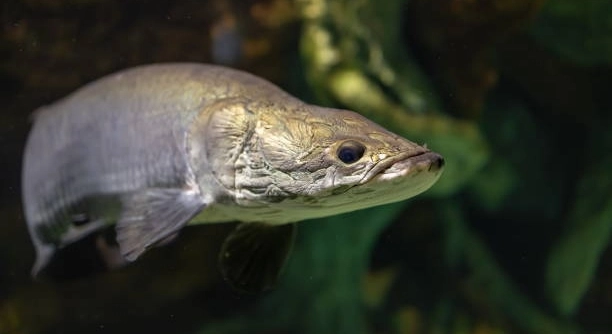
Do you enjoy keeping Arowana in your aquarium and watching their graceful movements throughout the day? These fish are elegant and captivating, often becoming the centerpiece of any home setup due to their striking appearance and behavior.
Arowana can be trained to recognize and respond to their owner through consistent feeding routines and gentle interaction. Positive reinforcement and repetition encourage the fish to associate human presence with food, promoting engagement and observable responses over time.
Observing their reactions can become a rewarding experience, offering insight into their intelligence and temperament. Training techniques are simple yet effective, allowing a closer bond with these fascinating creatures.
Understanding Arowana Behavior
Arowanas are intelligent and observant fish, often showing curiosity about their surroundings. They respond to movement, changes in lighting, and even their reflection. Recognizing patterns, they can anticipate feeding times and react when someone approaches the tank. Their natural hunting instincts make them highly responsive to stimuli, which is why consistent interaction can encourage recognition of their caretaker. While some Arowanas remain cautious, others display bold behavior, swimming close to the glass or following a hand along the tank. Their reactions are influenced by factors such as tank size, water conditions, and diet consistency. Ensuring a calm environment and predictable routine helps them feel secure. Over time, Arowanas can distinguish between different people based on voice tone, hand movement, and feeding gestures. Observation is key to understanding each fish’s unique temperament. This knowledge makes training more effective, as tailored methods increase engagement and responsiveness. Patience and persistence are essential for building trust.
Regular interaction reinforces their learning and strengthens recognition, allowing them to respond more reliably.
Consistency in feeding, gentle gestures, and maintaining a predictable environment significantly improves the Arowana’s responsiveness.
Methods to Train Your Arowana
Training an Arowana requires patience, repetition, and positive reinforcement. Short, consistent sessions work best.
Start by feeding at set times while approaching the tank slowly, allowing the fish to associate movement with food. Use tools such as feeding sticks or tweezers to guide them toward specific locations. Speak softly or tap the tank lightly to create recognizable cues. Gradually, they begin to respond to these signals, swimming toward your hand or designated spot. Avoid sudden movements, which may startle them. Tracking their progress helps adjust methods for maximum engagement. Over weeks, they can learn to follow predictable commands and routines, showing clear acknowledgment of human presence. While not every fish responds identically, consistent reinforcement improves recognition.
Introducing simple cues repeatedly helps solidify their learning and encourages ongoing interaction.
With practice, you can teach them to respond to feeding gestures, recognize your presence, and even perform small behaviors on cue. Building trust is essential, requiring gentle handling and a calm environment. Reinforcing positive responses with food or visual cues strengthens the connection, and each session improves their familiarity with you. Observing their behavior, adapting strategies, and respecting their limits ensures a healthy and engaging training process.
Tools and Supplies for Training
Feeding sticks, tweezers, and floating pellets are essential for guiding an Arowana during training. A consistent environment with proper lighting and clear water also supports recognition and engagement. Small cues like gentle taps or hand movements help reinforce learning over time.
Using feeding sticks allows precise placement of food, encouraging the Arowana to follow specific movements. Tweezers help deliver treats without startling the fish, maintaining a controlled interaction. Floating pellets make it easier for the fish to associate your presence with feeding, while consistent timing strengthens recognition. Clean water, proper temperature, and stable lighting reduce stress, allowing the fish to focus on cues. A calm environment improves learning, as sudden changes can cause avoidance behaviors. Tracking progress and adjusting techniques ensures the fish remains engaged, improving response rates gradually. Observing subtle reactions helps refine the methods for each individual fish, enhancing the training experience.
Maintaining all necessary tools and a predictable routine ensures training sessions are effective and stress-free for the Arowana, fostering consistent engagement and gradual learning.
Common Mistakes to Avoid
Rushing training or using inconsistent cues can confuse Arowanas and reduce their responsiveness. Avoid tapping the glass aggressively or changing feeding schedules frequently.
Overhandling or startling the fish may create fear instead of recognition. Skipping sessions or varying methods too much prevents learning, as Arowanas rely on repetition and consistency. Using excessive force or loud noises can trigger stress responses, making them hide or swim erratically. Neglecting water quality also affects their willingness to engage, as discomfort reduces attention to cues. Avoid overcrowding the tank, which can create territorial conflicts and distract from training. Even small inconsistencies, like moving hands unpredictably or changing lighting suddenly, can disrupt learning. Careful observation and gentle reinforcement help maintain trust, while structured sessions promote reliable responses over time.
Avoiding these mistakes allows training to proceed smoothly, ensuring your Arowana remains calm, attentive, and willing to respond to cues consistently. Consistency, gentle handling, and careful observation are essential for success.
Signs Your Arowana is Responding
An Arowana may swim toward the glass or follow your hand during feeding, showing recognition. Increased activity near you indicates growing familiarity and trust over time.
They may also rise to the water surface when you approach or gently tap the tank. Consistent response to cues signals progress in training and engagement.
Timing and Patience
Training an Arowana requires regular, short sessions to build recognition without causing stress. Daily interactions, even for a few minutes, are more effective than sporadic, longer sessions. Gradual reinforcement helps the fish associate specific movements or gestures with food, creating a predictable pattern. Patience is critical, as learning varies among individual fish. Avoid forcing interactions, and allow the Arowana to engage at its own pace. Observing behavior carefully ensures techniques are adapted correctly, reinforcing positive responses. Over time, the fish becomes familiar with your presence and reacts consistently, demonstrating the benefits of structured, patient training.
Maintaining Engagement
Variety in cues and gentle reinforcement helps prevent boredom. Keep training consistent but subtle to sustain attention and responsiveness.
FAQ
Can Arowanas really recognize their owner?
Yes, Arowanas can learn to recognize the person who regularly feeds and interacts with them. They respond to consistent gestures, movements, and feeding routines. Over time, they associate your presence with food and become more responsive, swimming toward you or following your hand in the tank.
How long does it take for an Arowana to respond?
Response time varies depending on the fish’s temperament, age, and previous experience. Some Arowanas may begin responding within a few weeks of consistent interaction, while others may take several months. Short, daily sessions with gentle cues usually produce the best results.
What are the best feeding methods for training?
Using feeding sticks, tweezers, or floating pellets works well. These tools allow precise placement and help the fish associate your presence with food. Keep feeding sessions consistent in timing and location to reinforce recognition. Avoid sudden movements that might startle the fish.
Can Arowanas become stressed during training?
Yes, they can. Overhandling, sudden gestures, or loud noises may create fear and reduce responsiveness. Maintaining calm, gentle movements and a predictable routine is essential. Stress can also come from poor water quality or overcrowding, so the tank environment must remain stable.
Is it necessary to train every day?
Regular interaction is important but does not need to be excessive. Short, daily sessions of five to ten minutes are sufficient. Sporadic or overly long sessions can confuse or stress the fish. Consistency, not duration, is key to building recognition.
What should I do if my Arowana ignores me?
If the fish does not respond, check water quality, feeding schedule, and stress factors. Ensure your gestures are consistent and gentle. Patience is essential; some fish need more time to learn. Adjusting techniques gradually often improves engagement.
Can Arowanas learn tricks beyond feeding responses?
While Arowanas are intelligent, their responses are generally limited to recognition and following cues related to food. They can learn to swim to specific spots, follow hand movements, or respond to taps, but advanced “tricks” are less reliable than behavioral conditioning with food.
Do all Arowanas respond the same way?
No, individual temperament varies widely. Some are naturally curious and interactive, while others are cautious or shy. Training success depends on respecting the fish’s comfort level and adapting techniques to suit its personality. Patience and observation are key to understanding each fish.
Can I train multiple Arowanas at the same time?
It is possible but more challenging. Dominant fish may take most of the attention, while others stay in the background. Separate sessions or ensuring each fish gets individual cues can improve recognition and prevent competition-related stress.
Are there risks to training Arowanas?
The main risks involve stress from inconsistent handling, overcrowding, or poor water conditions. Gentle, predictable interaction minimizes these risks. Ensuring proper tank size, water quality, and feeding schedules supports both training success and overall health.
Will trained Arowanas always respond consistently?
Responses may vary daily depending on mood, hunger, or environment. Even well-trained Arowanas may ignore cues occasionally. Regular interaction, predictable routines, and monitoring the tank environment help maintain consistent engagement.
How do I know if my training is working?
Signs of progress include swimming toward your hand, rising to the surface during feeding, or following gestures without hesitation. Gradual improvement over weeks indicates successful conditioning. Tracking reactions helps refine techniques and maintain steady progress.
Can older Arowanas learn to respond?
Yes, older Arowanas can still learn, though they may take longer than younger fish. Consistent routines, gentle handling, and patient repetition are especially important for mature fish, as they may be less curious but still capable of recognition.
How does tank setup affect training?
A stable, stress-free environment is crucial. Proper water temperature, cleanliness, and sufficient space allow the fish to focus on cues instead of stressors. Avoid overcrowding and provide areas for the fish to feel secure while still being able to engage during training.
Is positive reinforcement necessary?
Yes, rewarding desired behavior with food or visual cues reinforces learning. Punishment or startling the fish is ineffective and can damage trust. Gentle, predictable reinforcement builds recognition and encourages consistent responses over time.
This FAQ provides practical guidance for training Arowanas while ensuring their well-being, offering clear strategies and considerations for building trust and engagement effectively.
Training an Arowana to respond is a process that requires patience, consistency, and observation. These fish are intelligent and can recognize patterns, especially when they are associated with food and gentle interaction. Unlike smaller fish that may only swim in place or respond instinctively, Arowanas show more awareness of their surroundings. Over time, they can learn to associate a person with feeding and certain cues, such as hand movements or soft taps on the tank. Understanding that each fish has a unique temperament is important. Some may be naturally bold and curious, approaching the glass quickly during feeding, while others remain cautious and take longer to engage. Adapting your approach based on their behavior is key to successful training. Consistency in timing, gestures, and feeding routines helps establish a predictable environment, which is essential for building trust. Small, daily sessions are more effective than long, infrequent interactions because they reinforce learning without causing stress or confusion.
Maintaining a calm and controlled environment plays a significant role in how well an Arowana responds to training. Water quality, tank size, and overall comfort directly influence their willingness to engage. Poor water conditions or sudden disturbances can cause the fish to retreat, undoing progress made during training. Gentle interaction, minimal loud noises, and predictable routines encourage the fish to associate your presence with a positive experience. Using simple tools like feeding sticks, tweezers, or floating pellets makes it easier to guide the fish without startling it. Observing subtle behaviors, such as rising to the surface, following a hand, or swimming toward a specific spot, helps track progress and refine training methods. While advanced tricks are not always feasible, even basic recognition and response to cues enhance the connection between caretaker and fish, making care routines more interactive and enjoyable.
It is important to keep realistic expectations when training an Arowana. Not all fish will respond at the same rate or with the same level of consistency. Individual personality, age, and previous experiences all play a part in how quickly they learn. Patience is essential, as forcing interactions or rushing the process can create stress, reduce responsiveness, and harm the trust between fish and caretaker. Over time, careful observation, consistent routines, and gentle positive reinforcement can lead to noticeable progress, allowing the Arowana to respond reliably to cues and recognize its caretaker. This makes everyday care more rewarding and helps create a more interactive experience with the fish. By respecting the Arowana’s natural behavior and providing a supportive environment, training becomes a practical and enriching part of maintaining a healthy, responsive fish.

Hello,
If you enjoy the content that we create, please consider saying a "Thank You!" by leaving a tip.
Every little bit helps us continue crafting quality advice that supports the health, happiness, and well-being of pets around the world, for pets of all shapes, sizes, and species.
We really appreciate the kindness and support that you show us!