
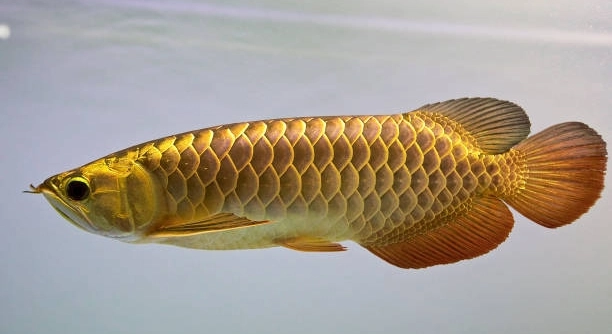
Have you ever noticed your arowana swimming away from certain areas of its tank without any clear reason? These fish are careful about their surroundings, and their movements often reflect comfort, stress, or environmental preferences.
Arowanas avoid specific tank zones due to water flow, lighting, territorial behavior, substrate type, feeding patterns, presence of reflections, and disturbances. Each factor affects their comfort, sense of safety, and natural instincts, leading them to favor certain areas over others.
Observing these patterns can help improve tank conditions and ensure the arowana remains healthy and stress-free in its environment.
Water Flow and Current
Arowanas are sensitive to water movement and often avoid areas with strong currents. In a tank, pumps and filters can create zones where water flows too fast for the fish to swim comfortably. Constant exposure to these currents can cause stress, making the arowana retreat to calmer zones. Slow-moving water mimics natural habitats, allowing them to conserve energy while navigating the tank. Observing where your fish swims can help identify high-flow areas that may need adjustment. Even slight changes in water direction can affect their behavior, especially if other environmental factors, such as tank shape or decorations, amplify turbulence. Providing hiding spots or plants can also help reduce stress from water movement. Understanding the impact of water flow helps maintain a healthy, balanced environment. Regularly checking flow patterns ensures the arowana has both active swimming areas and calm zones for rest, supporting overall well-being and natural behavior.
Strong water flow can make arowanas anxious, prompting them to avoid certain tank sections consistently.
Calmer zones allow the fish to rest, feed comfortably, and display natural swimming patterns without expending excess energy. Observing these preferences can guide tank adjustments to maintain a balanced environment, ensuring the arowana feels secure while still being active.
Lighting Conditions
Arowanas may avoid tank areas exposed to overly bright or harsh lighting.
Lighting affects their comfort and natural activity patterns. Too much light can make the fish feel exposed and stressed.
In their natural habitats, arowanas often inhabit shaded regions under floating plants or submerged structures, avoiding direct sunlight. Bright aquarium lighting can mimic exposure and trigger similar avoidance behavior. Adjusting light intensity or providing floating plants and décor creates shaded zones that the fish can use. Even reflection from glass or water surfaces can cause the fish to shy away from certain areas. Arowanas are crepuscular, meaning they are most active during dawn and dusk. Bright, constant lighting can disrupt these natural rhythms, reducing their activity or causing them to remain hidden. By observing where the fish prefers to swim or rest, you can identify lighting adjustments to improve comfort. Proper lighting management supports feeding behavior, reduces stress, and promotes overall health, helping the arowana feel safe throughout the tank.
Territorial Behavior
Arowanas often avoid areas that feel threatened by other fish or tankmates. They mark zones as personal space and stay away from regions where competition or aggression occurs.
Territorial instincts are strong in arowanas. Even in a spacious tank, they may stake out specific zones and treat these areas as exclusive. Other fish entering these regions can trigger stress or defensive behavior, causing the arowana to retreat. Decorations, hiding spots, and layout also influence perceived territories. The fish may repeatedly swim around preferred zones, avoiding sections where movement feels intrusive. Recognizing these boundaries helps minimize conflicts and ensures the arowana has a comfortable space for swimming, feeding, and resting.
Territorial behavior is linked to dominance, breeding instincts, and overall stress levels. Careful observation of interactions, proper tank size, and thoughtful placement of objects can help reduce tension, allowing the arowana to navigate the tank safely without feeling threatened or forced into avoidance.
Substrate Preferences
Arowanas can be sensitive to the type of substrate in their tank. Sharp or rough materials may discourage exploration of certain areas.
Smooth sand or fine gravel supports natural behavior while preventing injury to delicate fins and scales.
Rough or uneven substrates can cause discomfort or minor damage, prompting the fish to avoid these regions. Arowanas may also be cautious near sudden changes in substrate texture, sticking to familiar areas that feel safe under their bodies. Certain substrates reflect light or disturb water clarity, which can further influence avoidance. Providing a consistent, gentle substrate helps the arowana feel secure while swimming. Consistency in tank design, combined with hiding areas and resting zones, allows the fish to explore comfortably. Observing how the arowana interacts with different surfaces offers insight into its preferences, guiding substrate selection to reduce stress and improve overall tank behavior.
Feeding Patterns
Arowanas often avoid zones where feeding is irregular or where food is scarce. They tend to linger in areas where they feel confident in finding consistent nourishment.
Changes in feeding locations or schedules can make the fish hesitant to explore certain tank sections. Consistency helps them feel secure and maintain natural hunting behavior.
Reflections and Glass
Reflections in the tank glass can confuse arowanas, making them perceive other fish or intruders. This often leads to avoidance of highly reflective zones.
Persistent reflections can trigger stress or defensive reactions, causing the fish to stick to areas where reflections are minimal or absent. Recognizing this behavior allows adjustments to tank lighting, background, and placement of décor, reducing stress and encouraging freer movement throughout the tank.
Disturbances
External disturbances, such as vibrations, sudden movement, or tapping on the tank, can lead arowanas to avoid certain areas.
These fish are sensitive to environmental changes and prefer calm, stable zones. Minimizing disturbances helps maintain their sense of security and encourages natural swimming behavior.
Why does my arowana avoid the corners of the tank?
Arowanas tend to avoid corners if they feel trapped or unsafe. These fish prefer open spaces for swimming and quick movement, so corners can create a sense of confinement. Limited visibility in corners makes it harder for them to detect potential threats or changes in their environment. Over time, they learn to associate corners with stress, especially if water flow or lighting is uncomfortable in those areas. Adding subtle décor or plants near corners can help the fish feel less exposed, giving them options to navigate safely without feeling completely enclosed.
Can strong lighting make my arowana avoid certain tank zones?
Yes, bright or uneven lighting can cause avoidance behavior. Arowanas naturally inhabit shaded waters where light is diffused. Harsh overhead lights or reflections from tank glass can create stress, prompting them to stick to dimmer areas. Adjusting light intensity, using floating plants, or providing shaded regions allows the fish to choose zones where they feel secure, encouraging natural activity.
Does water temperature influence arowana movement in the tank?
Temperature variations can affect swimming patterns. Arowanas prefer stable water temperatures within their optimal range. Cooler or warmer pockets in the tank, often caused by nearby filters, heaters, or uneven circulation, can make the fish avoid those zones. Maintaining consistent temperature throughout the tank ensures even distribution of activity and reduces stress.
Why do arowanas avoid tank areas near other fish?
Arowanas are territorial and can perceive other fish as intruders. Proximity to other tankmates, especially aggressive or active species, may prompt avoidance of shared zones. Proper tank size, adequate hiding spots, and spatial separation between species help reduce territorial stress and promote smoother coexistence.
How does substrate affect arowana behavior?
Rough, sharp, or uneven substrates can make arowanas hesitant to explore certain sections of the tank. They prefer smooth sand or fine gravel that doesn’t harm their delicate fins or scales. Consistent substrate design helps them feel secure and allows natural swimming patterns without risk of injury. Sudden changes in substrate type or texture can trigger avoidance, so maintaining uniformity is key.
Do arowanas avoid areas near tank equipment?
Yes, filters, pumps, and heaters can create zones with excessive water flow, noise, or vibrations. Arowanas may avoid these areas to reduce stress. Positioning equipment carefully and monitoring water movement ensures that the fish has calm zones for resting, feeding, and normal swimming behavior.
Can reflections in the glass stress my arowana?
Reflections can confuse arowanas, making them perceive their own image as another fish. This can lead to stress or aggression, prompting the fish to avoid reflective surfaces. Reducing external light sources, using tank backgrounds, or adjusting décor can minimize reflections and encourage free movement throughout the tank.
How do sudden disturbances impact tank navigation?
Arowanas are sensitive to external disturbances like tapping on the tank, loud vibrations, or sudden movements nearby. These events can trigger avoidance of certain areas, as the fish seeks calm and secure zones. Minimizing sudden disturbances ensures the fish maintains natural behavior patterns and reduces stress.
Why does my arowana stick to one side of the tank?
This is often a combination of factors: water flow, lighting, substrate comfort, or territorial preferences. By observing their favored zones, you can identify environmental adjustments that encourage exploration and balance activity throughout the tank.
Can feeding patterns influence arowana zone preferences?
Yes, arowanas tend to linger in areas where feeding is consistent. Irregular feeding or uneven distribution of food may cause them to avoid certain zones. Establishing a predictable feeding routine and placing food in multiple areas helps them explore the tank safely while maintaining natural hunting behavior.
Do hiding spots affect arowana tank movement?
Hiding spots provide security and encourage exploration. Lack of adequate shelters may cause the fish to avoid exposed areas, while well-placed plants, driftwood, or décor create comfortable zones that allow resting and reduce stress. Observing where your arowana hides most often can guide tank layout improvements.
How long does it take for arowanas to adjust to new tank zones?
Adjustment varies depending on tank conditions, size, and presence of other fish. Some arowanas explore new zones within days, while others may take weeks. Ensuring stable water conditions, minimal disturbances, and consistent feeding routines accelerates comfort in previously avoided areas.
Can tank size influence avoidance behavior?
Smaller tanks limit swimming space, causing stress and avoidance of crowded zones. Providing sufficient size relative to the arowana’s length allows them to establish comfortable territories, move freely, and reduce conflict with tankmates or equipment. Proper tank dimensions are essential for physical and psychological well-being.
Does water quality impact zone preference?
Poor water quality, including high ammonia, nitrite, or nitrate levels, can make arowanas avoid certain areas. Maintaining clean water, regular filtration, and consistent monitoring ensures the fish feel safe throughout the tank and encourages natural swimming patterns.
Are arowanas affected by seasonal or lighting cycles?
Yes, they respond to day-night cycles similar to their natural habitats. Abrupt changes in lighting or extended periods of bright illumination can prompt avoidance behavior. Maintaining a consistent schedule of light and dark periods supports activity patterns and reduces stress, helping them move confidently throughout the tank.
How do tank decorations influence movement?
Tank décor impacts zones arowanas prefer. Overcrowded or poorly arranged decorations can create blocked areas or turbulence, making fish avoid certain sections. Strategically placing plants, driftwood, and rocks ensures open swimming space while providing security, balancing exploration and comfort for natural behavior.
Can stress from previous experiences affect zone avoidance?
Yes, arowanas can remember stressful events, such as aggressive encounters or poor water conditions. These memories can cause long-term avoidance of specific areas. Observing behavior patterns and improving environmental factors helps them regain confidence and explore all parts of the tank safely.
Is it normal for arowanas to have favorite zones?
Yes, favorite zones often reflect comfort, feeding areas, or preferred lighting and water flow conditions. While exploration is normal, consistent preference indicates areas that meet their natural needs, helping you understand how to structure the tank for both activity and rest.
Do arowanas respond to vibrations from outside the tank?
They are highly sensitive to vibrations, such as footsteps, taps, or nearby electronics. Persistent disturbances can cause avoidance of exposed zones, leading the fish to seek calm corners. Minimizing external vibrations improves comfort and allows natural swimming throughout the tank.
Can tankmates influence zone avoidance?
Yes, aggressive or territorial tankmates can push arowanas into preferred zones, avoiding areas where conflict occurs. Careful selection of compatible species, adequate space, and hiding spots reduce stress and allow peaceful coexistence. Monitoring interactions helps ensure balanced use of all tank zones.
Does feeding method affect avoidance behavior?
Feeding from a single point or surface can make fish avoid other areas. Alternating feeding locations or using slow-release methods encourages movement and exploration, maintaining mental stimulation and reducing territorial stress.
Can water current adjustments change zone usage?
Yes, reducing excessive current in certain tank areas encourages exploration and reduces avoidance behavior. Observing swimming patterns after flow adjustments helps identify optimal conditions for balanced activity.
How often should I observe my arowana’s preferred zones?
Regular observation, at least daily during feeding and active hours, helps detect stress, discomfort, or environmental issues. Tracking preferences guides adjustments in lighting, flow, décor, and feeding practices to maintain comfort and natural behavior.
Do arowanas prefer shallow or deeper zones?
They often favor middle or surface areas for feeding and swimming but may retreat to lower zones for resting or hiding. Tank design should include varying depths to accommodate these natural preferences, supporting overall well-being.
Can sudden tank rearrangements cause avoidance?
Yes, moving decorations, filters, or substrate abruptly can stress arowanas and lead to temporary avoidance of altered zones. Gradual changes allow adaptation while maintaining confidence in navigating the tank.
Are reflections from tank equipment a concern?
Yes, shiny or reflective equipment can mimic intruders, causing avoidance. Using matte finishes, repositioning devices, or covering reflective surfaces reduces stress and encourages consistent exploration.
How does tank cleaning affect zone behavior?
During cleaning, arowanas may avoid disturbed areas due to temporary changes in water flow, substrate, or decorations. Performing gradual cleaning and maintaining familiar zones helps reduce stress and prevents long-term avoidance behavior.
Can age or size affect zone preferences?
Younger or smaller arowanas may feel vulnerable in open areas, preferring sheltered zones, while larger fish may assert dominance over specific territories. Observing growth-related changes helps adjust tank layout and provide safe zones for all sizes.
Do arowanas avoid areas with sudden temperature changes?
Yes, sudden drops or spikes in temperature can make fish avoid affected zones. Ensuring stable, uniform temperature throughout the tank maintains comfort and reduces stress-related avoidance behavior.
Is it normal for arowanas to change preferred zones over time?
Yes, as they grow, explore, or experience environmental changes, their favorite zones can shift. Monitoring patterns allows you to adjust tank layout, feeding, and décor to support comfort and natural activity throughout all life stages.
Can external vibrations from nearby equipment influence avoidance?
Yes, consistent vibrations from pumps, air compressors, or nearby devices may cause stress. Reducing exposure or cushioning equipment ensures a calmer environment, encouraging the arowana to explore previously avoided areas.
Do seasonal water parameter changes affect zone preference?
Yes, fluctuations in pH, hardness, or temperature associated with seasonal water changes can influence swimming zones. Maintaining stable water chemistry ensures the fish feel secure and continue to use the entire tank space naturally.
How does tank depth influence avoidance behavior?
Arowanas may avoid very shallow or excessively deep areas that don’t match their natural swimming patterns. Providing moderate depths with gradual slopes accommodates natural instincts, encouraging comfortable movement across the tank.
Can stress from tankmates or previous experiences lead to permanent avoidance?
Persistent stress can create long-term zone avoidance. Improving tank conditions, reducing aggressive interactions, and providing consistent feeding and hiding spots gradually rebuilds confidence, allowing the fish to explore safely and naturally again.
Do arowanas respond to sudden light reflections?
Yes, sharp reflections can be perceived as threats, prompting temporary or consistent avoidance. Adjusting lighting angles and using subdued backgrounds reduces reflective stress, supporting calmer movement patterns throughout the tank.
How do feeding schedules impact movement?
Consistent feeding times encourage a predictable routine, reducing stress and encouraging exploration. Irregular schedules can create anxiety, making the fish stick to familiar zones while avoiding other areas. Establishing routine feeding habits ensures the fish feels secure and active.
Can rearranging decorations help reduce avoidance?
Yes, thoughtful placement of plants, driftwood, and hiding spots can make previously avoided areas more appealing. Gradual adjustments allow the fish to acclimate without stress, promoting balanced use of all tank zones.
Do arowanas prefer certain tank zones for resting versus feeding?
Yes, they often choose calm, sheltered zones for resting and open or surface areas for feeding. Understanding these preferences helps optimize tank layout, ensuring both comfort and access to food without causing stress or avoidance behavior.
Can strong currents from filters influence zone preference?
Excessive currents can push arowanas away from certain zones. Adjusting filter output or redirecting flow reduces stress, allowing the fish to use all areas of the tank while maintaining comfort and natural swimming behavior.
How does substrate color affect movement?
Bright or highly reflective substrates can make arowanas hesitant. Neutral or natural-colored substrates encourage exploration and reduce stress, providing a comfortable environment that supports natural behaviors.
Do arowanas have favorite hiding spots?
Yes, preferred shelters provide safety and reduce stress. Observing which spots are used most often helps inform tank layout, ensuring multiple secure areas to support resting and comfort without limiting movement.
Can reflections from room lights affect zone behavior?
Yes, reflections can be misinterpreted as intruders, causing temporary or consistent avoidance. Adjusting room lighting or tank orientation minimizes reflections, promoting confident movement throughout the tank.
Does tankmate aggression lead to permanent zone avoidance?
Repeated confrontations can cause long-term avoidance of areas dominated by aggressive fish. Providing adequate space, hiding spots, and compatible tankmates reduces stress and allows safer exploration of all zones.
Can sudden water parameter changes trigger avoidance?
Abrupt changes in pH, ammonia, or temperature can make arowanas avoid affected areas. Gradual adjustments and consistent monitoring maintain comfort and encourage natural movement across the tank.
Do arowanas avoid zones near heaters or other equipment?
Yes, strong localized heat or vibrations may lead them to avoid these areas. Positioning equipment carefully and ensuring gentle flow allows safer navigation and reduces stress throughout the tank.
How can I encourage exploration of avoided zones?
Gradual environmental adjustments, consistent feeding, and providing safe hiding spots encourage confidence. Observing preferences and making small changes over time helps the fish explore all parts of the tank comfortably.
Are arowanas sensitive to shadows or sudden movements?
Yes, sudden shadows or external movements can cause avoidance. Minimizing disruptions and maintaining stable conditions encourages relaxed swimming and reduces stress-driven avoidance behavior.
Does tank size influence avoidance patterns?
Smaller tanks increase stress and limit options, leading to avoidance of certain zones. Providing ample space allows natural territorial behavior, reduces conflict, and encourages balanced movement.
How does age affect zone preference?
Younger arowanas may prefer sheltered zones, while adults assert dominance over certain territories. Observing changes with growth helps optimize tank layout and placement of décor to suit all life stages.
Can repeated disturbances create long-term avoidance?
Yes, consistent stress from tapping, vibrations, or sudden movements can lead to persistent avoidance. Reducing disturbances and improving environmental stability allows the fish to regain confidence and explore previously avoided areas.
Do arowanas avoid highly reflective substrates?
Yes, reflections can cause stress, making them stick to areas with subdued colors. Choosing neutral or natural substrate tones supports calmer swimming and natural behavior.
Can feeding techniques reduce zone avoidance?
Distributing food across multiple zones encourages movement and exploration. Using floating feeders or scattering small portions reduces territorial tension and promotes activity throughout the tank.
How long does it take for avoidance behavior to change?
Adjustment depends on the fish and environment. Gradual improvements in water quality, tank layout, and feeding routines can lead to noticeable changes within days to weeks. Patience and observation are essential.
Does tank decoration density influence avoidance?
Overcrowded décor creates blocked or turbulent zones. Strategic placement of plants, driftwood, and rocks ensures open swimming space while providing security, reducing avoidance behavior and stress.
Do arowanas respond to external vibrations differently by size?
Smaller fish may be more sensitive to vibrations, avoiding exposed areas, while larger individuals can tolerate mild disturbances. Observing reactions helps tailor tank layout and placement of equipment for all sizes.
Can gradual light changes reduce zone avoidance?
Yes, slowly increasing or decreasing light intensity allows the fish to acclimate without stress. Abrupt lighting changes often trigger temporary avoidance of brightly lit zones.
Are arowanas affected by water surface agitation?
Strong surface movement can make certain zones uncomfortable. Adjusting pumps or introducing floating plants can reduce agitation, creating calmer zones for swimming and resting.
Do arowanas prefer consistent flow patterns?
Yes, predictable currents allow them to navigate safely and maintain energy. Irregular flow can lead to repeated avoidance of affected zones.
Can substrate depth influence swimming zones?
Very shallow or deep substrate may be avoided. Gradual slopes and consistent depth support natural movement patterns and reduce avoidance behavior.
How do tank backgrounds affect behavior?
Busy or reflective backgrounds may create stress or confusion. Neutral backgrounds reduce perceived threats, encouraging exploration of previously avoided areas.
Does consistent feeding encourage exploration?
Yes, predictable feeding routines provide security, reduce territorial tension, and motivate movement across the tank, helping fish explore all zones comfortably.
Can equipment vibrations impact smaller arowanas more?
Yes, vibrations can stress smaller individuals more, causing avoidance. Stabilizing equipment or placing it away from high-traffic areas reduces disruption and encourages free swimming.
Do seasonal temperature shifts influence zone usage?
Fluctuations in water temperature can make arowanas avoid affected areas. Maintaining stable conditions ensures comfort and encourages consistent activity throughout the tank.
Can sudden changes in water clarity affect behavior?
Yes, cloudy or murky water can trigger avoidance of areas perceived as unsafe. Regular filtration and monitoring maintain clarity, supporting confident movement.
Are arowanas influenced by external vibrations from household activity?
Yes, repeated disturbances can lead to long-term avoidance. Placing the tank in a quieter area and minimizing taps or knocks reduces stress and promotes calm swimming behavior.
How does tank height affect zone preference?
Very shallow or tall tanks may be partially avoided. Providing adequate vertical space with gradual transitions allows the fish to utilize all zones naturally.
Can multiple factors combine to influence avoidance?
Yes, lighting, water flow, substrate, tankmates, and equipment vibrations often interact, affecting zone preference. Observing the fish helps identify the dominant factors, allowing targeted adjustments to reduce stress and encourage exploration.
Does providing multiple hiding spots reduce avoidance?
Yes, shelters give a sense of security, encouraging the fish to explore open zones without feeling threatened, balancing activity and comfort.
Can frequent tank rearrangements increase stress?
Yes, constant changes disrupt familiar zones, causing temporary or long-term avoidance. Gradual adjustments allow adaptation without undue stress, supporting natural behavior patterns.
How do aggressive tankmates influence preferred zones?
Persistent aggression forces arowanas into safe zones. Monitoring interactions and providing ample space and hiding areas reduces stress, allowing balanced use of all tank sections.
Can arowanas become accustomed to minor disturbances?
Yes, over time, they may tolerate small, predictable disturbances. Gradual exposure, combined with a stable environment, encourages confident exploration of all tank zones.
Does substrate consistency affect long-term avoidance?
Inconsistent substrate textures or materials may create permanent avoidance areas. Maintaining uniformity ensures the fish feels comfortable moving freely throughout the tank.
Do arowanas avoid areas with reflections at specific times of day?
Yes, reflections may be more noticeable under certain lighting, such as midday sun or bright artificial light. Adjusting light sources or using shaded areas reduces stress and encourages exploration.
Can regular observation help reduce avoidance behavior?
Yes, monitoring swimming patterns identifies stress triggers, preferred zones, and environmental factors. Small, consistent adjustments in lighting, flow, décor, and feeding routines gradually encourage exploration and natural behavior.
How does water surface activity influence zone preference?
Excessive ripples or bubbles may make certain areas uncomfortable. Reducing agitation through plants or adjusted pump flow helps the arowana feel secure and use all zones naturally.
Are younger arowanas more sensitive to environmental factors?
Yes, juveniles are often more cautious, avoiding exposed or turbulent zones. Providing gentle flow, shaded areas, and hiding spots supports confidence and natural
Arowanas are unique fish with strong instincts that guide how they interact with their tank environment. Observing which areas they avoid can tell you a lot about their comfort and well-being. Factors like water flow, lighting, substrate, tankmates, and disturbances all play a role in shaping their behavior. By paying attention to these details, you can create a more suitable habitat where the fish feels safe and can move freely without stress. Recognizing patterns in their movements helps prevent long-term avoidance behaviors and ensures the tank supports both activity and rest. Arowanas rely heavily on their environment to feel secure, and small adjustments can make a significant difference in their daily habits.
Maintaining proper water conditions and consistent feeding schedules is essential for supporting natural behavior. Irregularities in temperature, water quality, or food distribution can cause them to stick to certain zones while avoiding others. Smooth substrates and gentle water flow encourage exploration and reduce the risk of injury or stress. Thoughtful tank décor, including hiding spots, plants, and open swimming areas, helps the fish navigate confidently. Even minor reflections from glass or equipment can create zones they avoid, so careful placement of lighting and decorations is important. Consistency and stability in the tank environment reduce stress levels and promote arowanas’ overall health. Monitoring their activity regularly allows you to respond quickly to changes and make small corrections before avoidance behavior becomes a bigger issue.
Understanding your arowana’s behavior takes patience, observation, and thoughtful planning. Each fish may develop personal preferences for lighting, substrate, and swimming zones, and these preferences can shift over time as they grow or as conditions change. By creating a tank that balances open spaces, gentle currents, shaded areas, and resting spots, you encourage natural behavior and reduce stress. Addressing factors that influence avoidance helps the arowana feel secure and confident in its environment. With careful attention to details and consistent care, the fish will move comfortably throughout the tank, exploring all areas and enjoying a stable, healthy habitat. Supporting these habits improves long-term well-being and allows you to better understand and enjoy the natural behaviors of this remarkable species.

Hello,
If you enjoy the content that we create, please consider saying a "Thank You!" by leaving a tip.
Every little bit helps us continue crafting quality advice that supports the health, happiness, and well-being of pets around the world, for pets of all shapes, sizes, and species.
We really appreciate the kindness and support that you show us!