
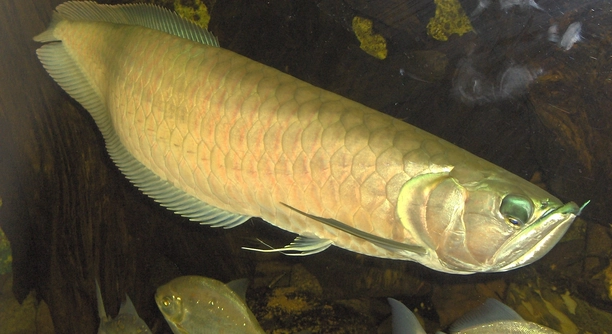
Do you ever set up your aquarium carefully, only to notice your arowana acting restless or avoiding certain areas? Observing their behavior can reveal a lot about the comfort and suitability of their environment.
Arowanas generally dislike tank accessories that restrict swimming space, have sharp edges, or create excessive stress. Items like oversized decorations, rough ornaments, strong-flow filters, bright lights, and artificial plants can negatively affect their movement and natural behavior.
Knowing which accessories can cause discomfort helps ensure your arowana remains healthy and calm, making it easier to create a peaceful and suitable home for this majestic fish.
Overcrowded Decorations
When aquariums are filled with too many ornaments or large items, arowanas can feel trapped. These fish are naturally active swimmers and need open space to glide comfortably. Overcrowded tanks can lead to stress, reduced appetite, and unusual behavior. Even decorations that seem harmless, like tall rocks or oversized plants, may interfere with their natural movement. Observing how your arowana reacts when new items are added can help identify which objects are causing discomfort. It’s better to prioritize minimalistic setups, leaving room for swimming while still providing some visual interest. Choosing fewer, smoother, and strategically placed decorations can make the tank safer. Open swimming areas also allow for better water circulation and easier cleaning. A calm arowana is more likely to display natural colors and behaviors, making the tank more pleasant to observe. Ensuring enough space reduces the risk of accidental injuries from bumping into objects.
Arowanas prefer clear, open swimming zones with minimal obstacles. Less clutter means less stress and better health.
Open, uncluttered tanks also improve filter efficiency and create a more natural environment. With thoughtful decoration choices, arowanas thrive physically and mentally. Observing how your fish interacts with its surroundings provides insight into ideal setups. Smooth surfaces and careful spacing prevent injuries and encourage normal movement. Even simple arrangements with a few well-chosen ornaments can make the tank look attractive while prioritizing the fish’s comfort. The balance between aesthetics and functionality ensures that your arowana has space to swim freely without feeling confined. Minimal decorations reduce territorial aggression and allow easy maintenance, contributing to a healthier tank ecosystem overall. Keeping accessories to a minimum allows more light to reach all areas and promotes natural behaviors, helping the fish remain active and engaged.
Sharp or Rough Ornaments
Sharp edges on decorations can injure arowanas if they bump or brush against them.
Rough or jagged ornaments are particularly risky. Even small cuts can lead to infections or stress in arowanas. Smooth materials and rounded shapes are preferable. Avoid cheap plastic items that might break or have brittle parts. Always inspect decorations before placing them in the tank. Rocks should be sanded or naturally smooth, and artificial plants should not have pointy stems. These adjustments reduce the likelihood of accidents, keeping the fish safe. Protective measures also include placing decorations strategically to prevent collisions. Over time, this approach encourages natural swimming and feeding behaviors. Arowanas are sensitive to environmental hazards, and even minor injuries can affect their appetite or mood. Maintaining a tank with safe, well-chosen accessories ensures a healthier and more comfortable space for your fish, supporting both physical and behavioral well-being. Proper care and attention to detail in selecting tank items can make a significant difference in your arowana’s quality of life.
Strong-Flow Filters
Strong water currents can stress arowanas, making them tire quickly. These fish prefer gentle flow that allows them to swim naturally without constant resistance, which can otherwise affect their health and behavior.
High-powered filters create fast currents that push arowanas around the tank. Continuous swimming against strong water flow can lead to fatigue, muscle strain, and loss of appetite. In extreme cases, it may even cause injuries if the fish repeatedly collide with tank walls or decorations. Adjusting the filter to a gentler setting or redirecting the flow with baffles can help maintain a calmer environment. Choosing filters designed for large, slow-moving fish ensures adequate filtration without excessive current. Positioning the outlet to create circulation without turbulence is key. Monitoring the arowana’s swimming patterns helps identify if adjustments are necessary. Proper flow management supports natural behavior, reduces stress, and keeps the fish healthy over time.
Gentle filtration prevents unnecessary stress, allowing arowanas to swim comfortably while maintaining clean water conditions.
Bright or Harsh Lighting
Bright or constantly flashing lights can startle arowanas, causing them to hide or become agitated.
Arowanas are sensitive to light intensity, and excessive brightness can disrupt their daily rhythm. Fluorescent or LED lights placed too close to the water surface can cause stress and erratic behavior. Using dimmable lighting or providing shaded areas helps the fish feel secure. Lighting should mimic natural conditions, with a consistent day-night cycle to support feeding, rest, and natural activity. Overly harsh lights can also highlight flaws in tank design, making the fish feel exposed. Observing their reactions to different lighting levels helps determine the optimal setup. Proper light management ensures a balanced environment, encouraging natural swimming and reducing signs of stress like fin clamping or hiding. Adjusting brightness gradually, rather than sudden changes, minimizes disturbances and supports overall well-being.
Moderate, well-positioned lighting promotes calm behavior and maintains arowana health, allowing them to thrive in a stable tank environment.
Small or Crowded Tanks
Arowanas need ample swimming space to move freely. Small or crowded tanks restrict their movement, causing stress and affecting growth.
Limited space also increases the risk of collisions with decorations or other fish. Ensuring a larger tank promotes natural behavior and reduces anxiety.
Artificial Plants
Artificial plants with rough edges or dense clusters can injure arowanas or block swimming paths. Choosing smooth, sparse alternatives prevents accidents and allows better water circulation.
Floating Ornaments
Floating items can startle arowanas, disrupting swimming patterns and feeding habits. Securely anchored decorations maintain a calm environment.
What are the most common accessories that arowanas dislike?
Arowanas generally dislike items that restrict their movement or create stress. Large, overcrowded decorations, sharp or rough ornaments, strong-flow filters, and artificial plants are typical accessories that can negatively impact their behavior. Floating ornaments or bright, harsh lighting also cause discomfort. Smooth, spacious, and minimally intrusive items are preferred.
Why is tank space so important for arowanas?
Arowanas are active swimmers that require open space to move freely. Small or overcrowded tanks limit their natural swimming behavior and can lead to stress, fatigue, and even injuries. A larger tank allows better circulation, easier maintenance, and reduces the risk of territorial disputes or collisions with decorations.
Can lighting affect arowana behavior?
Yes, bright or inconsistent lighting can stress arowanas. Excessively bright lights or rapidly changing illumination may cause hiding, erratic swimming, or clamped fins. Providing dimmable lights or shaded areas helps the fish feel secure and maintain natural daily rhythms. Consistent lighting mimics their natural environment and supports normal feeding patterns.
How do strong water currents impact arowanas?
Strong-flow filters generate currents that can exhaust arowanas as they swim against the flow. Continuous resistance may result in fatigue, muscle strain, or loss of appetite. Adjusting filter speed, redirecting water flow, or using baffles can create gentler circulation while maintaining adequate filtration. Monitoring their swimming ensures they remain comfortable.
Are artificial plants safe for arowanas?
Artificial plants can be safe if they are smooth and sparsely arranged. Dense clusters or rough edges may injure fins or block swimming paths. Choosing flexible, rounded plants or limiting their number prevents accidents and allows arowanas to navigate the tank naturally without obstruction.
Do floating decorations cause problems?
Floating items may startle arowanas, disrupting feeding and movement. They can drift unexpectedly or create areas of turbulence. Anchoring decorations securely and avoiding overly buoyant items ensures the fish swim calmly and reduces stress. Observing their reactions helps identify which objects interfere with daily behavior.
How can I make my tank more comfortable for arowanas?
Minimizing clutter, using smooth ornaments, providing gentle water flow, and moderating lighting are key steps. Arowanas respond well to open swimming areas and fewer obstacles. Regular observation allows adjustments if stress or unusual behavior occurs. Safe decoration placement, combined with clean, spacious conditions, promotes physical and mental health.
Can tank accessories affect arowana growth?
Yes, overcrowded or unsafe accessories can limit swimming and exercise, directly impacting growth. Restricted movement may reduce muscle development and appetite. Properly spaced, smooth, and safe items allow arowanas to swim freely, supporting natural growth, better coloration, and overall well-being in a controlled environment.
Are there accessories arowanas enjoy?
While arowanas dislike clutter, they do benefit from minimalistic decorations that create visual interest without restricting movement. Smooth driftwood, low-lying rocks, or gentle plants provide structure and hiding spots without stress. Strategic placement encourages natural exploration and prevents boredom while maintaining safety and comfort.
How often should I check accessories for safety?
Regular inspection is important. Sharp edges, broken parts, or shifting items can injure arowanas over time. Checking decorations weekly ensures they remain safe and stable. Adjusting or replacing risky items keeps the tank environment secure, preventing accidents and reducing stress for the fish.
Can tank accessories influence arowana temperament?
Yes, unsafe or stressful accessories can increase aggression, hiding, or lethargy. Providing a calm, open, and safe environment supports natural behavior and reduces anxiety. Proper placement of decorations and gentle water flow helps maintain a balanced temperament, ensuring the fish are active, healthy, and less prone to stress-related issues.
What is the best approach to decorating an arowana tank?
Keep it minimal. Prioritize smooth ornaments, open swimming areas, gentle water flow, and moderate lighting. Avoid overcrowding, rough surfaces, or floating objects that may startle the fish. Observing how the arowana interacts with the environment helps fine-tune decoration choices for optimal comfort and long-term health.
How do I know if an accessory is causing stress?
Signs include hiding, clamped fins, erratic swimming, reduced appetite, or collisions with objects. Observing daily behavior allows you to identify problematic items. Removing or adjusting the accessory and monitoring changes in behavior confirms whether it was the source of stress. Consistent patterns provide reliable insight.
Are there materials that arowanas particularly dislike?
Arowanas avoid rough, brittle, or sharp materials like certain plastics, jagged rocks, or cheap artificial plants. Smooth wood, sanded stones, and rounded decorations are safer. Materials that may leach chemicals into water should also be avoided to prevent both stress and health issues.
How much space should be left around decorations?
Ensure ample open swimming space. Decorations should not block major tank areas or restrict movement. At least half the tank should remain unobstructed, allowing the arowana to glide freely. Proper spacing improves circulation, reduces stress, and encourages natural swimming and feeding behaviors.
Can arowanas adapt to new decorations?
Yes, but adaptation requires patience. Gradually introducing new items and monitoring reactions helps prevent stress. Sudden changes in layout, sharp objects, or crowded accessories may overwhelm them. Allowing a period of adjustment supports comfort while maintaining healthy swimming and exploration behaviors.
How important is water circulation with accessories?
Water flow must remain consistent and gentle around decorations. Blocked circulation from overcrowded items or dense plants can create stagnant zones, leading to poor water quality. Properly arranged accessories combined with controlled flow ensure oxygenation, waste removal, and a safe swimming environment for arowanas.
Do different arowana species have varying accessory preferences?
Yes, some species prefer more open water, while others may tolerate moderate decoration. Observing your specific arowana’s behavior is essential to choose safe and suitable accessories. Adjustments based on swimming patterns, stress levels, and interactions with objects ensure optimal comfort for any species.
How can I safely introduce decorative changes?
Introduce one item at a time, ensuring it is smooth, secure, and non-intrusive. Monitor reactions over several days. Gradual changes allow the arowana to acclimate without stress. Avoid frequent or sudden rearrangements, as these can disrupt established swimming paths and comfort zones.
What is the long-term impact of unsafe accessories?
Chronic stress from unsuitable decorations can lead to poor health, slow growth, fin damage, and behavioral issues. Over time, repeated injuries or constant agitation reduce lifespan and quality of life. Safe, thoughtful accessories support physical well-being, natural behavior, and long-term happiness in the tank.
Can accessories affect feeding habits?
Yes, stress from overcrowded, sharp, or floating items may make arowanas reluctant to eat. Providing clear, calm areas around feeding zones encourages normal appetite and reduces anxiety. Observing feeding behavior in relation to decoration placement helps identify obstacles that interfere with nutrition.
Are there inexpensive ways to make a tank arowana-friendly?
Yes, simple smooth stones, sanded driftwood, and minimal artificial plants provide structure without stress. Avoid cheap plastics with rough edges. Prioritizing safe, open, and clean spaces ensures comfort without high costs. Thoughtful arrangement is more important than decorative quantity or complexity.
How often should I rotate or remove accessories?
Rotation is rarely necessary. Focus on stability and safety. If an item becomes damaged or obstructive, remove it immediately. Avoid frequent rearrangements, which may stress the arowana. Monitoring behavior is the best guide for deciding whether changes are needed.
What signs indicate an accessory is beneficial?
Arowanas will swim freely, display natural coloration, feed normally, and rest comfortably. Calm behavior, exploratory swimming, and interaction without stress signals that the environment is well-suited. Observing these indicators helps maintain a balanced and safe tank setup.
How do I balance aesthetics with arowana comfort?
Keep decorations minimal, smooth, and strategically placed. Focus on open swimming space and gentle water flow. Choose items that enhance appearance without creating hazards. Simplicity, safety, and functionality create an attractive tank while prioritizing the arowana’s health and natural behavior.
Can tank accessories influence breeding or social behavior?
Yes, overcrowded or unsafe items may cause aggression, hiding, or stress, reducing breeding activity. Providing open, calm spaces encourages normal social interactions. Proper accessory selection supports mating behavior, territorial awareness, and reduces conflicts between tank mates.
What are the easiest accessories to maintain?
Smooth rocks, driftwood, and minimal artificial plants are low maintenance. They are easy to clean, durable, and less likely to trap debris. Reducing complex items also simplifies water circulation and reduces the likelihood of damage or injury to arowanas.
How should I monitor accessory impact over time?
Observe swimming patterns, feeding behavior, and physical condition regularly. Note any injuries, hiding, or fin clamping. Gradually adjust decorations and track changes to ensure ongoing safety and comfort. Long-term monitoring ensures a stable, stress-free environment for your arowana.
Are natural materials better than artificial ones?
Often yes, as smooth driftwood and sanded stones are safer and more stable. Artificial items must be carefully selected to avoid sharp edges, toxic materials, or instability. Natural materials also provide a more realistic environment while minimizing stress and injury risks.
How can I prevent injuries from decorations?
Use smooth, rounded, and non-toxic materials. Avoid overcrowding, sharp edges, or floating objects. Inspect items regularly for wear or damage. Correct placement and secure anchoring reduce collisions and injuries, ensuring a safe swimming environment for the arowana.
Do arowanas show preferences for certain decoration types?
Yes, they often favor open spaces and smooth objects they can navigate safely. Avoiding excessive clutter and providing gentle visual landmarks creates a comfortable environment that encourages natural swimming and exploration. Observing behavior helps identify preferred decoration types.
How can I improve water quality with accessories present?
Avoid dense arrangements that block flow. Smooth, minimal decorations allow proper circulation and oxygenation. Keep surfaces clean, remove debris, and maintain regular water changes. Strategic placement ensures waste is removed efficiently, supporting both water quality and arowana health.
What is the safest way to introduce new items?
Gradual introduction is key. Ensure smooth surfaces, proper spacing, and secure placement. Observe reactions for several days. Avoid sudden changes or large quantities at once, which may cause stress or disrupt swimming patterns.
How often should I clean decorations?
Clean items regularly to prevent algae, debris, or sharp edges from forming. Weekly or biweekly cleaning ensures surfaces remain safe. Avoid harsh chemicals; gentle scrubbing and rinsing maintain cleanliness without harming arowanas or altering water chemistry.
Can decorations impact water temperature or light distribution?
Yes, oversized or dense items may block light or create shaded zones, affecting plant growth and fish behavior. Proper placement ensures consistent temperature and lighting, helping arowanas maintain normal activity, feeding patterns, and overall comfort.
Are there common mistakes in decorating for arowanas?
Overcrowding, sharp materials, strong currents, bright lighting, and floating items are frequent errors. Ignoring open swimming space or neglecting gradual introduction can also stress fish. Awareness and careful planning prevent these issues. Proper design prioritizes safety, comfort, and natural behavior.
What should I do if an accessory causes injury?
Immediately remove the item and assess the fish for cuts or stress. Treat injuries if necessary, and monitor recovery. Replace the object with a safe alternative. Quick response minimizes long-term harm and maintains a healthy tank environment.
How do I maintain a balance between tank safety and visual appeal?
Focus on smooth, minimal decorations, open swimming areas, and gentle flow. Use natural materials and strategic placement. A visually appealing tank can be safe and functional by prioritizing the arowana’s comfort while still creating an aesthetically pleasing environment.
Are there seasonal considerations for accessories?
Seasonal changes in lighting or temperature may affect fish comfort. Avoid rearranging decorations frequently to accommodate minor seasonal shifts. Ensure accessories remain stable and safe throughout the year, maintaining consistent swimming areas and calm environments regardless of external changes.
Can accessories influence social interactions in community tanks?
Yes, overcrowded or sharp decorations may increase aggression or hiding among multiple fish. Open spaces with smooth, non-intrusive items promote safer social interactions, reduce stress, and allow each fish to navigate freely, encouraging normal behavior and minimizing conflicts.
How do I know if my arowana tank is well-decorated?
A well-decorated tank allows free swimming, reduces stress, and encourages natural behavior. Calm, active arowanas with good appetite and normal coloration indicate a suitable environment. Observation is the best measure, ensuring decorations support comfort, safety, and health.
Can accessories help mimic a natural habitat?
Yes, smooth driftwood, sanded stones, and minimal, safe plants can replicate a natural environment. Careful selection provides visual interest without restricting movement. Mimicking natural habitats supports normal behavior, reduces stress, and promotes overall well-being in arowanas.
Are there any accessories completely safe for all arowanas?
No item is universally safe, but smooth, rounded, and minimal decorations are generally suitable. Individual fish may react differently, so monitoring behavior and adjusting as needed ensures ongoing safety. Observation and adaptation are essential for maintaining a comfortable environment.
How does tank size interact with accessory placement?
Larger tanks allow more flexibility in decoration placement, while smaller tanks require careful planning to avoid crowding. Open swimming areas remain critical, regardless of size. Proper spacing in any tank supports stress-free movement, reduces injuries, and maintains natural behavior.
Is it better to have fewer accessories or many small ones?
Fewer, well-placed items are safer. Many small accessories can create clutter, restrict movement, and increase stress. Prioritizing open areas with a few smooth decorations allows natural swimming and reduces the risk of injury, promoting overall health.
How do I adjust decorations for a growing arowana?
As arowanas grow, ensure swimming space remains sufficient. Remove or reposition objects that become restrictive. Monitor behavior and adjust accordingly. Growth may require fewer or larger open zones, emphasizing comfort and natural movement over decorative quantity.
What role do anchored plants play in tank safety?
Properly anchored plants prevent floating or drifting hazards, reducing stress and collisions. Smooth stems and leaves allow safe interaction. Anchoring helps maintain water flow, prevents obstruction, and supports stable tank design, creating a calm environment for arowanas.
Can decorations affect water parameters?
Yes, some materials may alter pH, hardness, or chemical composition. Use inert or natural items like driftwood or sanded stones. Avoid plastics that leach toxins. Stable water parameters reduce stress and support overall arowana health.
How can I prevent boredom with minimal decorations?
Strategically placed safe objects create exploration zones without clutter. Occasional rearrangements, done gradually, provide novelty while maintaining comfort. Balanced visual interest supports mental stimulation, natural behavior, and reduces stress for arowanas.
Are there accessories to avoid entirely?
Sharp, jagged, brittle, or floating items that can block swimming or injure fish should be avoided. Overcrowding, strong-current devices, and harsh lighting are also unsuitable. Focus on smooth, secure, and minimally intrusive items to ensure safety and comfort.
How should I prioritize accessory selection?
Safety and swimming space come first. Then consider gentle aesthetics, minimal obstruction, and functional items. Monitor behavior to fine-tune choices. Prioritizing these factors ensures a calm, healthy, and visually appealing environment for arowanas.
Can accessories influence longevity?
Yes, unsafe or stressful environments can reduce lifespan by causing injuries, chronic stress, or poor feeding. Properly selected and placed accessories support health, natural behavior, and growth, contributing to a longer, healthier life for arowanas.
How do I balance tank maintenance with decoration safety?
Choose smooth, minimal items that are easy to clean. Avoid hard-to-reach or complex arrangements that trap debris. Simple layouts allow effective cleaning, proper circulation, and ongoing safety, reducing stress for both the arowana and the caretaker.
What are the top three considerations when adding any accessory?
Ensure it is safe, non-intrusive, and promotes natural swimming. Avoid overcrowding, sharp edges, and strong currents. Observe the arowana’s reactions and adjust placement as needed. Safety, comfort, and functionality should always guide accessory choices.
How do I know when it’s time to remove an accessory?
Signs include observed injuries, persistent stress, obstruction to swimming, or poor interaction. Immediate removal prevents harm. Replacing the item with a smooth, safe alternative maintains comfort and allows normal behavior to continue.
Can accessories influence tank aesthetics without harming arowanas?
Yes, minimal, smooth decorations can enhance visual appeal while keeping swimming space open. Thoughtful placement, natural materials, and moderate lighting create an attractive environment that prioritizes comfort and health over excessive ornamentation.
What is the role of observation in managing tank accessories?
Observation is crucial. Monitoring swimming patterns, feeding, coloration, and stress signs allows identification of problematic items. Adjusting or removing objects based on behavior ensures long-term comfort, safety, and overall well-being for the arowana.
How often should I review accessory choices?
Regularly, especially after growth, behavioral changes, or new additions. Periodic evaluation ensures items remain safe, non-intrusive, and suitable for the arowana’s size and activity level. Ongoing assessment maintains a calm, healthy environment.
Can temperature and lighting changes affect accessory safety?
Yes, sudden shifts may interact with decorations, altering currents, shadows, or exposure. Ensure objects remain stable, smooth, and non-obstructive regardless of changes in environment, preserving a consistent, comfortable habitat for the fish.
Are there any DIY options for safe accessories?
Yes, smooth rocks, sanded driftwood, and rounded decorations can be prepared at home. Ensure no sharp edges, toxic materials, or unstable components. DIY options can be inexpensive and tailored to maintain safe swimming areas and gentle environmental flow.
How does accessory placement affect feeding behavior?
Objects near feeding zones can block access or create stress, reducing appetite. Clear, calm areas around feeding points encourage normal eating patterns. Observing how arowanas interact with decorations during feeding identifies potential obstacles and ensures consistent nutrition.
What adjustments are needed for juvenile versus adult arowanas?
Juveniles require more open space relative to their size and fewer sharp objects. Adults need larger open zones and stable, minimal decorations to accommodate growth. Adjust spacing, placement, and swimming area as the fish matures to maintain comfort and safety.
Can overcrowding accessories lead to disease?
Yes, blocked water flow, trapped debris, and stress from overcrowding increase the risk of infections, fin rot, and other diseases. Smooth, minimal decorations and regular cleaning reduce these risks while maintaining a safe environment.
How important is gradual introduction of all new items?
Gradual introduction prevents stress and
Final Thoughts
Creating a comfortable environment for your arowana is essential for its health and happiness. Tank accessories play a significant role in shaping this environment, and careful selection is key. Overcrowded tanks, sharp or rough ornaments, strong-flow filters, bright lights, floating items, and dense artificial plants can all cause stress or injury. Paying attention to your fish’s behavior and reactions to new items is critical. Even small changes in decoration or lighting can have a noticeable impact on swimming patterns, feeding, and overall activity. By choosing smooth, minimal, and well-placed decorations, you ensure that your arowana has ample space to swim freely while still creating a visually appealing tank. Properly designed tanks encourage natural behavior and reduce stress-related issues, which is essential for the long-term health of the fish. Observing your arowana on a daily basis helps you identify any accessories that may be causing discomfort or agitation, allowing you to make adjustments before problems develop.
Tank size and layout are equally important. Arowanas are large, active fish that require significant swimming space. Small or crowded tanks can limit movement, leading to fatigue, stress, or even injuries from collisions with tank walls or decorations. It is better to prioritize open areas with a few carefully chosen ornaments rather than overcrowding the tank with numerous decorations. Smooth driftwood, sanded rocks, and minimal artificial plants work well because they provide visual interest without obstructing swimming space. Proper spacing between objects also supports better water circulation, making it easier to maintain a clean and healthy tank. Additionally, gentle water flow from filters and moderate, consistent lighting help create a calm environment where your arowana can thrive. Maintaining these conditions not only supports physical well-being but also encourages natural behaviors such as exploration, feeding, and resting.
Regular maintenance and thoughtful observation are the final pieces of the puzzle. Inspect all decorations for sharp edges, wear, or instability, and clean them regularly to prevent algae buildup or trapped debris. Gradually introducing new items allows your fish to adjust without stress, while removing or replacing objects that cause negative reactions ensures a safer environment. By balancing aesthetics with functionality, you can create a tank that looks attractive while prioritizing the comfort and health of your arowana. The goal is a calm, spacious, and well-organized habitat where the fish can move freely, feed properly, and display natural behaviors. Paying attention to these details supports long-term health, enhances coloration, and encourages active, stress-free living. Thoughtful planning, careful monitoring, and consistent care make all the difference in providing an environment where your arowana can thrive and remain a striking, healthy presence in your home aquarium.

Hello,
If you enjoy the content that we create, please consider saying a "Thank You!" by leaving a tip.
Every little bit helps us continue crafting quality advice that supports the health, happiness, and well-being of pets around the world, for pets of all shapes, sizes, and species.
We really appreciate the kindness and support that you show us!