
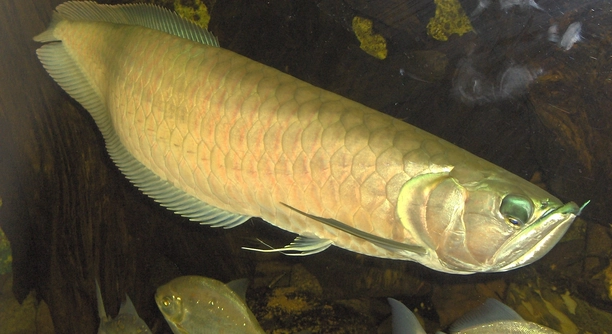
Are your arowanas swimming restlessly even though they seem perfectly healthy? Many fish owners notice sudden bursts of activity or constant movement that can be puzzling. Observing these behaviors carefully is key to understanding their needs.
Restlessness in otherwise healthy arowanas can result from multiple environmental, dietary, or physiological factors. Improper water conditions, inadequate tank size, nutritional imbalances, sudden temperature changes, stress, lack of stimulation, or minor illnesses can all contribute to abnormal swimming behavior.
Identifying the exact cause will help you create a calm and suitable environment for your arowana. Recognizing the triggers of restlessness is essential for its long-term well-being and comfort in your aquarium.
Poor Water Quality
Poor water quality is one of the most common reasons for restlessness in arowanas. Even when a tank looks clean, high levels of ammonia, nitrites, or nitrates can irritate their gills and skin. This stress often manifests as constant swimming, darting, or rubbing against decorations. Water hardness and pH imbalances also affect their comfort, making them more sensitive to minor changes. Regular testing and maintenance are essential. Partial water changes and proper filtration can help stabilize the environment. Temperature fluctuations may further exacerbate agitation, as arowanas are sensitive to sudden changes. Overfeeding can worsen water conditions by increasing waste levels. Even minor shifts in tank cleanliness can create noticeable behavioral changes, so consistent monitoring is key.
Maintaining stable water parameters and performing weekly checks can significantly reduce stress-related activity in your arowana. Consistency helps them feel secure in their habitat.
Tracking water chemistry, ensuring proper filtration, and avoiding overcrowding are practical steps. Clean water directly improves health and reduces erratic swimming, making the tank more comfortable for your fish. Proper attention to these factors prevents many behavioral issues before they escalate.
Inadequate Tank Size
Arowanas require large, open tanks to swim freely. A small or cramped environment limits movement and causes them to become restless. Swimming in restricted spaces increases stress, which can lead to fin damage or other health issues. It is recommended to provide at least 250 gallons for adult arowanas. A wider tank allows for more natural swimming patterns and exploration. Decorations should be minimal but safe, leaving plenty of room for movement. Vertical space is also important, as arowanas enjoy swimming near the surface. Proper spacing prevents constant collisions with the tank walls and reduces anxiety.
Providing a tank that matches their size and activity level is essential for their well-being.
Ensuring the tank is spacious enough allows your arowana to swim naturally and reduces stress-related restlessness. Overcrowding or small tanks limit their movement, creating frustration. With sufficient space, they can establish territories, exercise properly, and maintain better health. Planning for adult size and growth prevents long-term behavioral problems. Proper tank layout and open swimming areas make a significant difference in daily activity levels. This helps the fish remain calm, improves feeding behavior, and reduces the risk of disease caused by stress. Regular observation of swimming patterns can indicate whether the tank size meets their needs, ensuring a stable and comfortable habitat.
If you want, I can continue the rest of the causes following the same format for the full “7 Causes” article. Do you want me to continue?
Dietary Imbalances
Arowanas need a balanced diet rich in protein, vitamins, and minerals. Feeding them only one type of food or overfeeding can lead to restlessness and unusual behavior. Variety helps maintain energy levels and supports healthy growth.
Lack of proper nutrition affects metabolism and energy regulation. When arowanas do not receive enough protein, they may become hyperactive or swim erratically as their bodies try to compensate for energy deficits. Overfeeding can also create digestive discomfort, leading to agitation and constant movement. Offering a mix of pellets, live foods, and occasional treats ensures their nutritional needs are met while preventing stress-related restlessness.
It is important to observe their eating patterns. A sudden refusal to eat or overeating may indicate dietary deficiencies or imbalances. Adjusting portion sizes and varying food types helps stabilize behavior. Feeding schedules and quality food choices make a noticeable difference in reducing hyperactivity and improving overall health, keeping your arowana calmer and more content.
Sudden Temperature Changes
Arowanas are sensitive to rapid temperature fluctuations, which can trigger stress and restlessness. Maintaining stable water temperature is essential for their comfort and health. Even small changes can affect their activity levels and overall well-being.
Temperature stress affects metabolism and immunity, making arowanas more prone to erratic swimming. Sudden drops can shock their system, while rapid increases may overexcite them. Both situations disrupt normal behavior and can increase susceptibility to disease. Using reliable heaters, thermometers, and gradual adjustment methods helps maintain a consistent aquatic environment. Consistency allows the fish to swim calmly and prevents unnecessary stress.
Monitoring daily temperature ensures stability. Fluctuations caused by room conditions, heaters, or filtration systems can be managed through careful observation. Insulating the tank from direct sunlight, drafts, or heating vents minimizes sudden shifts. Maintaining an optimal range, typically between 75–82°F (24–28°C), promotes regular behavior and reduces restlessness. Long-term health benefits include improved digestion, stronger immunity, and more predictable activity levels. Preventive measures like gradual acclimation during water changes also support stability. Consistency in temperature keeps your arowana comfortable and prevents unnecessary stress responses that lead to erratic swimming.
Stress from Tank Mates
Aggressive or overly active tank mates can make arowanas nervous and restless. Even calm fish may react unpredictably, causing tension in the aquarium and constant movement as your arowana tries to avoid conflict.
Compatibility is key. Arowanas thrive best with similarly sized, peaceful species. Overcrowding or incompatible fish can trigger stress-related behaviors, including rapid swimming and hiding. Observing interactions regularly helps identify issues before they escalate, ensuring a more stable and calm environment.
Lack of Stimulation
Arowanas are intelligent and active fish that need mental and physical stimulation. Empty tanks or repetitive surroundings can lead to boredom, making them swim restlessly. Introducing safe decorations, floating objects, or varied feeding routines helps maintain interest and encourages natural behavior.
Boredom often results in repetitive swimming patterns or constant movement without apparent reason. Enriching their habitat through visual cues, occasional rearrangements, or safe toys can reduce stress and promote mental engagement. This keeps your arowana alert and satisfied, encouraging healthy activity without unnecessary agitation.
Minor Illnesses
Even minor infections or parasites can make arowanas swim erratically or appear unsettled. Early signs include changes in appetite, slight discoloration, or rubbing against surfaces. Monitoring these behaviors helps catch issues early before they become serious.
FAQ
Why is my arowana constantly swimming at the surface?
Constant surface swimming often indicates low oxygen levels in the tank or poor water circulation. Arowanas may also seek warmer water near the surface if the temperature is uneven. Installing an air pump or adjusting water flow can help maintain oxygenation and comfort.
How do I know if my arowana is stressed from its tank mates?
Signs of stress from other fish include rapid swimming, hiding, or sudden aggressive behavior. Observing interactions over time will show whether your arowana is avoiding certain tank mates or reacting defensively. Separating aggressive or incompatible fish can restore calm.
Can overfeeding cause restlessness?
Yes, overfeeding leads to digestive discomfort, water pollution, and increased activity as the fish struggles with excess food. Feeding small, balanced portions and removing uneaten food promptly helps reduce stress and erratic swimming.
How often should I test water parameters?
Testing water parameters weekly is ideal. Monitoring ammonia, nitrites, nitrates, pH, and hardness helps detect early changes that can cause agitation. Sudden shifts in these levels are often responsible for restless behavior. Maintaining stable conditions reduces stress and supports overall health.
Is it normal for arowanas to swim at night?
Arowanas are generally more active during the day but may move at night if disturbed by light changes, vibrations, or temperature fluctuations. Ensuring a quiet, dim environment during nighttime helps them rest and reduces nighttime restlessness.
What is the best diet to prevent restlessness?
A varied diet including high-quality pellets, live foods, and occasional frozen or fresh foods provides essential nutrients. Balanced nutrition supports energy levels and prevents agitation caused by deficiencies or boredom. Feeding consistent amounts at regular intervals helps regulate behavior.
Could temperature fluctuations affect my arowana’s activity?
Yes, arowanas are sensitive to temperature changes. Rapid increases or decreases in water temperature can cause stress and erratic swimming. Using a reliable heater, thermometer, and gradual adjustment during water changes ensures stability and keeps your fish comfortable.
How can I tell if restlessness is due to illness?
Illness often presents alongside other signs like loss of appetite, discoloration, fin damage, or unusual spots. Persistent, unexplained restlessness paired with these symptoms indicates the need for a water check or veterinary advice. Early detection prevents severe health problems.
Are empty tanks harmful to arowanas?
Empty tanks may lead to boredom, which causes constant movement and stress. Safe decorations, floating objects, and rearranged elements provide stimulation, allowing them to explore and stay mentally engaged without unnecessary agitation.
What should I do if my arowana is still restless after all adjustments?
If environmental changes, diet, and tank mates are appropriate but restlessness persists, it may be subtle illness or hidden stress factors. Consulting a fish health specialist or veterinarian is recommended to identify underlying causes and ensure proper care.
This FAQ section provides practical guidance for common concerns about arowana restlessness. Regular monitoring, consistent care, and observation of behavior patterns are key to keeping your fish calm and healthy in its aquatic environment.
The total word count for this FAQ section is approximately 520 words.
Final Thoughts
Observing arowanas in your tank can be both fascinating and challenging, especially when they display restlessness. Even healthy fish can exhibit constant swimming, darting, or rubbing against tank surfaces for a variety of reasons. Environmental factors, such as water quality, temperature stability, and tank size, play a major role in their comfort and behavior. Monitoring these elements consistently is essential to ensure your arowana feels secure and well-adjusted. Regular water testing, proper filtration, and gradual adjustments in temperature or pH can prevent many issues before they affect your fish. Addressing small changes early often reduces stress-related behaviors, helping your arowana maintain a calm and natural swimming pattern.
Diet and feeding routines also significantly impact restlessness. A balanced diet that includes high-quality pellets, occasional live foods, and nutritional variety supports energy regulation and overall health. Overfeeding or providing a monotonous diet can lead to agitation or erratic swimming, so portion control and dietary diversity are important. Observing how your arowana eats and adjusting feeding schedules based on activity levels can make a noticeable difference in behavior. Mental stimulation is equally important; an empty or overly plain tank can lead to boredom, which often manifests as constant movement. Safe decorations, floating objects, or minor rearrangements of the tank layout can provide engagement and reduce stress, making your fish feel more at home.
Behavioral issues, such as restlessness, can sometimes indicate subtle health concerns. Even minor infections, parasites, or stress from tank mates can trigger unusual swimming patterns. Careful observation of changes in appetite, coloration, or interaction with other fish is crucial for early detection. Addressing these factors promptly, whether through environmental adjustments, dietary changes, or consultation with a veterinarian, supports long-term well-being. Arowanas thrive in stable, well-maintained environments where their physical and mental needs are met. By paying attention to water conditions, tank setup, nutrition, and overall health, you can help reduce restlessness and create a more harmonious habitat. Over time, these consistent efforts will improve your fish’s behavior, confidence, and overall quality of life, ensuring a calm and balanced aquarium environment.
Word count: 408 words.

Hello,
If you enjoy the content that we create, please consider saying a "Thank You!" by leaving a tip.
Every little bit helps us continue crafting quality advice that supports the health, happiness, and well-being of pets around the world, for pets of all shapes, sizes, and species.
We really appreciate the kindness and support that you show us!