
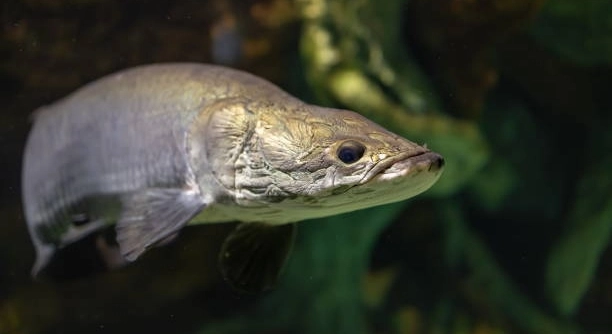
Arowanas are majestic fish often admired for their size and shimmering scales. Many owners enjoy watching them glide gracefully through the water, appreciating their presence as both a pet and a statement piece in home aquariums.
Teaching an arowana to follow commands is limited by its natural instincts and cognitive abilities. While they may respond to visual cues or feeding routines, true obedience like that seen in terrestrial pets is not achievable.
Learning how to interact with these fish can enhance your care routines and strengthen the bond between you and your arowana. Observing their behaviors offers rewarding insights for any devoted aquarist.
Understanding Arowana Behavior
Arowanas are instinct-driven fish, which means their actions are often motivated by survival and feeding patterns rather than obedience. They are highly alert, constantly scanning their environment for potential food or threats. In captivity, they adapt to familiar surroundings and can recognize their owners over time. This recognition usually comes in the form of anticipation during feeding, where they may swim toward the front of the tank or follow movements outside the glass. Arowanas are also territorial and may display aggressive behavior toward other fish, making their environment and interactions crucial for their well-being. Observing these behaviors can give insights into how to train or guide them gently. Consistent routines, especially around feeding, help arowana feel secure and responsive to cues. While they may not learn commands in the traditional sense, understanding their tendencies allows you to create predictable patterns that improve interaction and care quality.
Feeding routines are key to building trust and familiarity with an arowana.
Repetition of simple cues during feeding, such as hand movements or tapping near the tank, can help arowanas associate those signals with food. Over time, they may follow or respond to specific gestures, showing recognition and anticipation. Although this is not obedience in the traditional sense, it allows for a form of communication between owner and fish. Patience and observation are essential, as pushing too hard or using inconsistent signals can stress the fish and reduce responsiveness. By observing subtle reactions, you can refine your approach and maintain a calm, predictable environment.
Training Techniques That Work
Using visual cues and consistency can encourage arowanas to respond predictably.
Focus on small, repeatable behaviors like following your hand or swimming toward a specific spot during feeding. Avoid complex tricks, as these fish respond best to simple, clear signals that they can associate with rewards. Over time, consistent gestures can create a reliable pattern of response, giving the impression of training.
Positive reinforcement through feeding is the most effective method. Always use the same cues, such as moving food in a particular way or tapping the tank gently, to create strong associations. Repeating these actions consistently helps the arowana anticipate feeding times and respond accordingly. Avoid sudden changes or overly complicated gestures, as this can confuse the fish. Observing their reactions and adjusting gently is essential for progress. While they will not follow commands like a dog or cat, the arowana can develop predictable behaviors that make interaction easier. Over months of careful observation and consistency, you can establish routines that improve responsiveness and make daily care more manageable.
Common Challenges in Training Arowanas
Arowanas can be unpredictable and sensitive to changes in their environment. Sudden movements, loud noises, or new tank mates may cause stress, reducing their responsiveness. Even minor disruptions in routine can make them hesitant to follow cues or engage during feeding sessions.
Stress can also affect their appetite, making it harder to use food as motivation. Maintaining stable water conditions, consistent feeding times, and minimal disturbances is crucial. Some arowanas take longer to respond to visual cues, requiring patience and careful observation. Aggression toward other fish can also limit training options, as territorial instincts may dominate over learned behaviors.
Consistency is essential for progress. Using the same gestures and routines daily helps the arowana associate actions with outcomes. Avoid overfeeding, as this can reduce motivation and interfere with pattern recognition. Observing subtle changes in movement or posture can indicate learning, even if the response is small or gradual.
Tools and Methods for Effective Guidance
Target sticks, feeding tongs, or simple visual cues can improve responsiveness during training.
Hand gestures or moving food in predictable patterns encourages recognition. Avoid using multiple methods at once, as confusion may occur. Patience and repetition are necessary for developing consistent behaviors.
Gradually introducing these tools helps the arowana associate specific actions with rewards. For example, tapping the tank lightly before feeding can signal food is coming, prompting the fish to swim toward a designated spot. Repeating this consistently establishes a routine without causing stress. Using feeding tongs to guide their movement allows control over positioning and encourages following gestures. Visual markers inside the tank can also help the fish recognize specific areas for interaction. Over time, these simple methods create predictable patterns that make daily care smoother. While results vary, many owners notice improved responsiveness with regular, patient application of these techniques.
Signs of Learning in Arowanas
Arowanas may begin to recognize feeding cues or gestures over time. Small changes, like following your hand or approaching a certain spot in the tank, show they are noticing patterns. These subtle responses indicate growing familiarity with your routines.
Repeated exposure to consistent signals helps reinforce learning. Even minor reactions, such as turning toward the source of food or moving closer during a tap, demonstrate that the fish is responding. Observation is key to identifying these behaviors and adjusting your guidance accordingly.
Patience and Observation
Training an arowana requires calm and steady observation. Each fish learns at its own pace, and rushing the process can cause stress or confusion. Taking the time to notice subtle responses ensures you can guide them effectively.
Adjusting Techniques for Individual Fish
Every arowana reacts differently to stimuli. Tailor gestures, cues, and feeding routines to match the personality and comfort level of your fish. Small adjustments can significantly improve responsiveness and reduce stress during interactions.
FAQ
Can arowanas really learn commands like dogs or cats?
Arowanas cannot follow commands in the traditional sense. Their brains are wired for survival instincts, feeding, and territory, rather than obedience. What they can do is recognize patterns and cues over time, especially related to feeding or repeated gestures. With patience, you can guide their behavior, but it will never resemble trained responses seen in terrestrial pets.
How long does it take for an arowana to respond to cues?
The timeline varies between individual fish. Some arowanas may start responding to simple cues like hand movements or tapping within a few weeks. Others may take several months to show noticeable reactions. Consistency in routines and repetition of signals is crucial to see progress. Frequent observation helps identify small improvements and tailor your approach.
What is the best way to motivate an arowana to follow visual cues?
Food is the most effective motivator. Using predictable feeding gestures or moving food with tongs allows the arowana to associate certain actions with rewards. Light tapping on the tank or moving your hand in a specific way before feeding creates an expectation. Over time, the fish begins to anticipate the reward and may start following the cues more reliably.
Can stress affect training progress?
Yes, stress can significantly reduce responsiveness. Loud noises, sudden movements, changes in tank water conditions, or aggressive tank mates can make an arowana hesitant or avoidant. Keeping a calm, stable environment is essential. Patience and gradual introduction of cues will minimize stress and improve the likelihood of positive responses.
Is overfeeding a problem during training?
Overfeeding can reduce motivation and interfere with pattern recognition. Arowanas that are full may ignore cues related to food. It’s important to maintain appropriate feeding schedules and portion sizes. Using small amounts as a reward during training sessions ensures they remain interested and responsive to gestures or signals.
How do I know if my arowana is learning?
Learning signs are often subtle. Look for consistent reactions to repeated cues, such as swimming toward a specific spot, following your hand, or showing anticipation at feeding times. Even small, gradual responses indicate that the fish is recognizing patterns and forming associations, which is the closest form of learning in arowanas.
Can multiple cues be used at the same time?
It’s better to keep cues simple and consistent. Using multiple gestures or signals at once can confuse the fish and slow progress. Focus on one clear action paired with a reward, observe their response, and gradually refine techniques. Simplicity improves learning and reduces stress.
Do different types of arowanas respond differently?
Yes, species and individual temperament matter. Some arowanas are more curious and may respond faster, while others are shy or territorial and may take longer to react. Observing the specific behavior of your fish allows you to tailor cues and routines effectively. Individualized guidance increases responsiveness.
Are there tools that help with training?
Simple tools like feeding tongs, target sticks, or visual markers inside the tank can assist. These help guide movement and reinforce cues, making it easier for the arowana to associate actions with rewards. Consistent use over time builds predictable patterns that improve responsiveness.
Is it possible to train an arowana without food rewards?
Food is the strongest motivator for arowanas. Without it, progress is minimal, as their behavior is largely driven by feeding instincts. While they may show some recognition of owners over time, gestures or visual cues alone are unlikely to produce reliable responses.
How often should training sessions occur?
Short, frequent sessions work best. Daily repetition of cues in small amounts keeps the fish engaged without causing stress or overfeeding. Observing their reactions during each session helps refine techniques and ensures that interactions remain positive and consistent.
Can training improve the bond with my arowana?
Yes, consistent routines and gentle guidance create familiarity and trust. While they do not form bonds in the same way mammals do, predictable interactions help them feel secure and comfortable with your presence, making care routines easier and more enjoyable.
What mistakes should I avoid during training?
Avoid inconsistent cues, overfeeding, sudden movements, or changing routines frequently. These can stress the fish and reduce responsiveness. Patience, observation, and gentle guidance are essential for success. Progress may be slow, but careful attention ensures a positive experience for both you and the arowana.
Can multiple arowanas be trained at the same time?
It is possible but more challenging. Territorial instincts may interfere, and responses can vary between individuals. Training one fish at a time is usually more effective. Once each arowana is familiar with cues, gradual integration of shared routines may work, but patience is critical.
Are there signs my arowana is stressed during training?
Signs include hiding, rapid gill movement, refusing food, or erratic swimming. If these appear, pause sessions and check tank conditions. Reducing stress improves learning and ensures the fish remains healthy and responsive.
Does water quality impact training?
Absolutely. Poor water conditions can cause discomfort, stress, and illness, which makes the fish less responsive. Maintaining stable temperature, pH, and cleanliness is essential to support behavior recognition and overall health during training.
Can young arowanas learn faster than adults?
Younger fish may be more adaptable and responsive to cues, but each individual is different. Consistency, observation, and gentle repetition are key at any age. Adult arowanas can still learn patterns, though progress may require more patience and time.
How long should I expect results?
Noticeable responses may appear within weeks, but developing predictable behaviors can take months. Each fish is unique, and patience, consistency, and careful observation determine the pace of learning. Small improvements indicate that training is effective, even if progress seems slow.
Are there risks in trying to train arowanas?
The main risks are stress and overfeeding. Overly aggressive training or inconsistent cues can make the fish anxious or reduce appetite. Gentle, patient guidance with stable routines minimizes risks and encourages gradual, positive responses over time.
Can training help with aggression toward other fish?
Indirectly, yes. Predictable routines and cues can reduce stress, which may lower aggressive behavior. However, instinctual territorial tendencies cannot be fully eliminated, and tank management remains critical for harmony among multiple fish.
Is it possible to teach complex behaviors to arowanas?
Complex behaviors beyond simple pattern recognition are unlikely. Arowanas respond best to basic visual cues associated with food or routine activities. Attempts to teach tricks like flips or following elaborate commands are generally unsuccessful and may cause stress.
How do I track my arowana’s progress?
Keep notes on responses, timing, and changes in behavior. Observing subtle reactions, such as swimming toward cues or showing anticipation during feeding, allows you to adjust techniques and recognize improvements over time. Regular tracking helps maintain consistent and effective guidance.
Can environmental enrichment aid in learning?
Yes, adding structures or visual markers in the tank can create predictable pathways and areas for interaction. These tools enhance recognition of cues and support natural exploration, making pattern-based responses easier for the arowana to learn.
Should training be paused if the fish is sick?
Yes. Illness reduces responsiveness and increases stress. Focus on recovery first, maintaining water quality and proper feeding, and resume training only when the fish shows normal behavior and energy levels.
How do I maintain consistency with multiple caregivers?
All caregivers should use the same cues, gestures, and feeding schedules. Inconsistencies confuse the fish and slow progress. Coordination ensures the arowana develops reliable recognition of patterns regardless of who is interacting with it.
Can training improve feeding efficiency?
Yes. Teaching an arowana to respond to specific cues allows you to guide it to designated areas, ensuring controlled feeding and reducing wasted food. Consistent patterns streamline feeding and support overall health.
Is patience the most important factor?
Absolutely. Arowanas learn slowly, and pushing them too quickly can cause stress. Observing small reactions, repeating simple routines, and staying consistent are key to developing predictable behaviors. Patience ensures a positive experience and encourages gradual learning.
Do arowanas remember past interactions?
They show recognition of repeated patterns and cues but do not have memory in the way mammals do. Consistent interactions help them anticipate events like feeding, which demonstrates basic associative memory rather than complex recall.
Are there signs training is not working?
Persistent avoidance, lack of response, or signs of stress indicate that methods may be too advanced or inconsistent. Simplifying cues, reducing frequency, and ensuring environmental stability usually improves responsiveness.
Can training improve overall well-being?
Yes, predictable routines and gentle guidance create stability, reduce stress, and enhance comfort. While it doesn’t change instinctual behavior, it fosters a calm environment, improving appetite, activity, and interactions with their surroundings.
How do I balance training and daily care?
Integrate cues into normal feeding routines without extending sessions excessively. Short, consistent interactions combined with proper tank maintenance support responsiveness without causing stress or overfeeding.
Is visual stimulation alone effective?
Visual cues work best when paired with rewards, usually food. Movement without a reward may be ignored. Associating gestures with outcomes strengthens learning and builds predictable responses.
Can training be fun for the owner?
Yes, observing small improvements and interactions can be rewarding. Seeing subtle recognition and pattern-following provides a sense of accomplishment and enhances the experience of caring for an arowana.
What is the key takeaway?
Training arowanas is about patience, observation, and consistency. Simple cues paired with food rewards can create predictable behaviors, improving interaction and care without expecting traditional obedience.
Arowanas are fascinating fish that can bring a sense of calm and beauty to any aquarium. Their natural grace and alertness make them both captivating and challenging to care for. While they cannot follow commands like terrestrial pets, they can recognize patterns, cues, and routines, especially those connected to feeding. Observing these responses requires patience and consistent effort. Small gestures, like hand movements or tapping near the tank, can become familiar signals that the fish begins to associate with food. Over time, these simple associations may give the impression of the fish “following commands,” even though the behavior is rooted in instinct and repetition rather than understanding complex instructions. For many owners, seeing these small changes is rewarding, as it reflects the bond that can develop through routine care and gentle interaction.
Maintaining consistency is crucial when guiding an arowana’s behavior. Repetition of gestures, feeding schedules, and tank routines helps the fish anticipate outcomes, reducing stress and encouraging engagement. Sudden changes in environment, water quality, or noise levels can disrupt this process and make the fish hesitant or anxious. Observing subtle signs, such as approaching the front of the tank during feeding or following hand movements, allows owners to adjust techniques and improve interaction. Patience is essential, as progress can be slow and varies between individuals. Some arowanas may respond more quickly to visual cues, while others may take months to show noticeable recognition. By focusing on small improvements and maintaining a stable, predictable environment, owners can create positive interactions that enhance both the fish’s comfort and their own enjoyment of daily care routines.
The process of guiding an arowana’s behavior is as much about understanding their natural tendencies as it is about teaching. Using tools like feeding tongs, target sticks, or visual markers can help establish predictable patterns without overwhelming the fish. Positive reinforcement through small, controlled food rewards ensures that the arowana remains motivated while avoiding overfeeding or stress. Over time, these simple methods can make the fish more responsive to cues, creating smoother interactions and a greater sense of connection. While it is important to remember that true obedience is not possible, predictable responses and pattern recognition offer a satisfying way to engage with these fish. The focus should always be on creating a calm, stable environment, observing behaviors carefully, and providing consistent care. This approach supports the health and well-being of the arowana while allowing owners to enjoy the subtle rewards of their patience and attention.

Hello,
If you enjoy the content that we create, please consider saying a "Thank You!" by leaving a tip.
Every little bit helps us continue crafting quality advice that supports the health, happiness, and well-being of pets around the world, for pets of all shapes, sizes, and species.
We really appreciate the kindness and support that you show us!