
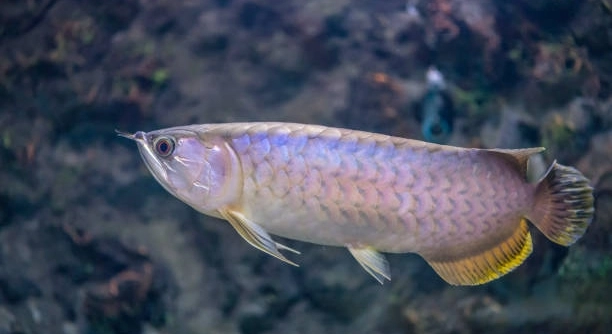
Are your Arowanas jumping out of the tank at night, causing stress and potential injury? Many fish owners struggle with this issue, as Arowanas are naturally active and curious, especially under low-light conditions in their aquariums.
Preventing Arowanas from jumping at night involves ensuring the tank is properly covered, maintaining stable water conditions, controlling lighting, and providing sufficient hiding spaces. Regular feeding routines and minimizing sudden disturbances also significantly reduce nocturnal jumping behaviors.
Understanding these simple adjustments can protect your Arowana and create a safer environment. Proper care will help your fish remain calm and secure at night.
Use a Secure Tank Cover
Arowanas are strong and agile, and they can easily jump out if the tank is not covered. A tight-fitting lid or mesh cover helps prevent accidents while still allowing air circulation. Some owners use glass or acrylic lids, while others prefer a fine mesh that fits securely without gaps. Make sure the cover is heavy enough or properly anchored, so the fish cannot push it open. This simple adjustment immediately reduces the risk of nighttime jumps.
Covering the tank properly is the most basic step in preventing injuries.
A reliable lid also helps maintain water quality. When the tank is open, evaporation increases, and dust or debris can enter, disturbing the environment. A covered tank helps stabilize humidity and temperature, keeping the Arowana calmer. Additionally, having a secure cover allows you to focus on feeding and water maintenance without constantly worrying about escapes. Over time, your fish will adjust to the tank environment and show fewer signs of stress.
Maintain Stable Water Conditions
Fluctuating water temperature or pH can stress Arowanas and increase jumping behavior. Consistent conditions are essential for their comfort.
Stable water encourages calmer behavior and reduces erratic movement.
Use a reliable heater, filter, and regular water tests to maintain a steady environment. Sudden changes in temperature or chemical levels can startle Arowanas, prompting them to jump. Regular partial water changes prevent buildup of harmful substances like ammonia or nitrites, which can irritate your fish. Monitoring water hardness and pH also ensures a healthy balance, so the fish feel secure. By keeping the water stable, you create a peaceful habitat, reducing the likelihood of nighttime activity. Over time, Arowanas become accustomed to predictable conditions, allowing them to rest more comfortably. Consistency in care helps protect your fish from stress-related injuries and improves overall health, making them more manageable and safer in their aquarium.
Control Lighting
Proper lighting reduces stress and prevents Arowanas from becoming overly active at night. Avoid sudden bright lights or turning off lights abruptly, as these changes can startle them.
Gradually dimming lights in the evening signals a natural day-night cycle for Arowanas. Using a timer ensures consistency and prevents sudden light fluctuations that might trigger jumping. Arowanas are sensitive to shadows and reflections, which can cause panic responses. Placing the tank away from direct sunlight and room lights also helps maintain a stable environment. By controlling lighting, you create a calmer tank, encouraging the fish to settle down at night and reducing the chances of jumping incidents.
Consistent lighting helps regulate the Arowana’s sleep patterns. It reduces unnecessary stress and supports natural behavior, keeping them healthy. Properly timed illumination can make a noticeable difference in nighttime activity levels.
Provide Hiding Spaces
Arowanas need areas to feel secure and reduce nighttime stress. Decorations, plants, or floating structures give them places to retreat.
Hiding spaces mimic natural environments and provide a sense of security. They reduce anxiety and prevent erratic movements that can lead to jumps. Rocks, driftwood, and dense plant clusters can create effective retreats, while leaving open swimming areas for exercise ensures balance. By offering multiple hiding spots, Arowanas feel more in control of their environment.
Including hiding areas also helps manage interactions with other fish if the tank is shared. Each fish can have its own space, reducing competition and aggressive behavior. Over time, Arowanas learn to use these areas for rest, improving overall tank harmony. A thoughtful arrangement encourages calm behavior and decreases the risk of nighttime accidents.
Avoid Overfeeding
Overfeeding at night can make Arowanas restless and more likely to jump. Feed smaller portions during the day and remove uneaten food promptly.
Balanced feeding schedules help regulate energy levels. Excess food can lead to water quality issues, further stressing the fish.
Minimize Disturbances
Keep the tank area quiet during nighttime hours. Loud noises, vibrations, or sudden movements can startle Arowanas and provoke jumping.
Creating a calm environment reduces stress and promotes consistent sleep patterns. Limiting interaction and maintaining a peaceful setting ensures the fish remain settled and safer.
Monitor Tank Companions
Aggressive or overly active tank mates can provoke Arowanas to leap. Observe interactions and separate if necessary.
Maintain Proper Tank Size
Arowanas need ample space to swim. Crowded tanks increase stress, causing erratic behavior and nighttime jumps.
FAQ
Why does my Arowana jump at night even with a cover?
Even with a secure cover, Arowanas may jump if they are stressed, startled, or uncomfortable. Factors like water fluctuations, bright reflections, or nearby vibrations can trigger jumping. A tank cover prevents escapes but does not remove the underlying stressors. Ensuring stable water conditions, proper lighting, and calm surroundings is essential. Providing hiding spaces and maintaining a consistent feeding routine can further reduce nighttime activity. Observing your Arowana’s behavior can help identify specific triggers, allowing adjustments to the tank setup and care routine to create a safer, more relaxed environment.
Can overfeeding cause jumping at night?
Yes, overfeeding can make Arowanas restless, particularly at night. Excess food increases energy levels, and uneaten leftovers affect water quality, causing stress. Feeding smaller portions during the day and removing uneaten food promptly keeps the fish calmer and reduces erratic movements. Balanced feeding schedules help maintain stable water parameters and prevent energy spikes that might provoke jumping.
How does lighting affect Arowana behavior?
Arowanas are sensitive to light changes. Sudden bright lights or abrupt darkness can startle them, triggering jumps. Gradually dimming lights in the evening or using a timer creates a natural day-night cycle. Controlling reflections and keeping the tank away from direct room lighting reduces stress. Consistent lighting helps regulate sleep patterns and encourages calmer nighttime behavior.
Do tank mates influence jumping?
Yes, aggressive or overly active tank mates can provoke Arowanas. Territorial disputes, chasing, or competition for food increase stress, leading to erratic movements and jumps. Observing interactions carefully and separating incompatible fish reduces conflict. Creating hiding spaces for both species allows them to retreat and feel secure, promoting calmer behavior.
Can tank size impact jumping?
Insufficient space can cause stress and erratic swimming. Arowanas require ample room to move freely, and overcrowded tanks increase the likelihood of nighttime jumps. Providing a larger tank with clear swimming areas and hiding spots reduces stress and encourages natural behavior. Adequate space also improves water quality and stability, indirectly supporting calmer fish.
How do water conditions prevent jumping?
Stable water parameters are critical. Sudden temperature changes, pH fluctuations, or high levels of ammonia or nitrites can startle Arowanas. Regular testing, consistent water changes, and a reliable filtration system help maintain a stable environment. A steady and predictable habitat allows the fish to feel secure, reducing nighttime activity and erratic behavior.
Are hiding spaces really necessary?
Yes, hiding spots mimic natural environments and provide security. Driftwood, plants, or decorative structures reduce stress by giving the fish places to retreat. Multiple hiding areas in the tank help Arowanas feel in control of their surroundings, reducing jumping and promoting calmer nighttime behavior.
What role does tank placement play?
Placing the tank in a quiet, low-traffic area reduces disturbances that can startle Arowanas. Vibrations, loud noises, and sudden movements from nearby activity may provoke jumping. Ensuring the tank is stable and away from frequent human activity creates a safer, more relaxing environment for the fish.
How long does it take for Arowanas to adjust to new measures?
Adjustment depends on the fish and the severity of previous stress. Most Arowanas begin showing calmer behavior within a few days to weeks after proper measures are implemented. Consistency in feeding, lighting, water stability, and tank setup is key to encouraging long-term behavioral improvement.
Can supplements or diet changes help reduce jumping?
Providing a balanced diet supports overall health and reduces stress. Some owners include high-protein or enriched feeds to satisfy energy needs during the day. Avoid feeding right before lights out, as excess energy may encourage nighttime activity. Diet alone does not prevent jumping but complements other measures like tank security and environmental stability.
How do I know if jumping is caused by stress or illness?
Frequent or erratic jumping, combined with changes in appetite, color, or swimming patterns, may indicate stress or illness. Monitoring behavior closely and maintaining water quality helps identify triggers. If unusual symptoms persist, consulting a veterinarian familiar with ornamental fish is recommended to rule out health issues.
Is nighttime jumping common in all Arowanas?
Yes, jumping is a natural behavior for most Arowanas, particularly when young or highly active. While tank covers and proper care reduce incidents, occasional jumps may still occur. Recognizing that this is part of their natural instincts helps owners implement preventative measures without expecting complete elimination.
Can I train my Arowana to stop jumping?
While Arowanas cannot be “trained” like pets, consistent routines and a stable environment help them adapt. Regular feeding times, controlled lighting, secure tank covers, and hiding spaces condition the fish to feel safe, reducing the likelihood of nighttime jumping over time.
How often should I check the tank at night?
Nighttime checks should be minimal to avoid stressing the fish. Occasional monitoring is sufficient to ensure the environment is stable. Most preventative measures—cover, stable water, proper lighting, and hiding spaces—eliminate the need for frequent intervention. Excessive disturbance may increase jumping rather than prevent it.
What other simple adjustments help reduce jumping?
Small changes like adjusting décor, securing lids properly, and ensuring no direct reflections on the water surface can make a big difference. Maintaining routine and avoiding sudden environmental changes gradually encourages calmer nighttime behavior. Combining multiple adjustments is more effective than relying on one measure alone.
Arowanas are beautiful and impressive fish, but their natural instincts can make them prone to jumping, especially at night. Understanding this behavior is the first step toward preventing accidents and ensuring their safety. Jumping is often a response to stress, sudden environmental changes, or discomfort. By addressing the factors that trigger this behavior, you can create a calmer and more secure environment for your fish. Covering the tank properly, providing sufficient space, and including hiding spots are all practical steps that make a noticeable difference. Over time, these changes help the Arowana feel more comfortable, reducing nighttime jumps and promoting a stable routine in the tank.
Maintaining stable water conditions is equally important. Sudden changes in temperature, pH, or water quality can startle Arowanas, prompting erratic movements and jumping. Regular water testing, proper filtration, and consistent maintenance routines help keep the aquatic environment balanced. Controlling lighting is another key aspect. Gradual dimming in the evening and avoiding sudden reflections or bright lights support the fish’s natural sleep cycle. Feeding routines also play a role in energy management. Smaller portions during the day, avoiding late-night feedings, and removing uneaten food prevent excess activity and reduce the risk of nighttime accidents. By combining these measures, you address both environmental and behavioral triggers, allowing your Arowana to rest more peacefully.
The overall well-being of your Arowana depends on consistent care and observation. Monitoring tank mates, adjusting décor for hiding spaces, and reducing disturbances create a calmer habitat that supports natural behavior. Even with a secure tank cover, attention to these details ensures your fish feels safe and comfortable. It is normal for Arowanas to be active and occasionally attempt to jump, but with proper care, these behaviors can be minimized. The key is to maintain a balanced and stable environment while observing the fish’s habits and making small adjustments as needed. Over time, your Arowana will settle into a routine, reducing nighttime stress and improving overall health. Focusing on consistent care, calm surroundings, and proper habitat management allows you to enjoy your Arowana while keeping it safe, healthy, and comfortable in its tank.

Hello,
If you enjoy the content that we create, please consider saying a "Thank You!" by leaving a tip.
Every little bit helps us continue crafting quality advice that supports the health, happiness, and well-being of pets around the world, for pets of all shapes, sizes, and species.
We really appreciate the kindness and support that you show us!