
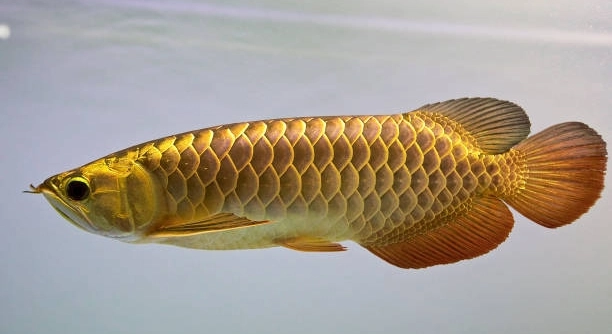
Have you ever noticed your arowana suddenly stopping its usual leaps above the water surface? Many owners find this behavior surprising, especially when their fish seemed active and playful just days before in their aquarium.
Arowanas may stop jumping due to stress, poor water quality, inadequate diet, or environmental changes. Ensuring stable water parameters, proper nutrition, and minimal disturbances can help maintain their natural jumping behavior and overall well-being.
Understanding the reasons behind this change is important for keeping your arowana healthy and active in its environment.
Water Quality Issues
Poor water quality is one of the main reasons arowanas stop jumping. I remember when my fish suddenly became sluggish; testing the water revealed high ammonia levels. Arowanas are sensitive to ammonia, nitrites, and nitrates, and even small fluctuations can stress them. Frequent water changes and a reliable filtration system are essential. Maintaining a stable pH level is also important because sudden shifts can disrupt their natural behavior. Temperature plays a role as well, with most arowanas thriving in a range of 75-82°F. If the water is too cold or too warm, their activity can decrease, including jumping. Observing your fish daily helps catch early signs of stress before it affects their health. Removing uneaten food and cleaning the tank substrate also prevents harmful chemical buildup. Consistency in water quality creates an environment where arowanas feel safe and are more likely to exhibit natural behaviors, including jumping, feeding, and exploring the tank.
Regular testing and maintaining clean water keeps arowanas active and reduces stress, supporting their natural jumping behavior.
In addition to water chemistry, tank size can affect water quality indirectly. Arowanas need ample swimming space to reduce waste concentration and stress. A crowded tank leads to rapid accumulation of toxins and fewer opportunities for exercise. Using a good filtration system and monitoring levels closely is key. Proper aeration ensures sufficient oxygen for metabolism, helping arowanas remain healthy. Plants and hiding spots reduce stress by giving them a sense of security. A calm environment encourages jumping, while constant disturbances or poor maintenance can stop it. Combining stable water, proper tank setup, and attentive care fosters both mental and physical activity, allowing the fish to behave naturally.
Diet and Feeding Habits
Feeding an improper diet can directly impact arowanas’ energy and jumping. High-protein foods and varied nutrition support their activity levels.
Arowanas require a diet rich in protein from live or frozen foods such as shrimp, fish, or insects. Feeding only pellets or low-quality food can make them lethargic, decreasing the likelihood of jumping. Overfeeding may cause digestive issues, while underfeeding reduces energy reserves. Rotating different food types ensures vitamins and minerals are balanced. Observing feeding patterns is helpful; active eating usually corresponds with normal jumping behavior. Supplements like vitamins or calcium may be added if deficiencies appear. Ensuring food is appropriately sized prevents choking or stress during feeding. A consistent feeding schedule trains them to be alert and more likely to engage in natural behaviors. Attention to diet is essential for maintaining their health and vitality, directly influencing activity levels and encouraging jumping.
Proper feeding, portion control, and variety in diet together create a foundation for strong, energetic arowanas. A balanced diet supports muscle development, boosts immunity, and helps maintain natural behaviors. High-quality protein contributes to their strength, while vitamins and minerals prevent deficiencies that can reduce energy. Avoiding sudden changes in diet prevents stress, which could cause a temporary stop in jumping. Observing how your arowana reacts to different foods informs adjustments and improvements. Combining diet management with a clean, stable environment maximizes their potential to stay active and jump. Over time, a well-fed arowana will regain its natural energy and behavior patterns, making jumping a normal part of its routine again.
Tank Environment
Arowanas need enough space to swim freely. Small or overcrowded tanks limit their movement and can stop jumping. Decorations should not block swimming paths, and strong currents should be avoided to prevent stress. Proper lighting and hiding spots help them feel secure and active.
A tank that is too small restricts natural swimming and jumping behaviors. I noticed when I upgraded my arowana to a larger tank, it started jumping again. Open swimming space encourages exercise and reduces stress. Avoid placing heavy decorations or sharp objects in the main swimming area. Water flow should be gentle; strong currents tire the fish and discourage leaping. Substrate choice matters too, as smooth gravel or sand reduces injury risks. Providing an environment that balances safety, space, and stimulation ensures arowanas feel comfortable and encourages normal activity levels.
Temperature, lighting, and tank companions also impact jumping. Arowanas are sensitive to sudden changes in water temperature, which can make them less active. Lighting should mimic natural day and night cycles to maintain their internal rhythms. Some tank mates may be aggressive or too active, causing stress and reducing jumping behavior. Observing interactions and adjusting tank setup as needed helps maintain a healthy environment. Regular maintenance, such as cleaning and monitoring water flow, keeps the tank stable. Arowanas are more likely to jump when they feel secure, have space, and experience minimal disturbances. Maintaining these conditions consistently supports both their physical and mental well-being.
Health Concerns
Parasites, infections, or injuries can stop arowanas from jumping. Sudden changes in behavior often indicate underlying health issues that need attention. Observation and early intervention prevent complications.
Internal parasites, bacterial infections, and injuries can all reduce activity in arowanas. I once had an arowana stop jumping after scraping itself on a tank decoration, which led to an infection. Symptoms include lethargy, loss of appetite, or unusual swimming patterns. Quarantining new fish and keeping the tank clean helps prevent illness. Treatment depends on the specific condition, but prompt care often restores normal behavior. Regular observation ensures small issues are caught early, preventing long-term problems that affect energy levels and jumping.
Stress-related health problems also play a role. Arowanas exposed to constant disturbances or poor water quality may develop weakened immune systems, making them more susceptible to infections. Proper care, including clean water, appropriate diet, and adequate space, strengthens their resilience. Addressing health concerns quickly restores energy, allowing arowanas to regain natural behaviors like jumping. Consistency in routine and careful monitoring can prevent many health-related interruptions to their activity levels. Recognizing early signs and acting promptly ensures arowanas stay active, energetic, and more likely to exhibit jumping behaviors regularly.
Stress and Disturbances
Arowanas are sensitive to sudden movements and loud noises near their tank. Continuous tapping or frequent disturbances can make them anxious, reducing jumping behavior. Minimizing these stressors helps them feel safe and more likely to display natural activity.
Stress can also result from frequent handling or constant changes in the tank environment. I noticed my arowana stopped jumping when I rearranged decorations too often. Keeping the tank stable, limiting sudden water changes, and avoiding excessive interaction allows the fish to regain confidence. A calm environment encourages normal behavior, including jumping, swimming, and feeding.
Lighting and Day-Night Cycle
Proper lighting helps regulate an arowana’s internal clock. Consistent day-night cycles support activity and reduce stress, making jumping more likely.
Age and Growth
Young arowanas jump more frequently as part of their playful behavior, while older fish may reduce activity naturally.
Tank Mates
Aggressive or overly active tank mates can intimidate arowanas, causing them to hide or stop jumping. Choosing compatible species and monitoring interactions prevents stress and encourages natural activity.
Why did my arowana stop jumping suddenly?
A sudden stop in jumping usually indicates stress, illness, or environmental changes. I experienced this once when my water heater failed, causing the temperature to drop. Arowanas are sensitive to changes in water chemistry, temperature, and tank setup. Sudden disruptions in routine, aggressive tank mates, or poor diet can also reduce energy and activity. Observing your fish closely, testing water quality, and checking for visible signs of illness often reveals the cause. Quick intervention helps prevent long-term health issues and restores normal behavior, including jumping.
Can poor water quality cause my arowana to stop jumping?
Yes, water quality is one of the most common reasons. High ammonia, nitrite, or nitrate levels stress the fish, making them lethargic. I noticed my arowana became less active before it stopped jumping entirely, and a water test confirmed elevated ammonia. Regular water changes, proper filtration, and monitoring pH and temperature levels are essential. Even small fluctuations can affect behavior. A stable and clean environment allows arowanas to feel safe, energetic, and more likely to jump.
Does diet affect jumping behavior?
Absolutely. Arowanas need a high-protein diet to maintain energy. Feeding only pellets or low-quality food can make them sluggish. I observed that when I added live shrimp and small fish to the diet, my arowana became more active and started jumping again. Overfeeding or underfeeding can also cause problems. Maintaining a balanced diet with occasional live food helps keep muscles strong and encourages natural behaviors, including jumping. Supplements, when necessary, support overall health and energy levels.
Could stress or tank disturbances stop jumping?
Yes. Arowanas are highly sensitive to sudden movements, loud noises, and frequent changes in the tank. My fish stopped jumping after repeated tapping on the glass, which caused noticeable anxiety. Limiting disturbances, keeping the tank in a quiet area, and avoiding excessive rearranging of decorations or frequent water changes helps reduce stress. A calm environment encourages normal activity, including jumping, swimming, and feeding, while a stressful environment suppresses these behaviors.
Do tank size and environment matter?
Definitely. Small or overcrowded tanks restrict swimming space, making jumping difficult. I noticed a huge difference when I upgraded to a larger tank; my arowana resumed its normal activity. Decorations should not block swimming paths, and the water flow should be gentle. Adequate space, smooth substrate, hiding spots, and proper lighting all contribute to a safe and comfortable environment. This helps reduce stress and supports natural behaviors.
Can lighting and day-night cycles influence jumping?
Yes. Consistent lighting helps regulate the fish’s internal clock, encouraging activity at appropriate times. My arowana became more active once I installed a timer for the tank lights, mimicking natural day-night cycles. Sudden or irregular lighting can confuse the fish and reduce jumping. Maintaining predictable lighting patterns supports healthy behavior and reduces stress.
Does age affect jumping frequency?
Young arowanas tend to jump more as part of playful or exploratory behavior. I observed that my juvenile arowana leapt frequently, but as it grew older, the jumps became less frequent. While older fish may naturally reduce activity, sudden drops in jumping among adults usually point to stress, illness, or poor environmental conditions. Providing proper care throughout all life stages ensures continued health and encourages natural activity.
Can tank mates impact jumping?
Yes, aggressive or overly active tank mates can intimidate arowanas, causing them to hide or stop jumping. I once kept arowanas with very territorial fish, and mine rarely leapt during that time. Choosing compatible species and monitoring interactions is essential. Peaceful companions reduce stress, allowing arowanas to maintain normal activity and behavior, including jumping.
How can I help my arowana regain jumping behavior?
Start by checking water quality, diet, tank size, and environmental stability. Reduce stressors and ensure a calm area. I found that gradual improvements in water parameters, adding high-protein food, and giving my arowana more swimming space restored its energy and jumping behavior. Consistency and observation are key. Regular maintenance, monitoring for signs of illness, and providing enrichment like safe open spaces encourage physical activity and natural behaviors, helping your arowana return to its normal leaping patterns.
How quickly can an arowana recover its jumping behavior?
Recovery depends on the underlying cause. Minor stress or environmental adjustments can show results within a few days. Health-related issues, such as infections or parasites, may take weeks with proper treatment. In my experience, patience and consistent care are critical. Monitoring water quality, feeding a balanced diet, and reducing stressors support a gradual return to normal jumping behavior. Immediate attention to any changes ensures the best chance for recovery and long-term activity.
Taking care of an arowana involves understanding both its environment and its natural behavior. Jumping is a normal activity for these fish, and when it stops, it is usually a sign that something in their surroundings or health has changed. Many owners, myself included, have noticed that a sudden lack of jumping often points to stress, water quality issues, or dietary problems. Arowanas are sensitive creatures, and even small changes in temperature, pH, or tank setup can affect how they behave. Paying attention to their tank conditions and observing their daily behavior helps identify problems early, preventing more serious health issues. A well-maintained tank with clean water, adequate space, and appropriate decorations allows the fish to feel secure and exhibit natural behaviors without unnecessary stress.
Diet plays a major role in an arowana’s energy levels and willingness to jump. Feeding them a balanced diet rich in protein supports muscle development and overall health, which encourages activity. Overfeeding, underfeeding, or providing low-quality food can cause lethargy, making them less likely to jump. Many arowana owners, including myself, have seen a noticeable change in activity when introducing a variety of foods, such as live or frozen shrimp, small fish, and occasional supplements. Along with proper feeding, maintaining a consistent schedule and avoiding sudden changes helps reduce stress. Arowanas thrive on stability, and even small adjustments to their diet can have a large impact on behavior. When energy levels return, jumping becomes a regular part of their routine again.
Environmental factors and tank management are equally important for encouraging normal behavior. The tank should be large enough to allow free swimming, with gentle water flow, smooth substrate, and appropriate hiding spots. Strong currents, overcrowding, or aggressive tank mates can intimidate the fish, reducing activity. Consistent lighting to simulate day and night cycles also helps regulate their internal clock and supports normal activity levels. Observing the arowana’s behavior, maintaining clean water, providing proper nutrition, and ensuring a stable environment are all key to helping them regain their natural jumping habits. With attention and care, arowanas can return to their active selves, and keeping them healthy becomes much easier.

Hello,
If you enjoy the content that we create, please consider saying a "Thank You!" by leaving a tip.
Every little bit helps us continue crafting quality advice that supports the health, happiness, and well-being of pets around the world, for pets of all shapes, sizes, and species.
We really appreciate the kindness and support that you show us!