
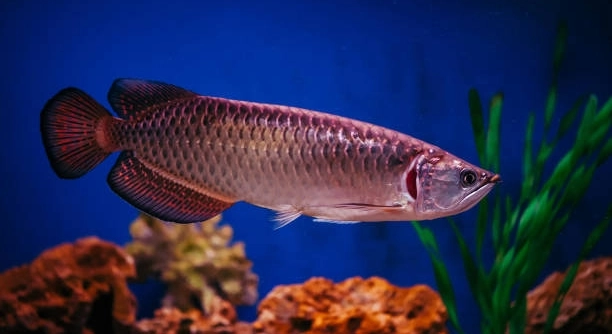
Is your arowana showing signs of heavy breathing after finishing its meal? Many fish owners notice this behavior and wonder if it is normal or a warning sign. Feeding can sometimes trigger unexpected reactions in arowanas.
Heavy breathing in arowanas after feeding is often caused by overfeeding, water quality issues, or improper feeding techniques. Monitoring portion sizes, maintaining optimal water conditions, and allowing proper digestion are essential steps to prevent respiratory stress and ensure the fish’s well-being.
Understanding why this occurs can help you adjust feeding habits and maintain a healthier environment for your arowana, supporting its long-term growth and vitality.
Common Causes of Heavy Breathing After Feeding
Overfeeding is a frequent reason why arowanas breathe heavily after meals. Giving too much food at once can overwhelm their digestive system, causing strain and increased oxygen demand. Large meals can also lead to constipation, swim bladder issues, or bloating, making normal movement difficult. Poor water quality can worsen this stress, as high ammonia or nitrite levels reduce the oxygen available in the tank. Even well-fed fish in smaller portions may struggle if their environment is not properly maintained. Temperature fluctuations can also affect their metabolism, making digestion slower and harder on their respiratory system. Feeding habits play a big role too; quickly consuming large pieces or aggressive feeding can increase stress and exertion. Observing how your arowana eats, noting its breathing patterns, and maintaining water parameters are key steps in preventing respiratory difficulties after meals. Adjusting diet and tank conditions often resolves these episodes.
Water quality and temperature are critical factors in fish respiration. Maintaining stability reduces post-feeding stress.
Proper tank maintenance, balanced feeding schedules, and attention to portion sizes allow arowanas to digest comfortably. Combining these steps ensures long-term health and reduces the risk of recurring heavy breathing. Fish also respond positively to quiet feeding times and minimal disturbances during digestion, making the environment safer and more comfortable.
Feeding Techniques and Best Practices
Feeding smaller portions multiple times daily helps reduce digestive strain and respiratory stress in arowanas.
Using the right size of food, spacing meals, and observing feeding behavior can improve digestion. Avoid overfeeding and remove uneaten food promptly. Live, frozen, or pellet foods should be suited to the arowana’s size and dietary needs. Abrupt changes in diet can upset the stomach, causing temporary heavy breathing as the fish adjusts. Encouraging natural hunting behaviors with sinking or floating food stimulates proper digestion. Adjust feeding based on activity levels, water temperature, and size of the fish. Monitoring the fish closely during feeding sessions allows early detection of issues. Combining careful portion control with a consistent feeding routine supports overall health. Maintaining clean water, proper oxygenation, and temperature stability complements feeding practices. Implementing these strategies prevents frequent respiratory stress and supports steady growth. Arowanas thrive in environments where feeding is controlled, water is clean, and disturbances are minimized, keeping heavy breathing episodes rare and manageable.
Monitoring Water Quality
Regular testing of water parameters is essential to prevent stress in arowanas. High ammonia, nitrite, or nitrate levels can cause heavy breathing and weaken their immune system. Consistent monitoring ensures a safe environment and supports healthy digestion after feeding.
Maintaining water quality involves weekly tests for ammonia, nitrite, nitrate, and pH levels. Partial water changes help keep toxins low and oxygen levels stable. Filtration systems should be cleaned regularly to ensure efficiency. Temperature consistency is equally important, as sudden changes can stress the fish and impact digestion. Arowanas are sensitive to chemical fluctuations, so avoiding overfeeding and removing leftover food promptly prevents water contamination. Monitoring these factors closely helps reduce respiratory stress and supports overall well-being.
Aeration and circulation in the tank are also key. Proper oxygen levels reduce the effort required for breathing after meals. Combining water testing, filtration maintenance, and aeration ensures the arowana can digest food comfortably. Stress from poor water quality can exacerbate health problems, making regular care essential. Observing your fish’s breathing patterns in conjunction with these measures helps identify issues early. Over time, a stable environment encourages natural feeding behavior and reduces incidents of heavy breathing, keeping your arowana healthier and more active.
Recognizing Signs of Digestive Distress
Arowanas may display swelling, reduced activity, or uneven swimming when experiencing digestive issues. Early observation helps prevent more serious health problems.
Digestive distress often appears as bloating or swelling near the stomach, irregular swimming patterns, or floating near the surface. Constipation from overfeeding can make the fish uncomfortable and lead to heavy breathing. In some cases, the fish may refuse food or show signs of lethargy, indicating a need for dietary adjustments. Maintaining a feeding routine, avoiding large meals, and providing high-quality food reduce these risks. Observing the fish closely after each feeding allows for quick action if issues appear. Consistent monitoring of both behavior and physical condition helps maintain proper digestion.
Supporting digestion also involves maintaining optimal tank conditions. Stable temperature, clean water, and appropriate oxygen levels reduce stress on the digestive system. In addition, feeding smaller, more frequent meals encourages smoother digestion and prevents sudden strain. Combining careful observation with preventive measures ensures your arowana remains healthy and active. Regular checks for bloating, swim bladder problems, or irregular breathing allow early interventions. These strategies, when practiced consistently, minimize the likelihood of digestive distress and associated heavy breathing, promoting overall well-being.
Adjusting Feeding Amounts
Overfeeding can quickly lead to heavy breathing and digestive strain in arowanas. Reducing portion sizes allows the fish to digest comfortably and lowers the risk of bloating or swim bladder issues.
Feeding smaller amounts multiple times a day keeps the arowana active and reduces stress. Observing how much it consumes helps prevent leftover food from polluting the tank and harming water quality.
Choosing the Right Food
Selecting food that matches your arowana’s size and dietary needs is crucial. Large pieces or unsuitable food can cause choking, slow digestion, and respiratory stress. High-quality pellets, frozen fish, or live prey provide balanced nutrients while being easier to digest.
Observing Breathing Patterns
Monitoring your arowana’s breathing after meals helps identify potential health concerns early. Consistent changes may indicate digestive or environmental issues that need attention.
FAQ
Why is my arowana breathing heavily immediately after eating?
Heavy breathing after meals is usually linked to overfeeding, slow digestion, or water quality issues. Large portions force the fish’s metabolism to work harder, increasing oxygen demand. Poor water conditions or low oxygen levels can worsen the stress, making the fish appear to struggle even after a normal meal.
Can temperature affect my arowana’s breathing after feeding?
Yes, water temperature has a direct impact on metabolism. Cold water slows digestion, while excessively warm water can increase metabolic rate and oxygen needs. Both extremes can make breathing heavier after meals. Maintaining a stable temperature suited to your arowana’s species helps reduce this stress.
Is overfeeding the main cause of heavy breathing?
Often, overfeeding is a leading factor. Large meals can strain the digestive system and contribute to bloating or swim bladder issues. Feeding smaller, frequent portions ensures proper digestion and prevents respiratory stress caused by sudden energy demands.
Can water quality cause breathing problems after feeding?
Absolutely. High levels of ammonia, nitrites, or nitrates reduce available oxygen and irritate gills. Uneaten food decomposing in the tank also lowers water quality, further stressing the fish. Regular testing and partial water changes are essential to maintain a safe environment.
Does the type of food matter for breathing issues?
Yes. Large, hard-to-digest pieces or inappropriate food can slow digestion and increase oxygen demand. High-quality pellets, frozen or live food suited to your arowana’s size, promote smoother digestion and reduce heavy breathing episodes. Avoid sudden diet changes to prevent digestive shock.
How can I tell if heavy breathing is serious?
Persistent heavy breathing, gasping at the surface, or lethargy can indicate severe digestive or environmental stress. Occasional heavy breathing immediately after feeding may be normal, but continuous signs require closer observation and potentially adjusting feeding, water quality, or seeking veterinary advice.
Can swim bladder issues cause heavy breathing after meals?
Yes. Overfeeding or constipation can affect the swim bladder, causing buoyancy problems and making breathing appear labored. Monitoring food intake and avoiding rapid ingestion helps prevent this, ensuring smoother movement and proper oxygen intake.
How often should I monitor my arowana’s breathing?
Observing your fish after each feeding is ideal. Noticing changes early allows you to adjust diet, portions, or water conditions before problems worsen. Keeping a consistent feeding routine and recording behaviors can help identify patterns in respiratory stress.
Will heavy breathing go away if I adjust feeding?
In many cases, yes. Reducing portion size, spacing meals, and selecting easily digestible food often relieve post-feeding respiratory stress. Combining this with proper water maintenance accelerates recovery and helps the arowana digest comfortably.
Are there long-term effects if heavy breathing continues?
Continuous respiratory stress can weaken immunity, stunt growth, and increase susceptibility to disease. Early intervention through proper feeding, clean water, and observation is crucial to prevent long-term health problems and maintain your arowana’s well-being.
Can stress from other fish or tank conditions worsen breathing?
Yes. Aggressive tank mates, overcrowding, or excessive disturbances during feeding can increase oxygen demand and stress. Providing enough space, calm conditions, and proper tank setup reduces environmental factors that exacerbate heavy breathing.
Should I consult a vet if heavy breathing persists?
Persistent or worsening heavy breathing after meals, especially with signs like bloating, lethargy, or abnormal swimming, warrants professional advice. A vet can identify underlying digestive, respiratory, or systemic issues and recommend targeted solutions.
How can I prevent heavy breathing in the future?
Consistent feeding routines, appropriate portion sizes, high-quality food, and stable water conditions are key. Monitoring behavior, maintaining tank cleanliness, and providing sufficient oxygenation ensures your arowana remains healthy, active, and comfortable after every meal.
Final Thoughts
Heavy breathing after feeding is a common issue in arowanas, but it is often manageable with careful observation and proper care. Understanding the main factors that contribute to this behavior can make a big difference in preventing stress and supporting your fish’s health. Overfeeding is one of the most frequent causes. When a fish consumes too much food at once, its digestive system can become overwhelmed, which increases oxygen demand and makes the breathing appear heavier. Adjusting portion sizes and feeding smaller amounts more frequently can help the fish digest comfortably while reducing respiratory strain. Paying attention to how much your arowana eats during each feeding allows you to avoid leftover food in the tank, which can negatively impact water quality and overall health.
Water quality is another critical factor in maintaining healthy respiration. Poor water conditions, such as high levels of ammonia, nitrites, or nitrates, reduce the available oxygen in the tank, making it harder for the fish to breathe normally. Regular testing and partial water changes are essential for keeping these levels within a safe range. Temperature stability also plays an important role. Sudden changes or extremes in water temperature can affect metabolism and digestion, leading to heavier breathing after meals. Ensuring consistent temperature, proper filtration, and adequate aeration supports smoother respiration and digestion. When combined with careful feeding practices, these environmental measures help reduce stress and improve overall well-being.
Observing your arowana’s behavior closely after each feeding is one of the best ways to prevent serious issues. Signs such as persistent heavy breathing, bloating, lethargy, or unusual swimming patterns may indicate digestive or environmental problems that need attention. Choosing food appropriate for the fish’s size, providing smaller portions, and spacing meals throughout the day helps maintain steady digestion and prevents respiratory strain. Environmental factors, including calm conditions, proper tank setup, and minimal disturbances during feeding, also contribute to a healthier, more comfortable experience for your fish. Consistently applying these practices over time can significantly reduce episodes of heavy breathing, support steady growth, and promote long-term health, ensuring that your arowana thrives in a well-maintained, balanced environment.

Hello,
If you enjoy the content that we create, please consider saying a "Thank You!" by leaving a tip.
Every little bit helps us continue crafting quality advice that supports the health, happiness, and well-being of pets around the world, for pets of all shapes, sizes, and species.
We really appreciate the kindness and support that you show us!