
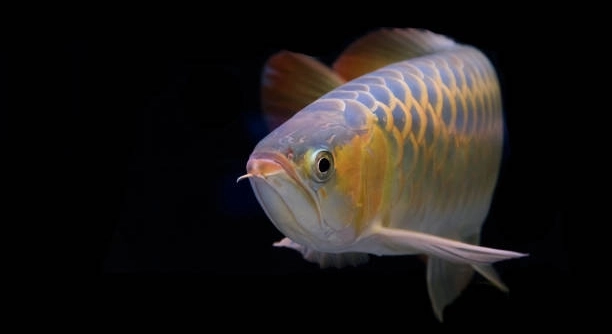
Do you ever notice your arowana lingering behind decorations or hiding in dark corners of its tank? Observing these moments can feel a little concerning for owners who want a lively, visible fish in their aquarium.
It is normal for arowanas to stay hidden at times, as they are naturally cautious and territorial. Environmental factors, stress, or sudden changes in their habitat can influence their hiding behavior and should be carefully monitored.
Learning the reasons behind your arowana’s behavior can help you provide a comfortable and secure environment for your fish to thrive.
Understanding Arowana Hiding Habits
Arowanas often hide because they feel safer in shaded or secluded areas. In the wild, these fish naturally avoid predators by staying close to cover. Even in a tank, this instinct remains strong. Stress can make them retreat, whether from sudden movements, loud noises, or frequent changes in water conditions. Tank layout also matters. A tank without enough plants, rocks, or decorations can make arowanas feel exposed, prompting them to seek corners or lower areas. Some arowanas are simply more reserved than others, especially younger or newly introduced fish. Observing their patterns can help you understand their comfort zones. Over time, you may notice certain hiding spots they prefer consistently. Adjusting light, introducing gentle water currents, and maintaining stable temperatures can reduce excessive hiding. Patience is key; forcing the fish out of hiding can increase stress, making them even more withdrawn. Creating a calm, consistent environment encourages natural activity and healthier behavior.
Hiding is usually normal, especially when arowanas are adjusting to a new tank. It is not always a sign of illness or aggression.
Monitoring your arowana regularly helps identify patterns and potential stress factors. Subtle changes in behavior often indicate how comfortable your fish feels.
Factors That Affect Visibility
Tank conditions heavily influence how often arowana hides. Poor water quality, incorrect temperatures, or insufficient space can lead to frequent seclusion. Arowanas need a balanced environment to feel safe enough to swim freely. Maintaining clean water with proper filtration and regular monitoring of pH and ammonia levels is essential. Overcrowding or introducing aggressive tank mates can also increase stress, causing hiding. Light placement and intensity affect comfort, as too bright lighting may make them seek shaded areas. Nutrition is another factor; underfed or malnourished arowanas often conserve energy by staying hidden. Observing behavior while feeding can indicate overall well-being. Providing gentle currents and gradually introducing changes to the tank helps the fish adapt without fear. Environmental enrichment like driftwood, plants, and open swimming areas can balance security and activity. Understanding these factors allows you to adjust conditions proactively. With proper care and observation, hiding becomes a natural, manageable part of your arowana’s routine.
Common Signs of Stress in Arowanas
Stress in arowanas often shows through frequent hiding, loss of appetite, or rapid gill movement. They may also swim erratically or stay near the water surface. Observing these behaviors early can help prevent health problems and maintain their well-being.
Other signs of stress include changes in coloration, lethargy, or rubbing against tank decorations. Arowanas are sensitive to sudden shifts in water temperature, pH, or tank setup. Overcrowding or aggressive tank mates can worsen their stress. Maintaining a calm, consistent environment with proper filtration and regular water checks minimizes these risks. Diet consistency also supports stress reduction, as a hungry or malnourished fish is more vulnerable. Monitoring behavior daily allows you to spot subtle changes early and adjust conditions to keep your arowana comfortable. Providing hiding spots alongside open swimming areas helps balance security and activity levels.
Sometimes stress results from frequent handling or sudden changes in lighting. Arowanas need time to acclimate after tank rearrangements or new additions. Reducing disturbances, maintaining stable water parameters, and offering enrichment through decorations and gentle currents helps them regain confidence. Observing interactions with other tank mates ensures a harmonious environment. Over time, arowanas adapt, showing more active behavior and reduced hiding. Consistency, patience, and careful observation are key to managing stress, helping your fish feel secure while thriving in its habitat.
Creating a Comfortable Tank Environment
Arowanas feel safer with shaded areas, hiding spots, and open swimming zones. Proper tank size and placement of decorations reduce stress and encourage natural movement.
Providing a balance between secure hiding spaces and wide swimming areas ensures the fish can explore comfortably. Plants, driftwood, and rocks create shade and break lines of sight, giving the arowana a sense of security. Lighting should mimic natural conditions, with gentle gradients rather than harsh brightness. Temperature stability is critical, as sudden fluctuations cause stress. Regular water testing and partial changes maintain cleanliness and prevent harmful buildup. Filtration systems should avoid strong currents that exhaust the fish while keeping water clear. Feeding routines contribute to stability, giving the arowana predictable meals in a calm setting. Observing behavior over time helps refine the environment for optimal comfort. Creating this balance allows the fish to be both active and relaxed, minimizing hiding while supporting natural instincts.
Adjusting Lighting and Tank Placement
Arowanas prefer soft lighting and areas with shade. Bright lights or direct sunlight can make them hide more often. Adjusting light intensity gradually helps them feel secure.
Placing the tank away from high-traffic areas or sudden noise reduces stress. A calm environment encourages natural swimming and exploration, minimizing excessive hiding.
Feeding and Nutrition Tips
Arowanas are sensitive to diet, and inconsistent feeding can lead to hiding. Providing high-quality pellets, occasional live food, and a balanced routine supports their health. Feeding small portions multiple times a day is better than one large meal. Observing eating habits helps ensure they are getting enough nutrients.
Monitoring Water Quality
Stable water conditions are essential for active, healthy arowanas. Regular testing of pH, ammonia, nitrite, and nitrate levels prevents stress-related hiding behaviors.
FAQ
Why does my arowana hide most of the day?
Arowanas naturally seek security, so hiding is normal, especially in new or changing environments. If your fish is hiding more than usual, it could be responding to stress, water changes, or tank rearrangements. Ensuring stable water conditions, gentle lighting, and proper hiding spots can reduce excessive seclusion.
Is it a problem if my arowana only comes out at night?
No, some arowanas are more active during dimmer light or nighttime hours. This behavior can be linked to their natural instincts in the wild, where they avoid predators. If the fish eats well, swims normally, and shows no signs of illness, nighttime activity is usually harmless.
Can hiding indicate illness?
Yes, extended hiding paired with other symptoms like loss of appetite, unusual swimming, or changes in color may indicate illness. Regular observation of behavior and water quality is important. Quick identification and treatment of potential health issues prevent serious problems.
Will my arowana get used to the tank over time?
Most arowanas gradually become more comfortable as they adjust to their environment. With consistent care, proper tank setup, and a stable routine, hiding will usually decrease. Some fish, however, remain naturally reserved, so occasional hiding can still be normal.
How can I make my arowana feel safer in the tank?
Adding hiding spots such as driftwood, plants, or rocks helps create a secure environment. Maintaining stable water parameters, avoiding sudden changes, and keeping consistent lighting routines also reduce stress. Gentle water currents and minimal disturbances further encourage exploration.
Does tank size affect hiding behavior?
Yes, arowanas require large tanks for proper swimming and comfort. Small or overcrowded tanks increase stress, prompting more hiding. A spacious tank with open areas and secure spots allows them to balance safety with natural activity.
Can aggressive tank mates cause hiding?
Absolutely. Arowanas may retreat if housed with aggressive or territorial fish. Choosing compatible species and monitoring interactions ensures they feel secure. Separation or reorganization of the tank may be necessary to reduce stress.
How often should I check water parameters?
Regular monitoring is crucial. Testing pH, ammonia, nitrite, and nitrate levels at least once a week helps prevent stress-related hiding. Immediate correction of imbalances supports healthy behavior and reduces the risk of disease.
Will frequent feeding reduce hiding?
Consistent feeding routines can help, but overfeeding does not prevent hiding. Arowanas need a balanced diet with proper nutrition. Small, frequent meals encourage activity without overwhelming the fish or creating water quality issues.
Is hiding more common in young arowanas?
Yes, younger arowanas tend to be more cautious and hide more as they adapt to new environments. Gradual exposure, stable conditions, and time help them become more active while still respecting their natural instincts.
Can lighting changes reduce hiding?
Gradual changes in light intensity can help arowanas feel secure. Too bright or sudden lighting may trigger hiding, while dim, consistent lighting encourages swimming and natural behavior. Combining shaded areas with gentle illumination provides balance.
What should I do if hiding becomes extreme?
If your arowana rarely comes out, examine water quality, tank conditions, diet, and tank mates. Persistent hiding paired with unusual behavior may require veterinary consultation to rule out illness or stress. Early intervention is essential for long-term health.
How long does it take for arowanas to stop hiding?
Adaptation varies by individual. Some arowanas take weeks to feel comfortable, while others remain cautious for months. Consistent care, proper tank setup, and patience help reduce hiding over time while respecting their natural instincts.
Are there signs that hiding is just normal behavior?
Yes, if the fish eats well, swims actively at certain times, and shows no illness, hiding is likely just normal behavior. Recognizing these patterns allows you to differentiate between instinctive hiding and stress-related issues.
Do environmental enrichments help reduce hiding?
Yes, providing decorations, plants, and open swimming zones encourages activity while maintaining security. Enrichments mimic natural habitats and give your arowana a choice between exploring and retreating, reducing stress and promoting natural behavior.
Final Thoughts
Arowanas are naturally cautious and territorial fish. Hiding is part of their instinct to feel safe and avoid potential threats. Even in a well-maintained tank, they may spend hours in shaded areas, behind decorations, or near corners. This behavior is often normal, especially for younger or newly introduced arowanas adjusting to their environment. Observing how frequently and under what conditions your fish hides can give you valuable insight into its comfort level. Hiding alone is rarely a cause for concern if the fish is eating well, swimming normally, and showing no signs of illness. By understanding that arowanas have their own pace and personality, you can provide a space that respects their natural instincts while encouraging healthy activity.
Creating a comfortable environment for your arowana requires attention to several factors. Tank size, water quality, temperature stability, and proper lighting all influence their behavior. A spacious tank with hiding spots and open swimming areas gives them a sense of security and freedom. Consistent water testing and routine maintenance help prevent stress caused by sudden changes in water conditions. Gentle lighting and gradual adjustments to the tank setup make arowanas feel safer. Adding plants, driftwood, or rocks gives them choices for hiding without feeling confined. Diet also plays a role; providing high-quality pellets or occasional live food in a predictable feeding routine supports their health and encourages activity. By combining these elements, you create a balanced environment where hiding is a natural behavior, not a sign of stress.
Patience and observation are key in caring for arowanas. Each fish has its own temperament and adaptation period. Some may hide more frequently than others, and that is normal. Regularly watching your fish allows you to spot subtle changes in behavior that may indicate stress or health issues. Over time, arowanas usually become more confident, exploring the tank more often while still using hiding spots for security. Avoid forcing the fish out of hiding, as this can increase anxiety. Understanding and respecting their instincts leads to a healthier, more active, and comfortable fish. With consistent care, attention to environmental factors, and mindful observation, you can support your arowana’s well-being while appreciating the natural behavior that makes them unique and fascinating.

Hello,
If you enjoy the content that we create, please consider saying a "Thank You!" by leaving a tip.
Every little bit helps us continue crafting quality advice that supports the health, happiness, and well-being of pets around the world, for pets of all shapes, sizes, and species.
We really appreciate the kindness and support that you show us!